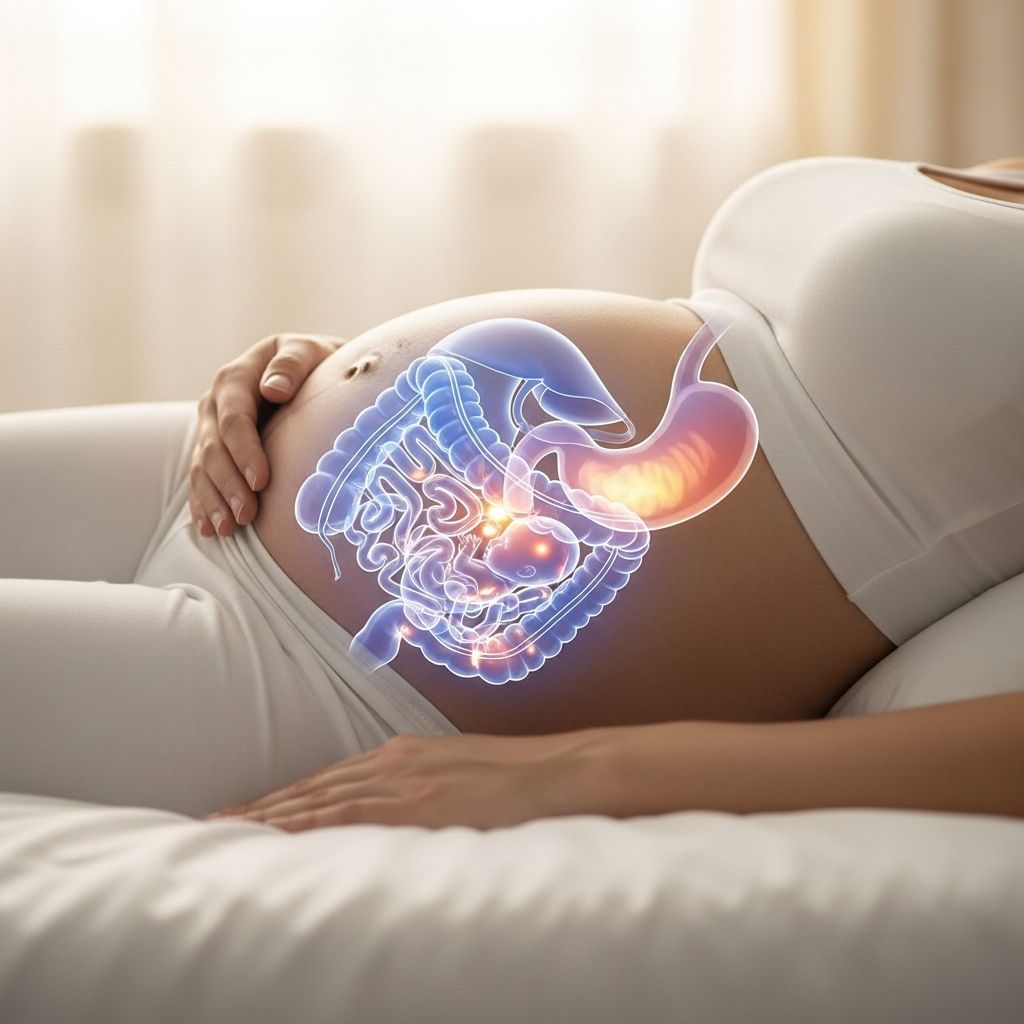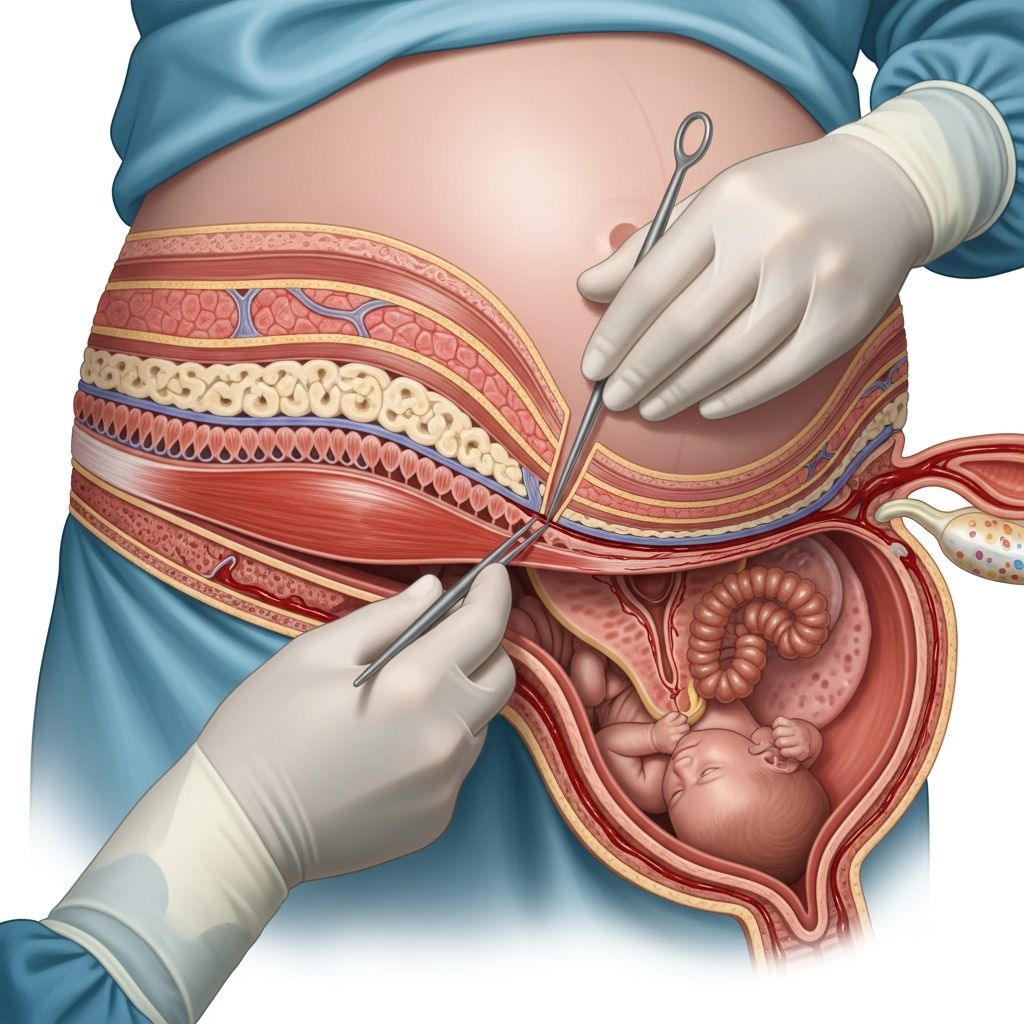
Cesarean delivery, commonly known as a C-section, involves surgical incisions in the abdomen and uterus to deliver a baby when vaginal birth is not feasible or safe. This procedure accounts for a significant portion of births worldwide and requires precise steps for maternal and fetal safety.
Understanding When a C-Section Becomes Necessary
A C-section is recommended for various medical reasons, including fetal distress, breech presentation, placenta previa, or failure to progress in labor. Planned C-sections occur around 39 weeks of gestation, while emergency ones arise during active labor. Providers weigh risks like infection against benefits such as rapid delivery in distress scenarios.
- Fetal factors: Abnormal heart rate patterns or multiples requiring space constraints.
- Maternal factors: Previous C-sections, active infections like herpes, or health conditions such as heart disease.
- Labor issues: Prolonged labor, cord prolapse, or cephalopelvic disproportion.
Statistics from authoritative sources indicate C-sections comprise about 32% of U.S. births, emphasizing their commonality and refined techniques.
Preoperative Preparations: Setting the Stage for Surgery
Preparation begins hours before the incision. The abdomen is cleaned with antiseptic solutions to minimize infection risk. Pubic hair may be clipped if needed for incision access. A urinary catheter is inserted into the urethra to keep the bladder empty, reducing injury risk during surgery.
Anesthesia options include regional blocks like epidural or spinal, allowing the mother to remain awake, or general anesthesia for emergencies. Oxygen masks ensure fetal oxygenation. Compression sleeves on the legs inflate periodically to prevent deep vein thrombosis (DVT).
| Preparation Step | Purpose | Typical Duration |
|---|---|---|
| Antiseptic wash | Infection prevention | 5-10 minutes |
| Catheter insertion | Bladder emptying | 2-5 minutes |
| Anesthesia administration | Pain control | 10-15 minutes |
| Sterile draping | Maintain sterility | 5 minutes |
A sterile drape is raised between the mother’s head and lower body, preserving dignity while obscuring the surgical field.
Detailed Anatomy of the Surgical Incisions
The surgeon navigates multiple abdominal layers: skin, subcutaneous fat, fascia, rectus muscles, peritoneum, and bladder flap before reaching the uterus. Incisions prioritize minimal trauma and optimal healing.
- Skin incision: Horizontal (Pfannenstiel or ‘bikini cut’) across the lower abdomen, 10-15 cm long, for cosmetic appeal and lower complication rates.
- Uterine incision: Transverse low-segment cut, 3-4 inches, allowing easier closure and future vaginal births.
Vertical incisions are rare, used in preterm cases or emergencies for quicker access, but increase rupture risk in subsequent labors.
Step-by-Step Walkthrough of the Delivery Process
From first cut to baby delivery takes about 5 minutes in non-emergencies. The sequence ensures swift fetal extraction.
- Skin and fascia incision: Scalpel cuts skin horizontally; fascia is incised midline and extended laterally with clamps or blunt dissection.
- Muscle separation: Rectus muscles are spread apart without cutting, preserving strength.
- Peritoneal entry: Blunt or sharp opening into the abdominal cavity, extended carefully to avoid bowel or bladder injury.
- Bladder flap: Reflected downward to protect it during hysterotomy.
- Uterine incision: Transverse cut, extended bluntly; amniotic sac ruptured if intact.
- Delivery: Baby lifted out head-first, umbilical cord clamped and cut.
- Placenta removal: Manual or spontaneous expulsion follows.
Closing layers—uterus (single-layer sutures), peritoneum (often left open), fascia, subcutaneous tissue, and skin—takes 30-45 minutes.
Variations in C-Section Techniques
Surgeons select from evidence-based methods balancing speed, blood loss, and recovery.
| Method | Key Features | Advantages |
|---|---|---|
| Pfannenstiel-Kerr | Horizontal skin, sharp peritoneum entry, manual placenta removal | Cosmetic scar, traditional reliability |
| Joel-Cohen | Blunt dissections throughout, no peritoneum closure | Faster, less blood loss |
| Misgav-Ladach | Blunt entry, single-layer uterine closure | Reduced operative time, quicker recovery |
| Modified Misgav-Ladach | Pfannenstiel skin with blunt internals | Balances aesthetics and efficiency |
Misgav-Ladach variants minimize foreign materials, promoting faster healing.
Immediate Post-Delivery: Baby Care and Maternal Monitoring
Once delivered, the newborn receives Apgar scoring and initial care nearby. The mother, under drape, hears cries and may have skin-to-skin soon after. Antibiotics prevent infection; oxytocin aids uterine contraction.
Vital signs are monitored closely for hemorrhage or hypotension from anesthesia.
Recovery Timeline: From Operating Room to Home
Recovery spans weeks. Hospital stay: 2-4 days. Pain managed with medications; mobility encouraged within 12-24 hours to prevent clots.
- Day 1: Catheter removal, first walks with assistance.
- Week 1: Incision soreness peaks; avoid lifting over 10 lbs.
- Weeks 2-6: Gradual activity increase; follow-up checks scar healing.
- Long-term: VBAC possible after low transverse incision.
Complications like infection (2-15%) or adhesions are minimized with modern protocols.
Emotional and Physical Realities of C-Section Birth
While surgical, C-sections evoke joy amid vulnerability. Partners often cut the cord symbolically. Skin-to-skin bonding starts post-closure. Many describe empowerment through preparation.
Postpartum challenges include delayed mobility, breastfeeding initiation hurdles, and scar sensitivity, but support networks aid adjustment.
Frequently Asked Questions (FAQs)
Can I have a vaginal birth after a C-section (VBAC)?
Yes, VBAC is viable for many with prior low transverse incisions, success rates 60-80%, per guidelines, but candidacy depends on prior surgery type and health.
How long does a C-section surgery take?
Total time: 45-60 minutes; baby delivery in 5-10 minutes.
Will I be awake during the procedure?
Typically yes, with spinal/epidural anesthesia; general for emergencies.
What does the scar look like?
Horizontal, 4-6 inches near bikini line, fading over 6-12 months.
Are there risks for future pregnancies?
Low with transverse incisions; classical increases rupture risk, advising repeats.
Empowering Choices: Planning Your C-Section Experience
Discuss preferences like music, partner involvement, and delayed cord clamping with your team. Birth plans adapt to surgery realities, fostering positive outcomes. Evidence supports informed consent enhancing satisfaction.
(Word count: 1678)
References
- C-Section (Cesarean Section): Procedure, Risks & Recovery — Cleveland Clinic. 2023-10-24. https://my.clevelandclinic.org/health/treatments/7246-cesarean-birth-c-section
- Caesarean section — Wikipedia. 2026-01-28. https://en.wikipedia.org/wiki/Caesarean_section
- Cesarean Delivery — NCBI Bookshelf (StatPearls). 2023-07-17. https://www.ncbi.nlm.nih.gov/books/NBK546707/
- Cesarean Birth — ACOG. 2024-05-01. https://www.acog.org/womens-health/faqs/cesarean-birth
- C-section (Cesarean Delivery) — Nucleus Medical Media (YouTube). 2015-11-04. https://www.youtube.com/watch?v=xyN48VnRYUY
- C-Section Surgery – Procedure & Recovery — American Society of Anesthesiologists. 2023-08-15. https://madeforthismoment.asahq.org/preparing-for-surgery/procedures/c-section/