Preparing Your Hospital Bag for Cesarean Birth
A cesarean delivery requires different preparation than vaginal birth, particularly regarding recovery support and comfort during your hospital stay. Most facilities require patients to remain hospitalized for three to five days following cesarean surgery, compared to shorter stays for vaginal delivery. Understanding what to pack in advance allows you to focus on recovery rather than worrying about gathering forgotten items. This comprehensive guide covers everything you need to know about preparing for your cesarean birth experience.
Understanding Your Hospital Stay Duration
The length of your hospital stay after cesarean delivery depends on your individual circumstances and medical recommendations. Typically, hospitals recommend planning for a three to five-night stay, though some patients may be discharged earlier or stay longer depending on complications or specific medical needs. When packing your hospital bag, organize items to cover approximately four complete days of use, allowing flexibility if your stay extends beyond the anticipated timeframe. Ask your support person to be prepared to bring fresh supplies if you remain hospitalized longer than expected. Most hospitals provide certain items such as mesh underwear, large postpartum pads, peri bottles, and basic pain medications, though availability varies by facility. Always confirm with your healthcare provider’s office during your pre-admission call which items the hospital will supply.
Critical Documents and Identification Materials
Before heading to the hospital, gather all necessary paperwork and identification. Your hospital bag should include your photo ID and current insurance card, as hospitals require these for admission and billing purposes. Create copies of your birth plan and ensure they include the names and contact information for your care team, pediatrician, and any other relevant medical providers. Having multiple copies allows you to distribute them among nursing staff and your support team. Keep these documents easily accessible in a folder or envelope so they’re ready for check-in without requiring extensive searching through your belongings.
Essential Comfort Items for Pre-Surgery and Early Recovery
Before your cesarean procedure, focus on items that provide comfort during pre-operative preparation and immediate post-surgery recovery. Pack several pairs of no-slip socks, as hospitals maintain cold operating rooms and warm socks provide comfort during initial recovery. Include hair ties to keep your hair secured and out of your face during procedures and recovery, along with lip balm and moisturizer. Hospitals typically maintain dry air environments, which can cause chapped lips and skin irritation, making these items particularly valuable. Consider bringing eyeglasses if you wear them—note that anesthesiologists often require removal of contact lenses before surgery, so plan accordingly if you depend on vision correction.
A portable phone charger or power bank with extra-long charging cables is essential, as hospital outlet locations may be inconveniently positioned relative to your bed. Entertainment items such as a book, tablet, or curated music playlist help pass time during pre-operative waiting periods and early recovery when mobility is limited. A small camera or phone with photo capabilities allows you and your support person to document first moments with your newborn. These items occupy minimal space in your bag while providing significant comfort and distraction during the hospital experience.
Clothing for Post-Surgical Comfort and Mobility
Selecting appropriate clothing for cesarean recovery differs significantly from regular pregnancy wear. Your incision requires protection from pressure and friction, making clothing selection crucial for comfort and healing. Pack two to three button-front nightgowns or nursing-friendly loungewear sets that provide easy access for feeding while avoiding compression on your surgical site. Cotton robes are particularly valuable, as they remain loose around the incision area, facilitate easy breastfeeding, and can be worn throughout much of your hospital stay.
Maternity leggings and high-waisted pants designed to sit above the incision line are essential for when you begin moving around your hospital room and ward. These specialized pants avoid placing pressure directly on your surgical wound while maintaining comfort. Pack several pairs of comfortable, loose-fitting bottoms to provide variety during your stay. Non-slip socks or grippy socks support safe mobility as you gradually increase activity levels under nursing supervision. Slip-on slippers or shower slides accommodate your need to move around while minimizing bending and physical exertion.
Postpartum Recovery and Wound Care Essentials
Proper wound care and recovery support require specific items beyond standard toiletries. Pack hospital-grade maternity pads or bring a supply, though most hospitals provide these items. Include disposable and regular high-waisted underwear that won’t irritate your incision or limit your comfort. Many expectant parents bring extra pairs since you may change them frequently during early recovery.
If you plan to breastfeed, include several nursing bras or tanks that provide easy access without pressure on your incision. Nursing pads prevent leakage and keep your clothing dry throughout the day and night. A dedicated breastfeeding support pillow designed to position your baby away from your surgical site reduces strain on healing tissues and provides comfortable feeding positions. Nipple cream or balm addresses potential breastfeeding challenges and soothes irritation.
An abdominal support pillow or regular pillow from home provides comfort when coughing, laughing, or moving, as pressure against the incision reduces discomfort significantly. Using a non-white or patterned pillowcase helps distinguish your pillow from hospital linens. Consider bringing a heating pad for back pain relief and ice packs for incision swelling, though verify hospital policies before bringing these items. Some parents prepare “padsicles”—frozen pads with beneficial ingredients—before delivery, though hospitals typically provide alternatives.
Personal Hygiene and Wellness Products
Maintain your personal hygiene standards with familiar products that support your wellbeing during recovery. Pack travel-sized versions of shampoo, conditioner, body wash, and face wash to minimize luggage bulk. Include your preferred toothbrush, toothpaste, and deodorant, as familiar products boost morale during hospitalization. Face wipes allow gentle cleansing when showering isn’t immediately possible, and dry shampoo extends the time between hair washes without compromising comfort.
A hairbrush helps you feel more like yourself, particularly important when managing hormonal changes and emotional adjustment to new motherhood. Include makeup if wearing it makes you feel confident, though recognize you may not have energy for extensive grooming routines. A handheld mirror allows you to care for your appearance while remaining in bed. Pack cough drops if you have any respiratory congestion, as coughing significantly increases incision discomfort during early recovery.
Bring a small towel from home for showering once your medical team approves water contact with your incision. Hospitals provide towels, but personal items often feel more comforting during recovery. Include any personal medications you regularly take, as hospitals may require specific brand names or formulations. Pack a reusable water bottle with measurement markings to track hydration—crucial for postpartum recovery and milk production if breastfeeding.
Nutrition, Hydration, and Recovery Support
Hospitals provide meals, but supplementary snacks support energy recovery and mood during your stay. Pack non-perishable snacks you enjoy—crackers, nuts, granola bars, dried fruit—that provide nutrition without requiring refrigeration. Include hydrating beverages like electrolyte drinks or specialized hydration supplements, particularly valuable if you experienced labor before your cesarean delivery. Proper hydration supports blood pressure stabilization and milk-production hormones if breastfeeding.
Some parents prepare peppermint tea or bring peppermint gum, which may support digestive comfort during early recovery. Verify hospital policies regarding outside beverages before packing these items. Discuss with your care team whether additional nutritional support like protein bars or specific foods align with postpartum dietary recommendations for your situation.
Essential Items for Your Newborn
While hospitals provide most basic newborn necessities, specific items ensure your baby has familiar comforts. Pack two to three zip-up sleepers in newborn and zero to three-month sizes to accommodate rapid growth and frequent outfit changes from spit-up or diaper incidents. Include a special going-home outfit in both newborn and zero to three-month sizes, allowing flexibility as your baby’s size becomes clearer during the hospital stay.
Bring a soft newborn hat and scratch-proof mittens to help your baby maintain body temperature and prevent accidental facial scratching. Pack a special baby blanket or swaddle from home that matches your nursery aesthetic and provides familiar comfort—hospitals are often chilly and having a personal blanket supports your baby’s temperature regulation and sense of security.
If you plan to use pacifiers, bring your preferred style, though recognize some breastfeeding specialists may recommend delaying their introduction. Include travel-size diaper cream and fragrance-free wipes or cotton wool balls for sensitive newborn skin, even though most hospitals provide these items. Most facilities supply diapers, wipes, blankets, and basic clothing, allowing you to pack light for your baby. A small tote bag organized with your baby’s items separately allows you to access necessary supplies without excessive bending or straining your incision.
Support Person Essentials and Practical Considerations
Your partner or support person will spend significant time in your hospital room and should pack accordingly. They should bring a change of comfortable clothes, including a warm hoodie or jumper, additional socks, and toiletries. Pack phone chargers with long cables and a portable battery, as hospitals may have limited outlet access and your support person needs to maintain communication with family and friends.
Include identification and insurance paperwork for your support person, along with parking passes or payment for hospital parking. A small pillow or neck cushion and blanket provide comfort if they’re resting in your room during recovery. Entertainment items like books, tablets, or a curated playlist help pass time during waiting periods. A spare bag for collecting laundry or hospital-provided items prevents clutter in your room. Remember that your support person plays a crucial role in your recovery and comfort—ensure they’re prepared for their extended stay.
Practical Organization and Preparation Strategies
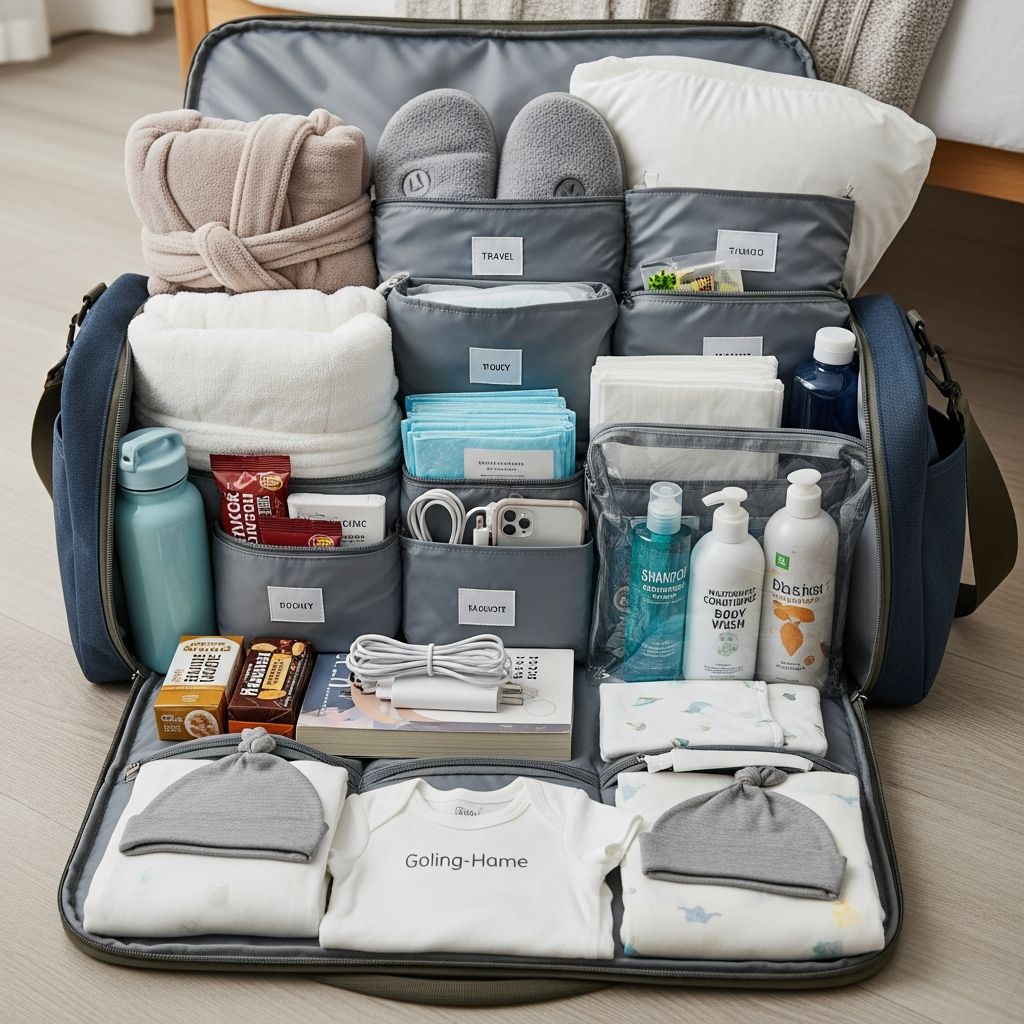
Rather than overpacking, organize items strategically into categories by timing and usage. Create separate sections for pre-surgery items, immediate post-surgery supplies, mid-recovery essentials, and going-home outfits. This organization allows you and your support person to access necessary items without searching through your entire bag, reducing frustration when mobility is limited. Use small organizational bags or compartments within your main hospital bag to keep items tidy and easy to locate.
Discuss with your healthcare provider during your pre-admission call exactly which items the hospital supplies and which you need to bring. This conversation eliminates duplicate items and ensures you’re not bringing unnecessary supplies that waste valuable bag space. Ask about hospital policies regarding outside items like heating pads, ice packs, essential oil diffusers, or other comfort items that may have restrictions for safety reasons.
Keep your hospital bag in an easily accessible location during late pregnancy so you can grab it quickly if you require an unplanned cesarean delivery. A labeled bag near your bedroom entrance or in your car ensures you’re prepared for unexpected situations. Some parents maintain a packed bag from approximately 34 weeks of pregnancy onward, updating it with fresh items as needed.
Recovery-Specific Comfort Innovations
Consider less common but highly valuable items that past patients recommend. A grabber tool with an extended handle allows you to reach items from your bedside table or across the room without bending excessively, protecting your healing incision. A small night light or touch-activated lamp provides gentle lighting for middle-of-the-night feedings without the harsh brightness of standard hospital overhead lights. These innovative additions require minimal space while significantly improving comfort during recovery.
Frequently Asked Questions
Does the hospital provide postpartum pads and underwear after cesarean delivery?
Most hospitals provide mesh underwear, large postpartum pads, peri bottles, and basic pain medications. Some facilities also offer abdominal binders and stool softeners, though availability varies. Contact your healthcare provider during pre-admission calls to confirm what your specific hospital supplies, allowing you to pack accordingly.
How many outfits should I pack for my hospital stay?
Pack two to three loose nightgowns or nursing-friendly lounge sets, two to three pairs of high-waist underwear, a lightweight robe or cardigan, non-skid socks, and slip-on slippers for yourself. For your baby, bring two to three sleepers plus a special going-home outfit in both newborn and zero to three-month sizes to accommodate growth variation.
What special items does my baby need for cesarean delivery?
Your baby’s needs are relatively simple since hospitals provide essential supplies like diapers, wipes, blankets, and plain onesies. Bring two to three zip-up sleepers, a soft hat, scratch-proof mittens, and a going-home outfit in newborn and zero to three-month sizes. Include pacifiers if you plan to use them and any specific diaper cream brands you prefer, though most hospitals have alternatives available.
How long should I plan for my cesarean delivery hospital stay?
Plan for three to five nights unless your doctor recommends otherwise, since cesarean stays are typically longer than vaginal births. Pack clothing and toiletries covering four complete days, then arrange for your support person to bring fresh items if you stay longer. Ask your medical team specifically about expected duration based on your circumstances.
Can I bring a personal pillow from home?
Yes, bringing a pillow from home is beneficial for comfort during recovery. Use a distinctively colored or patterned pillowcase to distinguish it from hospital linens, making it easier for staff to recognize your personal item and prevent accidental laundering with hospital supplies.
References
- What to Pack in Your C-Section Hospital Bag — Needed. Accessed January 2026. https://thisisneeded.com/blogs/trying-to-conceive/c-section-hospital-bag-checklist
- C-Section Hospital Bag: Packing Lists and Tips — Healthline. Accessed January 2026. https://www.healthline.com/health/pregnancy/c-section-hospital-bag
- C-Section Hospital Bag List: Straight From Veteran C-Section Mamas — Mommy Labor Nurse. Accessed January 2026. https://blog.mommylabornurse.com/c-section-hospital-bag-list
- What to Pack in Your Hospital Bag for C-section — Lola&Lykke. Accessed January 2026. https://lolalykke.com/blogs/mamahood-manuals/c-section-hospital-bag-checklist
- Your C-Section Hospital Bag Checklist: Midwife-and-Mum-Approved — For The Creators. Accessed January 2026. https://forthecreators.co/blogs/thedelivery/c-section-hospital-bag-checklist
- What to Pack for a C-Section: A Comprehensive Guide — Kindred Bravely. Accessed January 2026. https://www.kindredbravely.com/blogs/bravely/what-to-pack-for-a-c-section