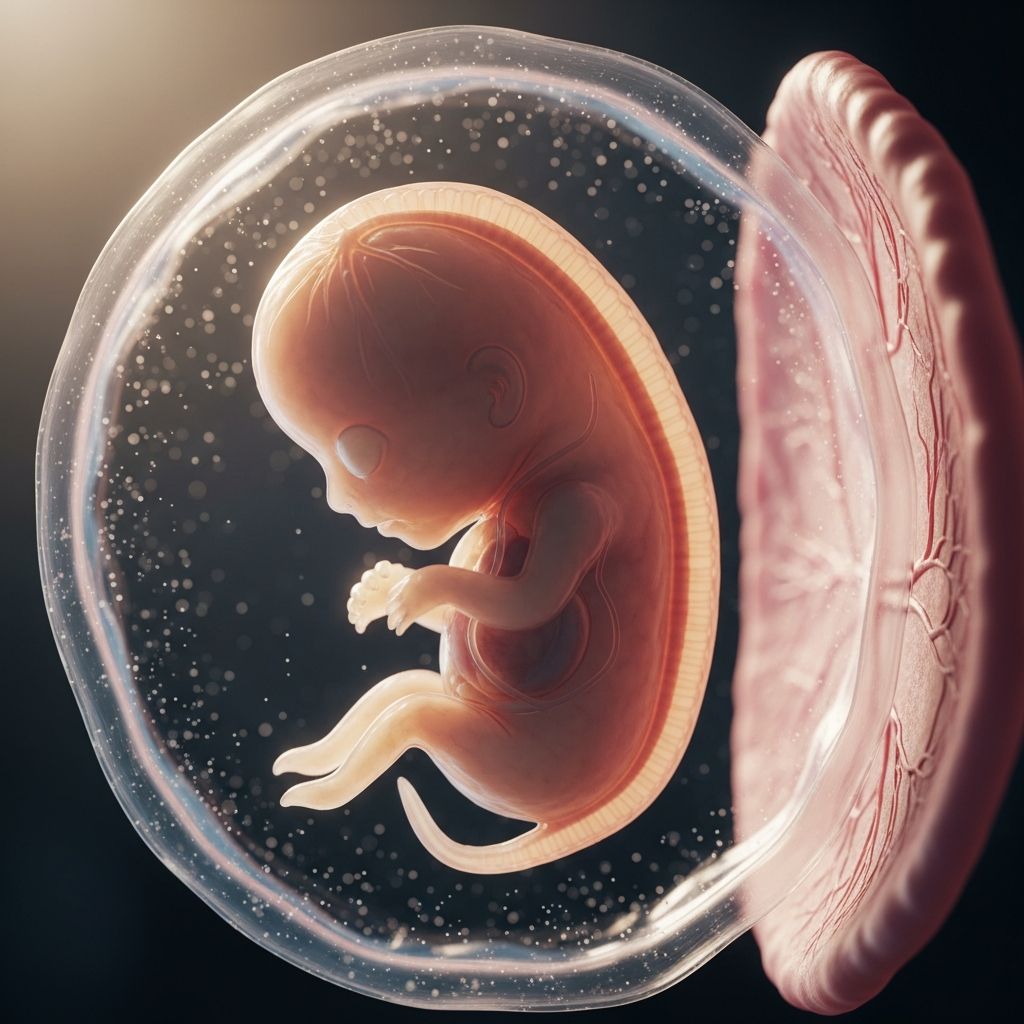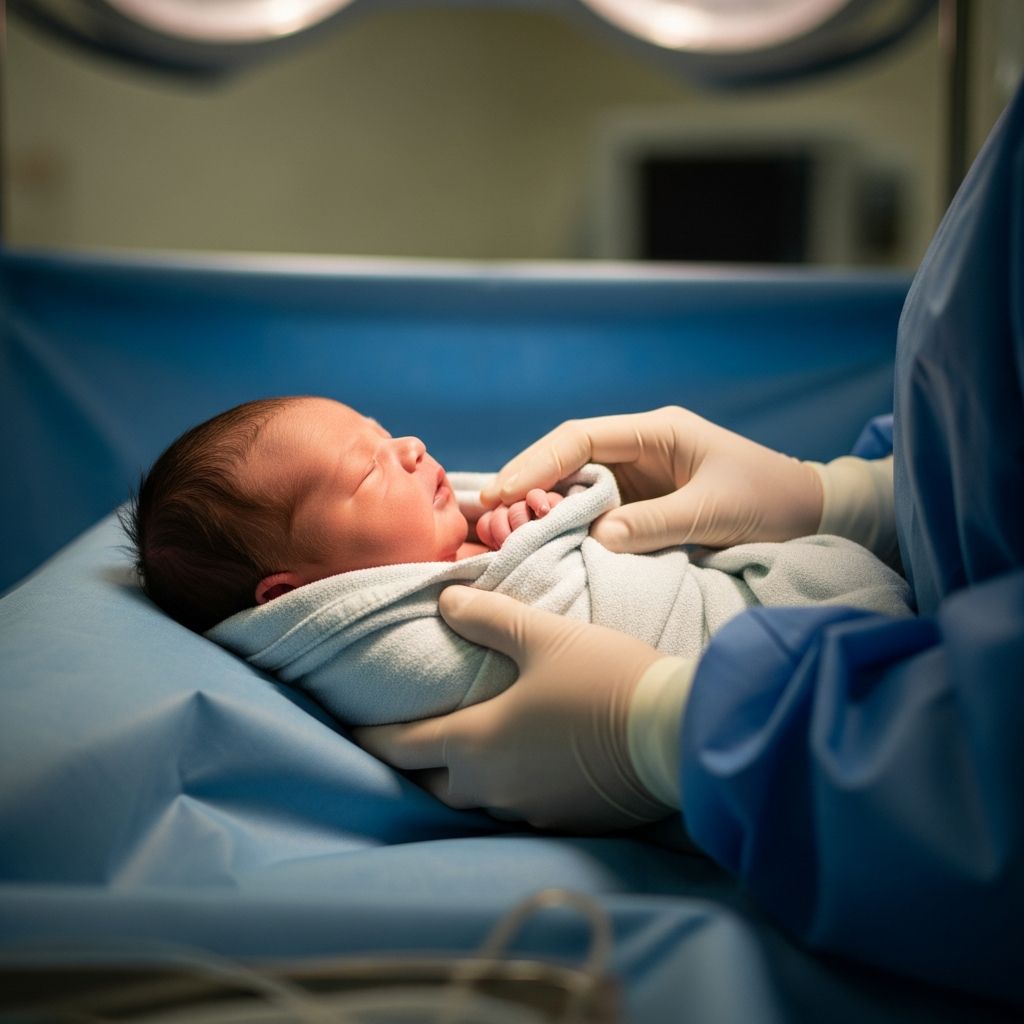
Cesarean delivery, commonly known as a C-section, is a surgical method to deliver a baby through incisions in the abdomen and uterus. This approach is chosen when vaginal birth poses risks to the mother or baby, accounting for a significant portion of births worldwide.
Understanding When a C-Section Becomes Necessary
Medical professionals recommend C-sections for various reasons, prioritizing safety. Common indications include fetal distress, where the baby’s heart rate signals distress during labor; breech presentation, with the baby positioned feet or buttocks first; placenta previa, where the placenta covers the cervix; or multiple pregnancies like twins or triplets that complicate vaginal delivery.
Previous uterine surgeries, such as a prior C-section, may also necessitate another, though vaginal birth after cesarean (VBAC) is possible in select cases. Maternal health issues like active genital herpes, heart disease, or high blood pressure can further indicate this procedure. Emergency C-sections arise unexpectedly during labor, while planned ones are scheduled around 39 weeks for optimal outcomes.
Preparing for Your Scheduled Cesarean Birth
Preparation begins weeks ahead for planned C-sections. Expect discussions on anesthesia options, typically regional like spinal or epidural blocks allowing wakefulness, or general anesthesia for emergencies.
- Pre-surgery instructions: Fast for 8 hours, arrange support persons, and complete blood tests or ultrasounds.
- Hospital arrival: IV lines for fluids and medications, urinary catheter insertion to keep the bladder empty.
- Skin prep: Antiseptic cleansing of the abdomen to minimize infection risk.
Your support person can usually stay with you, offering comfort during this process.
Step-by-Step Breakdown of the Surgical Process
The C-section procedure generally lasts 45-60 minutes, with baby delivery in the first 5-10 minutes. Here’s how it unfolds:
- Anesthesia administration: Spinal or epidural injected for numbness from chest down; oxygen mask may be provided.
- Skin incision: Horizontal ‘bikini cut’ low on abdomen (15 cm), preferred for better cosmetics and recovery; vertical in emergencies.
- Layer dissection: Through subcutaneous fat, fascia, rectus muscles separated, peritoneum opened bluntly or sharply.
- Uterine incision: Transverse low transverse cut (3-4 inches) in lower uterus segment for reduced bleeding.
- Baby delivery: Baby lifted out, umbilical cord clamped/cut, handed to neonatal team for checks.
- Placenta removal: Manually or spontaneously extracted, uterus cleaned.
- Closure: Uterus sutured (single or double layer), peritoneum often left unsutured, fascia closed securely, skin with staples/sutures.
Antibiotics prevent infection, and oxytocin injection aids uterine contraction to control bleeding. Various techniques like Pfannenstiel-Kerr or Misgav-Ladach vary in dissection and closure methods, all aimed at safety and efficiency.
Immediate Post-Operative Experience in the Hospital
Post-surgery, you’ll recover in a holding area for 1-2 hours as anesthesia wears off. Pain management includes IV or oral medications, with numbness fading gradually.
- Baby bonding: Skin-to-skin contact encouraged soon after if stable; support person can hold if needed.
- Monitoring: Vital signs checked frequently; catheter remains 12-24 hours.
- Feeding: Breastfeeding supported despite positioning challenges.
Hospital stay lasts 2-4 days for uncomplicated cases, longer if issues arise.
Navigating Recovery at Home After Discharge
Full recovery takes 6-8 weeks, with restrictions to promote healing.
| Week | Activities Allowed | Restrictions |
|---|---|---|
| 1-2 | Short walks, light household tasks | No lifting >10 lbs, driving, stairs frequently, baths |
| 3-4 | Gradual increase in activity, driving if off pain meds | No heavy lifting, strenuous exercise |
| 5-8 | Resume most activities, light exercise | Avoid full workouts until cleared |
Incision care involves daily cleaning, watching for redness/swelling/drainage signaling infection. Pain, constipation from meds, and incision ‘zaps’ are common but subside. Emotional recovery may include baby blues; seek help for persistent sadness.
Potential Risks and Complications to Watch For
While safe, C-sections carry risks higher than vaginal births.
- Maternal: Infection (wound/endometritis), hemorrhage, blood clots, bowel/bladder injury, longer recovery.
- Fetal: Temporary breathing issues, surgical nicks (rare).
- Future pregnancies: Uterine rupture risk (0.5-1% VBAC), placenta accreta.
Obese patients or those with prior C-sections face elevated risks; discuss with providers.
Pain Management Strategies Throughout Recovery
Effective pain control enhances mobility and bonding. Multimodal approaches combine:
- Opioids initially, transitioning to ibuprofen/acetaminophen.
- Local anesthetics via incision catheter for 48 hours.
- Non-drug: Heat packs, positioning aids, gentle movement.
Consult providers before new meds, especially if breastfeeding.
Breastfeeding and Newborn Care Post-C-Section
C-sections don’t prevent breastfeeding; babies often more alert initially. Use football hold or side-lying positions to avoid incision pressure. Latch support from lactation consultants helps overcome initial hurdles.
Planning Future Pregnancies After a Cesarean
Most women can have vaginal births after C-section (VBAC) if low transverse incision and no contraindications, success rate 60-80%. Repeat C-sections are common and safe. Wait 18-24 months between pregnancies for optimal healing.
Frequently Asked Questions (FAQs)
Can I have a vaginal birth after a C-section?
Yes, VBAC is possible for many with one prior low transverse C-section, but candidacy depends on health and provider assessment.
How long until I can drive after a C-section?
Typically 2 weeks or when off narcotic pain meds and able to twist comfortably.
Will my scar be visible?
Bikini incisions heal well, fading over time; vertical scars are rarer and more noticeable.
Is general anesthesia common for C-sections?
No, regional is preferred for planned; general used in emergencies.
What increases C-section risks?
Obesity, prior C-sections, emergencies, and certain techniques.
References
- C-Section (Cesarean Section): Procedure, Risks & Recovery — Cleveland Clinic. 2023-10-25. https://my.clevelandclinic.org/health/treatments/7246-cesarean-birth-c-section
- Caesarean section — Wikipedia. 2026-01-10. https://en.wikipedia.org/wiki/Caesarean_section
- Caesarean section: step by step — O&G Magazine. 2018-12-01. https://www.ogmagazine.org.au/18/4-18/caesarean-section-step-step/
- Cesarean Delivery — NCBI Bookshelf / StatPearls. 2023-07-17. https://www.ncbi.nlm.nih.gov/books/NBK546707/
- Caesarean section — Better Health Channel. 2023-05-01. https://www.betterhealth.vic.gov.au/health/healthyliving/caesarean-section
- C-section (Cesarean Delivery) — YouTube / Medical Media. 2020-01-15. https://www.youtube.com/watch?v=xyN48VnRYUY
- C-section — Mayo Clinic. 2023-09-12. https://www.mayoclinic.org/tests-procedures/c-section/about/pac-20393655