Cesarean delivery, commonly known as a C-section, is a surgical method to deliver a baby through incisions in the abdomen and uterus when vaginal birth is not safe or feasible. This procedure accounts for a significant portion of births worldwide and requires parents to understand its processes, benefits, and considerations for optimal outcomes.
Understanding When a C-Section Becomes Necessary
A C-section is recommended in various scenarios to protect the health of the mother and baby. Common indications include fetal distress, where the baby’s heart rate shows signs of trouble during labor, or breech presentation, with the baby positioned feet or buttocks first. Other reasons encompass placental issues like placenta previa, where the placenta covers the cervix, multiple pregnancies such as twins or more, or maternal health conditions including high blood pressure or active infections like herpes.
In some cases, previous uterine surgeries or failed induction attempts lead to this choice. Emergency C-sections occur unexpectedly during labor, while scheduled ones allow preparation time. Parents should discuss risks and benefits with their healthcare provider to make informed decisions.
Preparation Steps Before the Procedure
Preparation for a C-section begins with medical evaluations to ensure safety. This includes blood tests, discussions on anesthesia options, and fasting instructions for surgeries under general anesthesia. Most planned C-sections use regional anesthesia like epidurals or spinal blocks, keeping the mother awake.
Hospitals provide gowns, IV lines for fluids and medications, and urinary catheters to empty the bladder, reducing injury risks during surgery. Family members can often be present in the operating room for support, wearing protective gear. Mental preparation, including tours of the facility, helps ease anxiety.
- Anesthesia consultation: Review options and allergies.
- Consent forms: Understand procedure details and risks.
- Skin prep: Abdominal area cleaned with antiseptics.
Detailed Walkthrough of the Surgical Process
The C-section typically lasts 45 to 60 minutes, with delivery occurring within the first five minutes of incision. After anesthesia administration, a sterile drape is placed, and a screen shields the mother’s view.
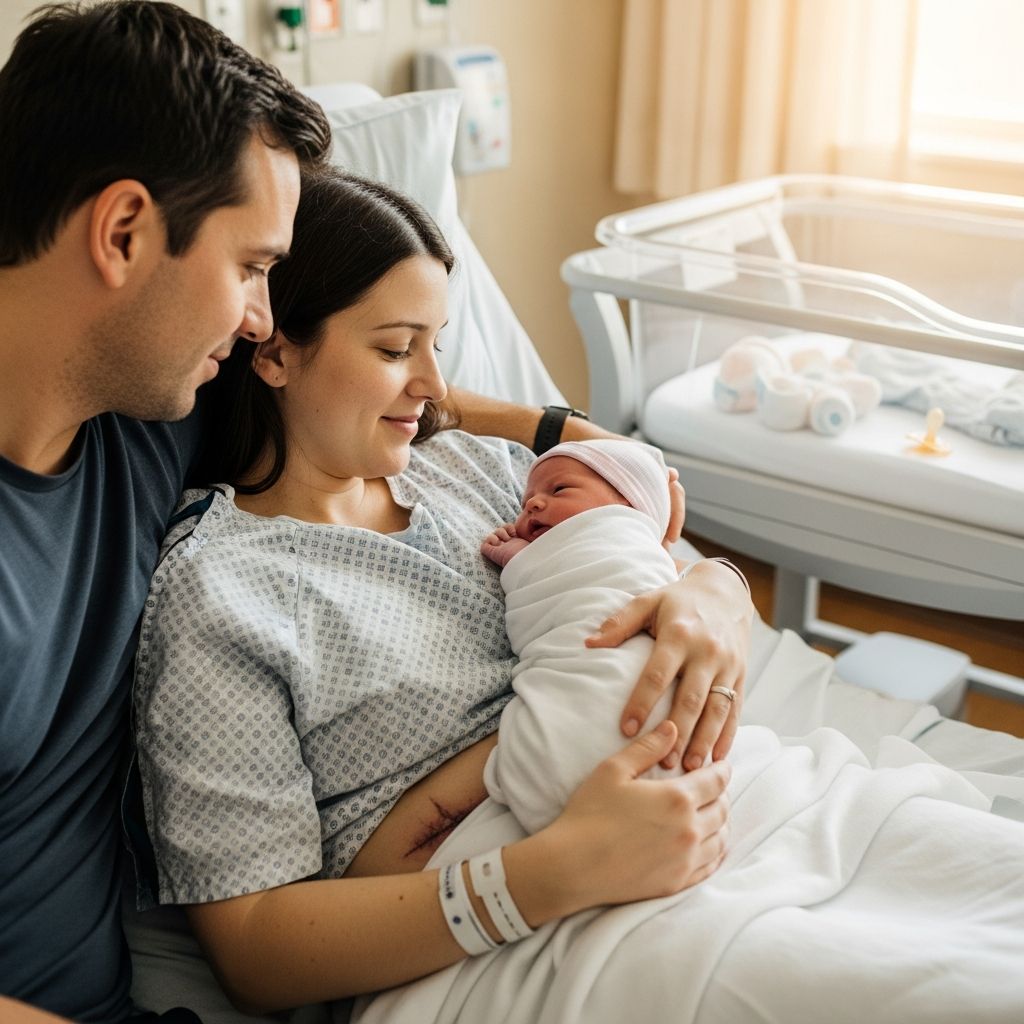
The surgeon makes a skin incision, usually horizontal (transverse or ‘bikini cut’) low on the abdomen for better cosmetics and recovery, though vertical cuts are used in emergencies. Layers are dissected: subcutaneous tissue, rectus fascia, muscles separated vertically, and peritoneum opened.
A uterine incision follows, preferably low transverse for fewer complications and future vaginal birth potential, unlike classical vertical cuts. The baby is delivered, umbilical cord clamped and cut, amniotic fluid cleared, and placenta removed. The uterus is closed in layers, often single or double with absorbable sutures, followed by peritoneal, fascial, and skin closures.
| Layer | Common Technique | Purpose |
|---|---|---|
| Skin | Horizontal transverse (Pfannenstiel) | Minimal scarring |
| Subcutaneous/Fascia | Blunt or sharp dissection | Access abdomen |
| Uterus | Low transverse incision | Safe delivery, VBAC option |
| Closure | Monofilament sutures | Hemostasis, healing |
Variations in Surgical Techniques
Several methods optimize outcomes. The Pfannenstiel-Kerr uses a curved skin incision with sharp peritoneum entry and uterine closure. Joel-Cohen employs straight higher incisions with blunt dissections for reduced blood loss and faster recovery.
Misgav-Ladach and modified versions minimize tissue trauma by avoiding peritoneal closure and using single-layer uterine sutures, promoting quicker healing. Choice depends on urgency, surgeon expertise, and patient factors like prior surgeries.
Immediate Post-Operative Care in the Hospital
Post-surgery, mothers recover in a PACU for monitoring of vital signs, bleeding, and pain. Pain management involves medications via IV or epidural. Babies undergo Apgar scoring and bonding is encouraged skin-to-skin.
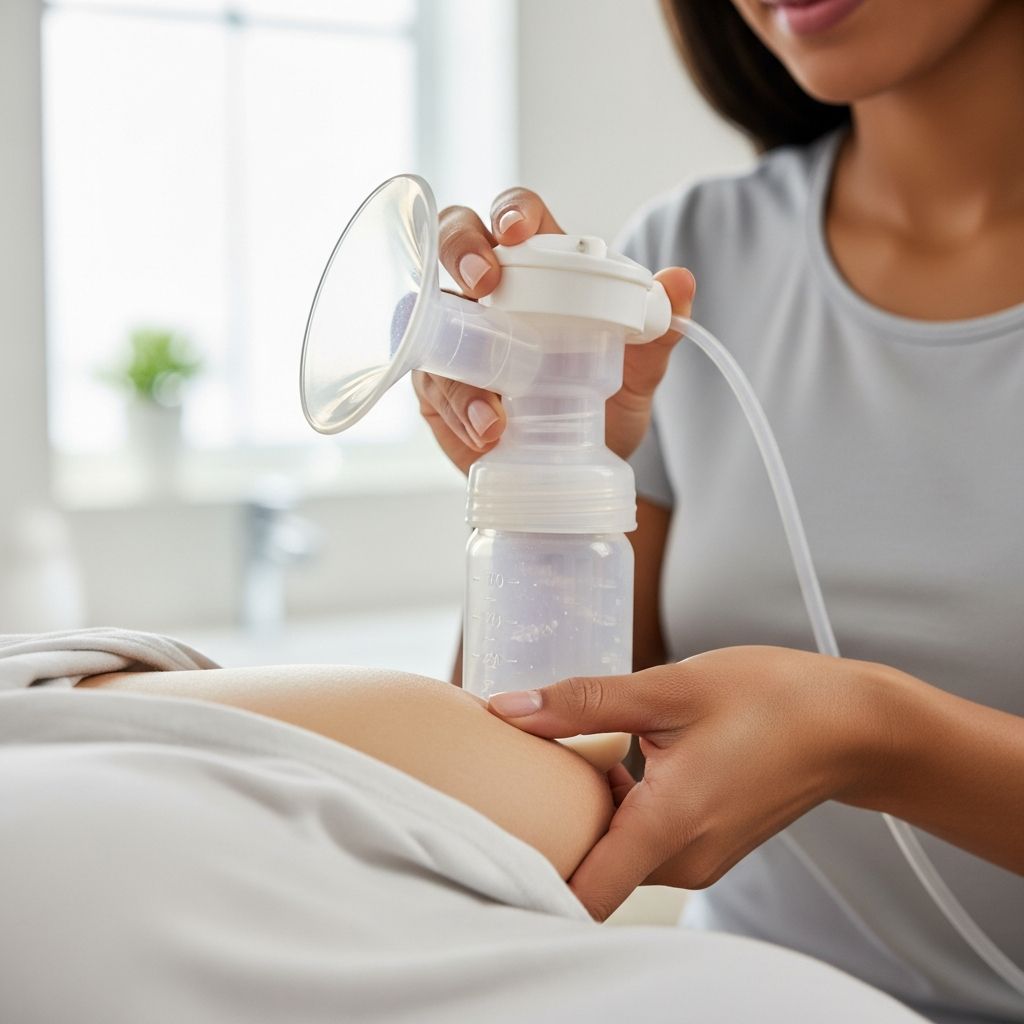
Hospital stays last 2-4 days for planned C-sections. Mobility starts soon to prevent clots, with assistance. Breastfeeding support is key, as C-sections do not preclude nursing. Watch for infection signs like fever or redness.
- Frequent vital checks first 24 hours.
- Gradual diet resumption.
- Wound care instructions.
Navigating Recovery at Home
Home recovery spans 4-6 weeks. Rest is crucial; avoid lifting over 10 pounds or stairs initially. Incision care prevents infection: keep dry, watch for pus or swelling. Pain eases with meds, ice packs, and support belts.
Nutrition aids healing: high-protein, iron-rich foods. Light walks prevent constipation from pain meds. Emotional recovery addresses ‘baby blues’ or postpartum depression, common after surgery. Partners share newborn duties.
Follow-up visits check healing at 2 and 6 weeks. Full activity resumes gradually.
Potential Risks and Complications
While safe, C-sections carry risks: infection (3-15%), hemorrhage, blood clots, and injury to bladder/bowel (rare). Longer-term: adhesions, placenta accreta in future pregnancies, and higher ectopic risk.
Emergency C-sections elevate risks versus planned. Antibiotics reduce infection. VBAC success rates are 60-80% for eligible candidates but rupture risk exists with prior classical incisions.
Future Pregnancies After a C-Section
Most women can attempt VBAC if low transverse incision, no prior complications. Success favors one prior C-section, spontaneous labor. Repeat C-sections are common and safer for some.
Pregnancy spacing: wait 18-24 months minimum for healing. Discuss options early with providers.
Benefits of Cesarean Delivery
C-sections save lives in high-risk cases, control delivery timing for multiples or preterm, and avoid vaginal trauma. Planned ones reduce anxiety, allow partner presence.
Frequently Asked Questions (FAQs)
Can I breastfeed after a C-section?
Yes, skin-to-skin contact starts immediately; lactation works well with support.
How long until I drive post-C-section?
Wait 2 weeks or until off pain meds and twisting pain-free.
Is general anesthesia common?
Rare for planned; used in emergencies. Regional preferred.
Will the scar be visible?
Bikini cut hides under underwear; fades over months.
Exercise timeline after surgery?
Walking day 1; full workouts 6-8 weeks with clearance.
Emotional and Lifestyle Adjustments
C-sections may delay bonding initially, but support networks help. Prepare meals ahead, accept help. Celebrate the birth journey uniquely.
References
- C-Section (Cesarean Section): Procedure, Risks & Recovery — Cleveland Clinic. 2023-10-25. https://my.clevelandclinic.org/health/treatments/7246-cesarean-birth-c-section
- Caesarean section — Wikipedia. 2025-01-10. https://en.wikipedia.org/wiki/Caesarean_section
- Caesarean section: step by step — O&G Magazine. 2017-12-01. https://www.ogmagazine.org.au/18/4-18/caesarean-section-step-step/
- Cesarean Delivery — NCBI Bookshelf (StatPearls). 2023-07-17. https://www.ncbi.nlm.nih.gov/books/NBK546707/
- C-section (Cesarean Delivery) — YouTube (Medical Media). 2018-05-15. https://www.youtube.com/watch?v=xyN48VnRYUY
- C-section — Mayo Clinic. 2023-11-22. https://www.mayoclinic.org/tests-procedures/c-section/about/pac-20393655
- Caesarean section — NHS. 2024-05-14. https://www.nhs.uk/tests-and-treatments/caesarean-section/