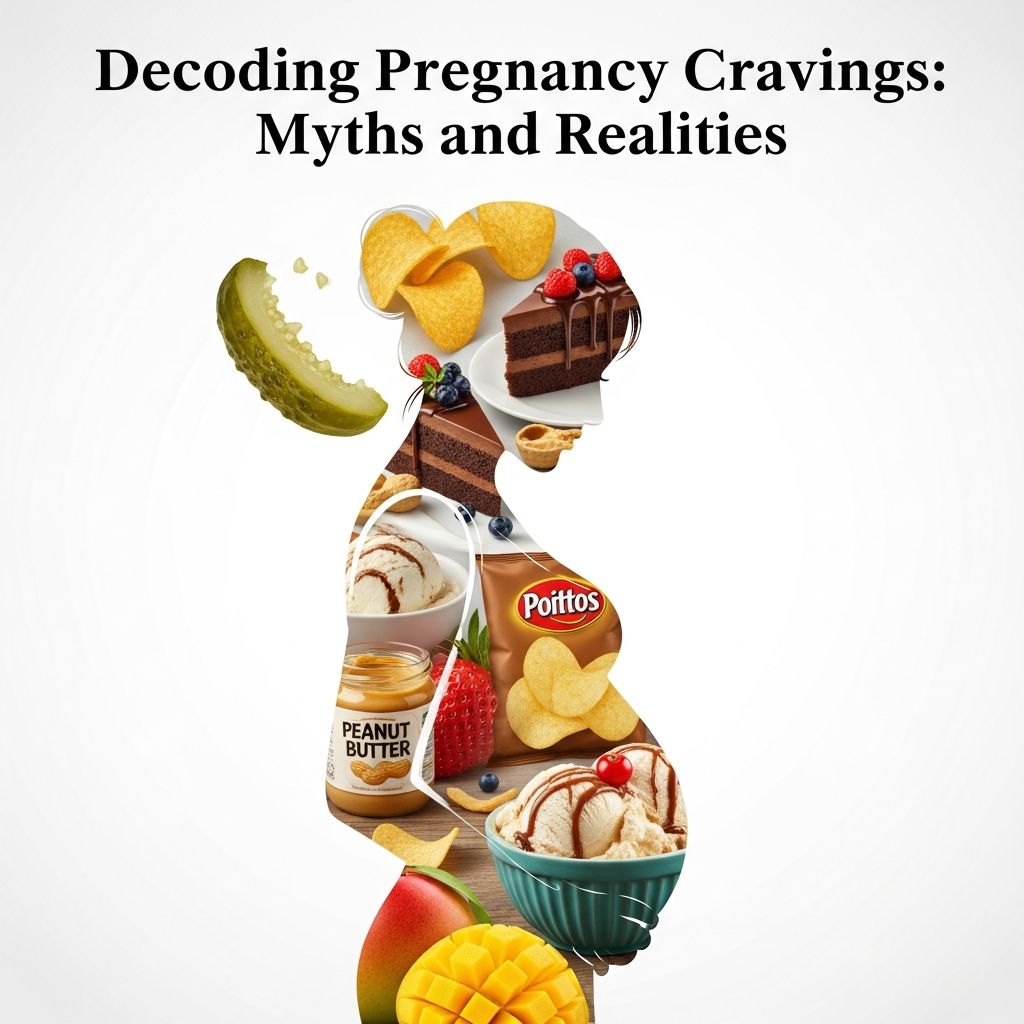
Food cravings during pregnancy captivate public imagination, often portrayed in media as quirky or extreme desires like pickles with ice cream. These urges affect up to 90% of pregnant individuals, peaking in the second trimester, and can influence daily eating habits significantly.While some stem from hormonal fluctuations, others may signal nutritional needs or psychological triggers. Understanding their origins helps expectant mothers navigate them wisely, promoting maternal and fetal health without unnecessary worry.
The Biological Roots of Pregnancy Food Urges
Pregnancy triggers profound physiological changes, primarily driven by surging hormones such as human chorionic gonadotropin (hCG), progesterone, and estrogen. These hormones not only support fetal development but also alter sensory perceptions, including taste and smell, which can intensify specific food desires.
Research indicates that these hormonal shifts mirror premenstrual patterns but amplified, leading to heightened sensitivity on the tongue’s receptors. For instance, progesterone in early pregnancy may cause sodium loss through urine, prompting cravings for salty snacks to restore electrolyte balance.
- Hormonal influence: Peaks in the first trimester align with rising hCG, often coinciding with nausea relief through preferred flavors.
- Sensory changes: Altered smell and taste perceptions make bland foods unappealing while amplifying appeal of sweets or sours.
- Energy demands: The body requires about 300 extra daily calories, potentially fueling desires for calorie-dense treats like chocolate.
These mechanisms suggest cravings are adaptive, helping meet the increased metabolic needs of gestation.
Common Craving Categories and Their Potential Signals
Pregnant individuals report diverse cravings, often clustering into recognizable patterns. Here’s a breakdown of prevalent types and associated theories:
| Craving Type | Examples | Possible Nutritional Link | Prevalence Notes |
|---|---|---|---|
| Sweet Foods | Chocolate, ice cream, fruits | Calcium, vitamin C, or energy boost | Most common, linked to caloric needs |
| Savory/Salty | Pickles, chips, fries | Sodium retention, fluid balance | Frequent in first trimester |
| Dairy | Milk, cheese, yogurt | Calcium for fetal bone growth | Body compensates for fetal demands |
| Sour | Lemons, vinegar-based foods | Nausea relief or iron absorption aid | Often tied to morning sickness |
| Protein-Rich | Red meat, seafood | Iron, zinc deficiencies | Indicates potential anemia risks |
While not every craving directly correlates to a deficiency, patterns like persistent dairy urges may reflect the fetus drawing calcium from maternal stores.
Nutritional Deficiencies: When Cravings Serve as Body Alerts
One popular theory posits cravings as the body’s intuitive signals for missing nutrients. Evidence supports this selectively: fruit cravings might highlight low vitamin C, vital for immune function and collagen formation, while red meat desires could point to iron needs for blood volume expansion.
Zinc deficiency, rarer but serious, may manifest as impaired taste or smell alongside cravings for oysters or meats rich in heme iron. Aversions often accompany cravings, potentially protecting against harmful bacteria during vulnerable periods.
However, scientific scrutiny tempers enthusiasm for this ‘deficiency hypothesis.’ Studies show weak direct links, with cultural and psychological factors often overriding physiological cues. Pregnant women should rely on prenatal vitamins and blood tests rather than self-diagnosing via cravings.
Cultural and Psychological Dimensions of Cravings
Beyond biology, cravings are shaped by environment and mindset. Social stories from friends or media can prime similar desires, creating a feedback loop. In Western cultures, pregnancy is viewed as a ‘permissive’ phase for indulgence, amplifying acknowledgment of taboo foods like sweets.
Psychosocial elements include stress, fatigue, or emotional comfort-seeking. Preliminary data links cravings to gestational weight gain (GWG), especially in overweight individuals, where they predict excess fat accumulation.
- Triggers: External cues like TV ads or peer anecdotes.
- Cultural norms: U.S. women report higher sweet cravings, possibly due to availability of processed foods.
- Emotional role: Cravings as coping for pregnancy discomforts.
Health Risks of Unchecked Indulgence
Occasional satisfaction is harmless—even beneficial for morale—but excess poses risks. Overindulging high-calorie or processed items contributes to unnecessary GWG, elevating chances of gestational diabetes, hypertension, and delivery complications.
Pica, an extreme form involving non-foods like clay or ice, signals severe deficiencies (e.g., iron) and dangers like constipation or toxicity. Rapid weight gain strains the body, complicating labor.
Moderation is key: pair cravings with nutrients, e.g., fruit with yogurt instead of candy alone. Track intake to ensure the 300 extra calories support health, not excess.
Practical Strategies for Managing Cravings Effectively
Empower yourself with proactive steps:
- Nutrient-dense swaps: Opt for dark chocolate over milk, baked chips over fried.
- Hydration check: Thirst mimics hunger; drink water first.
- Meal timing: Regular, balanced meals stabilize blood sugar, curbing urges.
- Mindful tracking: Journal cravings to spot patterns and discuss with providers.
- Professional input: Routine OB-GYN visits monitor weight and nutrients.
Physical activity, like prenatal yoga, diverts focus and boosts mood-regulating endorphins.
Debunking Persistent Myths Around Pregnancy Cravings
Myths abound: Do cravings predict baby gender? No evidence supports this. Are they always nutritional signals? Rarely definitive. Ice cream and pickles? Stereotypical, not universal—preferences vary globally.
Another misconception: All cravings must be indulged instantly. Balanced responses prevent regret and health issues.
Frequently Asked Questions About Pregnancy Cravings
Are pregnancy cravings a sign of nutritional deficiency?
Not always, but some like dairy or meat may indicate needs for calcium or iron. Consult bloodwork for confirmation.
When do cravings typically start and peak?
Often early, peaking in the second trimester due to hormonal stabilization post-first-trimester nausea.
Can cravings cause too much weight gain?
Yes, they correlate with excess GWG if unmanaged, raising risks like diabetes.
What if I crave non-food items like dirt?
This is pica; seek immediate medical advice for potential mineral imbalances.
Is it safe to give in to sweet cravings?
In moderation, yes—choose nutrient-rich options to meet energy needs without excess sugar.
Expert Guidance: Consulting Your Healthcare Team
Always share unusual or intense cravings with your OB-GYN. They assess via weight tracking, labs, and diet history. Prenatal supplements bridge common gaps, but personalized advice ensures optimal outcomes.
Pregnancy nutrition supports not just baby but long-term maternal health. View cravings as informative signals, not dictators.
References
- Uncovering the Causes of Pregnancy Cravings — Hawaii Pacific Health. 2017-12-19. https://www.hawaiipacifichealth.org/healthier-hawaii/eat-healthy/uncovering-the-causes-of-pregnancy-cravings/
- Pickles and ice cream! Food cravings in pregnancy — PubMed Central (PMC). 2014. https://pmc.ncbi.nlm.nih.gov/articles/PMC4172095/
- An OB-GYN’s Guide to Cravings During Pregnancy — Northwestern Medicine. N.D. https://www.nm.org/healthbeat/healthy-tips/pregnancy-cravings
- Six popular types of food on pregnancy cravings lists — The Mother Baby Center. 2022-12. https://www.themotherbabycenter.org/blog/2022/12/pregnancy-cravings-list/
- Women’s Experience and Understanding of Food Cravings in Pregnancy — PubMed Central (PMC)/NIH. 2020. https://pmc.ncbi.nlm.nih.gov/articles/PMC7186144/