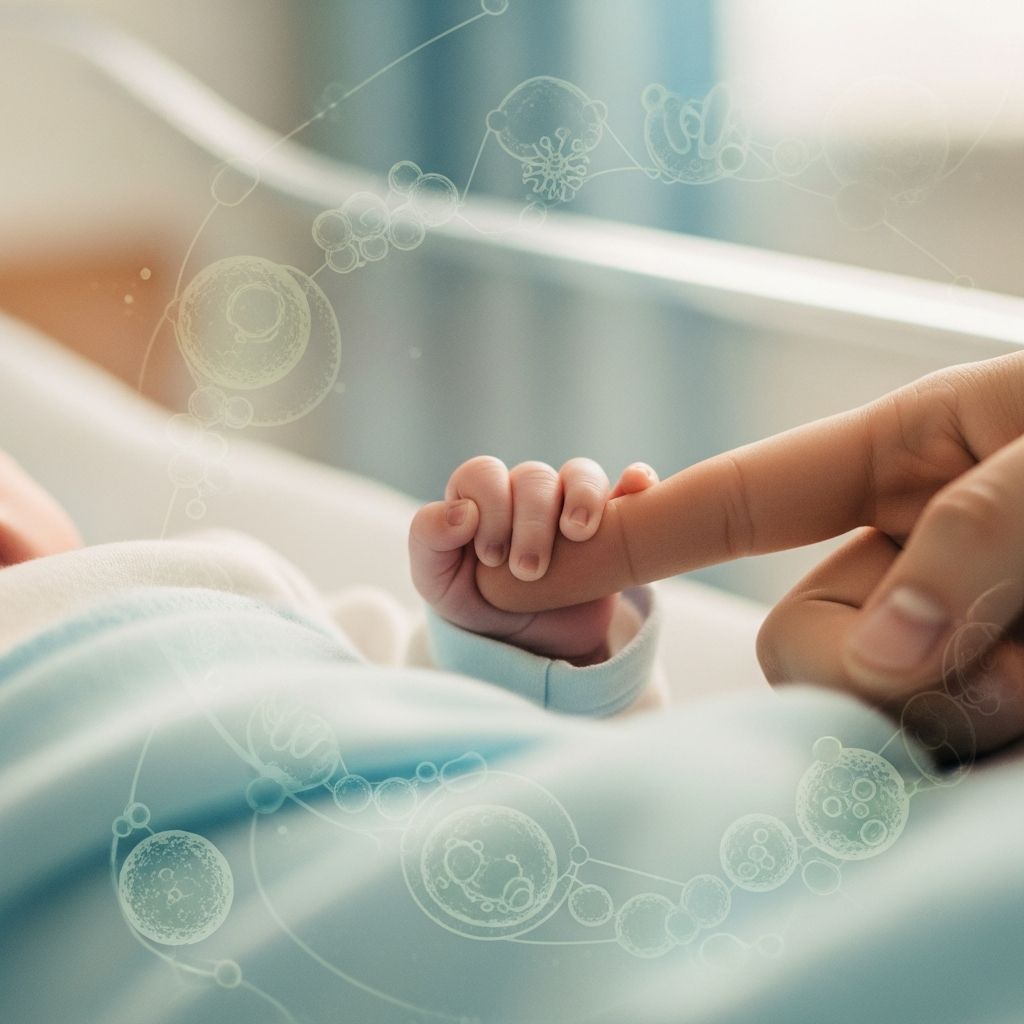
The journey of birth profoundly influences a newborn’s health, particularly through the establishment of their gut microbiome—the community of trillions of microorganisms living in the intestines. Babies born via cesarean section (C-section) experience a distinct microbial startup compared to those delivered vaginally, which can shape immune function, metabolism, and disease risk in early life. This article delves into the science behind these differences, their potential long-term effects, and practical steps parents can take to nurture a thriving microbiome.
Understanding the Newborn Gut Microbiome Foundation
From the moment of birth, a baby’s gut becomes colonized by bacteria essential for digestion, immune training, and overall development. Vaginally born infants pass through the mother’s birth canal, acquiring beneficial microbes like Bifidobacterium, Lactobacillus, and Bacteroides from vaginal and fecal sources. These microbes help break down breast milk sugars, produce vitamins, and modulate the immune system to distinguish friend from foe.
In contrast, C-section babies bypass this natural exposure. Instead, their first microbial contacts come from skin, air, and hospital environments, leading to a predominance of hospital-associated pathogens such as Enterococcus, Enterobacter, and Klebsiella. A comprehensive UCL-led study analyzing 596 British newborns found C-section infants had significantly fewer ‘good’ Bacteroides and more opportunistic pathogens in their early stool samples. This shift persists in the first weeks but begins to normalize as the baby interacts with the environment and diet.
Why Birth Mode Alters Microbial Colonization
The mechanism is straightforward yet impactful: vaginal delivery acts as a microbial ‘bath,’ transferring maternal bacteria directly to the baby’s skin, mouth, and gut. C-section interrupts this, exposing newborns primarily to maternal skin flora and hospital bacteria. Research from Nature confirms that by day 4, C-section babies show reduced maternal-derived microbes and elevated hospital strains, with genomic analysis revealing antimicrobial resistance factors in these pathogens.
Longitudinal sampling up to infancy reveals that while differences fade post-weaning, the initial seeding window is critical. A Dutch study of 120 mother-infant pairs tracked microbiomes across body sites, showing C-section babies derive more from breast milk (nearly 33% at two weeks) compared to 11% in vaginal births, indicating compensatory pathways. However, formula-fed C-section infants lag further, lacking milk’s microbial boost.
Potential Health Implications of Microbiome Disruptions
Altered microbiomes in C-section babies correlate with heightened risks for conditions like allergies, asthma, obesity, and autoimmune disorders. Vaginally born infants benefit from diverse microbes that train immunity; C-section babies’ hospital microbes may promote inflammation instead. Some studies hint at neurodevelopmental links, like advanced motor skills in seeded babies, though causation remains unproven.
Peer-reviewed comparisons show vaginally delivered neonates have higher gut diversity and abundance, with more E. coli and Bifidobacterium—key for immune maturation. A Wiley-published analysis emphasized cesarean neonates’ ‘limited’ microbiomes without intervention, underscoring diversity’s role in health. While long-term outcomes vary, early microbial deficits could influence lifelong wellness.
Interventions to Bridge the Microbial Gap
Parents aren’t powerless. Several strategies show promise in restoring balance:
- Vaginal Seeding: Swabbing C-section babies with maternal vaginal fluids immediately post-birth mimics vaginal exposure. A Southern Medical University trial with 68 infants found seeded babies had elevated Lactobacillus levels at six weeks, resembling vaginal birth microbiomes, with parents reporting better motor and communication milestones at 3-6 months. A PMC study echoed this, noting seeded CS neonates closely matched vaginal patterns, including Lactobacillus and Bacteroides. Safety requires screening for infections.
- Breastfeeding: Human milk delivers live probiotics and prebiotics. C-section breastfed babies compensate substantially, sourcing up to a third of their microbiome from milk, building robust gut communities. Exclusive formula feeding exacerbates deficits.
- Skin-to-Skin Contact and Environment: Immediate cuddling transfers skin microbes; a hygienic home fosters diverse exposure over sterile hospitals.
- Probiotics and Diet: Emerging evidence supports infant probiotics, though not a full substitute for natural seeding.
| Birth Method | Key Microbes Gained | Early Risks | Compensation Strategies |
|---|---|---|---|
| Vaginal | Bifidobacterium, Lactobacillus, Bacteroides | Lower pathogen load | Standard care |
| C-Section (Unseeded) | Enterococcus, Klebsiella | Reduced diversity, infection risk | Breastfeeding, probiotics |
| C-Section (Seeded) | Enhanced Lactobacillus, Bacteroides | Improved similarity to vaginal | Vaginal seeding + breastfeeding |
Current Research Landscape and Limitations
Studies like the Baby Biome project provide robust data via genome sequencing of 800+ strains, but gaps persist. UCL researchers note microbiomes converge post-weaning, questioning lasting impacts. Vaginal seeding trials are small; larger longitudinal studies are needed to confirm neurodevelopmental benefits and safety. Regulatory bodies urge caution, prioritizing vaginal births when possible.
Debates continue on causality—does microbiome drive disease risk, or are confounders like maternal health at play? High-quality RCTs and diverse cohorts will clarify. Meanwhile, evidence empowers informed choices: prioritize breastfeeding, consider seeding under medical guidance, and promote family microbiome sharing.
Frequently Asked Questions (FAQs)
What are the main microbiome differences in C-section babies?
C-section infants have fewer beneficial bacteria like Bacteroides and more hospital pathogens like Enterococcus, leading to lower diversity initially.
Is vaginal seeding safe and effective?
Small studies show it boosts key microbes and development, but exclude mothers with STIs and consult providers. Larger trials are ongoing.
Can breastfeeding fully compensate for C-section microbiome loss?
It significantly helps by providing milk microbes (up to 33% of gut flora), but doesn’t replicate all vaginal strains.
Do these differences persist lifelong?
They largely even out after weaning, but early patterns may influence immunity and metabolism.
Should I avoid C-section for microbiome reasons?
C-sections save lives; focus on post-birth strategies like seeding and nursing when medically safe.
Empowering Parents: Next Steps for Microbial Health
Every birth is unique, but knowledge equips parents. Discuss seeding with obstetricians, commit to breastfeeding, and embrace skin contact. Future research may yield tailored probiotics, but today’s evidence highlights birth’s microbial legacy. By fostering diversity early, we support babies’ lifelong health resilience.
(Word count: 1678)
References
- Babies born by C-section have different gut bacteria — UCL News. 2019-09-19. https://www.ucl.ac.uk/news/2019/sep/babies-born-c-section-have-different-gut-bacteria
- Swabbing C-section babies with mom’s microbes can restore healthy bacteria — Science.org. 2023-03-08. https://www.science.org/content/article/swabbing-c-section-babies-mom-s-microbes-can-restore-healthy-bacteria
- How Babies Born By C-Section Make Up for Lost Microbes — TIME. 2023-03-08. https://time.com/6261473/c-section-babies-breastfeeding-microbes/
- A pediatrician’s perspective on c-section births and the gut microbiome — ISAPP Science. N/A. https://isappscience.org/a-pediatricians-perspective-on-c-section-births-and-the-gut-microbiome/
- Comparison of Gut Microbiome in Neonates Born by Caesarean Section with Vaginal Seeding vs Neonates Born Vaginally — PMC (NCBI). 2023-10-01. https://pmc.ncbi.nlm.nih.gov/articles/PMC10545928/
- Comparison of Gut Microbiomes Between Neonates Born by Vaginal Delivery and Cesarean Delivery: A Systematic Review — Wiley Online Library (BMRI). 2016-12-25. https://onlinelibrary.wiley.com/doi/full/10.1155/bmri/8302361