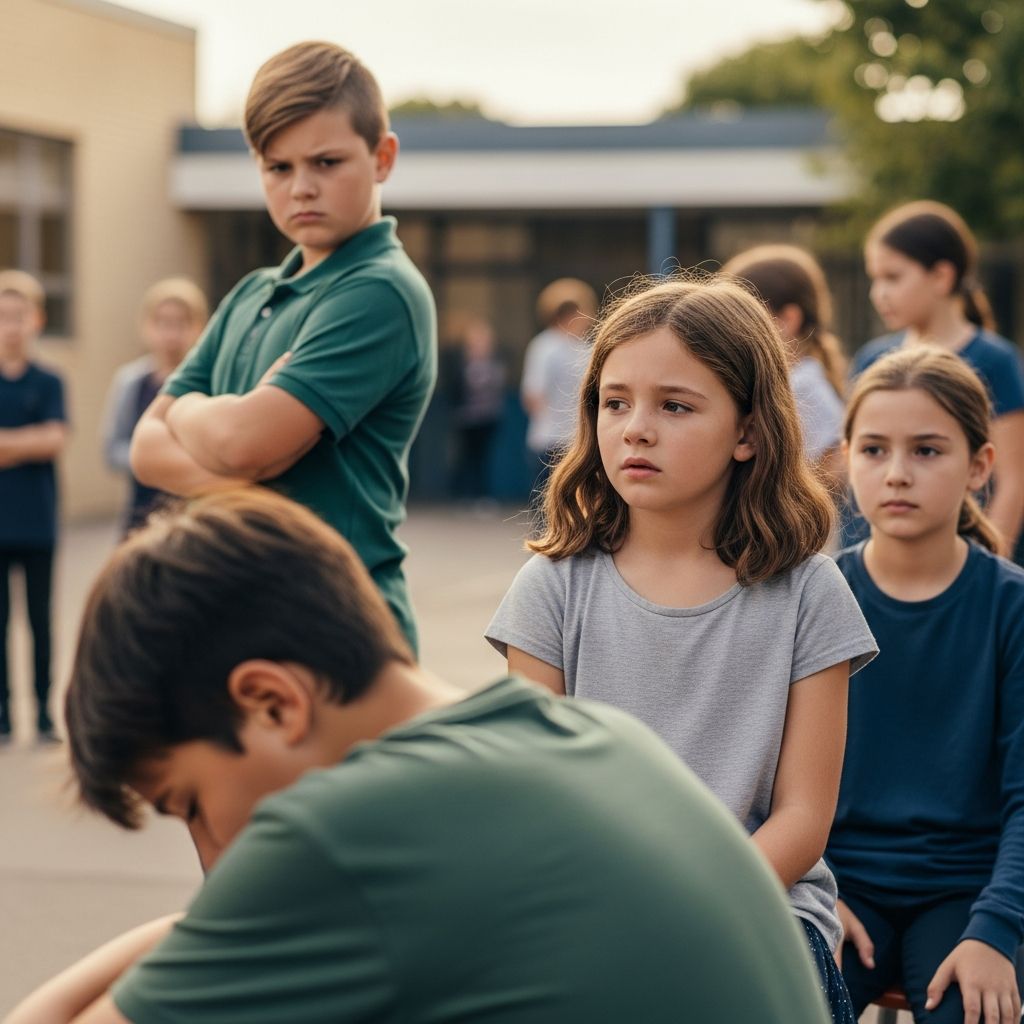
Bullying affects not only direct victims but entire school ecosystems, making it a shared parental responsibility to intervene proactively. High-quality research from sources like the National Institutes of Health (NIH) and Centers for Disease Control and Prevention (CDC) shows that comprehensive prevention reduces incidents across all roles—victims, perpetrators, and bystanders.
The Far-Reaching Consequences of Bullying in Schools
Bullying creates a ripple effect that undermines school safety and student well-being for everyone involved. Victims suffer emotional distress, while bystanders experience anxiety from witnessing harm, and even those engaging in bullying face long-term risks like antisocial behavior. According to CDC data, youth can simultaneously perpetrate and experience bullying, blurring lines and amplifying community-wide trauma.
Schools with unchecked bullying see eroded trust and poorer academic performance. NIH studies highlight how universal interventions improve overall climate, benefiting staff and students alike by fostering positive relationships. Ignoring this dynamic leaves no child untouched, as fear permeates classrooms and playgrounds.
Understanding Roles: Victims, Bullies, and Crucial Bystanders
Every child fits into bullying dynamics as a victim, bully, or bystander—and often multiple roles. Bystanders, who witness 85-90% of incidents, hold power to disrupt patterns through intervention. Teaching empathy equips them to act, reducing future occurrences by over 50% per research on peer-led efforts.
- Victims: Face heightened risks of mental health issues, requiring supportive recovery.
- Bullies: Need targeted skill-building to address underlying aggression drivers.
- Bystanders: Can shift culture by speaking up safely, turning passive observation into active allyship.
Parents must discuss these roles openly, helping children recognize their influence regardless of personal involvement.
Evidence-Based Prevention: A Tiered Approach for Schools
Effective anti-bullying strategies follow a tiered model, starting with broad universal efforts and escalating to individualized support. Tier 1 includes classroom lessons on social-emotional learning and clear behavioral expectations, proven to enhance school climate.
| Tier | Focus | Key Strategies | Outcomes |
|---|---|---|---|
| Tier 1 (Universal) | All students | Social-emotional lessons, teacher modeling, classroom discussions | Improved climate, reduced incidents |
| Tier 2 (Targeted) | At-risk youth | Skills training, increased supervision, feedback | Behavior correction for non-responders |
| Tier 3 (Intensive) | Persistent cases | Individual plans, family involvement, mental health support | Comprehensive recovery and prevention |
Programs like Positive Behavior Interventions and Supports (PBIS) integrate these tiers, teaching routines to identify and stop inappropriate actions universally. European whole-school models, such as those inspired by Olweus, show stronger results in relational climates.
Empowering Bystanders: From Witnesses to Upstanders
Transforming bystanders into upstanders is pivotal, as peer intervention prevents escalation outside adult view. CDC emphasizes upstanders who safely interrupt or seek help, creating safer spaces. Training includes role-playing de-escalation and reporting, building confidence cycles.
Research from PolicyLab at CHOP stresses equipping all students with peer relationship skills, not just victims or bullies. Schools succeeding here involve lunchroom staff and playground monitors via targeted training.
Parental Strategies: Building Connections at Home and School
Parents drive change by modeling kindness and maintaining open dialogues. CDC recommends frequent check-ins, encouraging hobbies for confidence, and discussing bullying definitions.
- Discuss trusted adults for reporting subtle signs.
- Foster empathy through diverse friendships.
- Volunteer in school events to strengthen community ties.
- Advocate for professional development on detection.
Connecting via clubs or sports builds inclusive networks, countering isolation. For healing, link to mental health resources addressing bullying’s multifaceted trauma.
School-Wide Initiatives: Creating a Culture of Safety
Successful programs engage all stakeholders—teachers, parents, and students—in climate improvement. NIH notes secondary benefits like better teacher perceptions from social-emotional training. Guidelines for digital media use prevent cyberbullying overlaps, affecting 15% of in-person cases.
Encourage parent-teacher groups and booster clubs for anti-bullying events. PBIS redefines bullying within broader behavior frameworks, ensuring routines for help-seeking.
Addressing Bullies: Rehabilitation Over Punishment Alone
Punishment must pair with interventions targeting root causes like poor coping skills. Tier 2 offers social skills and supervision; Tier 3 provides wraparound support. Evidence shows competence-building reduces perpetration indirectly.
Parents of potential bullies should monitor for at-risk signs and seek early education, preventing escalation.
Frequently Asked Questions (FAQs)
What if my child witnesses bullying but isn’t involved?
Encourage safe upstander actions like distracting or reporting to adults—peer intervention cuts incidents by 50%.
How can parents influence school policies?
Join PTAs, volunteer, and push for evidence-based training like PBIS.
Does bullying only affect victims?
No—bystanders and bullies face anxiety, aggression risks, impacting whole schools.
What home discussions prevent bullying?
Talk about empathy, kindness, and safe reporting; model respect daily.
Are online bullying rules needed?
Yes, universal digital guidelines reduce cyber overlaps with in-person harm.
Long-Term Benefits of Collective Action
National prevention investments yield broad outcomes beyond bullying, like better self-regulation. Inclusive communities thrive when parents prioritize empathy over indifference, ensuring no child navigates toxicity alone.
References
- Preventive Interventions – Preventing Bullying Through Science, Policy, and Practice — National Center for Biotechnology Information (NCBI), National Institutes of Health (NIH). 2016. https://www.ncbi.nlm.nih.gov/books/NBK390407/
- Bullying Prevention: How Connection, Empathy and Action Can Make an Impact — KVC Health Systems. 2023. https://www.kvc.org/blog/bullying-prevention-how-connection-empathy-and-action-can-make-an-impact/
- Key Considerations for Bullying Prevention Guide — National Center for School Safety (NC2S). 2023-12. https://www.nc2s.org/wp-content/uploads/2023/12/Key-Considerations-for-Bullying-Prevention-Guide.pdf
- Center on PBIS | Bullying Prevention — Positive Behavioral Interventions & Supports (PBIS). Accessed 2026. https://www.pbis.org/topics/bullying-prevention
- Bullying | Youth Violence Prevention — Centers for Disease Control and Prevention (CDC). Accessed 2026. https://www.cdc.gov/youth-violence/about/about-bullying.html
- Bullying Prevention in Schools: Equipping Students & Adults with Evidence-Based Tools — PolicyLab at Children’s Hospital of Philadelphia (CHOP). Accessed 2026. https://policylab.chop.edu/blog/bullying-prevention-schools-equipping-students-adults-evidence-based-tools
- How to Prevent Bullying — StopBullying.gov. Accessed 2026. https://www.stopbullying.gov/prevention/how-to-prevent-bullying