Designing a nursery doesn’t require a fortune. With thoughtful planning and creative choices, parents can build a functional, beautiful space for their baby that grows with the family. This guide draws from proven strategies to help you prioritize essentials, maximize value, and infuse personality without excess spending.
Start with a Solid Plan: Define Your Needs and Limits
The foundation of any successful nursery project is a clear blueprint. Begin by listing must-haves like a safe crib, changing area, storage, and comfortable seating. Experts recommend allocating funds wisely: aim for 50-60% on furniture, 20% on bedding and safety items, and the rest for decor and lighting.
Set a realistic total budget, typically $1,000 to $2,000 for a complete room, adjusting based on your situation. Research costs for key pieces upfront, including taxes and delivery, to avoid surprises. Prioritize versatility—items that adapt from newborn to toddler stages save money long-term.
- Essential checklist: Crib (convertible preferred), mattress, dresser (doubles as changer), rocker or glider, blackout curtains, nightlight.
- Budget breakdown example:
| Category | Estimated Cost | Tips |
|---|---|---|
| Furniture | $600-1,200 | Opt for multi-use pieces |
| Bedding & Safety | $200-400 | Minimal layers for SIDS safety |
| Decor & Lighting | $200-400 | DIY and thrift focus |
This structured approach ensures every dollar counts, creating a serene environment tailored to your baby’s early months.
Color and Walls: Transform Space for Pennies
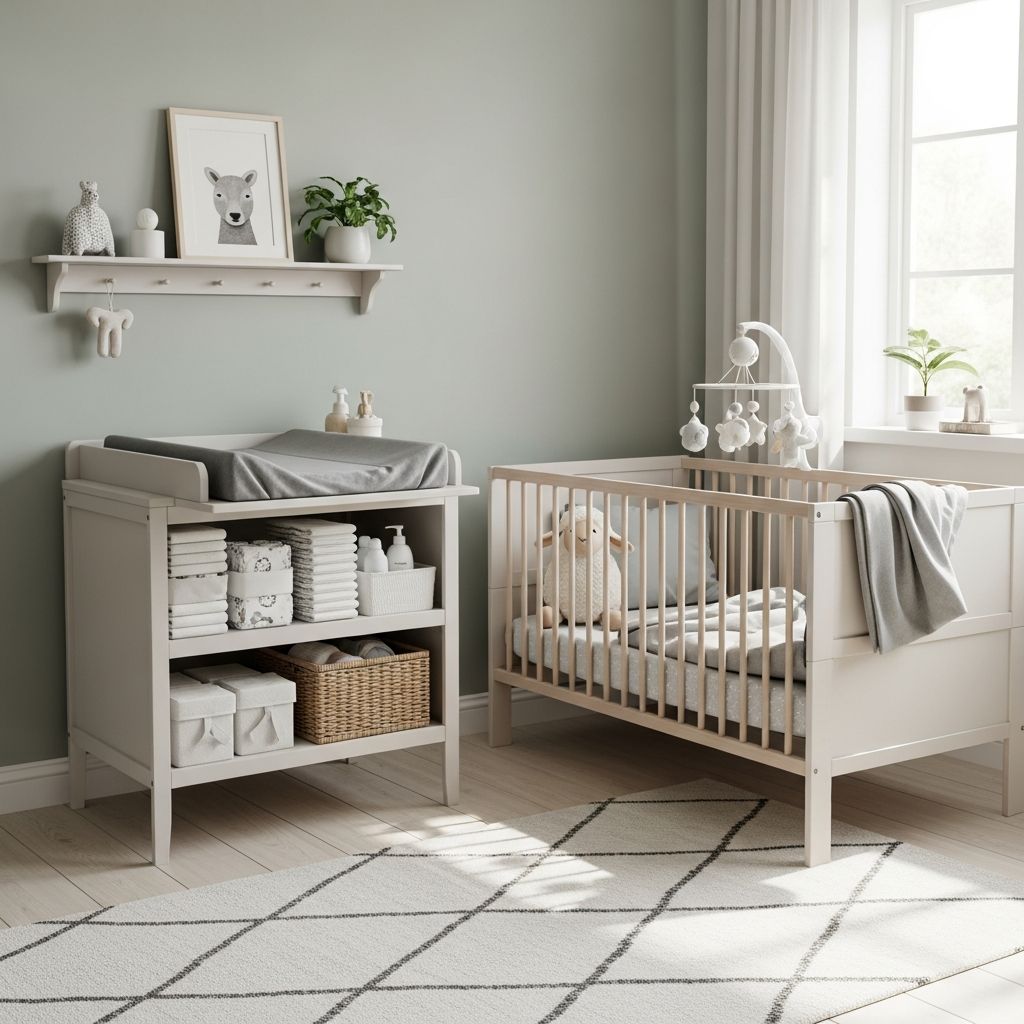
Fresh walls set the room’s mood at minimal cost. A single coat of non-toxic, low-VOC paint in soft pastels or neutrals like sage green or pale blue promotes calm and costs under $100 for DIY. Skip full wallpaper; instead, paint one accent wall or use removable decals for whimsy.
Designers favor light, airy hues that reflect natural light, making small rooms feel larger. Test samples in the space to see how they shift with daylight. For texture without expense, add peel-and-stick borders or stenciled patterns—perfect for personalization.
- Pro tip: Use leftover household paint if safe, or buy sample pots for custom murals.
- Avoid dark colors initially; they can overwhelm and show stains easily.
These updates instantly refresh the room, providing a soothing backdrop for baby and parents alike.
Furniture Essentials: Invest Smartly in Longevity
Focus on durable, adaptable furniture over trendy pieces. A convertible crib grows from bassinet to full bed, offering years of use and meeting safety standards. Pair it with a sturdy dresser topped with a changing pad—far cheaper than dedicated changers.
Repurpose existing items: sand and repaint a family heirloom dresser, or swap hardware on an old nightstand for a modern look. Gliders needn’t be pricey; thrift stores yield gems for under $50 with cleaning.
Key safety notes: Ensure crib slats are under 2 3/8 inches apart, no drop sides, and firm mattress fit. Multifunctional rockers with storage ottomans double utility.
DIY Decor: Add Heart and Savings
Handmade elements bring uniqueness at low cost. Craft wall art from canvas and acrylics—paint names, abstracts, or nature motifs. DIY mobiles from ribbons, felt shapes, or securely hung paper cutouts dangle safely above reach.
Upcycle jars into lampshades or shelves from scrap wood. Fabric scraps sewn into quilts or curtains add warmth. These projects not only cut costs but create cherished memories, turning the nursery into a family story.
- Easy starters: Stenciled quotes, no-sew curtains from flat sheets, pom-pom garlands.
- Budget win: $20 in supplies yields gallery walls rivaling boutiques.
Thrift and Secondhand: Treasure Hunts for Quality
Marketplaces like Facebook Marketplace, Craigslist, or local consignment yield 70-80% savings on gently used furniture. Hunt for solid wood cribs, dressers, and rockers; inspect for safety certifications and stability.
Family hand-me-downs shine when refreshed—new knobs, paint, or cushions breathe life. Combine with affordable new accents like budget bedding sets for balance. This method supports sustainability while fitting tight wallets.
Storage and Organization: Keep It Tidy and Accessible
Clutter disrupts peace, so integrate smart storage. Over-door pockets hold diapers; floating shelves display books and toys. Baskets under dressers corral clothes.
Vertical space maximizes small rooms: tension rods in closets create dividers. Label bins for easy access during night changes. Multifunctional ottomans hide remotes and blankets.
- Cost-saver: Fabric bins ($10 each) vs. custom cabinetry.
Bedding and Textiles: Safe, Simple, Stylish
Stick to basics for safety: fitted sheet, light swaddle, and waterproof pad. Layer minimally to reduce SIDS risk. Neutral tones allow gender flexibility and easy updates.
Area rugs define play zones softly, cheaper than wall-to-wall. Blackout curtains ($20-50) aid sleep; sheer voiles soften light. Thrift throws add coziness.
Lighting and Ambiance: Gentle Glow on a Dime
Layer lighting: overhead fixtures, table lamps, and plug-ins. Dimmable LEDs mimic daylight cycles, supporting circadian rhythms. String lights or fairy strands add magic safely plugged high.
Natural elements like potted greens purify air affordably. Mirrors expand space visually.
Finishing Touches: Personalize Without Excess
Incorporate baby’s monogram via embroidery or vinyl. Growth charts painted on walls track milestones. Sound machines and white noise apps enhance sleep gratis.
A minimalist ethos—quality over quantity—fosters calm. Strategic splurges, like one heirloom rocker, elevate the rest.
Sample Budget Comparison Table
| Approach | Total Cost | Key Savings |
|---|---|---|
| All New | $2,500+ | – |
| Mixed Thrift/DIY | $800-1,200 | 60% less on furniture |
| Full Repurpose | $400-800 | 80% savings via upcycles |
Frequently Asked Questions
What is the average cost of a budget nursery?
A functional nursery typically ranges from $1,000-$2,000, covering essentials with smart choices.
Are secondhand cribs safe?
Yes, if they meet current CPSC standards—no drop sides, proper slat spacing. Inspect thoroughly.
How can I make a small nursery feel bigger?
Use light colors, mirrors, minimal furniture, and vertical storage to enhance space perception.
What’s the best paint for nurseries?
Non-toxic, zero-VOC in soft neutrals or pastels for safety and calm.
Do I need a dedicated changing table?
No—use a dresser with pad for dual purpose and longevity.
References
- 11 DIY Nursery Ideas for Creating a Budget-Friendly Baby Room — Extra Space Storage. 2023-05-15. https://www.extraspace.com/blog/home-organization/budget-friendly-baby-room-ideas/
- 8 Budget-Friendly Nursery Ideas That Won’t Compromise Style — Levtex Home. 2024-02-20. https://levtexhome.com/blogs/news/budget-friendly-nursery
- How to Create a Welcoming Baby Nursery on a Tight Budget — Frugal and Thriving. 2023-11-10. https://www.frugalandthriving.com.au/budget-baby-nursery/
- 11 Ways to Save Money on Nursery Design — Babylist. 2024-08-05. https://www.babylist.com/hello-baby/nursery-money-saving-tips
- Woodland Nursery Makeover on a Budget — Our Upcycled Life (YouTube). 2023-03-12. https://www.youtube.com/watch?v=58ss8t-l4kA