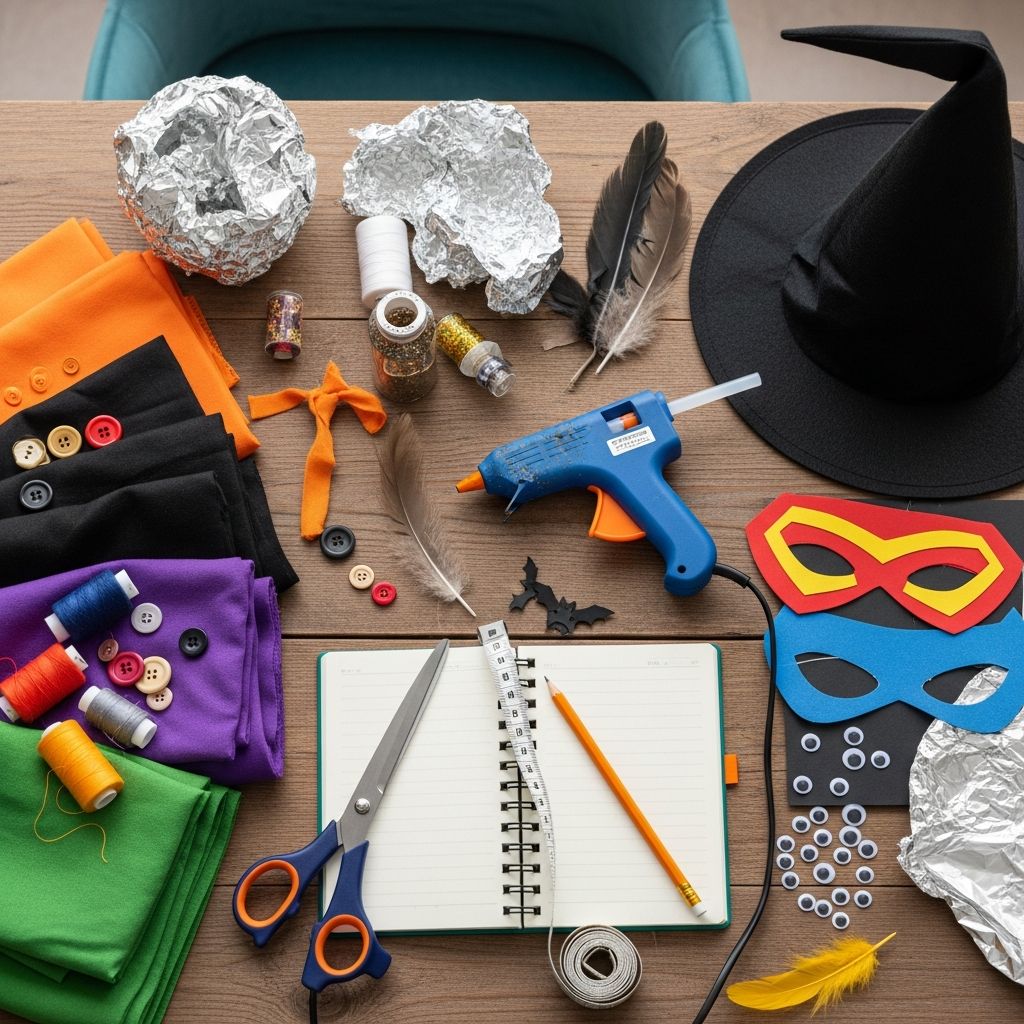
Halloween does not need a big-box shopping spree to feel special. With a little imagination, a glue stick, and the contents of your closet, you can create clever costumes that cost next to nothing, fit comfortably, and still stand out at any party or neighborhood parade.
Why Cheap Costumes Can Be the Most Creative
When the costume budget is small, creativity has to work harder, and that is often where the most memorable ideas come from. Instead of buying a ready-made character, you are free to play with puns, mix-and-match outfits, and personalize every detail for your family.
Homemade costumes also feel more relaxed: they can be adjusted to your child’s sensory needs, layered for the weather, and repaired in seconds with a safety pin or a strip of tape. The result is a costume that tells a story about your sense of humor, not your receipt total.
Smart Planning Before You Start Cutting
Before pulling out scissors or craft supplies, take a few minutes to plan. Good preparation prevents last-minute panic and reduces the temptation to overspend at the store when you are tired and out of time.
- Set a clear spending cap for the entire family so you know when to stop buying extras.
- Check the weather forecast and plan layers, coats, or umbrellas into the costume concept.
- Decide whether walking comfort or photo impact matters more, then design around that priority.
- Ask kids to choose one key detail they care about (a crown, a cape, a tail) and simplify everything else.
Treasure Hunt in Your Own Home
The cheapest costume pieces are the ones you already own. Treat your home like a costume shop and do a scavenger hunt in every room before buying anything new.
- Closets: Old work uniforms, sports jerseys, graduation robes, hats, scarves, and costume jewelry.
- Kitchen: Aprons, spatulas, colanders, oven mitts, aluminum foil, and cardboard food boxes.
- Bathroom: Towels, bathrobes, hair rollers, shower caps, empty product bottles (washed, of course).
- Office or school area: Cardboard, markers, sticky notes, printer paper, and highlighters.
- Tool area or garage: Safety vests, work gloves, cardboard scraps, and empty paint buckets.
Lay everything on a bed or table and start grouping items that seem to tell a story together. Often the best idea appears when you notice that a random hat, a graphic T-shirt, and a colander accidentally form a character or visual joke.
Easy Costume Formulas That Always Work
Instead of hunting for one perfect idea, think in loose “formulas” that you can adapt to whatever you find at home. These basic patterns can be customized for adults, kids, or even pets.
1. The Pun-Based Outfit
Pun costumes are perfect for thrifty people because almost anything can be transformed into a joke with one or two clever props. The key is making the wordplay easy to recognize, even for people who only see you for a few seconds.
- Start with regular clothes you are comfortable wearing.
- Add one or two objects that hint at a phrase, song title, or common expression.
- Use a simple paper sign or name tag to help people “get it” quickly.
2. The Color-Themed Character
Pick one strong color and build a character around it. This method works especially well when your closet is full of basics in the same shade but you do not want to look plain.
- Choose a single color (all red, all green, all black-and-white).
- Layer shirts, leggings, hats, socks, and scarves in that color family.
- Create one bold accessory from cardboard or felt that announces the theme, like a giant fruit leaf or a cartoon symbol.
3. The Object Costume
Turning a person into an everyday object always gets laughs, and it rarely requires sewing. Cardboard, tape, and markers can convert any child or adult into something recognizable, from a snack to a household appliance.
- Sketch a simple shape of the object on cardboard and cut two identical pieces.
- Paint or color them and attach shoelaces or ribbon straps over the shoulders.
- Wear neutral clothes underneath so the object shape stands out clearly.
Budget Costume Ideas for All Ages
The following ideas use the formulas above but provide specific inspiration for different ages and comfort levels. Each concept is flexible; swap colors, props, or jokes to suit your personality and whatever you have on hand.
Clever Adult Costumes Under a Few Dollars
- “Error 404: Costume Not Found” – Wear normal clothes and tape a sheet of paper to your shirt with the phrase written in large letters. Add slightly messy hair or smudged eyeliner for “system malfunction” energy.
- Ceiling Fan – Wear a T-shirt that you write “Go Ceilings!” on with marker and carry a homemade paper megaphone. Spend the night cheering for actual ceilings whenever anyone points up.
- Social Butterfly – Dress nicely, tape printed or hand-drawn app icons (or simple “like” symbols) to your outfit, and wear paper wings made from cardboard or poster board.
- Rainy Day in the Office – Combine business clothes with an umbrella, slightly smeared mascara, and sticky notes attached to your briefcase or laptop bag with dramatic “urgent” messages.
Fun, Comfy Kids’ Costumes
- Walking Art Project – Dress your child in solid-color clothes and tape their own drawings all over. Add a cardboard “museum label” with their name as the artist.
- Storybook Night – Pajamas, slippers, a bathrobe, and a stuffed animal make an easy costume. Let them carry a favorite book and call them “the main character at bedtime.”
- Recycling Superhero – Use a towel or pillowcase as a cape, tape clean cans and cardboard shapes to it, and draw a large recycling symbol on the back with marker.
- Mini Tourist – Shorts, a bright T-shirt, socks with sandals, sunglasses, a floppy hat, and a homemade cardboard camera. Add a folded map made from scrap paper with scribbled “landmarks.”
Last-Minute Ideas for Two or More People
- Group of Exclamation Points – Everyone wears all black and makes a large colored exclamation mark from cardboard to hang on their chest. One person wears a round cardboard “dot” on a belt or skirt.
- Breakfast Plate – One person is “eggs” in a yellow shirt with white paper circles taped on, another is “toast” with brown cardboard rectangles, and a third is “bacon” with red clothing and wavy paper stripes.
- Weather Forecast – One friend dresses as a cloud (gray hoodie with cotton balls), one as sunshine (yellow outfit with cardboard rays), and one as rain (blue clothes with paper raindrops). Together you form the daily forecast.
Cost-Saving Tricks: Where to Spend and Where to Save
Not every part of a costume needs to be top quality. Focus your limited budget on the elements that make the biggest visual impact and cut corners on the rest. The table below can help you prioritize.
| Item Type | Worth Spending a Little | Best for Cheap DIY | Quick Ideas |
|---|---|---|---|
| Footwear | Comfortable shoes so you can walk safely all night. | Fancy boots or themed shoes can be faked with colored tape or fabric scraps. | Wrap old sneakers in colored duct tape or tie ribbons around ankles. |
| Warm Layers | Quality base layers or thermal shirts for cold climates. | Capes, cloaks, or oversized coats made from old blankets or bedsheets. | Turn a dark blanket into a dramatic cloak with two simple safety pins. |
| Face & Body Paint | Hypoallergenic products if you have sensitive skin. | Simple shapes and accents using makeup you already own. | Use eyeliner for whiskers, scars, or drawn-on glasses. |
| Props | Sturdy items for toddlers or outdoor events where things get dropped. | Nearly everything else: foam swords, wands, food items, or giant signs from cardboard. | Stuff a paper towel tube with newspaper for a lightweight magic wand or staff. |
| Headwear | A warm hat if the night will be very cold. | Most novelty hats and headbands created from cardboard and tape. | Attach ears, antennae, or halos to a basic headband with hot glue or twist ties. |
Making Costumes Comfortable and Safe
Low-cost should not mean low-safety. A simple costume that keeps everyone warm and visible is better than an elaborate outfit that trips kids or blocks their eyesight. Comfort also keeps the evening fun, especially for younger children or people with sensory sensitivities.
- Keep masks optional and avoid covering the eyes completely; use face paint for the same effect when possible.
- Check that long capes, tails, or cardboard panels do not drag on the ground or catch on stairs.
- Add reflective tape or glow sticks to dark outfits if you will be out after sunset.
- Choose lightweight materials so kids can run, climb porch steps, and sit in the car without frustration.
Simple DIY Techniques That Anyone Can Use
You do not need advanced sewing skills to make a playful costume. A handful of no-sew tricks can hold most outfits together for a full night of candy collecting and photos.
- Safety pins and binder clips: Temporarily adjust lengths, gather fabric, or attach signs and props.
- Fabric glue or hot glue: Secure embellishments like felt shapes, cardboard, or ribbon without stitching.
- Iron-on adhesive tape: Create simple hems or attach patches with just an iron and a few minutes.
- Elastic bands and ribbon: Make quick belts, arm bands, and straps for wings or cardboard panels.
When crafting with kids, let them help with safe steps like drawing, coloring cardboard shapes, or choosing stickers. Their sense of ownership makes the costume more special than anything purchased in plastic packaging.
Extra Touches to Make Cheap Costumes Look Polished
Even if a costume cost only a few coins, small details can make it look thoughtful and intentional. A coordinated color scheme or one dramatic accessory often matters more than a pile of random props.
- Stick to two or three colors per costume so the eye knows where to look.
- Add one high-impact element like oversized cardboard wings, a giant hat, or a bold paper collar.
- Coordinate the whole family: different shades of one color, or all matching a shared theme like “comic book sound effects.”
- Practice a signature pose or catchphrase that matches your character for photos.
Frequently Asked Questions About Budget Halloween Costumes
How soon before Halloween should I start a DIY costume?
For a simple cardboard or pun-based costume, a single afternoon is usually enough, especially if you already have most of the materials at home. For more elaborate outfits, starting one to two weeks ahead gives you time to hunt through closets, adjust plans, and solve any last-minute comfort or weather issues.
What if my child changes their mind at the last minute?
Build costumes with reusable basics such as plain T-shirts, leggings, and capes so they can quickly transform into a new character. Keep a small stash of flexible props—like generic crowns, cardboard signs, and animal ears—that can shift the theme without redoing the entire outfit.
Are cardboard costumes durable enough for trick-or-treating?
Cardboard holds up surprisingly well if you avoid making pieces too large or heavy, and if you reinforce stress points with tape on both sides. If rain is likely, wear a clear poncho over the costume or design the cardboard elements so they can detach and be carried indoors between stops.
How do I make cheap costumes look good in photos?
Good lighting and simple backgrounds do a lot of the work, even for the most inexpensive outfits. Stand near a porch light, window, or lamp, avoid busy cluttered areas, and encourage your family to lean into the character with expressive poses and faces.
What if I truly have no extra budget at all?
When money is extremely tight, focus on playful names for outfits built entirely from everyday clothing. A slightly mismatched outfit, a homemade paper badge, and a big sense of humor can turn a regular sweater into the centerpiece of a character like “World’s Sleepiest Superhero” or “Official Snack Inspector.”
Great costumes do not come from price tags; they come from imagination, resourcefulness, and a willingness to laugh at the results. With some cardboard, markers, and whatever you discover in your own home, your next Halloween can be both budget-friendly and unforgettable.