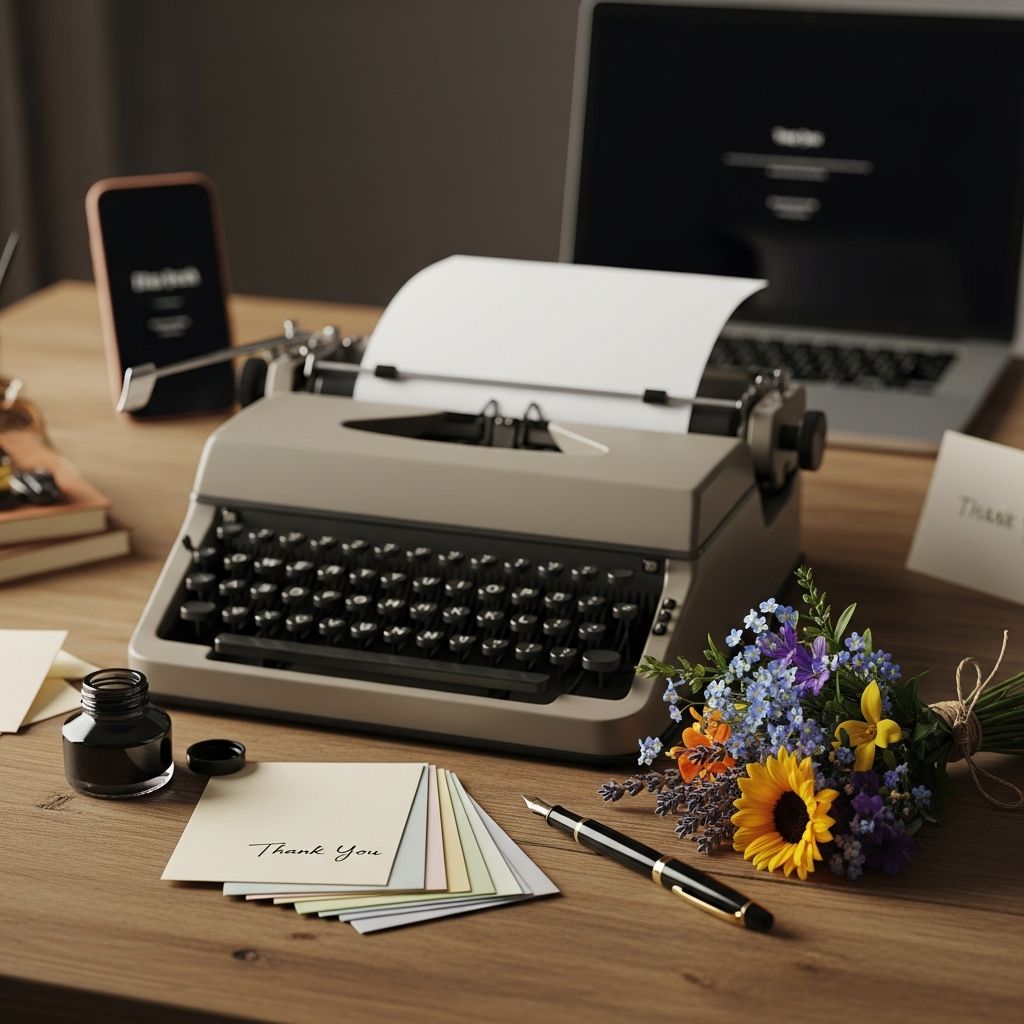
Thank-you notes sound simple: someone does something kind, you say thanks. Yet many people freeze the moment a blank card or email cursor appears. This guide breaks down the process so you can express real gratitude without feeling fake, awkward, or overwhelmed.
Why Thank-You Notes Feel So Much Harder Than They Should
Feeling anxious about thank-you notes is more common than most people admit. The pressure to sound sincere, polished, and unique can turn a small task into a source of serious stress. When we care about the relationship, we often care too much about getting the words “right,” and that anxiety can lead to procrastination or avoidance.
The good news: gratitude is almost impossible to “mess up” when it is honest. Most recipients are moved simply by the fact that you took the time to acknowledge their effort. Once you lower the stakes and adopt a simple structure, writing notes can even feel grounding and enjoyable.
The Core Purpose of a Thank-You Note
A thank-you note is not a writing contest entry or a test of your vocabulary. Its core purpose is to do three things clearly and kindly:
- Recognize what the other person gave, did, or sacrificed.
- Show that their effort or gift mattered to you personally.
- Strengthen the connection between you by closing the loop with gratitude.
Once you focus on these three goals instead of perfection, the pressure shifts from “I must be impressive” to “I want to be appreciative.” That small mindset change can make a big difference in how easy the words come.
A Simple, Reusable Formula for Any Thank-You Note
Every thank-you note, no matter how fancy the stationery or formal the occasion, can follow a basic template. You can adapt the tone from playful to professional, but the structure stays the same.
Step-by-step structure
- Greeting: Use the person’s name and match the formality of your relationship.
- Direct thanks: Name the gift, favor, or gesture clearly.
- Specific detail: Mention how you felt, how you’ll use it, or what stood out.
- Relationship note: Refer briefly to the connection or what you value about them.
- Warm closing: End with a sign-off that feels natural to you.
You can adjust the length. For quick situations, one or two concise sentences may be enough. For major life events, add a bit more detail, but avoid turning the note into a full essay.
Choosing the Right Format: Handwritten, Email, Text, or Gift Message?
Not every situation requires layered stationery and a fountain pen. The right format depends on the context, your relationship, and the effort involved in what you’re thanking them for. Using a more casual channel does not mean your gratitude is less real; it just needs to match the occasion.
| Format | Best For | Pros | Watch Out For |
|---|---|---|---|
| Handwritten card | Weddings, big favors, hospitality, milestones | Feels thoughtful, keepsake-worthy, stands out | Takes more time; needs correct address and postage |
| Job interviews, networking, professional favors | Fast, searchable, appropriate for work contexts | Can feel generic if you copy-paste the same text | |
| Text message | Casual favors, rides, quick help from friends | Immediate, low pressure, great for same-day thanks | Easy to be too brief; add at least one specific detail |
| Gift platform message | Online gifts, group gifts where details are limited | Convenient, ensures the giver gets a response | Often short space; consider following up later for bigger gifts |
How Long Is Too Long? Getting the Length Right
Overthinking length is one of the biggest causes of procrastination. Many people feel guilty if their notes are short, so they postpone writing until they “have time” to draft something longer and more poetic. That extra pressure can mean the note never gets written at all.
A good rule of thumb: aim for three to six sentences for most situations. For very small favors, two heartfelt sentences are completely fine. For major events like weddings or graduations, a short paragraph or two is enough; the goal is to sound genuine, not grandiose.
What to Say in Common Real-Life Situations
Different situations call for slightly different emphases. Here are practical prompts and wording ideas you can adapt, rather than copy, into your own voice.
Gifts you genuinely love
- Start by naming the gift and your honest reaction to it.
- Picture how, where, or when you’ll use it and mention that specifically.
- Connect the gift to the giver’s thoughtfulness or your relationship.
Gifts you are not thrilled about
It is completely normal not to adore every gift, but your note should still focus on kindness. Instead of forcing over-the-top praise, emphasize the gesture and their effort more than the item itself.
- Thank them warmly for thinking of you.
- Mention a neutral or practical detail, such as the occasion or timing.
- Highlight that their presence or support meant a lot, not just the object.
Money or gift cards
- Specify how you plan to use the money or card, even in general terms.
- Connect it to a goal or need (e.g., setting up a new home, further study, travel).
- Acknowledge that the flexibility of their gift is truly helpful.
Experiences, favors, and support
Not all thank-you notes are about objects. Often the most meaningful ones recognize emotional support, time, or advocacy.
- Describe one specific thing they did that made a difference.
- Share briefly how you felt before and after their help.
- Let them know you don’t take their time or effort for granted.
Timing: How Late Is Too Late to Say Thank You?
Perfectionism around timing is another common trap. You might think, “It’s been too long, sending a note now will look weird,” and then decide it is better to say nothing. In reality, most people are pleasantly surprised to receive a thank-you even months later.
When you are behind, briefly acknowledge the delay without dwelling on guilt. A single line such as “I’ve been meaning to tell you” or “This note is overdue” is plenty. Then move on to sincere appreciation and, if relevant, a short update on how their gift or support has helped you.
Overcoming Common Thank-You Note Anxiety Traps
If writing thank-you notes reliably sends you into a spiral of avoidance, it helps to name the specific mental traps that derail you. Once you can see the patterns, you can choose simple counter-moves instead of waiting for motivation to magically appear.
- Trap: “It has to sound perfect.”
Counter-move: Aim for warm and clear, not poetic. Imagine how you would say it out loud to the person and write that down. - Trap: “I have too many to write, so I’ll start later.”
Counter-move: Set a timer for 10–15 minutes and commit to finishing just two or three. Small batches beat giant, dreaded marathons. - Trap: “I don’t know them well enough to write anything personal.”
Counter-move: Focus on the occasion, the specific gift, and the fact they made the effort to be part of your moment. - Trap: “I feel guilty it’s so late.”
Counter-move: Name the delay in one line, then shift to gratitude. Late and sincere always beats silent and ashamed.
Practical Habits That Make Thank-You Notes Easier
Instead of treating each note as an isolated challenge, build small systems that make expressing gratitude routine. This removes a lot of the emotional friction and mental load.
- Keep a small stash of blank cards, stamps, and pens in one easy-to-reach place.
- Maintain a running list (paper or digital) of people you want to thank and what for.
- Block a recurring 15–20 minute “gratitude session” once a week or once a month.
- Use a flexible template you tweak for each person instead of starting from scratch.
- For big events, jot notes during or right after (who gave what, who helped how) so you aren’t guessing later.
Balancing Authenticity and Etiquette
Etiquette around thank-you notes exists to protect feelings and maintain respect, not to trap you in rules. Formal phrasing can be useful in certain contexts, but you do not have to sound stiff or old-fashioned for your gratitude to “count.” Your actual personality is an asset, not something to hide.
As you write, imagine you are talking to the person across a table. If a phrase is something you would never say out loud, adjust it to sound more like you. The most memorable thank-you notes are those where the recipient can hear your voice in the words.
Examples of Tone: Casual, Warm, and Professional
Changing just a few words and your sign-off can shift the tone of a note quite a bit. Think of tone as a sliding scale rather than fixed boxes, and choose what suits both the relationship and the situation.
- Casual: Short, friendly, often with a touch of humor. Great for close friends and family.
- Warm but neutral: Polite and kind without being overly formal. Works well for acquaintances, neighbors, and distant relatives.
- Professional: Clear, concise, and respectful. Ideal for colleagues, interviewers, mentors, or clients.
You can even mix elements: warm professional notes are especially useful in mentoring or long-term work relationships where there is mutual respect and a human connection.
FAQs About Thank-You Notes
Do I have to send a physical card every time?
No. Cards are wonderful for major occasions or when someone goes far out of their way for you, but email or text is perfectly acceptable for many everyday favors. The important part is that you acknowledge the kindness in some form instead of doing nothing.
What if I can’t read the card or remember exactly what they gave?
This happens more often than you think, especially after large events where many gifts arrive at once. In these cases, focus the note on their presence, their thoughtfulness, and the occasion itself. You can say that their gift is appreciated without naming it in specific detail.
Is a group thank-you message rude?
Group messages are fine for informal, shared situations (like a quick text to friends who helped you move). For individual gifts or significant personal efforts, a one-to-one note is more considerate. When in doubt, default to individual messages for anything that represents real time, money, or emotional support.
How soon should I send a thank-you note?
Within a week or two is ideal for most occasions, but life does not always cooperate. If you are late, send the note anyway instead of waiting until you feel “caught up” or less embarrassed. Gratitude has no expiration date.
What if I already said thank you in person?
A written note is like a second layer: it reaffirms that your appreciation was not just polite autopilot in the moment. For bigger efforts or gifts, following an in-person thank you with a short note or message feels thoughtful rather than redundant.
Making Thank-You Notes Part of Everyday Gratitude
When thank-you notes are treated as rare, high-stakes events, they become intimidating. When they are treated as small, regular acts of connection, they start to feel natural. You begin to notice opportunities to express appreciation in all kinds of places: a colleague who quietly helped, a friend who listened, a neighbor who checked in.
Done consistently, these small notes of thanks do more than check an etiquette box. They create a habit of noticing who supports you and how, and they show the people in your life that their efforts land somewhere meaningful. Over time, that simple practice can transform both your relationships and your own sense of grounded gratitude.