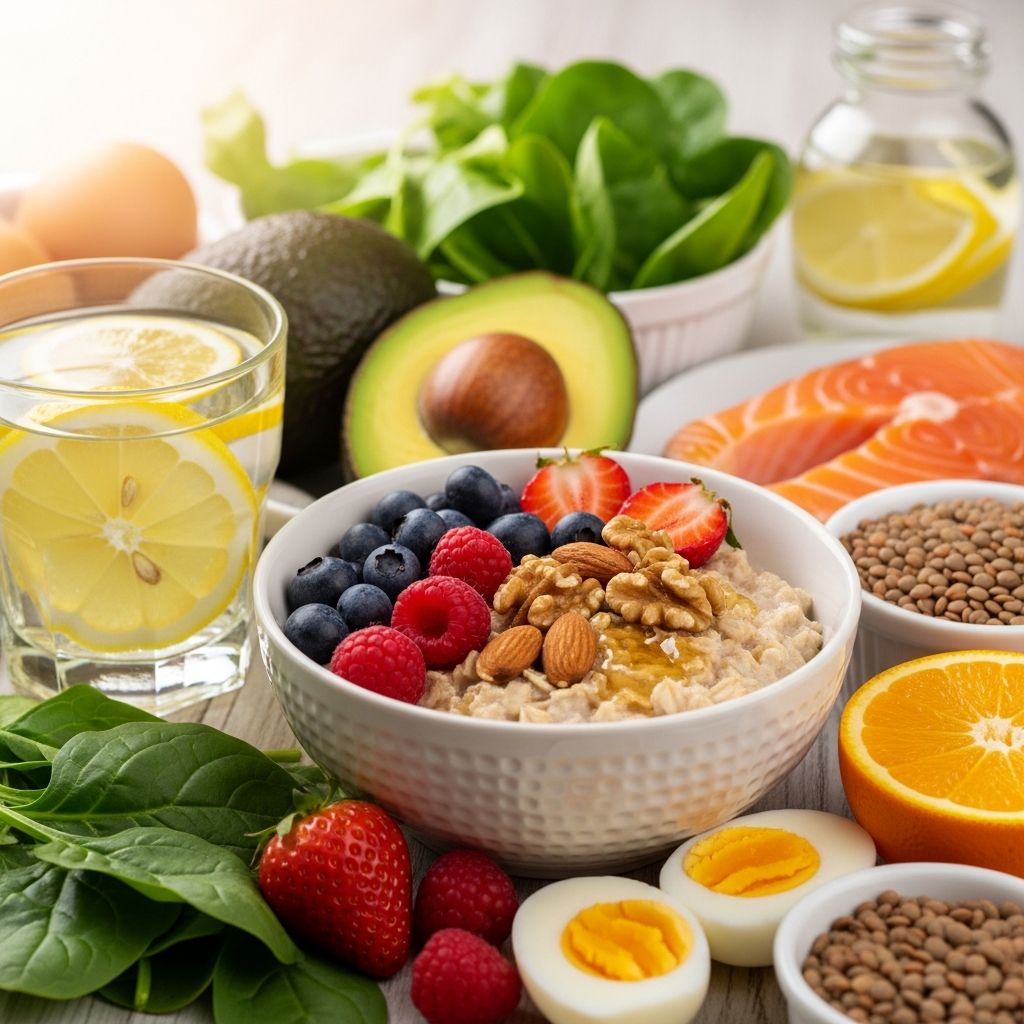
Why Nutrition Matters During Breastfeeding
During the breastfeeding period, a mother’s body undergoes significant changes to produce milk and support her infant’s growth. Proper nutrition is crucial not only for maintaining energy levels but also for ensuring the quality of breast milk and the overall health of both mother and baby.
Essential Nutrients for Breastfeeding Mothers
While breastfeeding, your body requires increased amounts of certain nutrients to support milk production and your own recovery. Key nutrients include:
- Protein: Lean meats, poultry, eggs, dairy, beans, lentils, and tofu are excellent sources. Aim for 2–3 servings daily.
- Calcium: Dairy products, fortified plant milks, and leafy greens help maintain bone health. Aim for 1,300 mg per day.
- Iron: Red meat, poultry, beans, dried fruit, and leafy greens support blood health. Pair iron-rich foods with vitamin C for better absorption.
- Vitamin C: Citrus fruits, broccoli, bell peppers, and tomatoes boost immunity and aid iron absorption.
- Iodine and Choline: These are especially important for brain development. Seafood, dairy, eggs, and fortified foods are good sources.
- Fiber: Whole grains, fruits, vegetables, and legumes help prevent constipation, a common issue postpartum.
Calorie Needs and Healthy Eating Patterns
Most breastfeeding women need an additional 300–500 calories per day to support milk production. These extra calories should come from nutrient-dense foods rather than empty calories. Focus on:
- Whole grains like brown rice, quinoa, and whole wheat bread
- Fruits and vegetables (aim for at least 5 portions daily)
- Lean proteins such as chicken, fish, eggs, beans, and lentils
- Low-fat dairy or fortified alternatives
- Healthy fats from avocados, nuts, seeds, and olive oil
Snacks like yogurt, fruit, whole-grain toast with nut butter, or a handful of nuts can help meet increased calorie needs without compromising nutrition.
Hydration: The Overlooked Essential
Staying hydrated is just as important as eating well. Breastfeeding mothers often feel thirstier due to increased fluid loss. Aim to drink water, milk, or other healthy beverages throughout the day, especially when nursing.
- Keep a water bottle nearby during feedings
- Limit sugary drinks and caffeine
- Alcohol should be avoided or consumed in moderation, as it can pass into breast milk
Supplements and Special Considerations
While a balanced diet is the best way to meet nutritional needs, some breastfeeding mothers may benefit from supplements:
- Prenatal vitamins with iron and vitamin B12, especially for vegetarians and vegans
- Vitamin D for both mother and baby, as breast milk alone may not provide enough
- Omega-3 fatty acids (EPA/DHA) if fish intake is low
- Consult a healthcare provider before starting any new supplement
Safe Weight Loss While Breastfeeding
Many mothers want to lose baby weight, but rapid weight loss can affect milk supply and energy levels. Focus on gradual, healthy weight loss:
- Make small, sustainable changes to your diet
- Include regular physical activity, such as walking or gentle exercise
- Aim for slow weight loss (about 1–2 pounds per week)
- Do not restrict calories below your needs or skip meals
Common Dietary Concerns and FAQs
| Question | Answer |
|---|---|
| Can I eat spicy foods while breastfeeding? | Yes, most babies are not affected by spicy foods in the mother’s diet. If your baby seems fussy, try eliminating one food at a time to see if it makes a difference. |
| Should I avoid certain foods? | Limit high-mercury fish, alcohol, and excessive caffeine. Most other foods are safe unless your baby shows a reaction. |
| Can I diet while breastfeeding? | Yes, but focus on healthy eating and gradual weight loss. Avoid extreme diets or calorie restriction. |
| Do I need to take supplements? | Some women may need supplements, especially if following a vegetarian or vegan diet. Consult your healthcare provider. |
Sample Daily Meal Plan
- Breakfast: Oatmeal with berries and a boiled egg
- Snack: Greek yogurt with a handful of almonds
- Lunch: Grilled chicken salad with mixed greens, avocado, and whole-grain bread
- Snack: Apple slices with peanut butter
- Dinner: Baked salmon, quinoa, and steamed broccoli
- Evening: Low-fat milk or fortified plant milk
Final Thoughts
Supporting your body with the right foods and fluids during breastfeeding is one of the best things you can do for both yourself and your baby. By focusing on balanced, nutrient-rich meals and staying hydrated, you can maintain your energy, support milk production, and promote long-term health for your family.