Breastfeeding demands significant fluid resources from a mother’s body, as breast milk consists primarily of water—approximately 87-90%—making adequate hydration crucial for both maternal well-being and optimal milk production. New mothers often experience heightened thirst, a natural signal from the body to replenish fluids lost through nursing. Health experts consistently recommend that lactating women aim for around 13 to 16 cups (3 to 3.8 liters or about 100-128 ounces) of fluids daily, surpassing standard adult guidelines to account for milk synthesis. This elevated intake helps prevent dehydration, supports energy levels, and ensures babies receive nutrient-rich milk.
Why Fluids Matter More During Lactation
The physiological demands of breastfeeding amplify the need for water. Each day, a nursing mother loses roughly 25 ounces (about 750 ml) of water via breast milk alone, equivalent to the volume a typical infant consumes. Without replenishment, this can lead to fatigue, headaches, constipation, and reduced milk volume. Proper hydration facilitates hormone release for let-down reflex, maintains blood volume, and aids digestion strained by postpartum recovery.
Beyond water loss, factors like climate, activity, and diet influence requirements. In hot environments or during exercise, sweat further depletes fluids, necessitating increases. Dietary sodium or caffeine can act as diuretics, pulling more water from the body. Organizations like the Academy of Nutrition and Dietetics emphasize that nursing mothers require this boosted intake from diverse sources including beverages and water-rich foods to sustain health.
Daily Fluid Targets: Personalized Guidelines
General benchmarks provide a starting point, but tailoring to individual needs yields better results. Here’s a breakdown:
- Baseline for non-lactating adults: About 8-10 cups (64-80 ounces), or half body weight in ounces (e.g., 150 lbs = 75 ounces).
- Breastfeeding minimum: Add 3-5 cups, targeting 13-16 cups total (104-128 ounces or 3-3.8 liters).
- Adjustments: Increase by 10-20% in heat, with high activity, or high milk output; reduce slightly if sedentary in cool conditions.
| Factor | Base Intake (cups) | Adjustment |
|---|---|---|
| Standard Nursing | 16 | None |
| Hot Climate/Exercise | 16+ | +2-4 cups |
| High Milk Production | 16 | +1-2 cups |
| Weight-Based (lbs/2 in oz) | Varies | Minimum floor |
La Leche League suggests 2.5-3 liters (about 10-13 cups) as a practical range, prioritizing thirst over rigid counts. Always consult a healthcare provider for personalized advice, especially with conditions like kidney issues.
Practical Strategies to Meet Your Goals
Busy schedules make consistent hydration challenging, but simple habits build success. Pair drinking with nursing sessions: sip a full glass (8 ounces) every time you feed or pump, potentially covering half your needs across 8-12 sessions daily.
- Position water bottles at nursing stations, bedside, and in diaper bags for effortless access.
- Use apps or phone alarms for hourly reminders, tracking intake visually.
- Opt for insulated bottles with straws for one-handed sipping while holding baby.
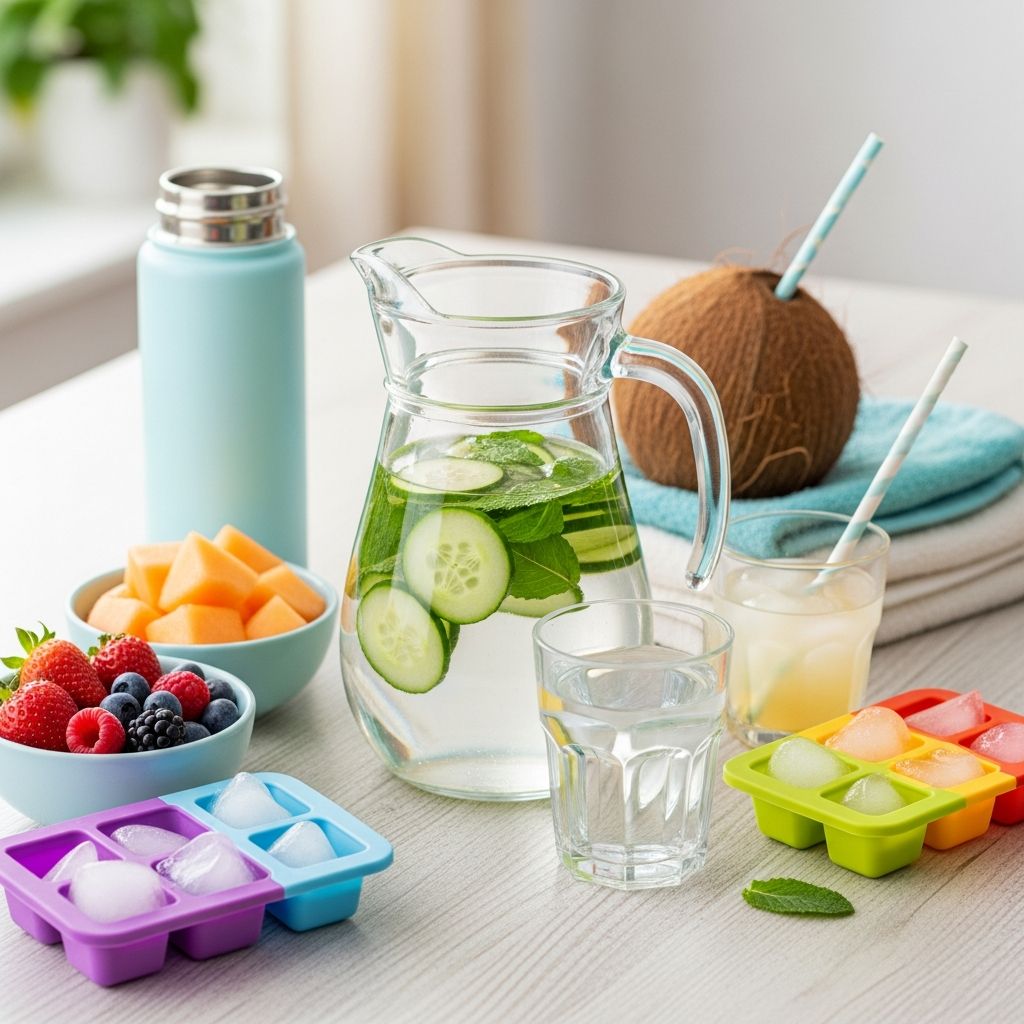
- Incorporate variety: herbal teas, infused waters (cucumber-lemon), or low-sugar electrolyte drinks to prevent boredom.
Food contributes significantly—up to 20% of fluids. Prioritize hydrating options:
- Fruits: Watermelon (92% water), strawberries, oranges.
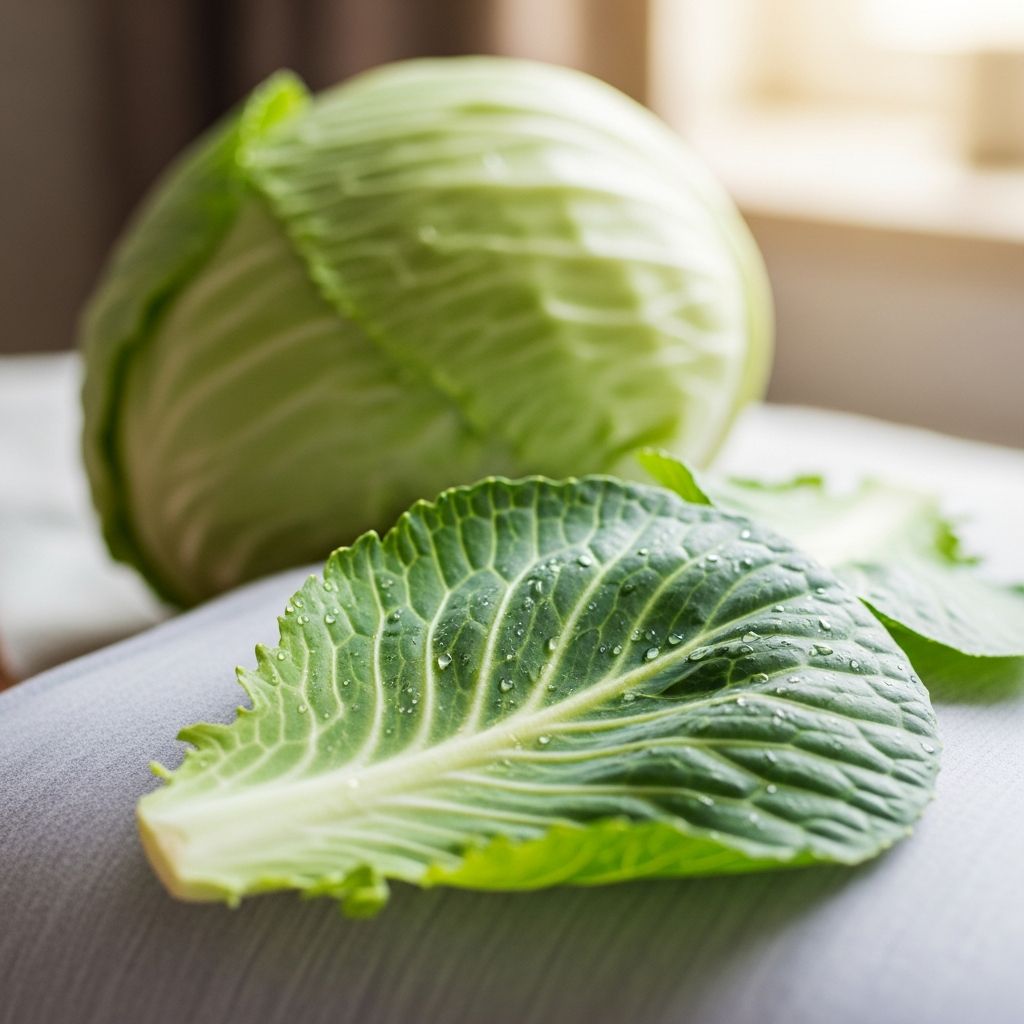
- Vegetables: Cucumbers (96%), lettuce, celery.
- Others: Soups, smoothies, yogurt.
Start mornings with 16 ounces upon waking to kickstart metabolism and replace overnight losses.
Recognizing and Avoiding Dehydration
Your body provides clear indicators. Thirst is primary, but subtle signs emerge earlier: dark yellow urine, dry mouth, dizziness, fatigue, or infrequent urination (less than 6 times daily). A quick test: pale yellow urine signals balance; amber means drink more.
Chronic under-hydration risks include low milk supply, urinary tract infections, kidney strain, and mood dips. Conversely, excessive intake (over 1 gallon without need) risks hyponatremia—electrolyte dilution lowering supply. Balance is key: drink to thirst, not excess.
Debunking Hydration Myths in Breastfeeding
Myths persist despite evidence. “Excess water boosts supply” is false; studies show no supply increase beyond thirst satisfaction, and overhydration may dilute electrolytes, reducing output. Another: only plain water counts—all non-diuretic fluids and foods contribute. Alcohol and high caffeine (>200mg) dehydrate, so limit them.
Special Scenarios: Activity, Climate, and Health
Athletic moms or those in warm areas need extras. Add 12-16 ounces per hour of exercise; in humidity, monitor sweat. Illness like fever or diarrhea doubles losses—sip oral rehydration solutions.
For multiples or pumping exclusively, scale up proportionally. Warm fluids may ease let-down; mineral waters add calcium.
Frequently Asked Questions
Does dehydration directly lower milk supply?
Yes, mild dehydration can reduce production since milk is water-based; aim for consistent intake to maintain volume.
Can I count coffee or tea toward my daily fluids?
Moderately—decaf or low-caffeine versions yes, but limit to under 200mg caffeine to avoid diuretic effects.
What if I’m not thirsty but urine is dark?
Increase fluids proactively; thirst lags behind needs, especially when fatigued.
Are electrolyte drinks necessary?
Not routinely, but useful post-exercise or in heat; choose low-sugar options.
How soon after birth should I ramp up water?
Immediately—colostrum production starts fluid demands, escalating with mature milk.
Sustaining Long-Term Hydration Habits
Postpartum extends 6-12 months or longer; habits formed early endure. Track weekly via journals or apps, adjusting seasonally. Pair with balanced nutrition: proteins, fats, carbs fuel milk quality alongside fluids.
Community support helps—join mom groups for accountability. Professional input from lactation consultants or dietitians refines plans, ensuring thriving for mom and baby.
Embracing hydration transforms the breastfeeding journey, boosting vitality and bonding. Small, consistent actions yield profound benefits.
References
- How Much Water Should I Drink While Breastfeeding? — Milkology.org. 2023. https://milkology.org/content/how-much-water-should-i-drink-while-breastfeeding
- Staying Hydrated While Pregnant and Breastfeeding — WebMD. 2024. https://www.webmd.com/baby/what-to-know-staying-hydrated-while-pregnant-breastfeeding
- How to Stay Hydrated While Breastfeeding — Sqwincher. 2024-08-05. https://www.sqwincher.com/2024/08/05/how-to-stay-hydrated-while-breastfeeding/
- Water — How Much Should I Drink? — La Leche League Canada. 2023. https://www.lllc.ca/water
- Nursing Your Baby — What You Eat and Drink Matters — Academy of Nutrition and Dietetics (eatright.org). 2024. https://www.eatright.org/health/pregnancy/breastfeeding-and-formula/nursing-your-baby-what-you-eat-and-drink-matters
- Hydration While Breastfeeding — Tahoe Forest Health District. 2023. https://www.tfhd.com/news/hydration-while-breastfeeding-provided-by-tahoe-forest-registered-dietitians/