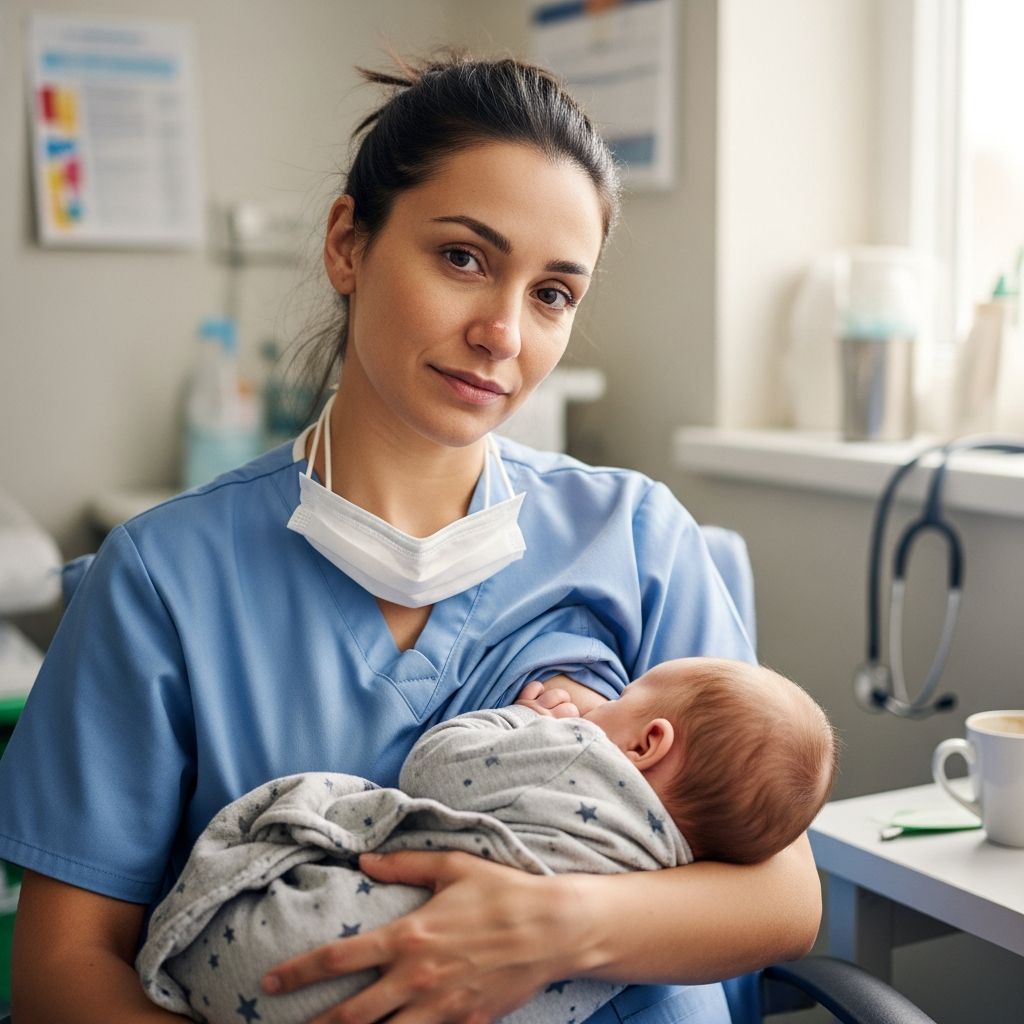
In the midst of the COVID-19 crisis, a striking photograph emerged showing a nurse tenderly breastfeeding an infant while dressed in full protective gear. This image, symbolizing unwavering commitment to newborn care, sparked global conversations about lactation during infectious outbreaks. It underscores the essential nature of human milk and the extraordinary efforts of healthcare workers balancing professional duties with motherhood.
The Power of a Single Image in Crisis Times
Visuals have a unique ability to convey complex emotions and narratives, especially during public health emergencies. The photo in question depicted a frontline nurse, her scrubs and mask contrasting with the intimate act of nursing. Shared widely on parenting platforms, it resonated with mothers navigating isolation, hospital restrictions, and fears over virus transmission. Such imagery not only humanizes healthcare heroes but also reinforces public health messages on the safety and superiority of breastfeeding.
During lockdowns, when physical support networks dissolved, digital stories like this one provided solidarity. Mothers reported feeling validated in their choices to continue nursing, even amid uncertainty about SARS-CoV-2 and breast milk. The image became a beacon, illustrating that dedication to infant nutrition persists regardless of personal risk.
Health Guidelines for Breastfeeding Amid COVID-19
Major health authorities unanimously endorse breastfeeding, even for mothers with confirmed or suspected COVID-19. The American Academy of Pediatrics (AAP) asserts that the benefits of human milk outweigh potential risks, provided preventive measures are followed. Similarly, the World Health Organization (WHO) advises continuing lactation with hygiene protocols like handwashing and mask-wearing during feeds.
For COVID-positive mothers, key recommendations include:
- Wearing a well-fitting mask while nursing to minimize droplet spread.
- Thorough hand and breast washing before each feeding session.
- Maintaining at least six feet distance from the infant when not actively feeding.
- Pumping and discarding milk only if too ill to nurse directly; otherwise, expressed milk is safe.
Studies confirm no definitive evidence of SARS-CoV-2 transmission via breast milk, positioning it as a protective factor against infections. Antibodies in human milk may even offer infants passive immunity, a critical advantage in pandemic settings.
Immune Protection from Breast Milk During Outbreaks
Human milk is a dynamic fluid, adapting to environmental threats. Research highlights its role in bolstering infant defenses through immunoglobulins, lactoferrin, and oligosaccharides that foster beneficial gut bacteria. During COVID-19, surveys showed 66% of breastfeeding parents maintained or increased nursing frequency post-lockdown orders, citing perceived immune boosts.
Qualitative insights reveal parents viewing breast milk as a ‘natural vaccine,’ influencing decisions to delay weaning. This aligns with expert consensus: organizations like the CDC and ABM recommend vaccination alongside breastfeeding for maternal-infant protection. A cross-sectional study from early 2020 found 97% of respondents intended exclusive human milk feeding for six months, with pandemic policies unexpectedly supporting longer durations.
| Component | Benefit | Relevance to COVID-19 |
|---|---|---|
| Secretory IgA | Mucosal immunity | Blocks respiratory pathogens |
| Lactoferrin | Antiviral properties | Inhibits viral replication |
| Human Milk Oligosaccharides (HMOs) | Gut microbiome support | Enhances overall resilience |
This table summarizes key bioactive elements, drawing from peer-reviewed analyses.
Challenges for Lactating Healthcare Workers
Nurses and doctors on the frontlines faced acute dilemmas. A qualitative study of lactating nurses post-lockdown revealed many prematurely ceased breastfeeding due to infection fears and return-to-work pressures. Dual roles amplified stress, with inadequate facilities for pumping cited as a barrier.
Despite guidelines supporting continuation, systemic issues persisted: limited paid leave, absence of private pumping spaces, and rigid schedules. Recommendations include extended maternity policies, flexible shifts, and dedicated lactation rooms—measures vital for retaining skilled staff and promoting equity.
The nurse in the photo exemplified resilience, likely pumping between shifts or nursing discreetly. Her story mirrors broader narratives where working mothers innovated solutions, from telehealth lactation consults to partner-assisted feeding.
Shifts in Breastfeeding Practices Due to Lockdowns
Stay-at-home mandates yielded mixed outcomes. While 31% breastfed more frequently, others grappled with disrupted support. Virtual resources filled gaps, with hospitals offering remote consultations. Pre-delivery planning with obstetricians proved crucial for smooth transitions.
A U.S. survey during the first wave captured evolving perceptions: initial hesitancy gave way to confidence in breastfeeding’s safety. Themes of ‘protection’ and ‘resistance’ dominated, even sans vaccines. Federally mandated paid leave emerged as key to equitable outcomes, countering historical disparities.
- Initiation rates: Maintained high despite separations.
- Exclusivity: Bolstered by proximity during quarantines.
- Duration: Extended for many due to delayed weaning.
Support Systems Evolving in a Virtual World
Pandemic constraints accelerated telehealth adoption. Platforms connected mothers with lactation experts, bypassing physical barriers. Community forums and apps shared tips on safe pumping, storage, and feeding.
For working nurses, employer policies varied: some provided on-site support, others lagged. Advocacy for WHO-aligned strategies—longer leaves, flexible arrangements—gained traction, informing post-pandemic reforms.
Long-Term Lessons for Maternal and Infant Health
The COVID era illuminated breastfeeding’s robustness. Images like the nurse’s photo endure as testaments to maternal fortitude, informing policy. Prioritizing lactation support yields healthier generations, mitigating outbreak vulnerabilities.
Future preparedness demands integrated approaches: robust guidelines, workplace accommodations, and public education on milk’s protective prowess.
Frequently Asked Questions (FAQs)
Is it safe to breastfeed if I have COVID-19?
Yes, with precautions like masking and handwashing. AAP and WHO endorse it for milk’s benefits.
Can COVID-19 pass through breast milk?
No evidence supports transmission; antibodies may protect infants.
How can working nurses maintain lactation?
Advocate for pumping facilities, flexible hours, and extended leave.
Did lockdowns help or hurt breastfeeding?
Many reported increased duration due to proximity, though support access varied.
What immune factors are in breast milk?
IgA, lactoferrin, and HMOs provide antiviral and microbiome support.
References
- Breastfeeding during the pandemic — UCLA Health. 2020-2021 (accessed 2026). https://www.uclahealth.org/news/article/breastfeeding-during-the-pandemic
- Lactating nurses’ experiences of return to work after lifting COVID-19 lockdown — PMC (NCBI). 2024-01-15. https://pmc.ncbi.nlm.nih.gov/articles/PMC10851297/
- Pandemic policies and breastfeeding: A cross-sectional study — Frontiers in Sociology. 2022-10-20. https://www.frontiersin.org/journals/sociology/articles/10.3389/fsoc.2022.958108/full
- Breastfeeding & COVID-19: What Parents Need to Know — American Academy of Pediatrics (HealthyChildren.org). 2023 (updated). https://www.healthychildren.org/English/health-issues/conditions/COVID-19/Pages/Breastfeeding-During-COVID-19.aspx