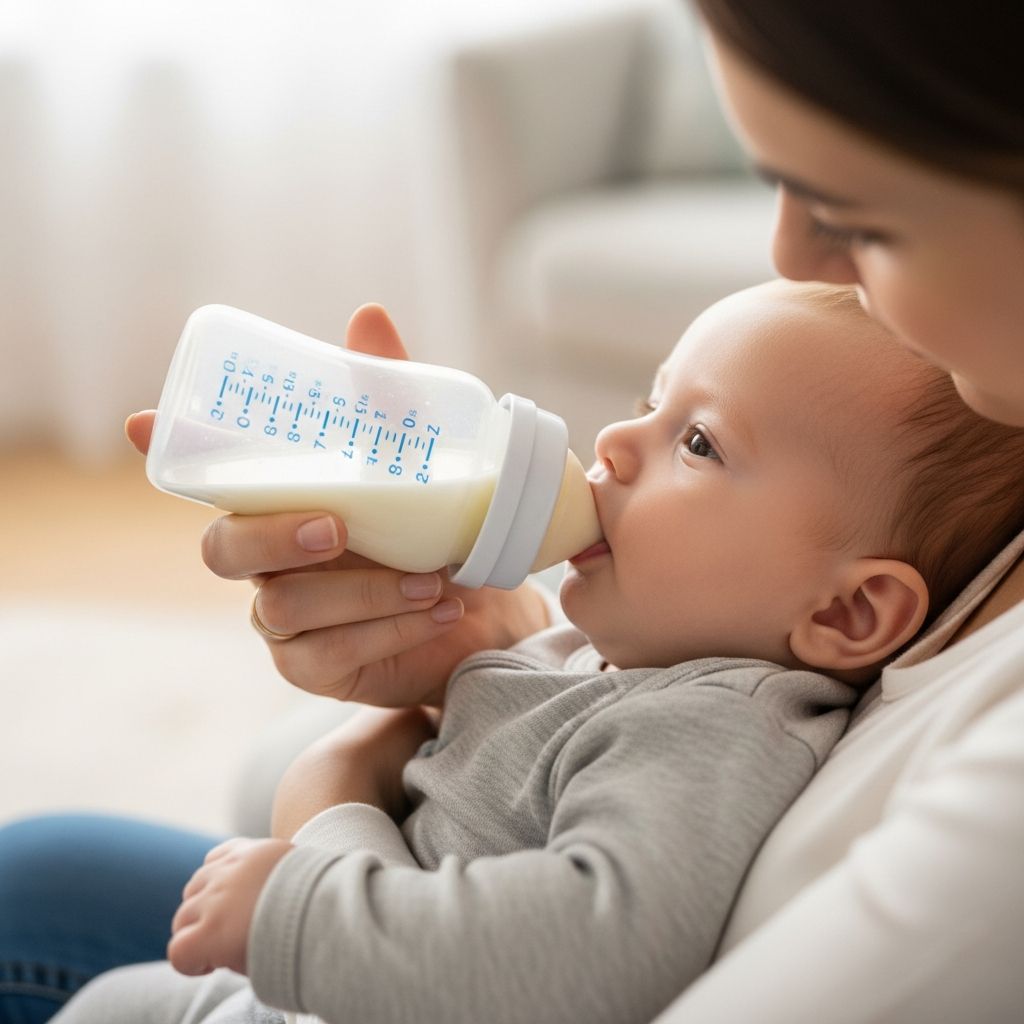
Combining breastfeeding with bottle-feeding offers flexibility for parents navigating newborn care. This approach allows mothers to maintain milk supply while enabling family members to participate in feedings, fostering shared bonding experiences.
Understanding the Breast-to-Bottle Transition
Transitioning from direct breastfeeding to including bottles requires careful timing to avoid nipple confusion. Experts recommend waiting until breastfeeding is established, typically around 4-6 weeks, before introducing a bottle. This ensures the baby masters the breast latch first, reducing refusal risks later.
Breast milk remains the gold standard for infant nutrition, providing antibodies that protect against infections like ear and respiratory issues. Even partial breastfeeding offers benefits, lowering risks of asthma, diabetes, and obesity compared to formula alone. Bottle-feeding pumped breast milk preserves these advantages while adding convenience.
Benefits of Pumping and Bottle-Feeding
Pumping after nursing sessions maximizes supply by fully emptying breasts, signaling the body to produce more milk. Stored milk creates a freezer stash for emergencies, allowing mothers short breaks for rest or errands.
- Family involvement: Partners and relatives can feed the baby, strengthening bonds and giving moms recovery time postpartum.
- Public ease: Bottles enable discreet feeding anywhere without exposure concerns.
- Intake tracking: Visible milk volume helps monitor consumption precisely.
- Scheduled flexibility: Pumping aligns with personal routines, controlling feed timings.
Compared to formula, breast milk digests easier, reducing colic and spit-up. The American Academy of Pediatrics endorses exclusive breastfeeding for six months but supports pumped milk supplementation.
Selecting the Ideal Bottle and Nipple
Choose bottles mimicking the breast: narrow necks, gradual slopes, and slow-flow nipples prevent overwhelming fast flow. Wide bases discourage deep latch, increasing refusal odds.
Paced feeding technique is crucial: Hold baby semi-upright, tilt bottle horizontally so milk fills the nipple partially. This requires active sucking like breastfeeding, controlling intake pace and reducing gas.
| Feature | Breast-Like Bottle Traits | Why It Matters |
|---|---|---|
| Nipple Shape | Gradual slope, narrow | Allows deep latch, mimics breast |
| Flow Rate | Slow | Prevents gulping, reduces overfeeding |
| Bottle Hold | Horizontal angle | Promotes paced sucking |
| Baby Position | Upright/semi-upright | Minimizes air intake, eases digestion |
Effective Pumping Techniques
Optimal pumping starts post-feed to empty residual milk, enhancing production. Use hands-on methods: Massage breasts gently while pumping to extract hindmilk, the nutrient-rich portion.
- Fit check: Ensure flange size matches nipple-areola for comfort and efficiency; improper fit causes pain.
- Capture leaks: Use storage containers for let-down drips to avoid waste.
- Frequency: Pump 8-12 times daily initially, mimicking cluster feeds.
Double electric pumps are efficient for working moms, yielding more milk in less time than manual options.
Safe Storage and Handling of Breast Milk
Proper storage maintains nutrients and safety. Fresh milk refrigerates up to 4 days at 40°F or freezes 6-12 months. Thaw in warm water, never microwave to preserve antibodies.
- Label bags with dates for FIFO rotation.
- Avoid refreezing thawed milk.
- Room temperature: Use within 4 hours.
Swirl gently to mix fat layers; shaking destroys cells.
Recognizing and Responding to Baby’s Cues
Feed on demand using hunger signals: rooting, hand sucking, head turning. Full cues include slowing sucks, turning away, or relaxed hands.
Skin-to-skin during bottles boosts oxytocin for bonding, nearly matching breastfeeding effects. Never prop bottles—risks choking, overfeeding, ear infections.
Building and Maintaining Milk Supply
Supply-demand principle governs production: Nurse or pump frequently. Hydrate (100 oz daily), eat 300-500 extra calories with proteins, whole grains. Galactagogues like oats may help, but consult providers.
If supply dips, power pump: 10-min pump, 10-min rest, repeat hourly for a session, simulating cluster nursing.
Common Challenges and Solutions
| Challenge | Solution |
|---|---|
| Bottle refusal | Introduce at 4-6 weeks; have others feed first |
| Low supply | Pump post-feeds, ensure latch/pump fit |
| Gas/colic | Paced feeding, burp midway, upright hold |
| Nipple confusion | Alternate breast/bottle days initially |
| Pump discomfort | Correct flange, hands-on techniques |
Nutritional Comparison: Breast Milk vs. Formula
Breast milk adapts to baby’s needs, offering perfect nutrient absorption and immunoglobulins absent in formula. Formula costs $54-198 monthly, requires prep, lacks live antibodies.
- Breast milk: Free, always ready, digestion-friendly.
- Formula: Convenient for non-moms, but potential allergies, recalls.
Hybrid feeding maximizes benefits: Prioritize breast milk, supplement as needed.
Frequently Asked Questions
When should I introduce a bottle to a breastfed baby?
Wait 4-6 weeks until breastfeeding is established to minimize refusal.
How do I perform paced bottle-feeding?
Hold baby upright, bottle horizontal; let baby control flow via sucking.
Can bottle-feeding reduce my milk supply?
Only if pumping/nursing frequency drops; maintain sessions to sustain supply.
What’s the best way to store pumped milk?
Refrigerate 4 days, freeze 6-12 months; thaw in warm water.
Is skin-to-skin important during bottle feeds?
Yes, it promotes bonding hormones like oxytocin.
Long-Term Strategies for Success
Track feeds via apps for patterns. Consult lactation specialists for persistent issues. As baby grows, transition nipples gradually. This balanced approach supports health, flexibility, and joy in early parenting.
References
- Choosing Between Breast or Bottle-Feeding — Americord Registry. 2023. https://www.americordblood.com/articles/breastmilk-and-feeding
- Breastfeeding vs Bottle Feeding Formula — American Pregnancy Association. 2023. https://americanpregnancy.org/healthy-pregnancy/breastfeeding/breastfeeding-vs-bottle-feeding-formula/
- Breastfeeding vs. Baby Formula: A Guide for Parents — Birth Injury Center. 2023. https://birthinjurycenter.org/breastfeeding-vs-baby-formula-guide-for-parents/
- Bottle or Breast: Feeding Tips for New Moms — HealthPark Pediatrics. 2023. https://www.healthparkpediatrics.com/bottle-or-breast-feeding-tips-for-new-moms/
- Should I Breastfeed or Bottlefeed? — HealthyChildren.org (AAP). 2023-10-01. https://www.healthychildren.org/English/ages-stages/prenatal/decisions-to-make/Pages/Should-I-Breastfeed-or-Bottlefeed.aspx
- Breastfeeding vs. Formula Feeding — Nemours KidsHealth (AAP-endorsed). 2023. https://kidshealth.org/en/parents/breast-bottle-feeding.html
- Using Bottles with a Breastfed Baby — WIC Breastfeeding Support (USDA). 2023. https://wicbreastfeeding.fns.usda.gov/using-bottles-breastfed-baby