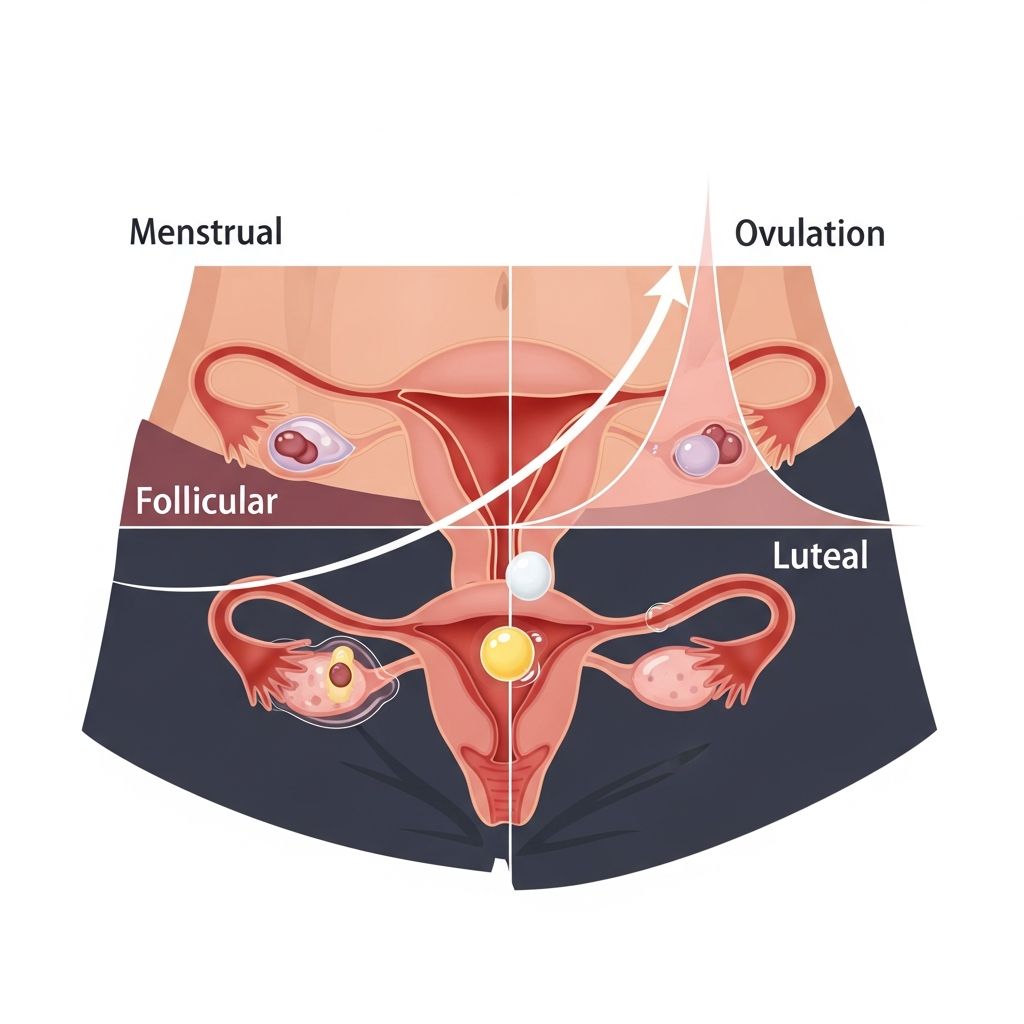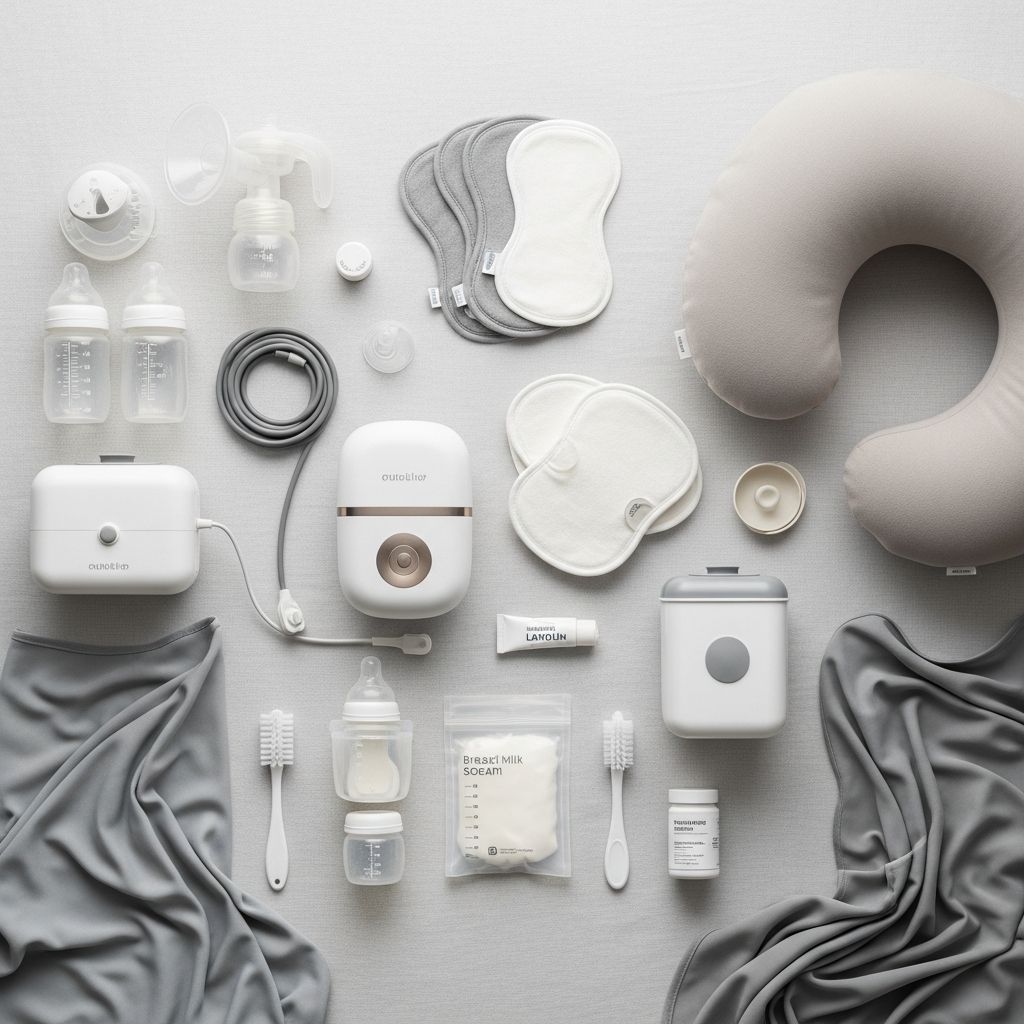
Breastfeeding is natural, but that does not mean it is automatically easy. The right accessories can turn a physically demanding, sometimes frustrating experience into something more manageable, comfortable, and flexible for both you and your baby.
This guide walks through common breastfeeding tools, what they do, when they help, and how to avoid overbuying. The goal is not a perfect nursery shelf but a small, efficient collection of gear that supports your real life.
Start With the Basics: What You Actually Need
You can breastfeed with nothing but your body and your baby, yet a few practical items tend to make the first weeks significantly easier. Think in terms of comfort, access, and clean-up rather than chasing every product you see.
- Comfort: What keeps your body supported, your nipples protected, and your skin comfortable.
- Access: What makes it simple to get baby to the breast without wrestling with clothes or awkward positions.
- Clean-up: What helps you manage leaking milk and inevitable spills without constant laundry stress.
Once those three categories are covered, everything else becomes optional or situational rather than essential.
Comfort Wear: Bras, Tanks, and Soft Layers
Supportive, easy-open clothing does more than look cute; it helps you latch the baby quickly, keep your back from aching, and stay relaxed enough for milk to flow. A few versatile pieces usually work better than a drawer full of specialty items.
Nursing Bras and Sleep Bras
A good nursing bra offers support while allowing easy access with one hand. Many parents find it helpful to have separate types for daytime and nighttime.
- Daytime bras: More structure and support, with clips or pull-aside cups.
- Night bras: Soft, wireless, and stretchy, often with a simple crossover front.
- Fit tip: Your size may change in the early weeks, so choose breathable fabric and some stretch rather than very rigid cups.
Nursing Tanks and Accessible Tops
Nursing tanks work as both a base layer and a feeding tool. Combined with a loose top or cardigan, they create a simple, discreet setup for feeding at home or out in public.
- Built-in bra tanks: Offer light support and quick access with clips or a shelf bra.
- Layering strategy: A tank under a regular T-shirt lets you pull the T-shirt up, tank down, and expose only what baby needs.
Protecting Your Skin: Nipple Care and Soothing Tools
Even when latch is good, your nipples may feel tender as your body adjusts. Gentle care products can ease friction, support healing, and help you stay consistent with feedings while you troubleshoot any problems.
Nipple Balms, Creams, and Ointments
Moisturizing products create a barrier between your skin and moisture from milk or saliva, reducing chafing and cracking. Look for options that are safe to leave on during feeds so you do not need to wipe them off repeatedly.
- Choose formulas designed specifically for breastfeeding.
- Apply a thin layer after feeding, when nipples are dry.
- Pair with air-drying for a minute or two before closing your bra.
Soothing Pads, Gel Packs, and Warm/Cool Compresses
Re-usable pads that can be cooled or warmed offer comfort for a range of issues, from engorgement to sore nipples. Temperature therapy is a simple, low-effort way to feel better between feeds.
- Cold packs: Help with swelling and heavy, engorged breasts.
- Warm packs: Encourage letdown and can ease clogged ducts.
- Soft fabric covers: Prevent direct ice or heat from irritating your skin.
Managing Leaks and Mess: Pads, Cloths, and Liners
Leaking milk is normal, especially in the early months and when your letdown reflex is strong. A few simple absorbent items can save your shirts and cut down on mid-day wardrobe changes.
Nursing Pads
Nursing pads sit inside your bra and absorb milk between feeds. There are disposable and washable options, each with trade-offs in cost and convenience.
| Type | Pros | Cons | Best For |
|---|---|---|---|
| Disposable pads | Convenient, no laundry, easy for travel | Ongoing cost, may feel less breathable | Short-term heavy leaking, hospital bag, trips |
| Washable cloth pads | Reusable, softer on skin, eco-friendly | Requires washing and drying, may show when very full | Everyday home use and long-term breastfeeding |
Burp Cloths, Towels, and Multipurpose Cloths
Absorbent cloths are the quiet heroes of breastfeeding. They catch drips while you switch sides, protect your pillow or clothing, and clean up spit-up without fuss.
- Keep several within arm’s reach of your main feeding spot.
- Use darker or patterned cloths if visible stains bother you.
- Repurpose old cotton T-shirts or soft towels to save money.
Positioning and Support: Pillows, Chairs, and Setups
Good positioning is about reducing strain on your body and helping the baby latch well. Many people notice that once they are physically comfortable, feeds feel calmer and often go more smoothly.
Nursing Pillows and Everyday Alternatives
A dedicated nursing pillow is shaped to support baby at the right height and free your arms to guide the latch. That said, you can absolutely improvise with regular pillows or folded blankets.
- Specialty pillows: Great if you plan to feed in the same spot often and want consistent support.
- Regular pillows: Stackable, flexible, and already in your home.
- Key goal: Bring the baby to your breast, not your breast down to the baby.
Chairs, Rockers, and Where You Feed
You do not need an ornate glider, but you do need a place where your feet can rest flat and your back feels supported. A simple armchair, couch corner, or even the edge of your bed can work with the right cushions.
- Add a small stool or box under your feet if your legs dangle.
- Place a firm pillow behind your lower back to prevent slouching.
- Keep essential items on a small side table so you are not trapped without water or snacks.
Pumps and Milk Expression: Choosing the Right Tools
Not every breastfeeding parent will pump, but many do at some point, whether for work, flexibility, or occasional time away. Thinking about your lifestyle and schedule helps you choose the type of pump that fits your needs instead of overbuying.
Manual, Electric, and Wearable Pumps
Each pump style has its strengths. Rather than focusing on flashy features, decide how often you expect to pump and where you will be when you do it.
| Pump Type | Key Benefits | Potential Drawbacks | Ideal Use |
|---|---|---|---|
| Manual hand pump | Portable, quiet, inexpensive | Requires hand effort, slower for large volumes | Occasional pumping, travel, backup option |
| Double electric pump | Efficient, pumps both breasts at once, time-saving | More parts to clean, usually needs power source | Regular work pumping or building a freezer stash |
| Wearable in-bra pump | Hands-free, discreet, good for multitasking | Higher cost, smaller collection bottles, battery charging | Pumping on the go, caring for older children while pumping |
Hands-Free Pumping Bras and Collection Cups
Hands-free pumping accessories hold flanges or pump cups in place so you do not need to keep your hands on the bottles. This can transform pumping from a fixed task into something that fits into your day.
- Look for bras with sturdy openings that match your pump flanges.
- Consider a dedicated pumping bra if you pump frequently at work.
- If using wearable cups, check that your regular bras have enough stretch and coverage to support them.
Storing Liquid Gold: Bottles, Bags, and Coolers
Once you start expressing milk, storage becomes part of your routine. A simple system prevents wasted milk and makes it easy for other caregivers to feed your baby.
Milk Storage Containers and Bags
Milk can be stored in either rigid containers or flexible bags. Both work well when you follow basic hygiene and labeling practices.
- Bottles: Reusable, sturdy, easier to stand in the fridge, ideal if the same bottle is used for feeding.
- Freezer bags: Space-saving, flexible, great for stacking and organizing a larger stash.
- Labeling: Note the date and number of ounces/milliliters on every container.
Cooler Bags and Transport
Insulated coolers with ice packs help you safely transport milk from work, daycare, or travel back home. They also give you more freedom when you plan longer trips away from your freezer.
- Use dedicated ice packs that fit your cooler to keep consistent temperatures.
- Store milk bottles upright to avoid leaks.
- Clean the cooler regularly to prevent odors and spills from building up.
Feeding on the Go: Covers, Car Kits, and Public Spaces
Leaving the house with a nursing baby can feel intimidating at first. A small set of mobile-friendly accessories can help you feed comfortably almost anywhere you go.
Feeding Covers and Clothing Strategies
Whether or not you use a cover is entirely a personal choice. Some babies dislike having fabric over them; others feed more calmly with fewer distractions.
- Convertible covers: Lightweight wraps or scarves that double as style pieces and sun shields.
- Clothing hacks: Two-shirt method (tank plus loose top) for quick, discreet access without extra gear.
- Baby-led comfort: If baby fights the cover, prioritize latch and safety over full coverage.
On-the-Go Breastfeeding Kit
Keep a dedicated pouch in your diaper bag with a few breastfeeding essentials. Having everything in one place saves you from frantic digging while your baby is hungry.
- Travel-size nipple balm.
- Two spare nursing pads.
- Folded burp cloth or small towel.
- Lightweight cover or scarf (if you like using one).
- Snack bar and small water bottle for you.
Creating a Home Feeding Station
Because feeds can take time, it helps to have a cozy, efficient spot where everything you need is within reach. This does not require a full nursery renovation—just thoughtful organization.
Checklist for a Simple Nursing Station
Gather a small collection of items and keep them in a basket or caddy near your usual feeding seat.
- Comfortable chair, couch corner, or bed setup with pillows.
- Water bottle and small, easy-to-eat snacks.
- Nursing pads, nipple balm, and a couple of burp cloths.
- Phone charger, book, or remote control.
- Diapers, wipes, and a spare onesie for quick changes.
Lighting, Noise, and Relaxation
A calm environment can support letdown and make long feeds feel less draining. Soft lighting, gentle background noise, or a favorite show can help you stay awake without feeling overstimulated.
- Use a small lamp or night light for night feeds to avoid harsh overhead lights.
- Consider a sound machine or soft music if sudden noises tend to startle you or the baby.
- Experiment with different setups until you find one that feels safe and relaxing.
Optional Extras: When Specialized Accessories Help
Some accessories are not necessary for everyone but can be game-changing in specific situations. If you are dealing with latch challenges, oversupply, or frequent pumping, certain tools may be worth considering with guidance from a lactation professional.
Shields, Collectors, and Specialty Devices
There are devices designed to modify latch, catch milk from the breast that is not actively feeding, or encourage letdown. These should be used thoughtfully, often as a temporary solution while you address the root issue.
- Silicone milk collectors that sit in your bra to catch letdown on the non-feeding side.
- Timed, warm compresses to support clogged duct relief during massage and feeding.
- Specialty shields or tools introduced with professional advice rather than as a first resort.
Tech Tools and Tracking Apps
Not everyone enjoys tracking, but simple tools can help you remember which side you fed on last or notice patterns. Aim for support, not surveillance.
- Use a basic app or even a bracelet you switch from wrist to wrist.
- Track only what feels useful—such as time of feeds or which side—rather than every detail.
- Let go of tracking once breastfeeding feels established, if it starts to cause stress.
FAQs About Breastfeeding Accessories
Do I need to buy everything before the baby arrives?
No. Start with a few basics—like nursing bras, pads, and a comfortable feeding spot—and add other items as real needs appear. Waiting can save money and help you avoid clutter from products that do not suit you.
How many nursing bras and pads should I have?
Many parents find three or four nursing bras workable: one to wear, one in the drawer, and one or two in the wash cycle. For pads, having enough for at least a couple of changes per day between laundry loads is a practical baseline.
Is a nursing pillow really necessary?
Not strictly. A nursing pillow can make positioning easier, but regular pillows, firm cushions, and rolled blankets can do the job. If you are unsure, try improvising first and then decide if a dedicated pillow would improve comfort enough to justify the purchase.
What is the minimum gear I need if I plan to exclusively breastfeed and not pump?
At the most basic level, you only need access-friendly clothing, comfortable bras, and something absorbent for leaks. Everything else—pumps, storage bags, coolers—falls into the category of optional or only needed if your plan changes.
How can I avoid wasting money on breastfeeding products?
Borrow non-hygiene items when possible, such as pillows and covers, and start with small quantities of consumables like pads or creams. Choose versatile items that can serve more than one function, such as blankets that double as nursing covers or burp cloths that also protect your pillow.
Building a Toolkit That Works for You
The most helpful breastfeeding accessories are the ones that match your body, your baby, and your daily routine. You do not need a picture-perfect basket of gear to be a successful breastfeeding parent; you need comfort, flexibility, and a few well-chosen tools that make feeding sustainable.
Start small, stay curious about what your body and baby seem to need, and give yourself permission to adjust your setup as you go. Your breastfeeding journey is unique, and your gear should simply support that—not define it.