Properly storing expressed breast milk is crucial for maintaining its nutritional value and safety for your baby. The American Academy of Pediatrics (AAP) provides clear, evidence-based guidelines to help parents store milk effectively whether at home, work, or on the go. These recommendations balance convenience with safety, ensuring milk remains fresh without bacterial growth.
Why Proper Storage Matters for Breast Milk
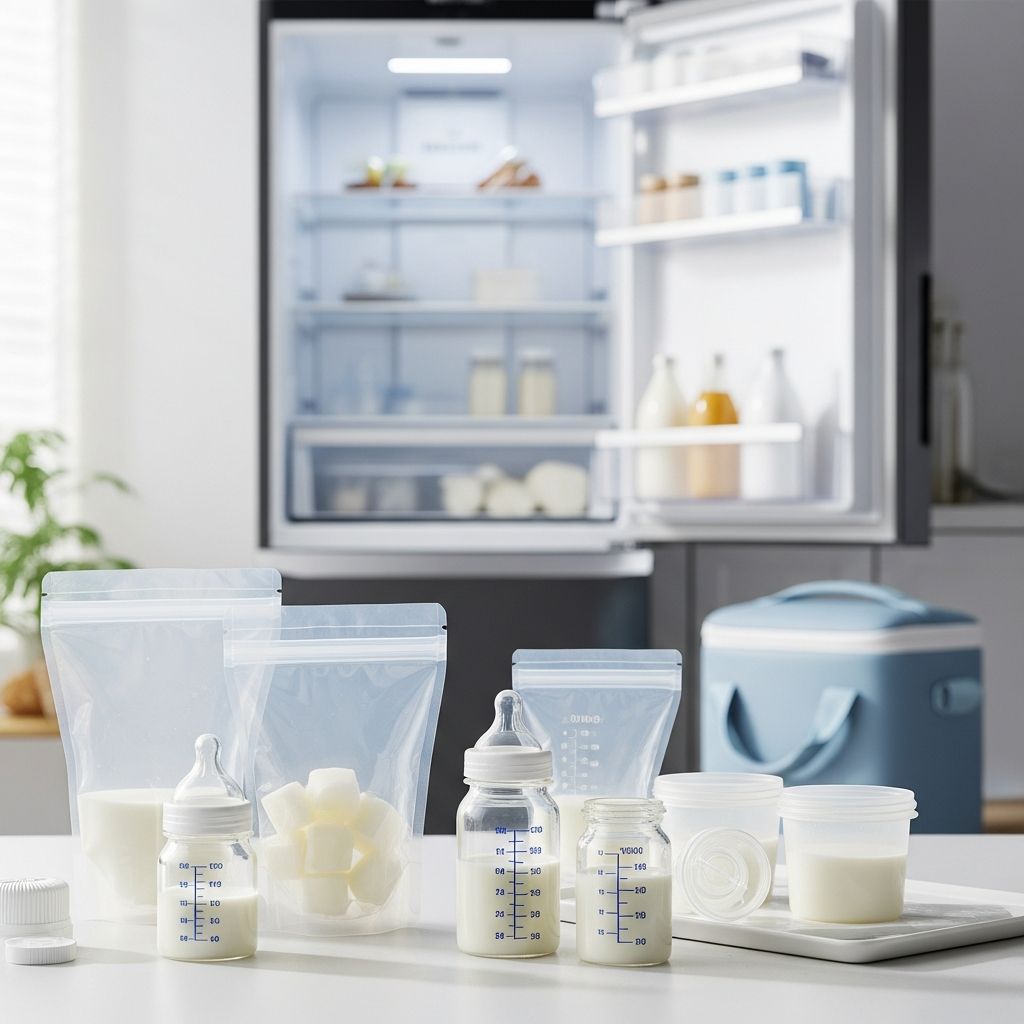
Breast milk contains live cells, antibodies, and enzymes that protect against infections, but these can degrade if not stored correctly. Factors like temperature fluctuations, contamination, and storage duration impact quality. AAP emphasizes storing milk in small portions of 2-4 ounces to minimize waste, as leftover milk from feedings should be discarded after 2 hours or refrigerated for the next feed. Always wash hands and equipment thoroughly before expressing to prevent bacterial introduction.
Label every container with the date and time expressed, especially for childcare. Store in the back of refrigerators or freezers where temperatures are most stable, away from doors and contaminants like raw meats.
Storage Durations by Temperature: A Complete Guide
The AAP aligns with Academy of Breastfeeding Medicine protocols, offering conservative timelines for full-term, healthy infants. These are summarized in the table below for quick reference.
| Storage Location | Temperature | Freshly Expressed Milk | Thawed Milk | Leftover from Feeding |
|---|---|---|---|---|
| Room Temperature (Countertop) | Up to 77°F (25°C) | Up to 4 hours (6-8 if very clean) | 1-2 hours | Use within 2 hours |
| Refrigerator | 39-40°F (4°C) or colder | Up to 4 days (back of fridge) | Up to 24 hours | Use for next feeding if chilled quickly |
| Freezer (Standard) | 0°F (-18°C) or colder | Up to 6-9 months best; 12 months acceptable | Never refreeze | N/A |
| Deep Freezer | -4°F (-20°C) or colder | Up to 12 months | Never refreeze | N/A |
Use the “4-4 rule” for simplicity: 4 hours at room temp, 4 days in fridge. For premature or ill babies, consult pediatricians as hospitals may have stricter rules.
Best Practices for Preparing and Labeling Milk
- Cleanliness first: Wash hands, pump parts, and containers with hot soapy water. Use BPA-free bags or bottles approved for breast milk; avoid #7 plastics or disposable liners.
- Portion wisely: Express into 2-4 oz amounts. Leave 1-inch headspace in freezer containers as milk expands when frozen.
- Label accurately: Include date, time, and baby’s name. Use oldest milk first (FIFO: first in, first out).
- Quick chill: Refrigerate or freeze immediately after pumping. Combine fresh milk with refrigerated by cooling fresh milk first.
Freezing Breast Milk: Dos and Don’ts
Freezing preserves milk for months but may slightly alter fats and cells, so prioritize fresh or refrigerated when possible. Place flat bags in the back of the freezer for stability. Thaw in the fridge overnight, under warm running water, or in a warm water bath—never microwave, as it destroys nutrients and creates hot spots. Thawed milk keeps 24 hours in the fridge; discard if it smells sour or off.
Avoid refreezing thawed milk to prevent quality loss. For long-term storage, deep freezers at -4°F offer up to 12 months, ideal for working parents building a stash.
Handling Breast Milk While Traveling or Commuting
Pumping at work or travel requires planning. Insulated cooler bags with frozen ice packs keep milk cool (below 40°F) for up to 24 hours. Wrap ice packs to avoid freezing milk. Fresh milk travels 24 hours in a fridge-maintained cooler.
For air travel in 2026, TSA permits unlimited pumped breast milk in carry-ons, even without baby. Declare at screening; ice packs are allowed frozen or melted. Internationally, Canada and Europe follow similar rules—check customs. At hotels, request mini-fridges set to 39°F.
Common Mistakes to Avoid in Milk Storage
- Storing in fridge doors where temps fluctuate.
- Overfilling freezer bags, causing spills.
- Microwaving or boiling to thaw/defrost.
- Mixing unlabeled milks or using beyond dates.
- Forgetting to separate fresh from thawed milk.
These errors can lead to waste or spoilage. One study supports up to 8 days in stable 4°C fridges, but AAP recommends conservative 4 days for safety.
Thawing and Warming: Safe Methods Only
Swirl gently to mix fat layers; shake lightly if needed. Warm by placing in a bowl of warm water (no hotter than 98°F) or under lukewarm tap water. Test on wrist before feeding. Discard unused thawed or warmed milk within 1-2 hours.
Special Considerations for Preemies and Hospitalized Babies
For preterm infants, storage times may shorten; follow hospital protocols. Colostrum requires immediate refrigeration or freezing. Discuss with neonatologists, as biology varies.
Frequently Asked Questions About Breast Milk Storage
Can I store breast milk longer if my fridge is very cold?
Studies show up to 8 days at stable 4°C, but stick to AAP’s 4 days for safety margins.
How do I know if stored milk is spoiled?
Check for sour smell, off taste, or separation that doesn’t remix. Trust your senses—discard if unsure.
Is frozen milk as nutritious as fresh?
Nearly, but fresh retains more live cells. Use frozen within 6-9 months for best quality.
Can I add fresh milk to already frozen milk?
No; freeze separately and combine after thawing equally cold portions.
What if I’m traveling without a cooler?
Use within 4 hours at room temp. Plan pump-and-dump if needed, or feed directly.
Building a Milk Stash Safely
Working moms can build a freezer stash by pumping after feeds. Aim for 1-2 oz extra per session. Rotate stock and track dates with apps or charts. This ensures supply during separations while prioritizing fresh milk. Consult lactation experts for supply issues.
UK guidelines from Breastfeeding Network echo AAP: 5 days at 4°C, prioritizing fridge over freezer. CDC matches closely, stressing small batches.
References
- Tips for Freezing & Refrigerating Breast Milk — American Academy of Pediatrics (HealthyChildren.org), Dina DiMaggio, MD, FAAP. 2023. https://www.healthychildren.org/English/ages-stages/baby/breastfeeding/Pages/Storing-and-Preparing-Expressed-Breast-Milk.aspx
- Expressing and storing breastmilk — The Breastfeeding Network. 2023. https://www.breastfeedingnetwork.org.uk/breastfeeding-information/continuing-the-breastfeeding-journey/expressing-and-storing-breastmilk/
- Storage and Preparation of Breast Milk — Centers for Disease Control and Prevention (CDC). 2017 (revised). https://www.cdc.gov/breastfeeding/pdf/preparation-of-breast-milk_h.pdf
- Flying With Breast Milk in 2026: TSA Rules, Packing Tips — Milk & Baby. 2026. https://www.milkandbaby.com/blogs/milk-baby/flying-with-breast-milk-in-2026-tsa-rules-packing-tips-and-stress-saving-scripts
- Milk Storage Guidelines — American Academy of Pediatrics (AAP). 2023. https://www.aap.org/en/patient-care/breastfeeding/milk-storage-guidelines/