Breastfeeding is an intense mix of exhaustion, pride, sacrifice, and quiet everyday moments that are easy to forget once life speeds up again. Breast milk jewelry is a way to crystallize that short season into a small, tangible object you can hold and wear.
Instead of another photo album or baby blanket, this trend offers something different: a piece of jewelry literally made with your milk, representing nights, tears, and triumphs that no one else fully understands.
What Exactly Is Breast Milk Jewelry?
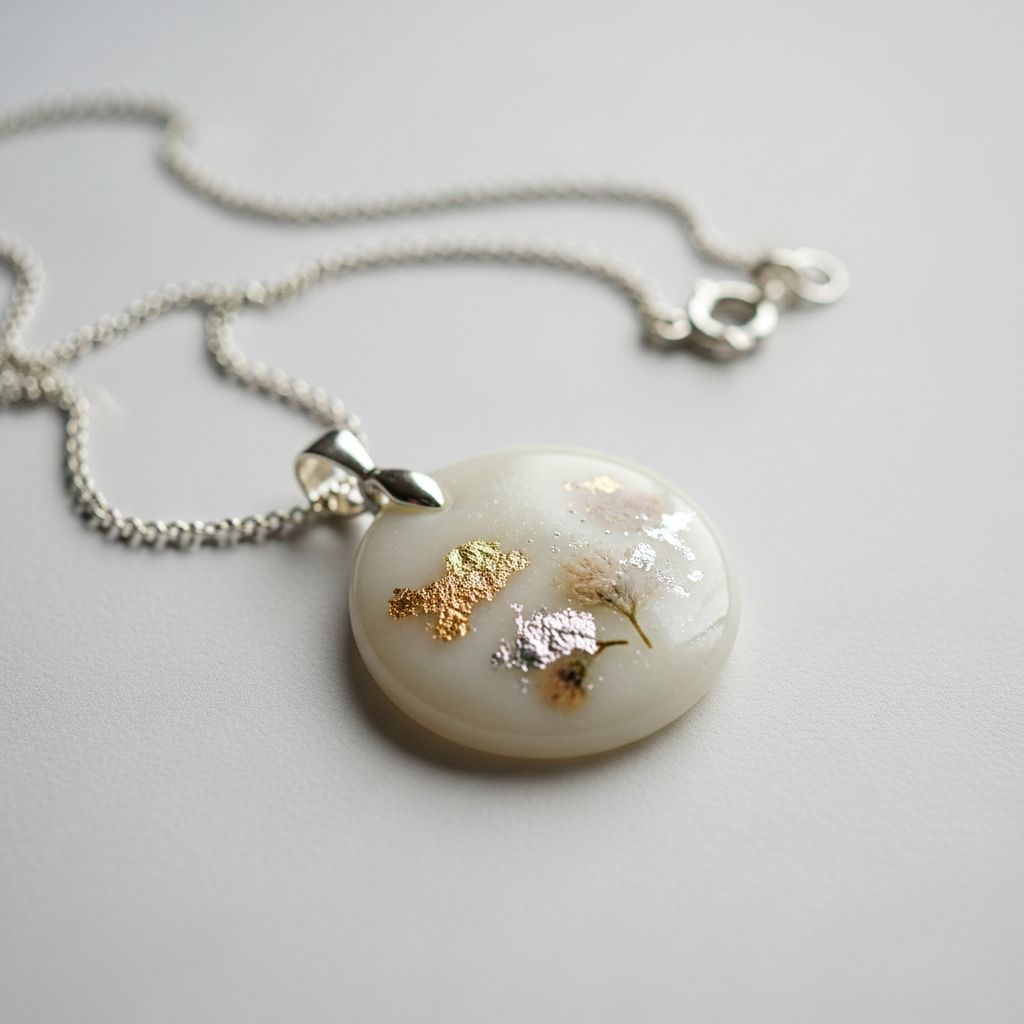
Breast milk jewelry is a keepsake piece that contains preserved breast milk, usually set as a stone or accent within a ring, necklace, bracelet, or pair of earrings. The milk is carefully treated so that it hardens into a durable, bead-like or stone-like material, then integrated into a jewelry design.
For many parents, this is less about fashion and more about symbolism: it marks the effort of feeding a baby, whether breastfeeding went smoothly or involved pumps, donor milk, or mixed feeding.
Why Parents Are Drawn to Breast Milk Jewelry
The appeal of breast milk jewelry usually comes from emotion rather than aesthetics alone. It captures a private chapter of early parenthood that is rarely visible in family portraits or baby books.
Different families are drawn to it for different reasons, but some themes come up again and again.
- Celebration of effort: It acknowledges the work, persistence, and mental load behind feeding a baby, whether the journey lasted a few weeks or several years.
- Marking an ending: Weaning can be surprisingly emotional. A jewelry piece can soften that transition by giving you a small ritual and something lasting to look forward to.
- Honoring complex stories: Parents who exclusively pumped, used donor milk, or navigated NICU stays may find comfort in a keepsake that quietly honors those experiences.
- Memorial or remembrance: For some families, breast milk jewelry also plays a role in remembering a baby or pregnancy that was lost, turning grief into something tangible and gentle.
- Conversation starter (when you choose): To a stranger, it looks like a pretty stone; to those you tell, it can be an invitation into a deeper conversation about your journey.
Popular Styles and Design Options
Breast milk jewelry designs range from minimal and barely-there to highly decorative pieces that incorporate birthstones, engraving, and tiny inlays of hair or cord stumps. The style you choose depends on how subtle or symbolic you want the piece to be.
Most artists offer a base milk “stone” and then let you customize the rest of the details.
Common Jewelry Formats
- Necklaces: Pendants, lockets, bar necklaces, or small charms that can be layered with other pieces.
- Rings: Solitaires, halo settings, stacking bands, or signet-style rings featuring a milk stone.
- Earrings: Studs and small drops are popular for parents who prefer low-profile pieces.
- Bracelets and bangles: Charms or insets placed into a bracelet, often combined with name tags or dates.
- Non-jewelry keepsakes: Some makers offer keychains or tiny display pieces for those who rarely wear jewelry.
Customization Details to Consider
Breast milk jewelry is usually made to order, which means you can fine-tune the look to match your personal style.
- Metal choice: Sterling silver, gold vermeil, solid gold, stainless steel, and sometimes rose gold.
- Finish of the milk stone: Opaque, pearly, marbled, or flecked with shimmer.
- Add-ins: Tiny curls of hair, a trace of umbilical stump, placenta powder, ashes, or glitter.
- Engraving: Baby’s name, initials, birth date, or a short word like “mama” or “brave”.
- Color accents: Birthstone crystals, metal halos, or colored resin behind or around the milk stone.
How Breast Milk Jewelry Is Typically Made
Each artist has their own techniques, but most follow a similar series of steps to turn liquid milk into a solid piece that can be set in jewelry. Understanding the general process helps you appreciate why custom pieces take time and why quality can vary.
This is a broad overview; it is not intended as a precise lab protocol, but rather a behind-the-scenes look at what usually happens after you mail your milk.
From Liquid Milk to Wearable Stone
- Collection: You typically send a small amount of milk—often less than an ounce—frozen or refrigerated, following the maker’s instructions.
- Preservation: The artist treats the milk with preserving agents, heat, or drying methods to stabilize it so it will not spoil or mold.
- Powdering: Once completely dry, the preserved milk is ground or crushed into a fine powder.
- Mixing with resin or binder: The powder is blended into a resin or similar binding material to create a paste or liquid that can be poured.
- Molding and curing: That mixture is placed into molds, bezels, or settings and left to harden slowly until it becomes a solid stone-like piece.
- Finishing touches: The hardened stone is sanded, polished, and sealed before the final jewelry assembly.
Overview Table: Process and Timeline
| Stage | What Happens | Typical Time |
|---|---|---|
| Intake | Milk arrives, is labeled, and logged for tracking. | 1–3 days |
| Preservation | Milk is stabilized and dried into a long-lasting form. | Several days |
| Creation | Preserved milk is mixed with resin and poured into your chosen setting. | 1–2 weeks |
| Curing and finishing | Piece hardens, is polished, assembled, and inspected. | 1–3 weeks |
DIY Kit vs. Professional Artist
If you like crafts, you may be tempted by do-it-yourself breast milk jewelry kits. If you prefer a guaranteed finish and minimal mess, a professional artist may be a better fit. Both options can lead to meaningful keepsakes, but the experience is quite different.
Pros and Cons at a Glance
| Option | Advantages | Potential Drawbacks |
|---|---|---|
| DIY Kit | Lower cost per piece; hands-on, creative experience; fast turnaround if you work quickly. | Learning curve; risk of bubbles, yellowing, or mistakes; you are responsible for safety and storage. |
| Professional Artist | Polished results; tested preservation methods; more robust quality control; guidance and support. | Higher price; longer wait list; you must be comfortable mailing your milk. |
Questions to Ask Before You Decide
- How much time and patience are you willing to invest in a DIY project?
- Do you have good ventilation and safe storage space for craft materials like resin?
- Is your budget more flexible than your schedule, or the other way around?
- How important is professional-level durability compared to the process of making it yourself?
Choosing a Trustworthy Breast Milk Jewelry Maker
Because you are sending a personal bodily fluid through the mail, trust is especially important. Reputable makers are transparent about their methods and policies and treat your milk with care and respect.
Before ordering, spend time reading through product descriptions, FAQs, and independent reviews, and pay attention to how clearly the artist describes their process.
What to Look For
- Clear mailing instructions: Step-by-step directions for storing, packing, and shipping your milk.
- Defined preservation method: General explanation of how the milk is stabilized and protected from spoilage.
- Real photos: Multiple pictures of finished pieces, ideally in different lights and on different skin tones.
- Reviews and testimonials: Feedback that specifically mentions communication, timelines, and long-term durability.
- Policies: Stated turnaround times, options if milk is lost in transit, and how issues like discoloration are handled.
Red Flags to Approach with Caution
- Very vague or secretive descriptions with no basic outline of the process.
- No mention of how long the artist has been working with breast milk or similar keepsakes.
- Only heavily edited stock-style photos and no real customer images.
- Unclear pricing, hidden fees, or pressure tactics like constant “today only” sales.
Care, Cleaning, and Long-Term Expectations
Breast milk jewelry is designed to be worn, but it is more delicate than a diamond or traditional gemstone. Treat it as a sentimental keepsake piece rather than an indestructible accessory.
With gentle care, many pieces will look beautiful for years, but all resins and organic materials can change slightly over time.
Everyday Care Tips
- Remove your jewelry before showering, swimming, or soaking in hot tubs.
- Avoid exposure to perfumes, hairsprays, lotions, and household cleaners.
- Store it away from direct sunlight, ideally in a padded box or soft pouch.
- Wipe metal parts with a soft, dry cloth; avoid harsh polishes on the milk stone.
Normal vs. Concerning Changes
- Mild color shifts: Slight warming of the tone over many years can be normal for resin-based pieces.
- Cracks or clouding: Sudden cracks, bubbling, or deep yellowing may signal a problem; contact your maker to ask about repair options.
Creative Ways to Incorporate Breast Milk Jewelry
Part of the fun is deciding how and when you want to wear your keepsake. Some parents keep it as an occasional, sentimental piece; others choose styles that blend into daily outfits.
There is no “right” way to use it, but these ideas can help you imagine how the piece might fit into your life.
- Everyday necklace: A small pendant layered with your usual jewelry for a quiet, private reminder.
- Birthstone stack: Combine a milk ring with birthstone bands for each child.
- Special-occasion piece: Save it for birthdays, weaning anniversaries, or family milestones.
- Gift between partners: One partner surprises the other with a piece as a thank-you for the months of feeding and pumping.
- Future heirloom: Plan to pass the piece along to your child when they grow older and start asking about their baby years.
Is Breast Milk Jewelry Right for You?
This kind of keepsake is not for everyone, and that is completely okay. Some parents prefer photos, tattoos, or written journals to mark this chapter. Others feel deeply moved by the idea of wearing something made from their own milk.
Instead of asking what everyone else is doing, focus on what feels meaningful, comfortable, and financially reasonable for your family.
Reflective Questions to Help You Decide
- When you think about your feeding journey, do you feel a pull to mark it in a special way?
- Does wearing something that contains your milk feel empowering, strange, or a bit of both?
- How would you feel if the piece developed minor aging marks over the years—would that bother you or add to the story?
- Is there another type of keepsake that might fit your personality or budget better?
FAQs About Breast Milk Jewelry
How much milk is usually needed?
Most makers require only a small amount, often less than an ounce, and sometimes just a few teaspoons. If your milk supply is low or you are at the end of your journey, this small volume can be reassuring.
Can previously frozen or old milk be used?
Many artists can work with milk that has been frozen for a while or is no longer suitable for feeding, as long as it has been stored reasonably well. Always check the specific guidelines of the artist or kit you choose.
What if our journey was short or complicated?
Breast milk jewelry can be especially meaningful for parents whose plans did not go as expected, including those who supplemented, exclusively pumped, or stopped earlier than hoped. The length or ease of the journey does not determine its value.
Is it safe to mail breast milk?
When mailed in small quantities and sealed tightly, breast milk can be shipped safely using standard postal services, especially if you follow packing instructions. Use leak-proof containers, double bags, and clearly labeled envelopes or boxes.
How long does it take to receive a finished piece?
Turnaround times vary widely, ranging from a few weeks to several months depending on the maker’s workload, your location, and the complexity of your design. Custom, hand-made pieces typically require patience, especially during busy seasons.
Can I include other elements with the milk?
Many makers offer the option to add items such as a small lock of hair, bits of dried flowers, or symbolic materials like ashes, placenta powder, or cord stump pieces. Always ask first, as each artist has specific guidelines and limitations.
What happens to leftover milk?
Policies differ: some artists discard any remaining milk after the piece is made, while others keep a small reserved amount in case repairs or remakes are needed later. If this matters to you, make sure to ask how leftovers are handled.
Will the color exactly match my original milk?
Not always. The preservation process, resin, and any additives can subtly change the hue, creating shades that range from creamy white to warm ivory. Many parents find the final color beautiful even if it looks slightly different from fresh milk.
What if my piece changes over time?
Minor shifts in tone or sheen can be normal as the piece ages, similar to other resin-based jewelry. If you notice cracking, severe yellowing, or damage, contact the maker to see whether repair or refinishing is possible.
Final Thoughts on This Intimate Keepsake
Breast milk jewelry sits at the intersection of art, body, and memory. It is not just an accessory; it is a small monument to long nights, quiet feeds, and the particular way you nourished your child.
Whether you choose a subtle pendant, a bold ring, or no jewelry at all, it is worth taking a moment to honor the work your body and mind have done. However you decide to remember this season, it deserves to be marked.