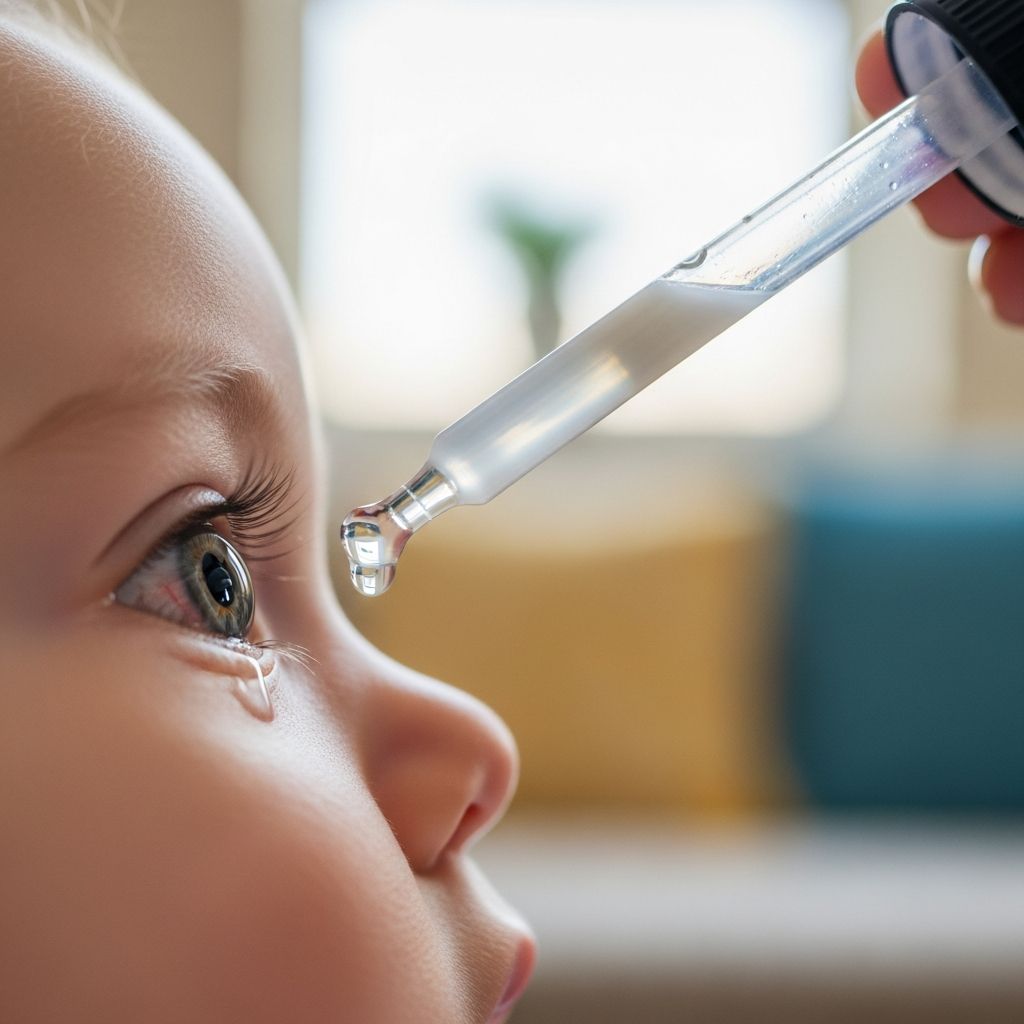
Understanding Infant Eye Discharge and Pink Eye
Newborns and young infants frequently experience eye discharge or redness, which can concern many parents. Eye discharge in babies may stem from various causes, including blocked tear ducts, viral infections, bacterial infections, or allergic reactions. While some cases resolve naturally without intervention, others require medical attention to prevent complications. The challenge for many parents lies in determining when home remedies are appropriate and when professional medical evaluation becomes necessary.
Pink eye, medically known as conjunctivitis, represents one of the most common eye conditions affecting infants. The condition can develop within the first few weeks of life or appear later during infancy. Parents often hear anecdotal accounts from family members or friends about using natural remedies, particularly breast milk, to address these eye issues. However, distinguishing between traditional practices and evidence-based medical recommendations requires careful consideration of available research.
The Historical Context of Breast Milk as a Remedy
The practice of applying breast milk to an infant’s eyes has deep historical roots in traditional medicine practices across various cultures. According to research examining traditional healing methods, this remedy has been documented for hundreds of years in folk medicine traditions around the world. The longevity of this practice suggests that many parents have observed apparent benefits, passing down this knowledge through generations as a purported natural cure for various infant ailments, including eye discharge and conjunctivitis.
This traditional approach gained renewed attention in recent decades as some parents sought alternatives to conventional antibiotic treatments. The growing interest in natural and holistic approaches to infant care has led many families to explore whether breast milk, with its well-documented nutritional and immunological properties, might effectively address minor eye concerns. However, the distinction between historical use and scientific validation remains crucial for understanding the true efficacy and appropriate application of this remedy.
What Makes Breast Milk Potentially Therapeutic
Breast milk contains numerous compounds with documented antimicrobial and immunological properties. These components include immunoglobulins (antibodies), lactoferrin, lysozyme, oligosaccharides, and various immune cell subsets. Laboratory studies have confirmed that breast milk demonstrates antibacterial properties against certain microorganisms, which provides a scientific basis for the traditional remedy’s theoretical effectiveness.
The immunological composition of breast milk varies between colostrum (the initial milk produced after birth) and mature breast milk produced after the first few weeks of lactation. Colostrum contains particularly high concentrations of antibodies and immune-active components, which explains why some traditional practices specifically recommend using colostrum for eye conditions. This distinction matters when evaluating clinical research and understanding why study results may vary depending on which type of breast milk was used in investigations.
Current Research on Breast Milk for Infant Eye Conditions
A landmark randomized controlled trial published in 2021 examined the effectiveness of breast milk eye drops compared to standard ophthalmic solutions in treating eye discharge. The study included breastfed infants six months of age or younger who presented with eye discharge symptoms. Researchers randomly assigned participants to receive either breast milk drops or sodium azulene sulphonate hydrate ophthalmic solution for seven days. The results indicated that breast milk proved no less effective than the standard solution in improving eye discharge symptoms, suggesting that breast milk might serve as a viable first-line treatment option for infants in this age group.
However, several important limitations characterize this research. The study design did not include a control group receiving no treatment whatsoever, raising the possibility that both groups experienced natural resolution of symptoms regardless of the intervention applied. Additionally, some medical experts have questioned the validity of the study’s methodology and conclusions. These concerns highlight why additional research remains necessary before widespread medical recommendations can be established.
Important Distinctions: Blocked Tear Ducts Versus Infections
A critical distinction exists between blocked tear ducts and actual eye infections, as these conditions require different management approaches. Blocked tear ducts result from incomplete opening of the tear drainage system and typically resolve spontaneously within the first year of life without requiring treatment. Eye discharge from this condition is usually clear or slightly mucoid and does not indicate infection.
True conjunctivitis, whether viral, bacterial, or allergic in nature, represents an actual infection or inflammation requiring appropriate medical evaluation. The symptoms suggesting infection include:
- Yellow or green eye discharge (indicating possible bacterial infection)
- Significant redness of the conjunctiva
- Difficulty opening the affected eye
- Associated fever or lethargy
- Poor feeding or irritability
Neonatal conjunctivitis, if left untreated, can cause permanent eye damage including vision loss or blindness. This serious risk underscores why professional medical evaluation becomes essential before attempting home remedies for eye conditions in newborns and young infants.
Laboratory Evidence Versus Clinical Application
Laboratory studies examining breast milk’s antimicrobial properties reveal an important complexity: effectiveness varies significantly depending on the specific bacteria being tested. While some bacteria show substantial inhibition when exposed to breast milk in laboratory settings, other common eye infection pathogens show minimal or no response. Additionally, laboratory studies conducted in controlled conditions (in vitro) differ substantially from what occurs in the living eye environment (in vivo).
Colostrum demonstrated greater antimicrobial effectiveness in laboratory studies compared to mature breast milk, with certain bacteria showing 50% inhibition versus minimal inhibition by regular breast milk. This variation suggests that the timing of breast milk collection and application might influence any potential therapeutic benefit. Furthermore, most cases of conjunctivitis in children are viral in nature, yet research on breast milk’s effectiveness against viral conjunctivitis remains essentially absent from the scientific literature.
Medical Organizations’ Position on Breast Milk Eye Drops
Major medical organizations have issued guidance regarding the use of breast milk for eye conditions in infants. The American Academy of Ophthalmology advises against using breast milk drops to treat conjunctivitis, citing potential risks of the practice. This recommendation reflects concerns about the lack of robust clinical evidence supporting the remedy’s effectiveness for true infections and the risk that parents might delay appropriate medical care by attempting unproven home treatments first.
The American Academy of Pediatrics takes a more nuanced approach, neither explicitly endorsing nor prohibiting the practice but emphasizing the importance of medical consultation. The academy encourages parents to discuss any concerns about eye discharge or redness with their pediatrician before attempting home remedies. This guidance recognizes that while some cases may represent self-limited conditions unlikely to cause harm from benign interventions, other cases require prompt professional evaluation and appropriate treatment.
Safety Considerations and Potential Risks
While breast milk itself is not toxic if placed in an infant’s eye, several safety concerns merit consideration. Introducing any substance into an infant’s eye creates a potential portal for additional bacterial contamination if proper hygiene is not maintained. Using contaminated droppers, non-sterile collection containers, or unclean fingers when applying breast milk increases infection risk rather than reducing it.
The most significant risk involves delayed diagnosis of serious eye infections. Parents who attempt home remedies without first obtaining a medical evaluation might miss early signs of infections requiring prompt antibiotic or antiviral therapy. Conditions like gonococcal or chlamydial conjunctivitis can progress rapidly in newborns, causing corneal scarring and permanent vision damage if not treated promptly with appropriate medications. Using breast milk as a sole treatment while avoiding medical care presents a genuine risk for preventable serious complications.
When Medical Evaluation Becomes Essential
Parents should contact their pediatrician or eye care provider if their infant exhibits any of the following concerning symptoms:
- Purulent (pus-like) discharge that is yellow, green, or thick
- Significant eyelid swelling or inability to open the eye
- Increasing redness that worsens over several days
- Fever or signs of systemic illness
- Eye discharge appearing in the first week of life
- Discharge persisting beyond two to three weeks despite home management
- Eye discharge accompanied by light sensitivity or excessive tearing
Prompt medical evaluation helps distinguish between self-limiting conditions and infections requiring specific treatment. For newborns, eye discharge appearing within the first week of life requires particular attention, as this timing suggests possible exposure to maternal infections during delivery.
Appropriate Use of Breast Milk for Eye Hygiene
While breast milk should not be considered a treatment for confirmed eye infections, some sources suggest it may serve a supportive cleansing function. Breast milk can be used to gently clean away discharge and crusting around the eyelids using soft, clean cotton wool. This cleansing approach differs substantially from instilling breast milk drops directly into the eye as a therapeutic intervention. When cleaning is performed, using fresh expressed milk and maintaining careful hygiene practices minimizes infection risk.
For blocked tear ducts specifically, gentle massage techniques combined with warm compresses represent the first-line management approach recommended by most pediatric eye specialists. These methods promote drainage through the blocked duct system without introducing substances into the eye.
Maintaining Breast Milk Safety and Hygiene
If parents choose to use breast milk for any eye-related purpose after consulting with their pediatrician, maintaining proper hygiene becomes critical. Fresh expressed milk should be used rather than stored milk. Clean, preferably sterile droppers should be employed for application. Hands should be thoroughly washed before handling breast milk or the infant’s eyes. Any dropper or collection container should be cleaned thoroughly and air-dried to prevent bacterial growth.
Parents should never share droppers or eye solutions between eyes or between infants, as this facilitates cross-contamination. If eye discharge is present, separate droppers should be designated for each eye. These hygiene measures become particularly important given that breast milk lacks the preservatives present in commercial eye drop solutions, making it more susceptible to bacterial contamination during storage or application.
Alternatives and Complementary Approaches
For suspected blocked tear ducts, several evidence-based approaches precede any intervention with breast milk. Warm compresses applied gently to the inner corner of the eye several times daily may help promote natural drainage. Gentle massage of the lacrimal sac area using clean fingers or a soft cloth can stimulate drainage through the blocked duct. These non-invasive approaches carry minimal risk and may resolve the condition without further intervention.
For confirmed bacterial conjunctivitis, antibiotic eye drops or ointments prescribed by a healthcare provider represent the appropriate treatment. For viral conjunctivitis, supportive care including gentle cleansing and artificial tears typically suffices, as viral infections resolve naturally within one to two weeks. Allergic conjunctivitis may respond to eliminating environmental triggers or, in some cases, topical antihistamines prescribed by a healthcare provider.
Continuing Breastfeeding During Eye Conditions
An important consideration involves whether breastfeeding should continue if the nursing parent develops pink eye or eye infection. The answer is generally yes—breastfeeding can safely continue in most circumstances. Breast milk contains antibodies against the infections the nursing parent is fighting, and passing these protective antibodies to the nursing infant may help prevent infection. Standard precautions including hand hygiene and avoiding direct contact between infected eyes and the infant’s face represent the appropriate approach.
Similarly, if an infant develops conjunctivitis, continuing breastfeeding provides nutritional support and helps maintain the immune response. The conjunctivitis itself does not necessitate stopping breastfeeding unless the infant’s symptoms are so severe that nursing becomes difficult.
Frequently Asked Questions
Q: Is breast milk sterile when first expressed?
A: Fresh breast milk is essentially sterile when directly expressed but can become contaminated during collection, storage, or handling. For eye application, using freshly expressed milk and maintaining careful hygiene practices minimizes contamination risk.
Q: Can I use breast milk if my baby has confirmed bacterial conjunctivitis?
A: No. If your pediatrician diagnoses bacterial conjunctivitis, antibiotic eye drops or ointment prescribed by your healthcare provider represent the appropriate treatment. Breast milk should not delay or replace prescribed antibiotic therapy.
Q: How long can eye discharge persist before requiring medical evaluation?
A: If eye discharge persists beyond two to three weeks, or if it becomes increasingly purulent or accompanied by systemic symptoms, medical evaluation should be sought promptly.
Q: Does using breast milk for blocked tear ducts interfere with treatment?
A: If your pediatrician confirms a blocked tear duct, warm compresses and gentle massage represent first-line management. Discuss any additional interventions, including breast milk application, with your healthcare provider.
Q: What should I do if my baby’s symptoms worsen despite home care?
A: If symptoms worsen, contact your pediatrician immediately. Worsening symptoms may indicate an infection requiring prescription medications or other complications needing professional evaluation.
References
- Pink Eye and Breastfeeding: Your Questions Answered — Healthline. 2024. https://www.healthline.com/health/pink-eye-breastfeeding
- Efficacy and safety of breast milk eye drops in infants with eye discharge — Sugimura et al., Acta Paediatrica. 2021-02-14. https://pubmed.ncbi.nlm.nih.gov/33098117/
- Can I put breast milk in my baby’s eye? — Growing Healthy Together. 2024. https://ghtkids.com/holistic-care/using-breast-milk-for-eye-infections/
- Breast Milk in Children’s Eyes: Don’t Do It Arbitrarily — Vinmec International Hospital. 2024. https://www.vinmec.com/eng/blog/put-breast-milk-in-babys-eyes-dont-arbitrarily-en
- Eye Infection and Breastfeeding — The Breastfeeding Network. 2024. https://www.breastfeedingnetwork.org.uk/factsheet/eye-infection/
- Breastfeeding with conjunctivitis: Risks and safety — Medical News Today. 2024. https://www.medicalnewstoday.com/articles/conjunctivitis-breastfeeding