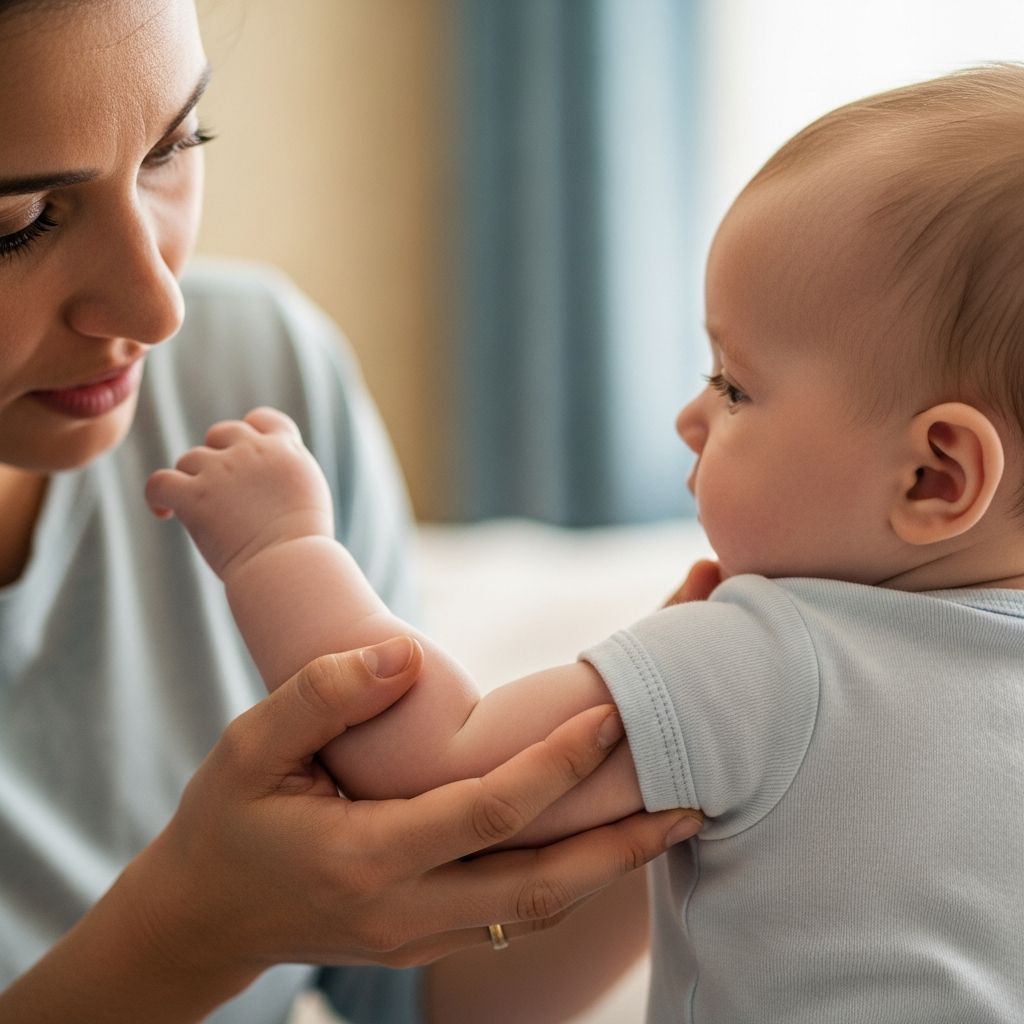
When a baby is born with weakness or limited movement in one arm, parents often feel shocked and worried. A common cause of this problem is a brachial plexus birth injury, which affects the network of nerves that helps the shoulder, arm, and hand move and feel.
This article explains brachial plexus birth injuries in simple language, walking through symptoms, causes, diagnosis, treatment options, and what parents can do at home to support recovery.
What Is the Brachial Plexus?
The brachial plexus is a bundle of nerves that starts in the neck and travels through the shoulder, down into the arm and hand. These nerves carry:
- Motor signals that tell muscles when and how to move.
- Sensory signals that bring information about touch, temperature, and pain back to the brain.
Because these nerves control so much of the upper limb, damage to them can affect a baby’s ability to lift the shoulder, bend the elbow, grip objects, or feel touch in the arm or hand.
What Is a Brachial Plexus Birth Injury?
A brachial plexus birth injury happens when the brachial plexus nerves are stretched, compressed, or torn around the time of delivery. It usually affects one side of the body and is noticed soon after birth when the baby does not move one arm like the other.
Doctors may use specific names depending on which part of the nerve network is involved. For example, injuries higher up in the plexus near the neck often affect shoulder and elbow movement, while more extensive injuries can affect the entire arm, including the hand.
How These Injuries Happen Around Birth
During a vaginal delivery, a baby’s shoulders must pass through the birth canal after the head is delivered. If this passage is difficult, extra pressure may be placed on the neck and shoulder area. In some cases, that strain can injure the brachial plexus.
Factors that can increase the chances of a brachial plexus injury include:
- Baby’s larger size (often called macrosomia).
- Shoulder getting temporarily stuck after the head is born (shoulder dystocia).
- Prolonged or very rapid labor.
- Breech presentation, especially when the arms are raised above the head.
These risk factors do not mean that an injury will definitely occur, and many babies with these conditions are born without nerve damage. Sometimes a brachial plexus injury happens even when labor and delivery seem typical.
Types of Nerve Damage in the Brachial Plexus
The severity of a brachial plexus birth injury depends on how much the nerve fibers are damaged. Doctors generally describe several levels of injury:
- Neuropraxia: The nerve is stretched but not torn. This is the mildest form and often heals on its own over time.
- Axon damage (axonotmesis): The inner part of the nerve fiber is damaged, but the outer covering may stay partly intact. Recovery can occur, but it may be slower and incomplete.
- Rupture: The nerve is torn, but not where it attaches to the spinal cord. Surgery is often needed to improve function.
- Avulsion: The nerve root is pulled away from the spinal cord. This is the most severe type and cannot be directly repaired or reattached. Surgeons may use nerve transfers to improve function.
In many babies, different parts of the brachial plexus can have different levels of damage. This is why every child’s injury and recovery path is unique.
Common Signs in Newborns
Parents and medical staff usually notice symptoms soon after birth. Typical signs of a brachial plexus birth injury include:
- Limited or absent movement in one arm while the other moves normally.
- Arm held close to the body with the elbow straight and the forearm turned inward.
- Weak or absent grasp in the hand on the affected side, depending on which nerves are involved.
- Possible lack of feeling or reduced reaction to touch on the affected arm or hand.
- Asymmetry when the baby startles or stretches—one arm moves up while the other stays still.
In some cases, there may also be swelling or bruising in the shoulder area, or signs of a broken collarbone or upper arm bone, which can happen along with nerve injury.
How Doctors Evaluate the Injury
Diagnosis starts with a detailed physical examination shortly after birth and during follow-up visits. The health care provider gently observes how the baby moves and positions the arms, checks reflexes, and looks for muscle strength and tone.
To better understand the extent of nerve damage, the medical team may recommend:
- Imaging tests such as ultrasound or MRI to look at the shoulder area, bones, and nearby soft tissues.
- Nerve studies (like nerve conduction tests or electromyography) when the baby is older, to assess how well the nerves are sending signals to the muscles.
These tests, combined with the physical exam, help determine whether the injury is mild and likely to improve on its own or more serious and possibly in need of surgery.
Typical Recovery Outlook
Many babies with mild brachial plexus injuries recover much or all of their arm function within the first several months of life. As nerve irritation settles and healing begins, movement slowly returns.
However, recovery is not guaranteed, and some children are left with ongoing weakness, stiffness, or differences in arm length or muscle development. Prompt evaluation and early therapy increase the chances of the best possible outcome.
Approximate Time Frames for Healing
| Injury severity | What may be seen | Typical course |
|---|---|---|
| Mild stretch (neuropraxia) | Some movement present; gradual improvement. | Noticeable gains over weeks to months; many babies recover most function. |
| Moderate injury | Weakness in shoulder and elbow, maybe hand. | Slow improvement; may still have some long-term limitations. |
| Severe rupture or avulsion | Little or no movement; hand and arm very weak. | Often needs surgery and long-term therapy; full recovery is less likely. |
Treatment Approaches
Treatment plans depend on the child’s age, how severe the injury is, and how the arm is progressing over time. Care often involves a team, which may include pediatricians, neurologists, orthopedic or plastic surgeons, and physical or occupational therapists.
Non-Surgical Care
For many infants, treatment starts with gentle, hands-on approaches. Non-surgical care usually includes:
- Range-of-motion exercises: Carefully moving the baby’s shoulder, elbow, wrist, and fingers to reduce stiffness and prevent contractures.
- Positioning strategies: Supporting the arm during feeding, sleep, and play to protect it while still encouraging movement.
- Strengthening activities: As motion returns, therapists guide parents through exercises that help build strength in the affected muscles.
Therapy is often started within the first few weeks of life and continues regularly. Parents are taught how to safely practice exercises at home several times a day.
When Surgery Is Considered
Surgery is not needed for every child. It is generally considered when:
- There is little or no improvement in key movements (such as elbow bending) within several months.
- Testing shows more severe nerve damage, such as a rupture or avulsion.
- The pattern of weakness suggests that natural recovery alone will not be enough.
Surgical options may include nerve grafts (bridging a gap with donor nerves) or nerve transfers (redirecting working nerves to help weak muscles). Later on, some children may need procedures on muscles, tendons, or bones to improve positioning and function of the arm.
How Parents Can Help at Home
Parents play a central role in supporting recovery. Daily routines become opportunities to protect the injured arm while also stimulating it safely.
Helpful strategies include:
- Performing prescribed stretches and exercises as instructed by the therapist.
- Using both sides of the body during play, encouraging the baby to look toward and reach with the affected arm.
- Supporting the shoulder and arm when lifting, holding, or carrying the baby.
- Watching for signs of pain, swelling, or changes in movement and reporting them to the health care team.
Consistency matters more than intensity. Small, frequent, gentle sessions spread throughout the day are often more effective and more comfortable for the baby.
Emotional Impact on Families
A brachial plexus birth injury can be emotionally overwhelming. Parents may feel guilt, confusion, or anger, even though they did nothing to cause the problem. These reactions are understandable and very common.
Seeking support can make a big difference. Talking with the medical team, connecting with other families who have faced similar injuries, and considering counseling or support groups can help parents cope while focusing on their child’s progress.
Long-Term Outcomes and Daily Life
Many children with brachial plexus birth injuries go on to lead active lives. Some have almost normal arm function, while others may notice differences in strength, range of motion, or appearance compared to the other side.
Over time, the care team monitors:
- Growth and alignment of the shoulder, arm, and hand.
- Fine motor skills like grasping, writing, or buttoning clothes.
- Adaptations needed for school, sports, and leisure activities.
With early intervention and ongoing support, many children find ways to participate fully in play, school, and family life, even if some limitations remain.
Practical Questions to Ask the Care Team
To better understand the child’s condition and treatment plan, parents may find it helpful to ask questions such as:
- Which parts of my baby’s arm are affected?
- What type of nerve damage is suspected or confirmed?
- What signs should I look for that indicate improvement?
- How often should we do exercises, and what should we avoid?
- At what point would you consider surgery, and what are the goals?
- How will this injury likely affect my child as they grow?
Having a written list of questions and taking notes during appointments can help families feel more confident and informed.
Sample Daily Home Routine
Every baby’s program will differ, but the following sample schedule shows how therapeutic activities can be woven into everyday life.
| Time of day | Activity | Focus |
|---|---|---|
| Morning | Gentle range-of-motion exercises after diaper change. | Maintain flexibility and prevent stiffness. |
| Midday | Tummy time with toys placed to encourage reaching with the affected arm. | Strengthen shoulder and trunk muscles; encourage use of the weaker side. |
| Afternoon | Supported sitting or lap play, letting the baby explore soft objects with both hands. | Develop coordination and hand use. |
| Evening | Short stretching session during bath or before sleep. | Relax muscles and maintain joint mobility. |
Frequently Asked Questions (FAQs)
Is a brachial plexus birth injury painful for my baby?
Some babies may show signs of discomfort, especially if there are associated injuries like fractures or significant swelling. However, many infants with nerve damage alone do not appear to be in severe constant pain. If a baby seems unusually fussy, cries when the arm is moved, or seems uncomfortable, it is important to discuss these signs with the health care provider.
Will my child regain full use of the arm?
Outcomes vary widely. Mild injuries often improve significantly within months, and many children regain nearly normal function. More severe injuries may leave lasting weakness or differences in movement, even with surgery and therapy. The care team will monitor progress over time and provide the best available information about likely long-term function.
Can this injury affect both arms?
Most brachial plexus birth injuries involve only one arm. Injuries affecting both arms at birth are possible but much less common. The pattern of involvement helps doctors distinguish this condition from other causes of newborn weakness.
Is it my fault that this happened?
Parents often blame themselves, but a brachial plexus injury is not caused by anything they did or did not do during pregnancy. Many factors during labor and delivery are outside a parent’s control. Focusing on the child’s care and recovery is more helpful than dwelling on guilt.
Will my child be able to participate in sports?
Many children with mild to moderate injuries can participate in physical activities and sports, sometimes with small adaptations. Those with more significant weakness may need to avoid certain contact sports or modify techniques. As the child grows, therapists and doctors can offer guidance about safe and enjoyable activities.
How often will my child need follow-up?
Follow-up schedules vary, but visits are typically more frequent in the first year, when most recovery occurs and key decisions—such as whether to consider surgery—are made. Later visits may be spaced out to track growth, function, and any new challenges that arise with school and play.
Key Takeaways for Parents
- A brachial plexus birth injury affects the nerves that control a baby’s shoulder, arm, and hand, leading to weakness or limited movement.
- Many babies with mild injuries improve significantly over time, especially with early therapy and home exercises.
- More severe injuries may require surgery and long-term rehabilitation, and some differences in arm function can remain.
- Parents are essential partners in treatment and can support their child’s recovery through daily care, emotional support, and close collaboration with the medical team.
With information, guidance, and patience, families can navigate a brachial plexus birth injury and help their child reach the fullest possible potential.