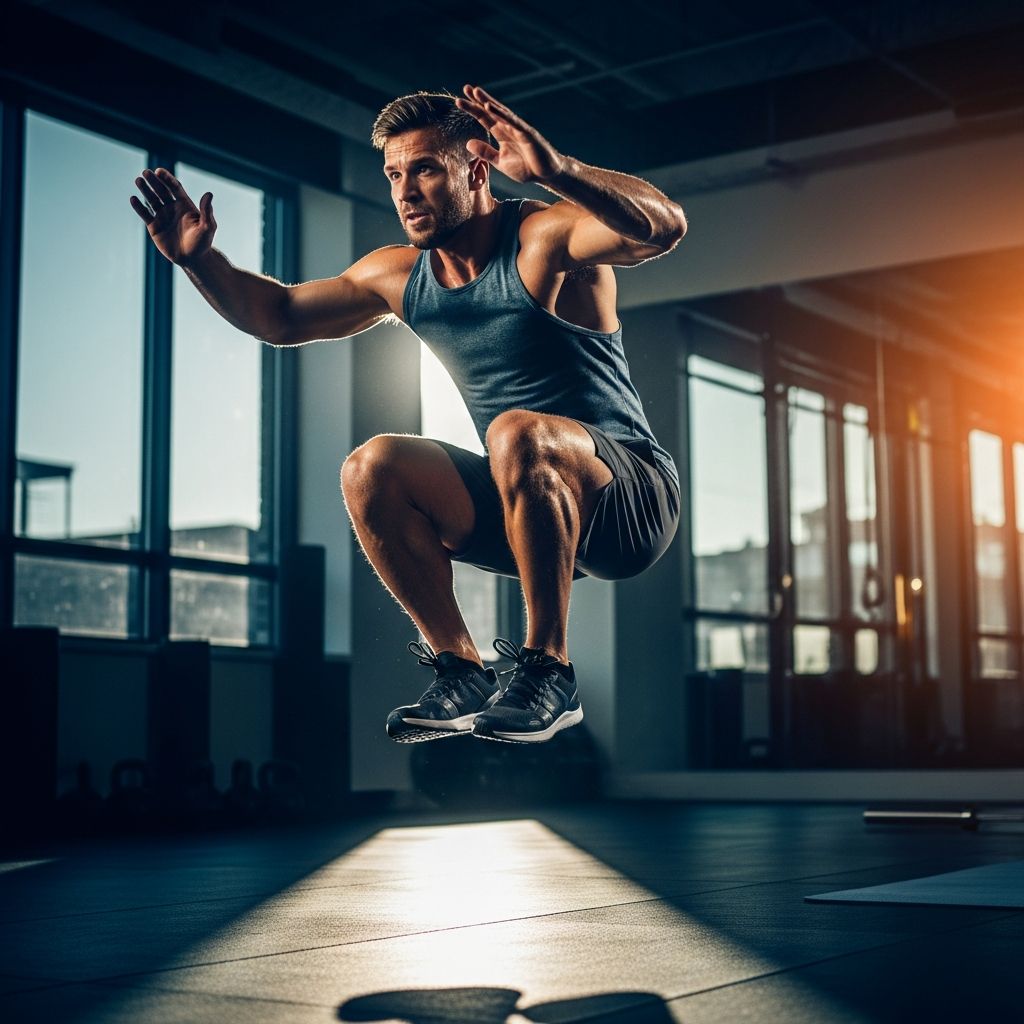
High-Intensity Interval Training (HIIT) using only bodyweight redefines efficient exercise, delivering profound physiological changes in far less time than traditional workouts. This approach alternates explosive efforts at near-maximal intensity with brief recoveries, optimizing fat loss, cardiovascular capacity, and metabolic health without gym access.
The Science Powering Bodyweight HIIT Success
HIIT triggers adaptations like elevated VO2 max—the body’s maximum oxygen utilization during exercise—often surpassing moderate continuous training (MICT) despite shorter durations. Research defines HIIT as short bursts ≥90% VO2 max or >75% maximal power, with rest periods, fostering mitochondrial biogenesis for enhanced energy production.
Meta-analyses confirm HIIT boosts aerobic power, endurance, resting metabolic rate, insulin sensitivity, and body composition across populations, from healthy adults to those with metabolic issues. Post-workout, excess post-exercise oxygen consumption (EPOC) elevates metabolism for up to 24 hours, accelerating calorie burn even at rest.
Bodyweight variants excel in accessibility, engaging multiple muscle groups for functional strength while improving flexibility and reducing injury risk through dynamic movements. Unlike weighted HIIT, they demand no equipment, making them ideal for home or travel.
Key Health Transformations from HIIT
- Cardiovascular Enhancement: HIIT lowers resting heart rate, blood pressure, and improves oxygen delivery, with studies showing superior stroke volume gains over steady-state cardio.
- Fat Reduction and Metabolism Boost: It targets visceral fat, shrinks waistlines, and heightens fat oxidation enzymes, yielding body composition improvements comparable to longer MICT sessions.
- Muscle Preservation and Growth: High-intensity bursts preserve lean mass while building endurance, activating both oxidative and glycolytic systems.
- Blood Sugar Control: HIIT enhances insulin sensitivity and lowers glucose levels, benefiting type 2 diabetes management.
- Performance and Longevity: Increases in buffering capacity and glycogen stores support better high-intensity efforts and delay fatigue.
Designing Your Ideal Bodyweight HIIT Session
Structure sessions around 20-30 minutes: warm-up (5 minutes dynamic stretches), 4-8 intervals of 20-60 seconds all-out effort followed by 30-90 seconds recovery, and cool-down. Aim for 3-5 sessions weekly, progressing intensity via shorter rests or added reps.
Monitor effort with Rate of Perceived Exertion (RPE): target 8-10/10 during work (very hard). Beginners start with 20-second bursts; advanced use Tabata (20s on/10s off x8). Hydrate, fuel with carbs pre-workout, and prioritize recovery nutrition.
Beginner Bodyweight HIIT Routine: Build Foundations
This 20-minute circuit suits newcomers, focusing on form to prevent injury while sparking metabolic shifts. Perform 3 rounds, 30s work/30s rest per exercise.
| Exercise | Description | Target Areas |
|---|---|---|
| High Knees | Run in place, driving knees to chest explosively. | Core, legs, cardio |
| Squats | Feet shoulder-width, lower until thighs parallel, explode up. | Quads, glutes, stability |
| Push-Up Knee Tucks | Plank push-up, alternate knee to chest at top. | Chest, abs, shoulders |
| Mountain Climbers | Plank position, rapid knee drives to chest. | Full body, endurance |
| Rest | Walk or light jog. | Recovery |
Expect elevated heart rate and EPOC effects, burning 200-300 calories per session with afterburn. Progress by reducing rest to 20s.
Intermediate HIIT Circuit: Elevate Intensity
Advance to 25 minutes with compound moves demanding power. 40s work/20s rest, 4 rounds. Emphasizes glycolytic training for VO2 max gains.
- Burpees: Squat, plank kickback, jump-up with clap. Builds explosive power.
- Jump Squats: Deep squat to vertical leap. Enhances lower-body strength.
- Plank Jacks: Plank, jump feet out/in like jumping jacks. Core and agility.
- Reverse Lunges with Knee Drive: Lunge back, drive knee forward explosively. Balance and legs.
- Bicycle Crunches: Supine, alternate elbow-to-knee twists rapidly. Obliques and abs.
This protocol mirrors studies showing superior VO2 max improvements from longer intervals. Track progress with timed rounds.
Advanced Bodyweight HIIT: Push Limits
For seasoned athletes, this 30-minute burner uses 50s work/10s rest (Tabata-style) x5 rounds. Targets peak power and anaerobic capacity.
| Exercise | Form Tips | Benefits |
|---|---|---|
| Plyo Push-Ups | Explode up to clap hands mid-air. | Upper body power, chest hypertrophy |
| Single-Leg Pistol Squats | Lower on one leg, other extended; assist as needed. | Unilateral strength, mobility |
| Spiderman Planks | Plank, knee to elbow outside hand, alternate fast. | Obliques, hip flexors |
| Speed Skaters | Lateral jumps side-to-side, touching toe behind. | Agility, lateral stability |
| Handstand Hold or Wall Walk | Invert against wall, hold or walk up/down. | Shoulders, core inversion strength |
Delivers mitochondrial adaptations akin to MICT but in 1/5th time. Incorporate weekly for peak conditioning.
Nutrition and Recovery Strategies for HIIT
Fuel with 20-30g protein and carbs within 30 minutes post-workout to maximize glycogen reload and muscle repair. Prioritize sleep (7-9 hours) as HIIT elevates cortisol; use foam rolling and mobility drills on off-days.
Women may adjust for menstrual cycles, easing intensity during luteal phase. Hydrate with electrolytes to counter sweat loss in high-effort bursts.
Common Pitfalls and Pro Tips
- Avoid overtraining: Cap at 5 sessions/week; listen to fatigue cues.
- Perfect form first: Film yourself to refine technique.
- Scale progressively: Add jumps or holds as strength builds.
- Combine with steady cardio: 80/20 rule—80% low-intensity, 20% HIIT.
- Track metrics: Use apps for heart rate variability and progress logs.
Frequently Asked Questions
How often should I do bodyweight HIIT?
3-4 times weekly allows recovery while reaping benefits like VO2 max gains and fat loss.
Is HIIT safe for beginners?
Yes, with modified intensities and proper warm-ups; it improves fitness rapidly without overload.
Can HIIT build muscle without weights?
Absolutely—plyometrics and isometrics promote hypertrophy via metabolic stress and tension.
How long until I see results?
2-6 weeks for VO2 improvements, 4-12 weeks for body comp changes per studies.
Does HIIT work for weight loss?
Highly effective via EPOC and visceral fat targeting, outperforming MICT in time efficiency.
References
- Evidence-Based Effects of High-Intensity Interval Training on Exercise Capacity and Health — Atakan MM et al. PMC. 2021-07-20. https://pmc.ncbi.nlm.nih.gov/articles/PMC8294064/
- The Benefits of High-Intensity Interval Training (HIIT) — Mountainside Fitness. 2023-05-15. https://mountainsidefitness.com/blog/the-benefits-of-high-intensity-interval-training-hiit/
- 7 Benefits of High Intensity Interval Training (HIIT) — Healthline. 2024-01-12. https://www.healthline.com/nutrition/benefits-of-hiit
- The Science Behind HIIT: Why It Works and How To Do It Right — Lake Nona Performance Club. 2023-11-08. https://lakenonaperformanceclub.com/what-is-hiit/
- The Benefits of HIIT and Other Forms of Interval Training — Stanford Lifestyle Medicine. 2022-09-14. https://lifestylemedicine.stanford.edu/the-benefits-of-hiit-and-other-forms-of-interval-training/
- 5 Surprising Benefits of a 30-Minute HIIT Workout — RX30 Fitness. 2024-02-22. https://rx30fit.com/blog/5-surprising-benefits-of-a-30-minute-hiit-workout/