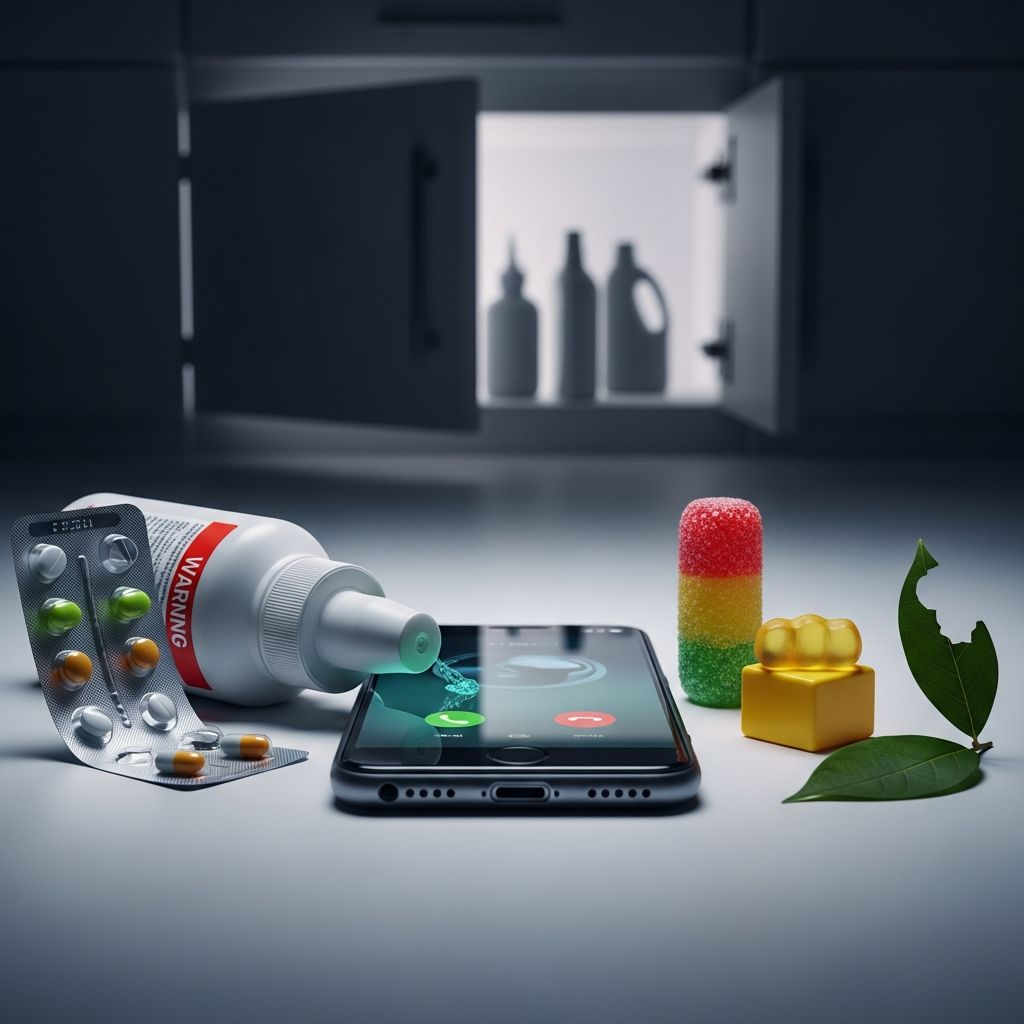
Every year, millions of concerned parents, caregivers, and adults reach out to poison control centers across the United States when they suspect exposure to harmful substances. These free, 24/7 services handle a wide range of incidents, from accidental child ingestions to adult overdoses and environmental hazards. Understanding the primary triggers can empower families to create safer homes and respond effectively during crises.
The Critical Role of Poison Control Centers
Poison control centers serve as the frontline defense against poisoning emergencies, offering expert guidance without the need for an ER visit in many cases. The national toll-free line, 1-800-222-1222, connects callers to local specialists trained in toxicology who assess risks and provide tailored advice. These centers managed over 33.7 million exposures from 2007 to 2021, demonstrating their indispensable role in public health.
Staffed by pharmacists, nurses, and physicians, these centers triage calls swiftly. About 40-60% involve children under six, highlighting the vulnerability of young explorers. Despite a slight decline in total calls, the severity of cases has surged, with unintentional exposures leading to severe harm up 37.4% and deaths up 65.3% among adults. This trend underscores the need for heightened awareness.
Household Pharmaceuticals: The Leading Culprit
Medications top the list of substances prompting poison center calls, often due to accidental overdoses or misuse. Analgesics like acetaminophen and ibuprofen are common in child-related incidents, as curious toddlers access unsecured bottles. Adults frequently call about intentional or recreational misuse, contributing to a 233.9% rise in fatal intentional exposures from 2007-2021.
Prescription opioids, antidepressants, and cardiovascular drugs also feature prominently. In pediatric cases, even small amounts can cause serious effects, with unintentional severe outcomes jumping 190.1%. Prevention starts with childproof caps, high-shelf storage, and medicine lockboxes. Never refer to pills as ‘candy,’ and dispose of unused meds via take-back programs.
| Common Medication Categories | Why They Cause Calls | Prevention Tips |
|---|---|---|
| Pain relievers (e.g., acetaminophen) | Easy access, dosing errors | Lock away, use dosing devices |
| Opioids | Misuse, addiction risks | Secure storage, Naloxone access |
| Antidepressants | Intentional overdoses | Monitor mental health, lock meds |
Cleaning Products and Chemicals in Daily Life
Household cleaners, bleaches, and detergents rank high among non-pharmaceutical exposures. Laundry pods, with their appealing colors and scents, mimic candy and cause choking, burns, or vomiting when ingested by children. Multi-person exposures from chemical spills or improper mixing also drive calls.
Ammonia and other corrosives lead to respiratory issues or skin burns, especially in confined spaces. In one regional study, cleaning substances accounted for 5% of multi-exposure incidents, sometimes with fatal outcomes like the ammonia release during illicit activities. Store these in original containers, away from food, and never mix products like bleach and ammonia, which produce toxic chloramine gas.
- Key Risks: Eye irritation, gastrointestinal distress, chemical burns.
- Safe Practices: Use in ventilated areas, keep locked, read labels.
Gases, Vapors, and Invisible Threats
Fumes, gases, and vapors cause 22% of multi-exposure calls, far outpacing other categories. Carbon monoxide (CO) poisoning from faulty heaters or generators is insidious, with no odor to alert victims. Hydrogen sulfide and ammonia have caused occupational fatalities. These silent killers affect entire households, emphasizing detector maintenance.
Food poisoning and contaminated water also prompt clusters of calls, comprising 9% of multi-victim events. Symptoms like nausea and diarrhea can escalate quickly, especially in children. Install CO detectors, service appliances annually, and refrigerate perishables promptly.
Pesticides, Plants, and Outdoor Hazards
Insecticides and rodenticides, often stored in garages, lure children with sweet smells. They represent 9% of multi-exposures and can cause neurological symptoms. Common houseplants like lilies and philodendrons harbor toxins leading to oral irritation or organ damage.
Bites and envenomations from spiders, snakes, or insects account for 7% of group incidents, particularly in rural areas. Secure pesticides in locked cabinets, choose non-toxic alternatives, and identify plants via apps before purchase.
Trends in Poisoning Severity and Demographics
Recent data reveals alarming shifts: pediatric intentional exposures with severe outcomes rose 76.6%, linked to mental health crises and novel synthetics like designer opioids. Unintentional child cases saw severe harm up 190.1%, despite fewer total calls. Adults face rising intentional deaths, multifactorial with substance abuse and mental health factors.
Women and children under six dominate caller demographics, but multi-exposure events span all ages. The COVID-19 era strained resources, yet centers adapted without proportional ICU surges.

Prevention Blueprint for Families
Proactive steps drastically reduce risks. Program 1-800-222-1222 into every phone—it’s faster than searching online. Conduct home audits: elevate toxins, use locks, and educate siblings on dangers.
- Childproofing: Cabinet latches, toilet locks for cleaners.
- Education: Teach ‘no taste test’ rule, supervise baths.
- Emergency Prep: Ipecac outdated; follow center advice, have syrup of ipecac only if instructed.
- Disposal: FDA take-back sites for meds.
For multi-person risks, ensure workplace safety training and community alerts for spills.
When and How to Contact Poison Control
Call immediately for any suspected exposure—no amount is too small. Provide age, weight, substance, amount, and time elapsed. Specialists guide on observation, activated charcoal, or ER needs. WebPOISONCONTROL offers online triage for minor cases. Avoid inducing vomiting unless directed, as it can worsen injuries.
| Symptom Severity | Action |
|---|---|
| No/minimal symptoms | Monitor at home per advice |
| Moderate (vomiting, drowsiness) | Call poison control, seek medical eval |
| Severe (seizures, breathing issues) | Call 911 first, then poison control |
Frequently Asked Questions
What should I do if my child swallows a button battery?
Seek emergency care immediately—batteries can cause fatal burns within hours. Do not induce vomiting; call 1-800-222-1222 en route.
Is it safe to make a child vomit after ingesting cleaner?
No—many substances worsen with vomiting. Always call poison control first for specific guidance.
How do I prevent carbon monoxide poisoning?
Install detectors on every level, test monthly, and never run engines in garages.
Can poison control help with pet exposures?
Yes, though human-focused, they offer initial advice; follow up with vets.
What if exposure involves multiple people?
Call once with details; centers handle mass incidents efficiently.
Building a Safer Tomorrow
By grasping these common call triggers—from meds to gases—families can avert tragedies. Poison centers save lives daily, but prevention is paramount. Stay vigilant, educate, and act swiftly: dial 1-800-222-1222 at the first sign of trouble. National efforts, like those from America’s Poison Centers, continue advancing data-driven strategies. Empower yourself with knowledge today.
References
- Severity of Calls to U.S. Poison Centers Increases Sharply — University of Virginia School of Medicine. 2023. https://news.med.virginia.edu/research/severity-of-calls-to-u-s-poison-centers-increases-sharply/
- Review of Multi-Person Exposure Calls to a Regional Poison Center — PMC / National Library of Medicine. 2010-08-11. https://pmc.ncbi.nlm.nih.gov/articles/PMC2941369/
- Iowa Poison Control Center — Iowa Poison Control Center. 2025. https://www.iowapoison.org
- Top 3 Reasons People Call Poison Control — University of Utah Health. 2014-03. https://healthcare.utah.edu/the-scope/health-library/all/2014/03/top-3-reasons-people-call-poison-control
- Poison Response — Idaho Department of Health and Welfare. 2025. https://healthandwelfare.idaho.gov/health-wellness/emergency-planning/poison-response
- Poison Control — Poison.org. 2025. https://www.poison.org