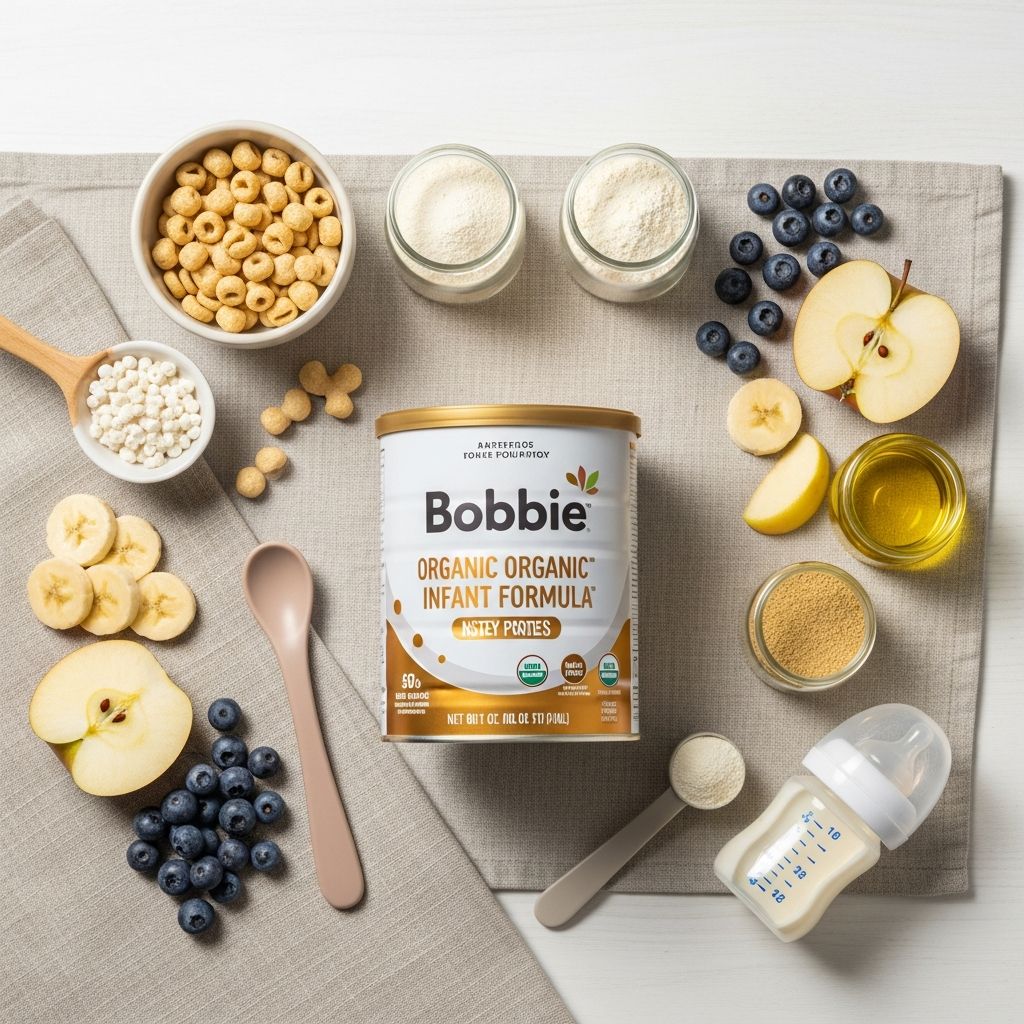
Choosing an infant formula can feel overwhelming, especially when new brands promise cleaner ingredients, European-style standards, and an experience closer to breast milk. Bobbie has become a standout name in that space, offering an organic, U.S.-made formula inspired by European guidelines and focused on simplicity, transparency, and gentle digestion.
What Is Bobbie Infant Formula?
Bobbie is an organic infant formula designed for babies from birth through 12 months, created to nutritionally resemble breast milk while meeting U.S. regulations and aligning with several European-style requirements. It is marketed as a premium, clean-label option for parents who want high-quality ingredients without importing formula from overseas.
The company positions Bobbie as a lactose-based formula with an emphasis on non-GMO, organic dairy and a balanced blend of fats, carbohydrates, and proteins. This approach appeals to parents seeking a middle ground between U.S. convenience and European-style nutritional philosophy.
Key Principles Behind Bobbie’s Recipe
Instead of reinventing infant nutrition, Bobbie’s formulation philosophy is to take what is known about breast milk and infant needs and work backwards to craft a formula that is both simple and regulated. That means prioritizing ingredients that are familiar, clinically backed, and strictly controlled for safety.
Several pillars define the brand’s approach to formulation:
- Organic dairy first: Milk from organic, pasture-raised cows provides the base for the formula.
- Lactose as the main carbohydrate: Lactose, the primary sugar in breast milk, is used instead of corn syrup or other sweeteners.
- European-style nutrient targets: The recipe aims to align with many EU standards, particularly for fats such as DHA and certain micronutrients, while still being fully compliant with U.S. regulations.
- Streamlined ingredient list: The goal is to avoid unnecessary additives, flavorings, and controversial oils where possible.
Ingredients and What They Mean for Your Baby
For many families, the ingredient label is the first place they look when comparing formulas. Bobbie emphasizes a clear list of components that aim to support growth, digestion, and brain development while minimizing unnecessary extras.
Below is a simplified breakdown of the main ingredient categories and what they are intended to do:
| Component | What It Does | Why It Matters |
|---|---|---|
| Organic cow’s milk | Provides protein, natural fats, and lactose. | Forms the nutritional backbone of the formula and supports growth. |
| Lactose | Main carbohydrate source, similar to breast milk sugar. | Supports energy needs and may be gentler than corn-syrup-based sweeteners. |
| Added whey proteins | Adjusts the whey-to-casein ratio closer to breast milk. | Can make the formula easier to digest for many infants. |
| Blend of plant-based oils | Supplies essential fatty acids and energy. | Helps mimic the fat profile of breast milk while avoiding certain controversial oils. |
| DHA and ARA | Long-chain fatty acids that support brain and eye development. | Often highlighted as important in the first year of life. |
| Vitamins and minerals | Includes iron, calcium, vitamin D, and others. | Ensures the formula can meet complete nutritional needs for infants who are formula-fed. |
While the exact ratios and levels of these ingredients are tightly regulated, parents can take reassurance from the fact that a modern infant formula must meet robust standards for safety and adequacy, with Bobbie positioning itself toward the higher end of ingredient quality within that framework.
How Bobbie Approaches European-Style Standards
The term “European-style” in formula typically refers to specific benchmarks for ingredients such as DHA, the absence of certain sweeteners or additives, and stricter agricultural practices for the milk supply. Bobbie aims to blend those expectations with domestic oversight.
This can show up in several ways, such as a higher level of DHA than many conventional U.S. formulas, reliance on lactose rather than corn syrup solids, and targets for iron and other micronutrients inspired by European regulations. For families who like the concept of imported formula but want consistent domestic availability, this hybrid approach can be appealing.
Who Bobbie Is Best Suited For
No single formula will work perfectly for every baby, but Bobbie is designed for healthy, full-term infants without known allergies to cow’s milk protein or lactose. It is a general-purpose formula rather than a specialized medical product, which means it is not created specifically for preemies or babies with complex feeding disorders.
Parents often consider Bobbie in situations such as:
- Exclusive formula feeding from birth.
- Supplementing breast milk when pumping or breastfeeding is not always possible.
- Transitioning from imported formulas or other organic brands and looking for a domestic option with similar philosophy.
- Seeking a formula that avoids certain ingredients, like corn syrup and some common oils, while staying within mainstream nutritional guidelines.
Bobbie in Everyday Feeding Routines
How Bobbie fits into your day-to-day life depends on your feeding style. Some parents use it exclusively, while others combine it with breastfeeding or pumped milk, often called combo feeding. A flexible approach can help families share feeding responsibilities and relieve pressure on the primary caregiver.
In practical terms, parents often appreciate that a consistent formula can make it easier to track intake, notice patterns, and troubleshoot digestive concerns. Because Bobbie has a relatively straightforward ingredient list, some families feel more confident experimenting with feed timing and volume as their baby grows.
Common Ways Parents Use Bobbie
- Nighttime bottles: Using Bobbie for overnight feeds so partners or caregivers can help, allowing the breastfeeding parent more rest.
- On-the-go backup: Keeping pre-measured formula and water in a diaper bag for travel, errands, or daycare.
- Gradual transition: Introducing Bobbie alongside breast milk to slowly move toward full formula feeding if desired.
- Return-to-work support: Complementing or replacing pumped milk on days when pumping yields are lower.
Price, Accessibility, and Subscription Options
Bobbie generally sits at the premium end of the U.S. formula market, which reflects its organic certification and ingredient sourcing. This can be a limiting factor for some families, especially those managing a strict budget or feeding multiples.
To address availability concerns, the brand offers subscription delivery as well as presence at major retailers, depending on location. Subscription can provide predictability in cost and supply, while brick-and-mortar availability offers flexibility for last-minute purchases or travel.
| Channel | Pros | Considerations |
|---|---|---|
| Direct subscription | Reliable supply, potential discounts, home delivery. | Requires planning and commitment; may need adjustments if baby’s intake changes quickly. |
| Retail stores | Grab-and-go convenience; helpful during travel or emergencies. | Local stock levels can vary; less predictable in times of high demand. |
| Online retailers | Ability to compare prices, read reviews, and bundle with other baby items. | Shipping times and costs may vary; watch for third-party sellers when buying online. |
Benefits Parents Often Report
Every baby responds differently to formula, but certain patterns show up in parent feedback about Bobbie. Many families describe a smoother transition from breast milk, steady growth, and an overall sense of trust in the ingredient list.
Some commonly cited positives include:
- Gentle digestion: Parents sometimes notice fewer issues with gas, constipation, or spit-up compared with other formulas, especially when switching from formulas that contain corn syrup or different protein structures.
- Appeal to babies: Many caregivers say their infants accept the formula readily, with minimal resistance to taste or smell.
- Perceived quality: The combination of organic certification, European-inspired nutrient targets, and clear labeling tends to boost parental confidence.
- Consistency: Once families settle on Bobbie, they often appreciate that the formula performs predictably across multiple cans and over time.
Potential Drawbacks to Consider
Even highly regarded formulas have trade-offs, and it is important to weigh them against your family’s needs. Bobbie may not be the ideal choice in every situation, particularly when specific medical or financial constraints are present.
Key considerations include:
- Price point: The premium cost can be challenging for long-term exclusive formula feeding, especially without supplemental assistance programs.
- Not hypoallergenic: Babies with confirmed cow’s milk protein allergy or certain digestive conditions typically need specialized formulas, which Bobbie is not designed to replace.
- Availability variability: During periods of high demand, it may require planning ahead or using both subscription and retail channels to avoid gaps in supply.
- Personal fit: Some babies simply do better on different formulations, such as partially hydrolyzed or soy-based options, and parents may need to experiment in partnership with a pediatrician.
How Bobbie Compares to Typical U.S. and European Formulas
Parents often wonder where Bobbie sits on the spectrum between mainstream American formulas and imported European brands. While formulas are highly regulated across regions, there are meaningful differences in ingredient choices and nutritional targets.
The table below summarizes broad trends; individual brands and versions will vary, so always read the specific label for your product.
| Aspect | Bobbie | Typical U.S. Formula | Imported European Formula |
|---|---|---|---|
| Carbohydrate source | Primarily lactose. | Often a mix of lactose and corn syrup solids. | Frequently lactose-focused, depending on brand. |
| Organic status | Certified organic. | Many are conventional; some organic options exist. | Many popular imports are organic or biodynamic. |
| DHA levels | Aims to align with stricter European-style recommendations. | Can vary, sometimes at or near the minimum U.S. requirement. | Usually complies with EU minimum DHA requirements. |
| Protein ratio | Adjusted whey-to-casein ratio closer to mature breast milk. | Varies; not all formulas target a specific ratio. | Often tuned to match breast milk ratios, depending on stage. |
| Availability | Domestic, subscription and retail channels. | Widely available across grocery and drug stores. | Subject to import limitations and stock variability. |
Practical Tips for Trying Bobbie
If you are considering Bobbie, it may be helpful to approach the switch thoughtfully rather than abruptly, especially if your baby is already on another formula or breast milk. Gradual changes often allow you to watch for any digestive or behavioral responses.
Some practical steps include:
- Talk to your pediatrician first: Share your baby’s growth history, any history of allergies, and your feeding goals before switching.
- Introduce slowly: Start by replacing one feeding per day and increase over several days if your baby seems comfortable.
- Monitor diapers and mood: Track stool frequency, consistency, gas, spit-up, and general comfort.
- Keep hydration in mind: If your baby’s stools become very firm or infrequent, consult your pediatrician rather than experimenting on your own.
- Keep notes: Briefly record any changes in sleep, feeding volume, and fussiness for a week or two as you transition.
Frequently Asked Questions About Bobbie Formula
Is Bobbie closer to breast milk than other formulas?
Bobbie’s marketing emphasizes its similarity to breast milk in terms of protein ratio, lactose-based carbohydrates, and inclusion of DHA and ARA. While no formula can fully replicate human milk, many of its design choices align with what researchers know about breast milk composition, and that is a key part of its appeal to parents.
Can Bobbie be used from birth?
Bobbie is intended for full-term infants starting from birth, provided there are no contraindications such as cow’s milk protein allergy or specific medical conditions. Families of preterm or medically fragile babies should work closely with a pediatrician or neonatologist, as those infants often require specialized formulas.
Is Bobbie safe for babies with mild sensitivity?
Some babies who experience minor digestive discomfort on other formulas do better when switched to a lactose-based, European-style formulation like Bobbie, but this is not guaranteed. If your baby has suspected allergies, blood in stools, severe eczema, or persistent vomiting, medical evaluation is crucial before trying any new formula.
Is Bobbie available through government assistance programs?
Coverage under programs such as WIC or local assistance initiatives depends on your state or region and can change over time. Parents interested in using Bobbie through assistance programs should contact their local agencies or clinics to ask about approved brands and potential substitutions.
Can I switch back and forth between Bobbie and other formulas?
In many cases, babies can tolerate switching between similar formulas, but frequent changes may make it harder to identify what is causing any symptoms that arise. If you plan to alternate formulas because of availability, travel, or cost, try to stay within a small group of options and involve your pediatrician in the plan.
How long can prepared Bobbie formula be stored?
As with most powdered formulas, common guidance is that a freshly mixed bottle can typically sit at room temperature for a limited period and in the refrigerator for a somewhat longer window, as long as the baby has not yet fed from it. Once a baby drinks from the bottle, it should usually be discarded within a short timeframe. Always follow the specific storage instructions on the Bobbie container and ask your pediatrician if you have questions.
Making a Confident Choice for Your Family
Deciding on an infant formula is deeply personal and often emotional, especially when parents feel pressure around breastfeeding or financial constraints. Bobbie offers an option for families who value organic ingredients, European-style nutrition benchmarks, and transparent sourcing while still wanting the reassurance of a U.S.-regulated product.
Whether you choose Bobbie or another formula, the most important factor is that your baby is fed, growing, and cared for by a caregiver who feels supported and informed. There is no single perfect formula, but there are many good choices—and the right one is the one that fits your baby’s health needs and your family’s realities.