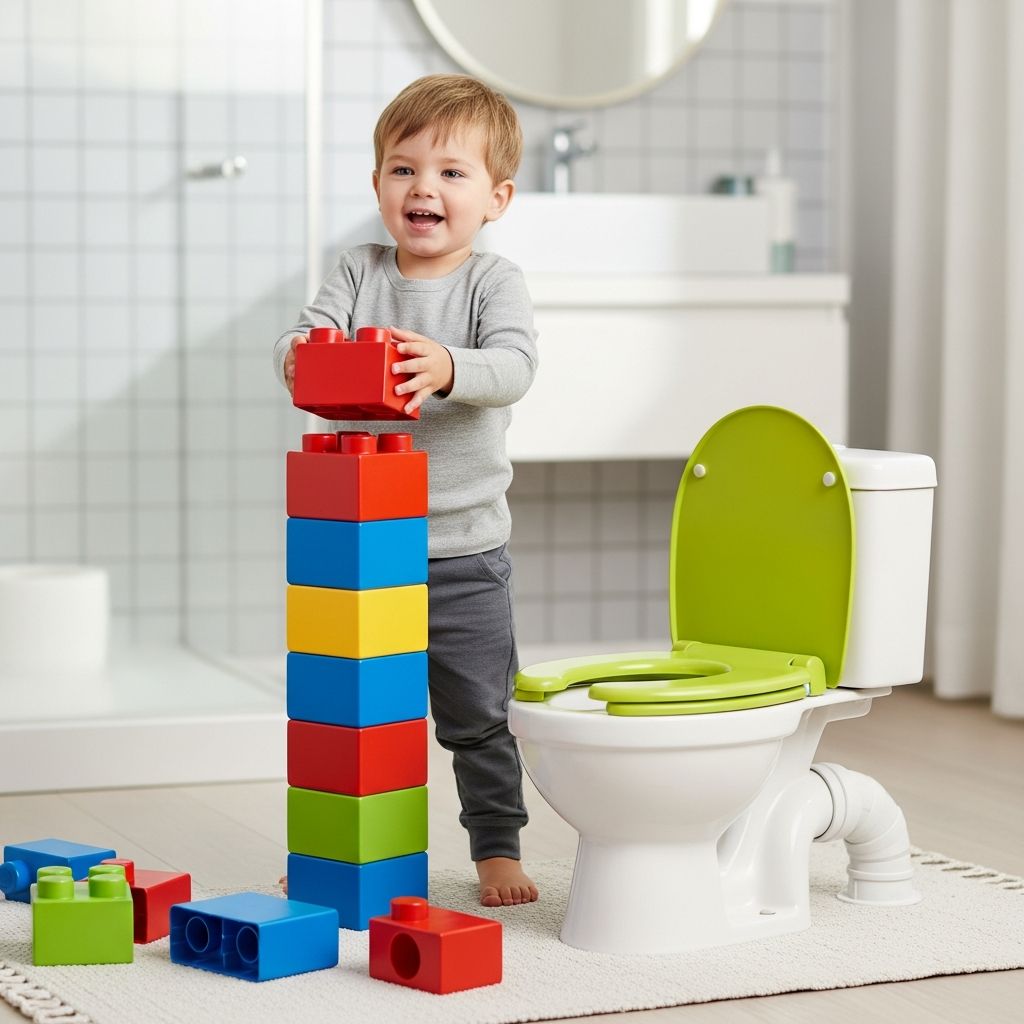
Understanding the Block-Based Approach to Toilet Training
Toilet training represents a significant developmental milestone in a child’s life, and the methods parents choose can greatly influence both the process and outcome. The block-based approach to potty training has gained considerable attention among modern parents seeking structured yet flexible methods. Unlike traditional time-based frameworks that assign specific days to training phases, this methodology divides the process into distinct developmental blocks, each focusing on specific skills and readiness markers. This approach recognizes that every child progresses at their own pace, making it ideal for parents who want guidance without rigid timelines.
The fundamental philosophy behind this method emphasizes gradual skill acquisition rather than rushing through predetermined stages. Parents working with this system focus on moving their children forward when they demonstrate mastery of each block’s objectives, rather than adhering to arbitrary day counts. This flexibility reduces pressure on both parent and child while maintaining clear benchmarks for success.
Preparing for the Training Journey
Before beginning any toilet training initiative, parents should assess whether their child displays signs of readiness. Key indicators include the ability to follow simple instructions, demonstrating awareness of bodily functions, showing interest in bathroom habits, and possessing the physical ability to sit on a toilet or potty chair. Children typically display these signs between 18 months and three years of age, though some may be ready earlier or later.
Preparation extends beyond identifying readiness signs. Parents should invest in appropriate equipment such as a child-sized potty chair or seat reducer for the regular toilet. Many families find portable potty chairs particularly valuable during the initial training stages, as they allow for convenient access throughout the home. Creating a designated bathroom space that feels comfortable and safe for your child encourages positive associations with the training process.
Environmental preparation also matters significantly. Choosing a timeframe when your family can dedicate focused attention to training—such as during a period without major life disruptions—increases the likelihood of success. Some parents find summer months advantageous since children can remain partially clothed more comfortably.
The First Block: Establishing Bodily Awareness
The initial phase of training focuses on helping children develop awareness of their bodily functions. During this stage, children remain completely naked from the waist down, allowing them to observe their own elimination processes directly. This visibility is crucial for developing the neurological connections between bodily sensations and the act of elimination.
Parents during this phase must maintain close observation of their child’s patterns and behavioral cues. Watching for signs such as squatting, crossing legs, holding their genitals, or sudden stillness helps parents anticipate elimination moments. When parents observe these signals, they calmly alert their child using simple, matter-of-fact language such as “You’re peeing” or “You’re pooping,” while quickly positioning them on the potty. The calm, neutral tone prevents children from developing anxiety or shame around natural bodily functions.
A critical guideline during this stage involves never asking children if they need to use the toilet. Questions imply uncertainty and create opportunities for children to refuse or delay. Instead, parents provide calm directives based on observed cues and established patterns. This block typically lasts several days, with many children demonstrating noticeable progress within the first week.
Accidents during this phase are inevitable and should be treated matter-of-factly. Cleaning up without excessive attention or emotional reaction helps children understand that elimination is a natural process, not something to fear or feel ashamed about. Celebration of successes, though important, should remain calm and proportionate to avoid creating pressure.
The Second Block: Transitioning to Clothed Training
Once children demonstrate consistent awareness of their elimination patterns and can hold elimination briefly to reach the potty, parents introduce clothing. However, this stage specifically excludes underwear—a concept referred to as “commando” training. This distinction proves important because traditional underwear can trigger automatic elimination responses in children accustomed to diapers, potentially reversing progress.
During this stage, children wear loose-fitting pants, shorts, or dresses without underwear underneath. Loose clothing allows for quick removal if needed and prevents the pressure sensations that might trigger unintended elimination. Parents continue observing behavioral cues and prompting children to use the toilet, though children may now demonstrate increased ability to communicate their own needs.
Short, structured outings become possible during this block, though parents should avoid extended trips or situations with limited bathroom access. Active, movement-based outings such as playground visits work better than seated activities like shopping, as seated pressure can stimulate elimination urges.
This stage represents an important confidence-building period. Children experience increasing independence in their ability to manage clothing while maintaining toilet success. The transition from complete nakedness to wearing clothes represents tangible progress that many children find motivating.
The Third Block: Managing Varied Environments
As children consistently maintain toileting success in their home environment while wearing commando clothing, the third block introduces variability in situations and locations. This stage prepares children for the unpredictability of real-world circumstances while maintaining the commando clothing approach.
During this block, parents gradually extend outings to longer durations and different environments. A child might progress from short playground visits to shopping trips, restaurant meals, and visits to friends’ homes. Each new environment presents different bathroom locations, layouts, and accessibility, requiring children to adapt their skills flexibly.
Parents continue providing prompting and guidance, though children increasingly initiate toilet use independently. Accidents may occur as children navigate new situations, but parents maintain the same calm, matter-of-fact response used earlier in training. The focus remains on helping children understand that their toileting skills apply across different settings.
This block demonstrates to children that they possess genuine competence in managing their toileting independently. Successfully using unfamiliar bathrooms builds confidence and resilience, preparing them for school and other social environments.
The Fourth Block: Introducing Underwear
The introduction of underwear marks a significant milestone in the training process. By this stage, children have developed strong awareness of their bodily signals and have practiced managing elimination in varied environments. They possess the foundational skills necessary to wear underwear without regression.
Many families make this transition special by involving children in selecting underwear featuring favorite characters or patterns. This tangible representation of progress often motivates children and creates positive associations with this new stage. Parents can celebrate this milestone appropriately, creating a sense of achievement.
During this phase, children continue receiving prompting as needed, though many now consistently communicate their toileting needs independently. Accidents remain possible and should be addressed calmly. Some children experience increased accidents when wearing underwear due to the sensory difference from their previous commando phase, but this typically resolves as they adapt.
The flexibility children develop in previous blocks enables them to adapt to the sensation and functionality of underwear relatively quickly. This stage further normalizes toileting and integrates it into daily routines with typical clothing.
Advanced Stages: Self-Initiation and Night Training
As children progress through the foundational blocks, they eventually demonstrate consistent, independent initiation of toileting without parental prompting. This self-directed behavior represents the achievement of true toilet training, where children recognize bodily signals and respond appropriately without external guidance.
Some families choose to incorporate nighttime training simultaneously with daytime training, while others prefer to address nighttime dryness separately after daytime competence is established. Nighttime training involves additional physiological maturation related to hormone production and sleep cycles, and children may achieve daytime independence well before nighttime dryness becomes consistent.
Parents who address nighttime training alongside daytime training follow similar block progression but maintain heightened vigilance during sleep periods and respond to any nighttime accidents with the same calm, supportive approach used during daytime training.
Essential Strategies for Success
Several practical strategies support successful progression through the training blocks:
- Observation and patience: Parents who closely observe their individual child’s patterns and temperament can tailor their approach accordingly, moving through blocks based on genuine readiness rather than arbitrary timelines.
- Consistent language: Using simple, consistent terminology for bodily functions and toileting helps children develop clear understanding and communication abilities.
- Calm emotional responses: Maintaining neutral, supportive responses to both successes and accidents prevents children from developing anxiety or shame around natural processes.
- Appropriate equipment: Having properly sized potties and toilet seats accessible throughout your home facilitates success during early training stages.
- Flexible expectations: Recognizing that each child progresses at their own pace reduces stress and prevents power struggles between parent and child.
- Positive reinforcement: Celebrating successes appropriately without creating excessive pressure helps maintain children’s motivation and confidence.
Addressing Common Challenges
Most families encounter obstacles during toilet training. Children may resist progressing to new blocks, experience regression during stressful periods, or develop anxiety around toileting. Parents can address these challenges by returning to previous blocks temporarily, identifying potential stressors, and maintaining patient, supportive responses.
Some children struggle with fear of the toilet or sitting on the potty. Addressing these concerns through gradual exposure, allowing children to observe family members using the toilet, or reading books about toileting can help desensitize anxiety. Forcing a fearful child onto the toilet typically increases resistance and should be avoided.
Consistency across caregivers supports the process significantly. All adults involved in a child’s care—parents, grandparents, daycare providers—should understand and implement the block-based approach consistently. Inconsistent responses confuse children and can slow progress.
Timeline Expectations
While the block-based method avoids rigid day-by-day timelines, parents can expect general progression patterns. Many children demonstrate basic awareness and initial success within the first few days of beginning training. Progression through subsequent blocks typically occurs over weeks or months, with the entire process often taking between three weeks and several months depending on the individual child’s development and your family’s consistency with the approach.
The framework explicitly rejects the pressure of completing training within arbitrary timeframes, instead emphasizing mastery of each stage before progression. This approach often results in more durable training success with fewer regressions than time-pressured methods.
Frequently Asked Questions
At what age should we begin toilet training?
Children typically demonstrate readiness between 18 months and three years of age. Signs include following instructions, showing awareness of bodily functions, expressing interest in bathrooms, and displaying the physical ability to sit on a toilet. Rather than focusing on age alone, assess your individual child’s readiness signals.
How long does the entire process typically take?
While highly variable, most children progress through all blocks within three weeks to several months. The block-based approach prioritizes mastery over speed, so progression timelines depend on your child’s individual development and your family’s consistency.
What should we do if our child resists a particular block?
Resistance often indicates insufficient readiness for that stage. Return to the previous block temporarily, assess potential stressors, and allow more time for skill consolidation before attempting progression again. Forcing progression typically creates setbacks rather than advances.
Should we address nighttime training simultaneously with daytime training?
Both approaches work. Some families address daytime and nighttime training concurrently, while others establish daytime competence first, then address nighttime training later. Nighttime dryness involves physiological maturation independent of learning, so either approach is valid based on your family’s preferences and your child’s individual development.
How should we respond to accidents?
Treat accidents calmly and matter-of-factly, avoiding shame or punishment. Simply clean up, briefly explain where elimination should occur, and move forward. Accidents are normal parts of learning and don’t indicate failure or regression unless they become frequent after sustained success.
Can this method work with multiple children or in childcare settings?
Yes, though consistency across all caregivers proves important. Childcare providers should understand the block-based approach and implement it consistently with your home approach. Each child progresses individually through blocks regardless of their siblings’ timelines.
References
- Potty-Training Using the “Oh Crap!” Method — Babywise Mom. Accessed January 2026. https://www.babywisemom.com/potty-training-using-the-oh-crap-method/
- A Guide to Oh Crap! Potty Training — Tinyhood. Accessed January 2026. https://www.tinyhood.com/expert-articles/potty-training/how-to-potty-train/
- Explaining The Oh Crap! Potty Training Method — Tinybeans. Accessed January 2026. https://tinybeans.com/oh-crap-potty-training-method/
- Oh Crap! Potty Training: Everything Modern Parents Need to Know to Do It Once and Do It Right — Jamie Glowacki. Referenced in multiple parenting resources. 2013.