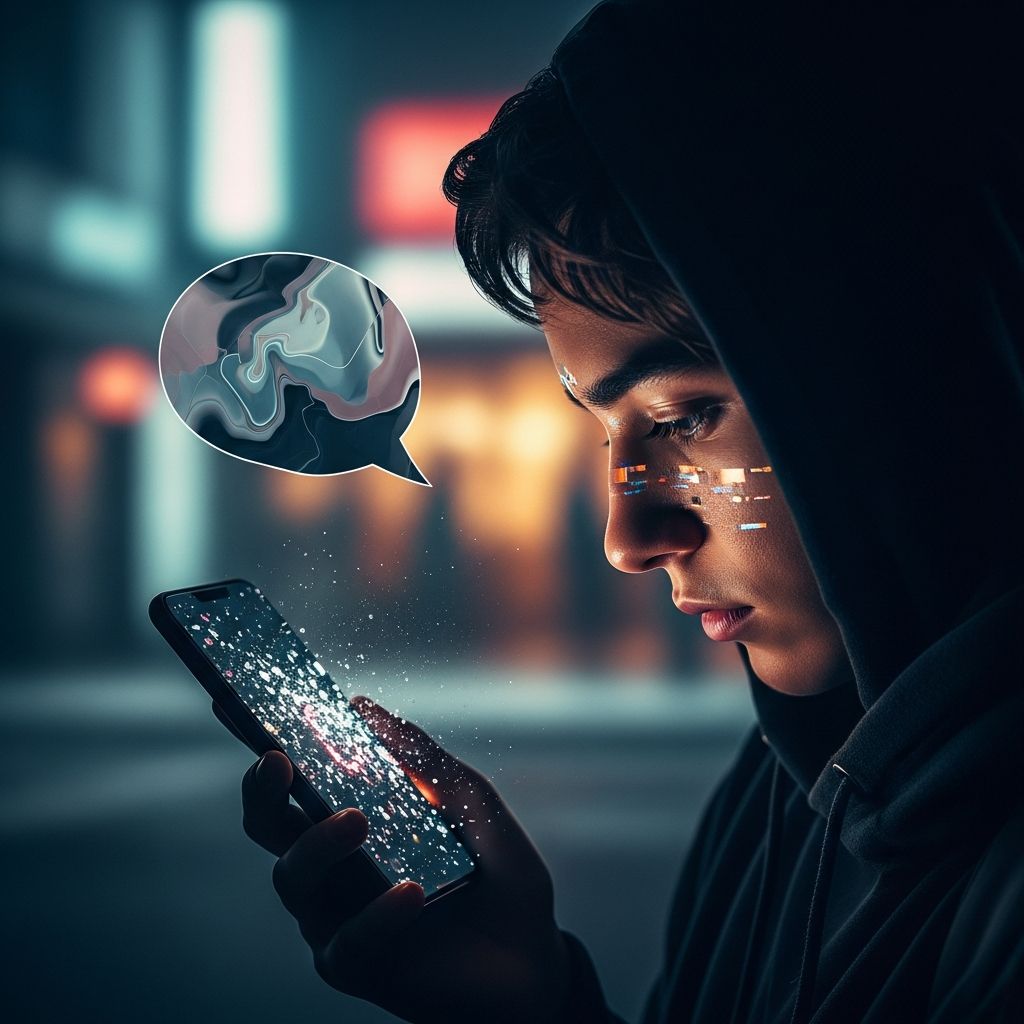
Gen Z has reinvented how we talk about tough emotions through catchy, lighthearted slang like Menty B, a shorthand for mental breakdown that’s exploding in popularity among teens. This term captures a generation’s blend of humor and honesty, making heavy topics feel approachable.
The Birth and Rapid Rise of Menty B
The phrase Menty B first bubbled up in online spaces around mid-2021, quickly catching fire on platforms like X (formerly Twitter) and TikTok. One of the earliest documented uses came from an X post on July 22, 2021, where a user shared hearing ‘Menty B’ for a mental breakdown and decided to adopt it themselves, racking up thousands of likes. Just days later, TikTok amplified it further, with videos playfully announcing its addition to everyday vocab, amassing hundreds of thousands of views.
By late 2021, the term’s cultural clout was undeniable—it even made the Macquarie Dictionary’s Word of the Year shortlist, signaling its leap from niche internet lingo to mainstream recognition. Fast-forward to 2023, and TikTok clips using Menty B for everything from daily stress rants to humorous breakdowns have garnered millions of plays, showing its staying power.
Why Teens Are Embracing Menty B and Similar Slang
Teens aren’t just tossing around Menty B for fun; it’s part of a larger trend where Gen Z uses playful language to tackle mental health taboos. Terms like stressy (for feeling stressed) and depressy (a cheeky nod to depression) follow the same pattern—shortening and cutifying serious concepts to make them less intimidating.
- Normalization through humor: By framing a mental breakdown as a ‘Menty B,’ teens deflate its scariness, turning personal struggles into shareable memes that foster connection.
- Social media fuel: TikTok’s algorithm loves relatable content, so videos joking about ‘having a Menty B’ spread like wildfire, encouraging others to open up.
- Generational coping: Facing high anxiety rates—exacerbated by social media, academic pressure, and global events—Gen Z wields slang as armor, blending laughs with vulnerability.
This lingo reflects deeper realities: surveys from the American Psychological Association highlight Gen Z’s elevated stress levels compared to prior generations, prompting innovative ways to vent.
How Menty B Signals Bigger Mental Health Shifts
At its core, Menty B isn’t trivializing pain—it’s a gateway to dialogue. Research shows humor acts as a proven coping tool, helping individuals process adversity without overwhelm. For teens, saying ‘I’m having a Menty B’ can be the icebreaker needed to admit they’re struggling, paving the way for support.
Yet, this slang also spotlights a generational paradox: while it destigmatizes issues like anxiety and depression, it risks masking severity. The Mental Health Foundation emphasizes balancing casual chats with substantive interventions, especially as youth loneliness and low motivation rise.
| Slang Term | Meaning | Example Use | Potential Benefit |
|---|---|---|---|
| Menty B | Mental breakdown | ‘Exams got me in a full Menty B’ | Makes overwhelm relatable |
| Stressy | Stressed/anxious | ‘Feeling super stressy today’ | Eases admitting anxiety |
| Depressy | Depressed | ‘Woke up depressy again’ | Reduces shame around low mood |
This table illustrates how these terms simplify complex feelings, aiding quick recognition among peers.
Parental Playbook: Navigating Menty B Conversations
Parents often feel lost amid teen slang, but Menty B offers a bridge. Instead of dismissing it as ‘kid stuff,’ lean in—using the term yourself can signal you’re tuned in and non-judgmental.
- Listen actively: When your teen drops ‘Menty B,’ pause and ask, ‘Want to tell me more?’ This validates without prying.
- Match their vibe: Respond playfully at first—’Rough Menty B day, huh?’—then pivot to deeper support if needed.
- Learn the lingo: Familiarize yourself with platforms like TikTok to grasp context, building trust.
- Spot red flags: Frequent Menty B mentions paired with isolation or mood dips warrant professional check-ins.
Bridging the generation gap starts with open-mindedness. Avoid eye-rolls at slang; view it as a cultural key to their world.
Risks and Real Talk: When Slang Isn’t Enough
While Menty B lightens the load, it can’t replace real help. Gen Z reports higher depression rates, with studies linking constant connectivity to unhappiness. Humor helps short-term, but persistent ‘Menty Bs’ might signal anxiety disorders or burnout needing therapy.
Encourage balance: celebrate the slang’s role in openness while promoting resources like school counselors or hotlines. The APA urges adults to create safe spaces where teens feel safe escalating from slang to stories.
Global Echoes: Menty B Beyond English-Speaking Circles
Though rooted in English internet culture, Menty B’s influence spreads globally via TikTok’s borderless reach. In non-English contexts, similar adaptations emerge, like localized versions blending with regional slang, underscoring universal teen struggles.
Future of Slang in Mental Health Advocacy
As Gen Z enters adulthood, expect Menty B and kin to evolve, potentially influencing therapy, apps, and policy. Already, mental health campaigns adopt such terms to engage youth, proving slang’s power in advocacy.
Parents and educators can harness this by integrating it into workshops, making wellness workshops feel current and cool.
Frequently Asked Questions About Menty B
What exactly does Menty B stand for?
Menty B is slang for ‘mental breakdown,’ a casual way teens describe emotional overload or stress peaks.
Is using Menty B downplaying serious issues?
Not necessarily—it’s often a coping tool that opens doors to deeper talks, though balance with professional help is key.
When did Menty B become popular?
It gained traction in 2021 on X and TikTok, hitting dictionary radars by year’s end.
How can parents respond to ‘Menty B’ mentions?
Engage empathetically: Acknowledge with humor, then offer listening ears or resources.
Are there other Gen Z mental health slangs?
Yes, like stressy for anxious feelings and depressy for low moods, all promoting candid chats.
Empowering Teens: Actionable Support Strategies
Beyond slang savvy, equip teens with tools: mindfulness apps, journaling, or peer groups. Track patterns in their Menty B triggers—school? Socials?—and co-create coping plans.
Family routines matter too: unplugging evenings, shared meals, and check-ins normalize vulnerability without slang reliance.
References
- Menty B | Know Your Meme — Know Your Meme. 2021-07-22. https://knowyourmeme.com/memes/menty-b
- Menty b, Stressy, Depressy – New Slang Terms by Gen Z — TalktoAngel. 2024-08-10. https://www.talktoangel.com/blog/menty-b-stressy-depressy-new-slang-terms-by-gen-z
- Stress in America: Generation Z — American Psychological Association. 2021. https://www.apa.org/news/press/releases/stress/2021/one-generation-z.pdf
- How to support young people with their mental health — Mental Health Foundation. 2021. https://www.mentalhealth.org.uk/explore-mental-health/publications/how-support-young-people-their-mental-health
- The Psychology of Humor: An Integrative Approach — Martin, R. A. Elsevier Academic Press. 2007. https://www.elsevier.com/books/the-psychology-of-humor/martin/978-0-12-372564-6