Experiencing bleeding after intercourse during pregnancy can be alarming for many expectant mothers. While light spotting is often harmless due to heightened cervical sensitivity from hormonal shifts, heavier or recurrent bleeding warrants immediate medical evaluation to rule out complications. This article explores the underlying reasons, trimester-specific patterns, and essential steps to take for reassurance and safety.
Why Does Bleeding Happen After Intercourse in Pregnancy?
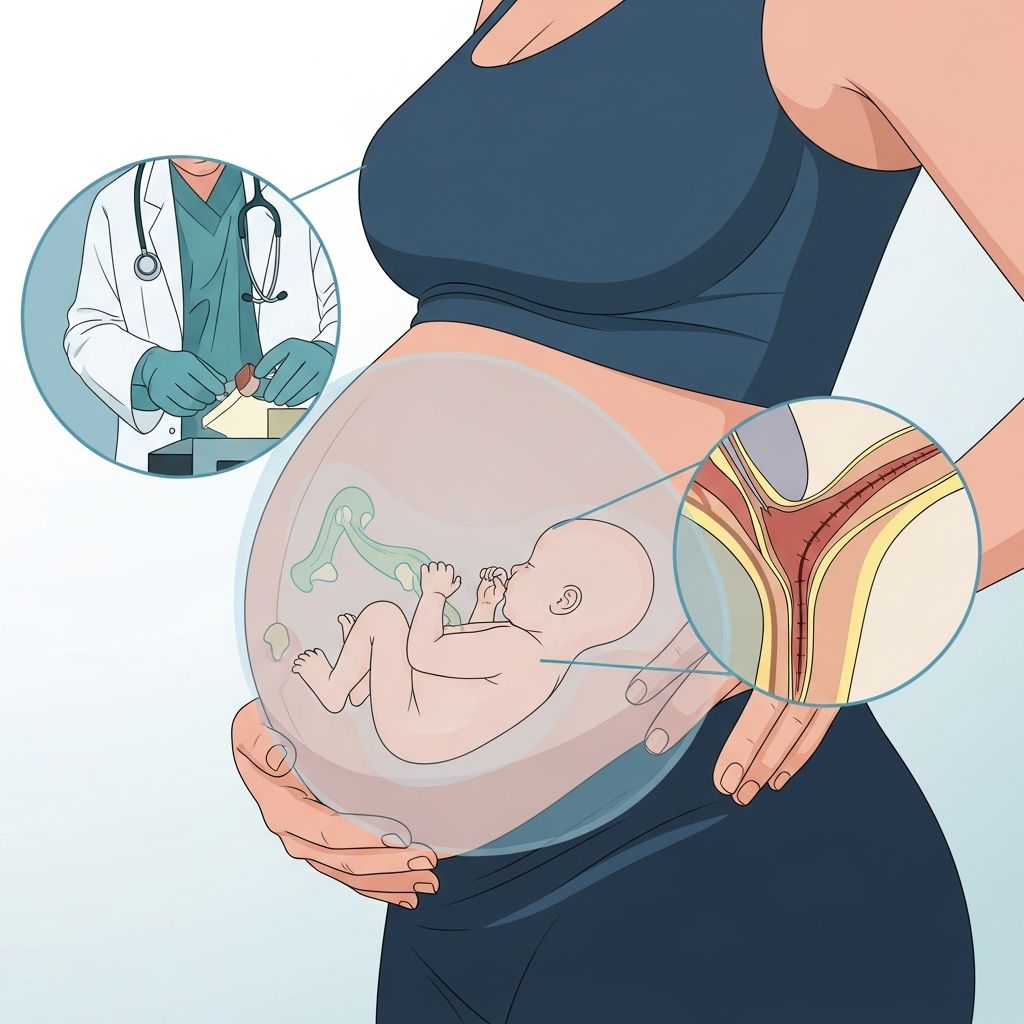
Pregnancy triggers significant physiological changes in the reproductive system, increasing blood flow to the cervix and vagina. This makes tissues more fragile and prone to minor bleeding upon contact, such as during sexual activity. According to medical experts, the cervix becomes softer and more vascular, leading to postcoital spotting in up to 15-20% of pregnancies.
Sexual intercourse itself does not harm the baby, who is protected by the amniotic sac and uterine muscles. However, penetration can irritate sensitive areas, resulting in visible blood on underwear, toilet paper, or during wiping.
Common Benign Causes Across Trimesters
Most instances of bleeding after sex stem from non-threatening issues. Here’s a breakdown:
- Cervical Sensitivity and Ectropion: Elevated estrogen levels cause the cervix to develop more glandular cells on its surface, a condition called ectropion. This is especially prevalent in later pregnancy and leads to easy bleeding from friction.
- Hormonal Fluctuations: In early pregnancy, shifts like the luteal-placental transition around week 7 can mimic spotting similar to a light period.
- Vaginal or Cervical Irritation: Dryness, minor tears from vigorous activity, or contact during deep penetration can cause spotting.
- Cervical Polyps: These benign growths, which may enlarge during pregnancy, bleed easily when touched.
These causes typically produce light pink or brown spotting that resolves quickly without pain.
Trimester-Specific Insights
Bleeding patterns vary by stage of pregnancy, influencing both likelihood and potential concerns.
First Trimester (Weeks 1-12)
Spotting affects about 25% of pregnancies early on, often from implantation or cervical changes. Post-sex bleeding here is commonly tied to the cervix’s increased blood supply and softness. While reassuring if minimal, any amount should be reported, as it overlaps with miscarriage risks.
Second Trimester (Weeks 13-28)
This ‘honeymoon’ phase sees fewer issues overall, but light bleeding after sex often results from peak cervical vascularity. Increased blood cell activity around the cervix heightens irritation risk from penetration. Most cases are benign, but monitor for patterns.
Third Trimester (Weeks 29+)
Nearing term, bleeding may signal the mucus plug dislodging (bloody show), which sex can trigger after 37 weeks. Ectropion remains common, but watch for heavier flows indicating other issues.
Potential Serious Conditions to Watch For
Not all bleeding is innocuous. Rare but critical issues include:
| Condition | Symptoms | Risk Level | Trimester |
|---|---|---|---|
| Placenta Previa | Painless bright red bleeding, often profuse | High – can be life-threatening | 2nd-3rd |
| Placental Abruption | Painful bleeding, uterine tenderness | High – emergency | 3rd (after 20 weeks) |
| Infections (e.g., Cervicitis, STIs) | Spotting with discharge, itching, pain | Moderate – treatable | Any |
| Miscarriage/Ectopic | Cramping, heavy bleeding | High | 1st |
Placenta previa, where the placenta covers the cervix, can cause substantial hemorrhage triggered by sex. Abruption involves placental detachment, unrelated to sex but coincidental. Infections like chlamydia inflame the cervix, exacerbating bleeding.
When to Contact Your Healthcare Provider
Err on the side of caution: report any bleeding after sex to your doctor or midwife immediately. Seek emergency care if:
- Bleeding is heavy (soaking a pad hourly).
- Accompanied by pain, cramping, dizziness, or fever.
- Persistent beyond a few hours or recurs frequently.
- Bright red or clot-filled.
Even light spotting merits a check-up, as ultrasound or exams can confirm normality. Providers may advise pelvic rest (no sex, tampons, or exams) temporarily.
Safe Sex Practices During Pregnancy
Intimacy remains healthy unless contraindicated. Tips for minimizing risks:
- Use plenty of lubrication to prevent friction tears.
- Opt for gentler positions avoiding deep penetration.
- Communicate discomfort promptly.
- Abstain if advised due to history of bleeding or complications.
Studies affirm sex is safe for low-risk pregnancies, potentially easing stress and strengthening bonds.
Diagnostic Approaches and Management
Evaluation often starts with history and exam. Expect:
- Speculum exam to visualize cervix.
- Ultrasound for placental position and fetal health.
- STI swabs if infection suspected.
Treatment targets causes: antibiotics for infections, monitoring for previa (possible bed rest or C-section), or simple observation for ectropion.
Frequently Asked Questions (FAQs)
Is bleeding after sex a sign of miscarriage?
Not necessarily; while early bleeding raises concern, most pregnancies with spotting continue healthily. Always consult your provider.
Can sex harm my baby if there’s bleeding?
No, the baby is well-protected. Bleeding usually reflects maternal changes, not fetal risk.
How much bleeding is too much?
Anything beyond light spotting (less than a panty liner) or lasting over 24 hours needs urgent attention.
Should I stop having sex entirely?
Only if recommended by your doctor. Otherwise, proceed cautiously with precautions.
Does this mean preterm labor?
Rarely in early stages, but late-term bloody show may precede labor. Track contractions.
Emotional and Partner Support
Fear around bleeding can strain relationships. Open discussions with partners and professionals help. Prenatal classes often cover intimacy myths, fostering confidence.
Pregnancy alters body image and libido; mutual understanding preserves closeness.
References
- Bleeding After Sex During Pregnancy: Is It Normal? — Healthline. 2023-05-15. https://www.healthline.com/health/pregnancy/bleeding-after-sex-during-pregnancy
- Is it Normal to Bleed During Pregnancy? — NJ Perinatal Associates. 2017-03-01. https://njperinatal.com/2017/03/normal-bleed-pregnancy/
- Causes of Bleeding During and After Sex — Banner Health. 2023-08-20. https://www.bannerhealth.com/healthcareblog/teach-me/causes-of-bleeding-during-and-after-sex
- Is it normal to bleed when having sex while pregnant? — Kin Fertility. 2023-10-10. https://kinfertility.com.au/blog/bleeding-after-sex-while-pregnant
- Bleeding and Spotting During Pregnancy: Is It Common? — Tommy’s. 2024-02-14. https://www.tommys.org/pregnancy-information/pregnancy-symptom-checker/bleeding-pregnancy
- Vaginal bleeding in pregnancy — NHS. 2024-06-01. https://www.nhs.uk/pregnancy/common-symptoms/vaginal-bleeding/
- Bleeding During Pregnancy — American Pregnancy Association. 2023-11-28. https://americanpregnancy.org/healthy-pregnancy/pregnancy-complications/bleeding-during-pregnancy/