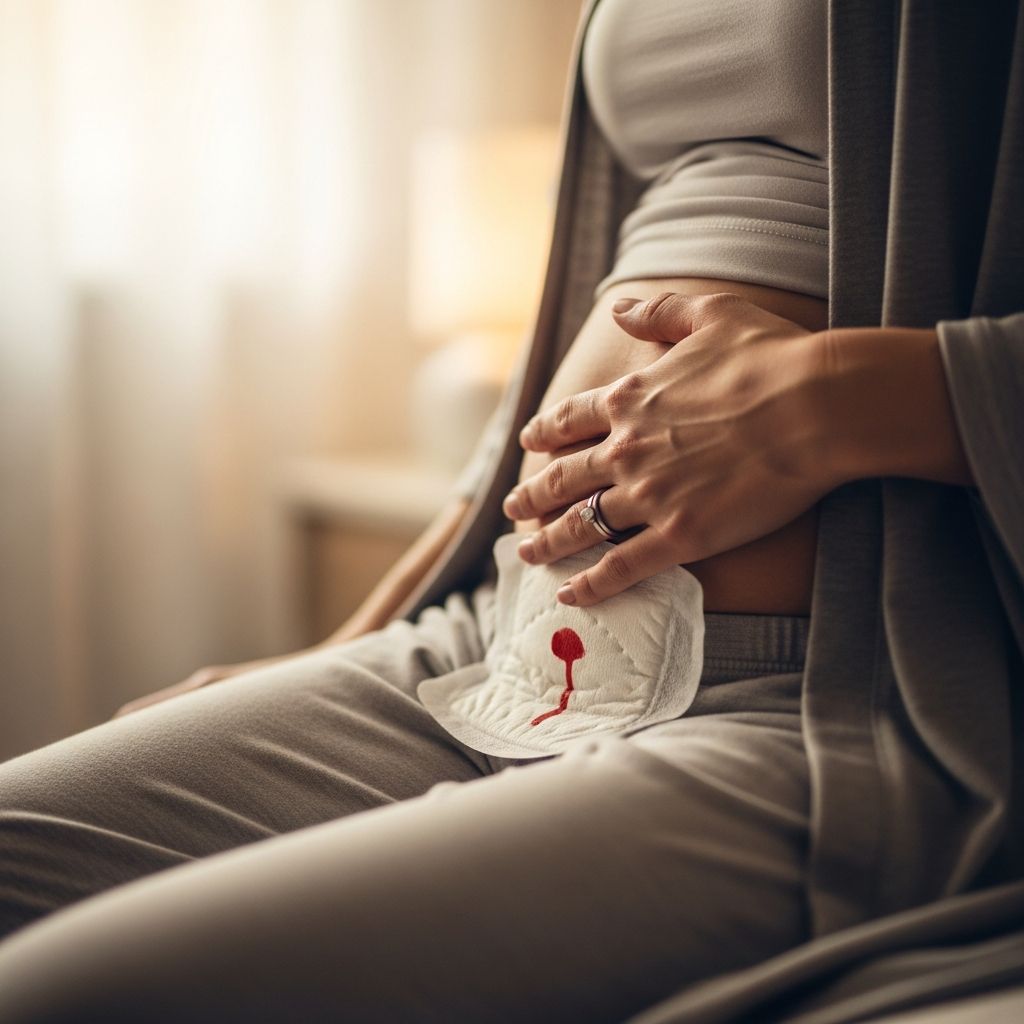
After giving birth, vaginal bleeding known as lochia is a standard part of recovery, typically lasting 4-6 weeks as the uterus sheds its lining. However, when bleeding continues past six weeks, it raises concerns for many new mothers, potentially indicating complications that require prompt attention.
Understanding Normal Postpartum Bleeding Patterns
Lochia progresses through stages: bright red for the first few days, pinkish then brownish, and finally yellowish-white by weeks 3-6. This process reflects the uterus contracting back to its pre-pregnancy size, expelling blood, mucus, and tissue. By six weeks, most women experience minimal or no bleeding, coinciding with the standard postpartum checkup.
Factors influencing duration include vaginal delivery vs. cesarean, multiples pregnancy, or breastfeeding, which can prolong lochia due to hormonal effects. Tracking pad usage—fewer than one per day by week 6—is a useful benchmark for normalcy.
Why Bleeding Persists: Common Underlying Causes
Prolonged bleeding often stems from incomplete uterine involution or other issues. Key causes include:
- Retained Placental Fragments: Bits of placenta left in the uterus prevent full contraction, leading to ongoing discharge.
- Uterine Atony: The uterus fails to contract firmly, a primary trigger for excessive bleeding.
- Infections (Endometritis): Bacterial invasion causes foul-smelling, heavy bleeding with fever.
- Lacerations or Hematomas: Unhealed tears in the birth canal from delivery trauma.
- Subinvolution: Slow uterine shrinking, sometimes linked to hormonal imbalances.
Rarely, coagulopathies or abnormal placentation contribute, emphasizing the need for professional evaluation.
Recognizing Warning Signs That Demand Immediate Action
Not all extended bleeding is urgent, but certain red flags warrant emergency care:
- Sudden heavy flow soaking a pad hourly.
- Bleeding with large clots (>1 inch).
- Foul odor, fever >100.4°F, or chills suggesting infection.
- Severe pain, dizziness, rapid heartbeat, or pallor indicating hemorrhage.
- Bleeding resuming heavily after tapering off.
| Symptom | Normal | Concerning |
|---|---|---|
| Duration | Up to 6 weeks, light | Beyond 6 weeks, heavy |
| Color/Odor | Gradual change, mild | Bright red persistent, foul |
| Volume | <1 pad/day by week 4 | >1 pad/hour |
| Accompanying Signs | Mild cramping | Fever, severe pain, weakness |
Monitor closely; early intervention prevents complications like anemia or shock.
Diagnostic Approaches for Prolonged Postpartum Bleeding
Healthcare providers start with a history and pelvic exam to assess uterine tone and discharge. Ultrasound detects retained tissue or hematomas. Blood tests check for anemia, infection (elevated white cells), or clotting disorders. In complex cases, hysteroscopy visualizes the uterine cavity directly.
Treatment Strategies: From Conservative to Surgical
Treatment targets the root cause swiftly to halt bleeding and stabilize the patient. Initial steps focus on non-invasive methods.
Medical and Supportive Interventions
- Uterotonics: Oxytocin infusion stimulates contractions; alternatives like misoprostol or methylergonovine if needed.
- Uterine Massage: Bimanual compression aids contraction.
- Fluid and Blood Replacement: IV fluids, transfusions prevent shock.
Procedural Options
For retained tissue, manual removal or dilation and curettage (D&C) clears the uterus. Balloon tamponade (Bakri or Foley catheter) applies internal pressure. Packing with sterile materials serves as a temporary bridge.
Surgical Interventions
If bleeding persists, options escalate: uterine artery ligation, compression sutures (B-Lynch), or laparotomy. Hysterectomy is a last resort, preserving fertility when possible.
Post-treatment, antibiotics treat infections, and iron supplements address anemia. Recovery often includes rest, hydration, and follow-up imaging.
Preventive Measures During Postpartum Recovery
While not all bleeding is preventable, risks can be mitigated:
- Active third-stage management with oxytocin post-delivery.
- Thorough placental inspection.
- Prompt repair of lacerations.
- Early mobilization and breastfeeding to promote contractions.
- Risk screening for high-bleed potential (e.g., multiples, prior PPH).
ACOG guidelines stress multidisciplinary protocols in birthing facilities.
Self-Care Tips While Awaiting Medical Advice
Pending a doctor’s visit:
- Use maxi pads (avoid tampons to prevent infection).
- Lie down if bleeding surges; elevate legs.
- Stay hydrated, eat iron-rich foods (spinach, red meat).
- Avoid intercourse, baths, or strenuous activity until cleared.
- Track symptoms in a journal for your provider.
Breastfeeding may help via oxytocin release from nursing.
Long-Term Recovery and When to Follow Up
Most resolve with treatment, regaining full health in weeks. Monitor for anemia symptoms (fatigue, pallor) and attend the six-week checkup. Discuss contraception, as fertility can resume quickly. Emotional support addresses postpartum anxiety amplified by physical concerns.
Future pregnancies may carry higher PPH risk; review history with providers.
Frequently Asked Questions (FAQs)
Is it normal to spot for 8 weeks postpartum?
Light spotting up to 8 weeks can occur, especially with breastfeeding, but consult your doctor to rule out issues.
What does infection-related bleeding look like?
Foul-smelling, pus-like discharge with fever and pain; seek care immediately.
Can exercise cause prolonged bleeding?
Heavy activity might exacerbate it; stick to light walking until cleared.
How is retained placenta diagnosed?
Ultrasound is primary; symptoms include cramping and irregular bleeding.
Does C-section reduce bleeding risk?
No, it has similar risks; monitor equally.
Empowering New Mothers: Key Takeaways
Prolonged postpartum bleeding beyond six weeks shifts from routine to a signal for evaluation. Distinguish lochia’s natural decline from complications via symptoms and volume. Swift diagnosis via exam, ultrasound, and labs guides targeted treatments—from medications to surgery—ensuring safety and swift recovery. Prevention through vigilant care and self-monitoring empowers mothers. Always prioritize professional guidance over self-diagnosis.
References
- Postpartum Hemorrhage — Children’s Hospital of Philadelphia. 2023. https://www.chop.edu/conditions-diseases/postpartum-hemorrhage
- Postpartum Hemorrhage — UR Medicine / University of Rochester. 2024. https://www.urmc.rochester.edu/encyclopedia/content?ContentTypeID=90&ContentID=P02486
- Management of Postpartum Hemorrhage — NCBI Bookshelf / NIH. 2023-01-15. https://www.ncbi.nlm.nih.gov/books/NBK294453/
- Postpartum Hemorrhage — Merck Manuals Professional Edition. 2025. https://www.merckmanuals.com/professional/gynecology-and-obstetrics/intrapartum-complications/postpartum-hemorrhage
- Postpartum Hemorrhage — St. Louis Children’s Hospital. 2024. https://www.stlouischildrens.org/conditions-treatments/postpartum-hemorrhage
- Postpartum Hemorrhage (PPH): Causes, Risks & Treatment — Cleveland Clinic. 2024-06-20. https://my.clevelandclinic.org/health/diseases/22228-postpartum-hemorrhage
- Postpartum Hemorrhage — Stanford Medicine Children’s Health. 2023. https://www.stanfordchildrens.org/en/topic/default?id=postpartum-hemorrhage-90-P02486
- Postpartum Hemorrhage — American College of Obstetricians and Gynecologists (ACOG). 2017-10. https://www.acog.org/clinical/clinical-guidance/practice-bulletin/articles/2017/10/postpartum-hemorrhage