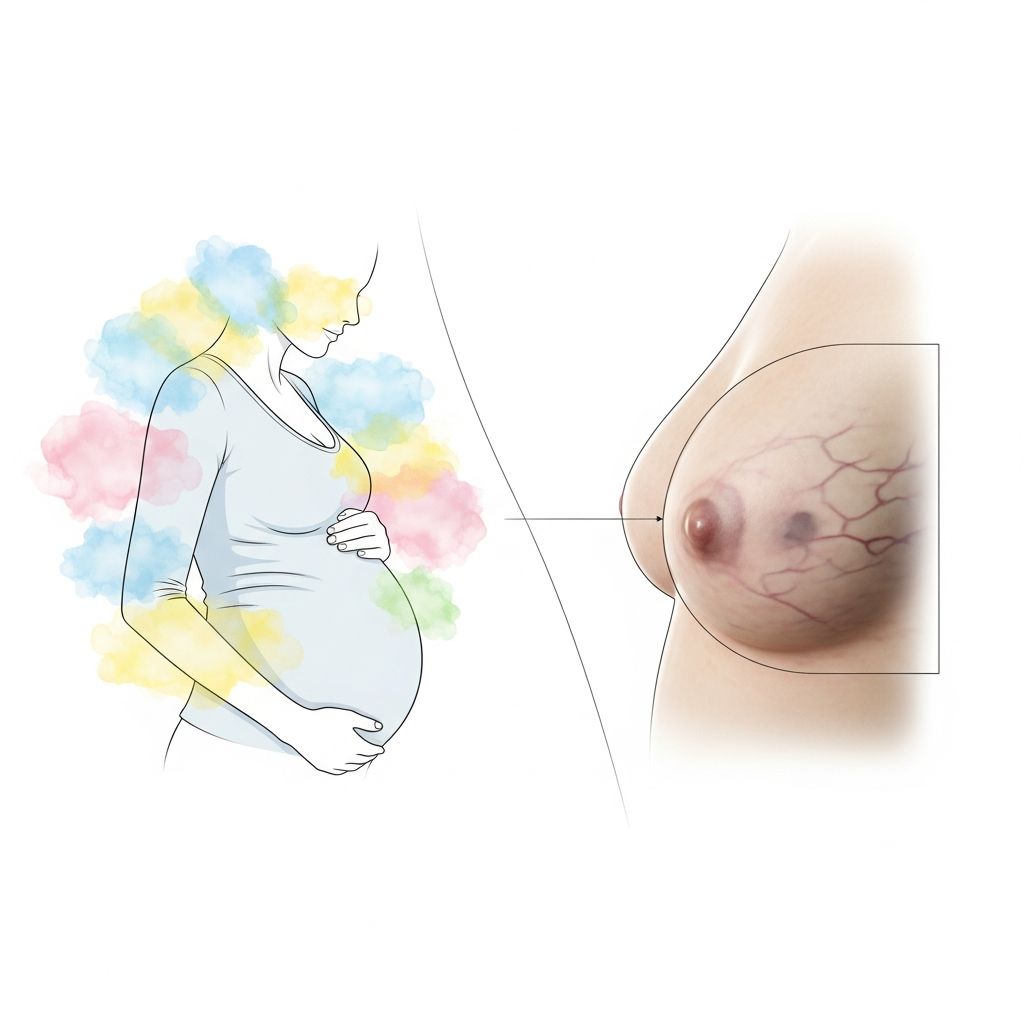
Birth equity represents a commitment to creating conditions where every person can experience a safe, healthy pregnancy, labor, and postpartum period, free from barriers imposed by race, income, or geography. This principle drives systemic changes to level the playing field in maternal healthcare, tackling deep-rooted disparities that lead to unequal outcomes.
Defining the Core of Birth Equity
At its heart, birth equity ensures fair access to resources and support systems that promote healthy pregnancies and early childhood development for all families. It goes beyond basic healthcare provision by addressing structural factors like poverty, discrimination, and limited service availability that disproportionately impact marginalized communities.
The National Birth Equity Collaborative describes it as the assurance of optimal birth conditions for everyone, with a deliberate focus on dismantling racial and social inequities through ongoing efforts. This includes empowering families with choices in their birthing journeys, from prenatal planning to postpartum recovery, fostering environments where health risks are minimized and well-being is maximized.
The Stark Reality of Maternal Health Disparities
In the United States, maternal mortality rates reveal profound inequities. Black and Indigenous women face significantly higher risks of death and severe complications during pregnancy and childbirth compared to white women. These gaps persist not due to biological differences but because of systemic issues like inadequate prenatal care access, biased treatment, and socioeconomic barriers.
- Racial Gaps: Black women are three to four times more likely to die from pregnancy-related causes, with similar trends in preterm births and low birth weight infants.
- Socioeconomic Factors: Low-income families often lack consistent care, leading to undetected risks and poorer outcomes for mothers and babies.
- Geographic Challenges: Rural or underserved areas suffer from provider shortages, forcing long travel times for essential services.
Postpartum periods amplify these issues, as many face mental health struggles like depression without adequate support, perpetuating cycles of health challenges.
Root Causes Fueling Inequities
Social determinants of health—such as housing instability, food insecurity, transportation limitations, and discrimination—play pivotal roles. Racism within healthcare settings manifests as implicit bias, where providers may dismiss symptoms or provide suboptimal care to women of color.
Income disparities exacerbate problems; women in poverty struggle to afford prenatal vitamins, regular check-ups, or specialized services, heightening risks of complications. Environmental factors, including exposure to pollution in under-resourced neighborhoods, further compound vulnerabilities during pregnancy.
| Factor | Impact on Maternal Health | Disproportionate Groups Affected |
|---|---|---|
| Racism and Bias | Dismissed pain, delayed interventions | Black, Indigenous women |
| Poverty | Limited prenatal visits, nutrition gaps | Low-income families |
| Access Barriers | Infrequent care, emergency reliance | Rural, urban poor communities |
| Mental Health Stigma | Untreated postpartum depression | All underserved groups |
Policy Reforms Driving Change
State and federal policies are key to progress. Medicaid expansions for pregnant and postpartum women extend coverage from 60 days to up to 12 months post-delivery, enabling ongoing monitoring for conditions like hypertension or mental health issues. This reduces emergency costs and stabilizes families.
California’s Department of Health Care Services (DHCS) launched the Enhanced Care Management (ECM) Birth Equity Population of Focus in 2024, targeting disparities by integrating physical, behavioral, and social needs into care plans. Their Birthing Care Pathway outlines multi-year strategies, including risk assessments and transitional services for Medi-Cal members.
- Universal screening for social determinants prenatally and at admission.
- Data review stratified by race, ethnicity, and insurance to pinpoint gaps.
- Community input in quality improvement initiatives.
Expanding Support Through Doulas and Midwives
Non-medical support like doulas and certified nurse-midwives offers personalized, culturally sensitive assistance throughout pregnancy. These professionals provide emotional encouragement, birth education, and advocacy, proven to lower cesarean rates, improve satisfaction, and enhance outcomes.
Integrating these services into Medicaid and private insurance removes financial hurdles, particularly for underserved groups. Doulas bridge cultural gaps, ensuring birthing people feel heard and respected, which combats isolation and bias.
Innovative Care Delivery Models
To reach remote areas, investments in community health centers, mobile clinics, and telehealth expand prenatal and postpartum access. These prevent complications by enabling early interventions and mental health support.
Respectful maternity care standards emphasize listening to patients, standardizing education on warning signs, and surveying experiences with tools like the Patient-Reported Experience Measure (PREM). Staff training on implicit bias fosters environments of dignity.
Community and Employer Roles in Equity
Employers can promote birth equity via inclusive fertility benefits, paid family leave, and partnerships with equity-focused organizations. Such initiatives support diverse workforces, addressing fertility challenges tied to inequities.
Community-based interventions, like those from the California Maternal Quality Care Collaborative (CMQCC), adapt practices to prioritize maternal experiences, improving infant health indirectly.
Measuring Progress and Future Directions
Success hinges on data-driven approaches: tracking outcomes by demographics reveals trends, guiding targeted interventions. Collaborative efforts among health systems, policymakers, and advocates accelerate change.
Long-term, birth equity demands sustained investment in education, provider diversity, and anti-racism training. By normalizing respectful care and equitable access, societies build resilient families and healthier generations.
Frequently Asked Questions
What exactly is birth equity?
It ensures all birthing people have optimal conditions for healthy pregnancies and births, addressing racial, social, and economic barriers.
Why do disparities persist in maternal health?
Systemic racism, poverty, and access issues lead to unequal care quality and outcomes, especially for Black and Indigenous women.
How does Medicaid expansion help?
It provides extended prenatal and postpartum coverage, reducing risks and costs through consistent care.
What role do doulas play?
Doulas offer emotional, physical, and informational support, improving birth experiences and health results.
How can individuals contribute to birth equity?
Advocate for policies, support diverse providers, and promote respectful care in communities.
References
- What is Birth Equity? — Alliance for Early Success. 2023. https://earlysuccess.org/what-is-birth-equity/
- Birth Equity: A Critical Examination of Access and Outcomes in Maternal Health — Open Access Journals. 2024. https://www.openaccessjournals.com/articles/birth-equity-a-critical-examination-of-access-and-outcomes-in-maternal-health-18126.html
- What is Birth Equity? — San Diego Foundation. 2023. https://www.sdfoundation.org/news-events/sdf-news/what-is-birth-equity/
- Health Equity — Stronger Babies, Knox County Health Department. 2024. https://www.strongbabyknox.org/health-equity/
- Birth Equity (BE) — Illinois Perinatal Quality Collaborative. 2024. https://ilpqc.org/initiative/birth-equity-be/
- Birth Equity POF FAQs — California Department of Health Care Services (DHCS). 2024-02. https://www.dhcs.ca.gov/CalAIM/ECM/Documents/ECM-BirthEquity-POF-FAQ’s-February2024.pdf