Many teens start taking birth control pills for reasons beyond preventing pregnancy, including managing irregular periods, heavy bleeding, cramps, or acne. As helpful as the pill can be, it can also change bleeding patterns in ways that feel confusing or worrying. This guide explains why that happens, what is usually normal, and when it makes sense to check in with a health care provider.
How the Menstrual Cycle Normally Works
To understand how birth control pills affect periods, it helps to know what is happening in a typical menstrual cycle. Hormones from the brain and ovaries work together every month to prepare the body for a possible pregnancy.
- Brain hormones (FSH and LH) signal the ovaries to mature and release an egg.
- Ovarian hormones (estrogen and progesterone) thicken the lining of the uterus so a pregnancy could grow there.
- If pregnancy does not happen, hormone levels drop and the lining breaks down and leaves the body as a period.
In the first few years after a teen’s first period, the body is still learning this rhythm. Ovulation may not happen every month, and cycles can be long or unpredictable. This is a common cause of irregular periods in early adolescence.
What Makes a Period “Irregular”?
Cycles vary from person to person, but doctors often use a few basic guidelines to describe irregular periods in teens.
| Pattern | Often Considered Irregular When |
|---|---|
| Cycle length | Periods come more often than every 21 days or less often than every 45 days |
| Skipped periods | More than about 3 months between bleeding episodes (and not pregnant) |
| Bleeding duration | Bleeding regularly lasts longer than 7 days |
| Flow amount | Very heavy bleeding that soaks pads or tampons quickly, or causes anemia |
Occasional changes can be normal, especially during the first few years after periods begin, but frequent or persistent irregularity may signal a medical issue and should be checked by a clinician.
How Birth Control Pills Work
Combined birth control pills contain synthetic forms of estrogen and progesterone (or just progesterone in progestin-only pills). These hormones:
- Prevent ovulation most of the time, so the ovaries stop releasing eggs regularly.
- Thin the uterine lining, so there is usually less tissue to shed during a period.
- Thicken cervical mucus, making it harder for sperm to reach an egg.
Because the pill takes over the body’s hormone signals, the bleeding teens see each month while using combined pills is usually a withdrawal bleed caused by stopping the active hormone pills, not a true natural period.
Why Teens Use the Pill for Period Problems
Health care providers often recommend birth control pills to teens even when they are not sexually active because the hormones can stabilize cycles and treat several menstrual symptoms.
- Irregular periods: Pills can make bleeding come on a more predictable schedule.
- Heavy bleeding: Thinning of the uterine lining usually leads to lighter flow.
- Painful periods: Fewer prostaglandins and less tissue to shed typically reduce cramps.
- Acne and extra hair growth: Some pills help balance hormones that trigger acne or excess hair, which can be related to conditions like polycystic ovary syndrome (PCOS).
How the Pill Can Change Bleeding Patterns
Even though pills are used to regulate periods, they can also cause new patterns of bleeding, especially in the first few months. Many of these changes are not dangerous but can be annoying or confusing.
Common Bleeding Changes on the Pill
- Spotting or breakthrough bleeding between periods, especially in the first 3–6 months.
- Lighter, shorter withdrawal bleeds during the hormone-free or placebo week.
- No bleeding at all during the placebo days, particularly with extended or continuous pill use.
- Occasional early or late bleeding if pills are missed or taken at very different times.
Irregular bleeding tends to improve as the body adjusts to the hormone levels in the pill. Many teens notice much more predictable patterns after about three cycles, as long as they take the pills consistently.
Why Spotting Happens
Several factors can make breakthrough bleeding more likely while on pills:
- Starting the pill: The uterine lining is adapting to new hormone levels.
- Missing pills or taking them late: Hormone levels dip, and the lining may shed unexpectedly.
- Low-dose estrogen formulas: Thinner linings are more prone to light spotting.
- Smoking or certain medications: These can interfere with how hormones are processed.
Spotting is usually not dangerous but should be discussed with a clinician if it is very frequent, heavy, or continues for several months despite taking pills correctly.
Other Reasons Periods Can Be Irregular on the Pill
Sometimes, irregular bleeding happens while taking pills but is not really caused by the pill itself. Underlying conditions can still affect cycles even when a teen is on hormonal contraception.
Pregnancy
Because combined pills are highly effective when used correctly, pregnancy is uncommon but still possible, especially when pills are missed. A late or missed withdrawal bleed or sudden unusual spotting may be a reason to take a pregnancy test if there has been any sexual activity without another reliable method of contraception.
Polycystic Ovary Syndrome (PCOS)
PCOS is a common hormone condition that can show up in the teen years. It often involves irregular or absent periods, higher levels of androgens (hormones like testosterone), acne, and extra hair growth on the face or body. Pills can mask some of these symptoms while a teen is taking them, but the underlying condition is still present. If a teen stops the pill, cycles may again become highly irregular.
Thyroid and Other Hormone Problems
Thyroid disorders and other hormone imbalances can lead to missed or irregular periods, with or without the pill. Signs of thyroid issues might include:
- Feeling unusually tired or wired
- Unexpected weight changes
- Feeling too cold or too hot
- Changes in hair, skin, or heart rate
If a teen on the pill has ongoing irregular bleeding along with symptoms like these, a provider may order blood tests to check thyroid and other hormone levels.
Stress, Nutrition, and Exercise
Even when someone is on the pill, extreme changes in stress, weight, or activity level can influence cycles. In teens not on hormones, intense sports, eating disorders, or very low body weight can stop periods entirely (amenorrhea). On pills, these factors may show up as lighter or absent withdrawal bleeding or more spotting.
When to Talk to a Health Care Provider
Some irregular bleeding on the pill is expected, especially early on. However, it is important to get medical advice if any of the following happen:
- Bleeding is so heavy that pads or tampons are soaked through every 1–2 hours for several hours.
- Periods last longer than a week on a regular basis.
- There is no withdrawal bleed for several months in a row and pregnancy is possible.
- There is severe abdominal or pelvic pain, fever, or pain during sex.
- There is new or worsening acne, excess hair growth on the face or body, or sudden weight changes.
- Cycles were regular on the pill and then suddenly become very unpredictable.
A clinician can review pill use, ask about symptoms, and do a physical exam or tests if needed. They may also recommend a different pill formulation or another method if side effects are bothersome.
How Clinicians Evaluate Irregular Bleeding on Pills
When a teen visits for irregular periods or unexpected bleeding while on the pill, the health care provider may:
- Ask detailed questions about bleeding patterns and pill use.
- Review medical history, including weight changes, exercise, and stress.
- Offer a pregnancy test if there is any chance of pregnancy.
- Order blood tests to check for anemia, thyroid problems, or hormone imbalances.
- Consider tests for bleeding disorders if periods are extremely heavy.
- Occasionally suggest an ultrasound to look at the uterus and ovaries, especially if PCOS or ovarian cysts are a concern.
Treatment depends on what is found. Sometimes the only change needed is a different pill dose or schedule. In other cases, lifestyle changes or treatment of a medical condition are important to bring cycles into a healthier pattern.
Practical Tips for Teens on the Pill
Staying organized and tuned in to your body can make it easier to manage irregular bleeding on the pill.
- Take pills at the same time every day. Setting an alarm can help keep hormone levels steady.
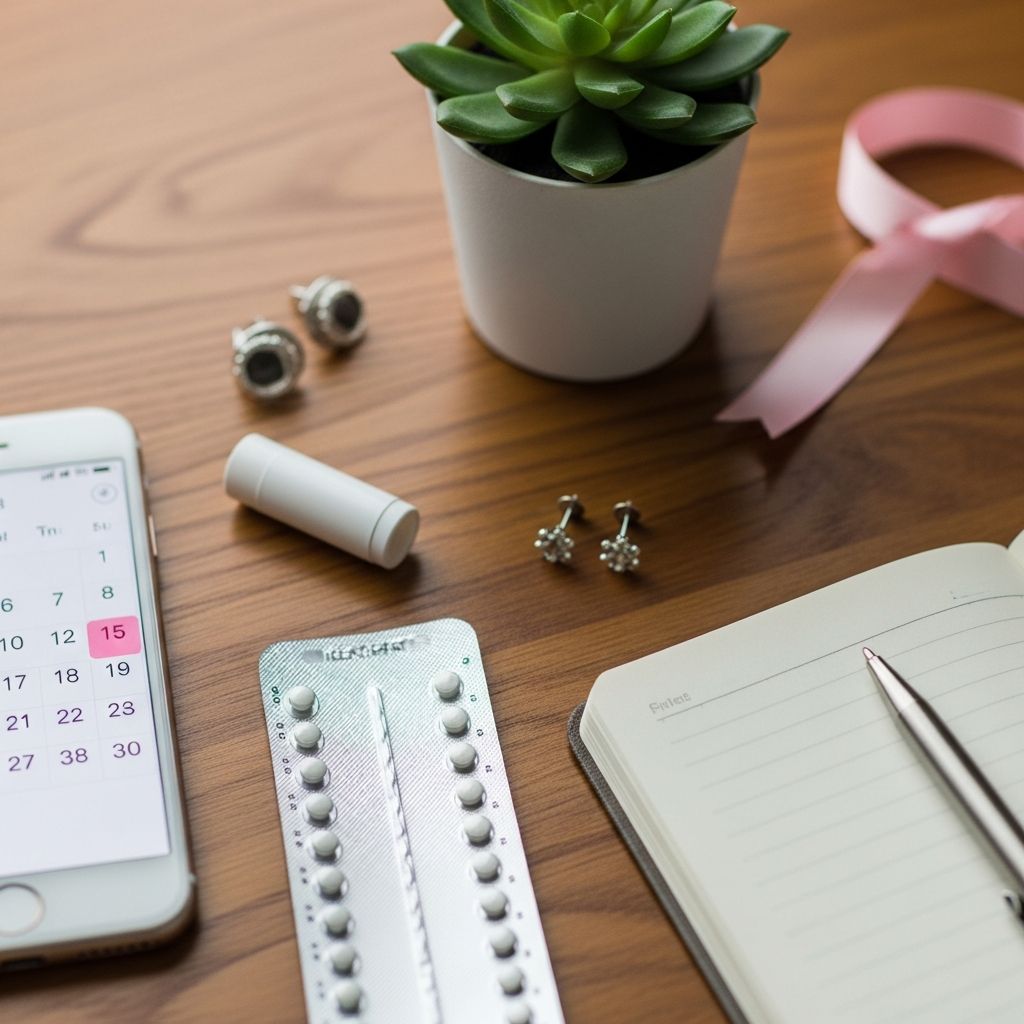
- Keep a period and symptom log. Apps or calendars are useful for tracking spotting, cramps, headaches, or mood changes.
- Do not stop pills suddenly without talking to a clinician, unless you suspect a serious side effect.
- Mention all medicines and supplements you are taking, because some can affect how well the pill works.
- Ask questions if anything feels confusing—understanding the plan helps you notice when something really changes.
Myths and Facts About Pills and Irregular Periods
| Myth | Fact |
|---|---|
| “Any spotting on the pill means something is very wrong.” | Light breakthrough bleeding is common in the first months on a new pill and often improves on its own. |
| “You must bleed every month to be healthy.” | With many hormonal methods, skipping withdrawal bleeding is medically safe for most people when guided by a clinician. |
| “If you stop the pill, your period will be permanently irregular.” | The pill does not cause permanent cycle problems. It may unmask underlying issues that were present but hidden by the hormones. |
| “Irregular periods are always normal for teens.” | Some irregularity is typical early on, but very heavy, very rare, or very painful periods should be checked. |
Frequently Asked Questions (FAQs)
I just started the pill and my period is all over the place. How long should I wait before worrying?
Many teens notice spotting or irregular bleeding during the first 2–3 pill packs as the body adjusts. If you are taking pills consistently and the bleeding is not extremely heavy, your clinician may suggest waiting several cycles to see if things settle down. If heavy bleeding, severe pain, or other concerning symptoms show up at any point, contact your provider sooner.
Is it safe if I don’t get a withdrawal bleed on the pill?
For many people using combined pills, especially on extended or continuous dosing schedules, missing a withdrawal bleed can be safe and expected. Because the pill keeps the uterine lining thin, there may not be much to shed. If there is any chance of pregnancy or if bleeding stops suddenly after being regular, talk to your clinician for advice and testing.
Can I use the pill to make my period come at a more convenient time?
Some pill regimens allow shifting bleeding to avoid a period during events like vacations or sports competitions. This usually involves skipping some or all of the placebo pills and going straight to the next pack. Never change your pill schedule without instructions from a health care provider who can explain how to do it safely.
What if I miss one or more pills and then have unexpected bleeding?
Missing pills or taking them late is a frequent cause of spotting or early bleeding. Follow the instructions that came with your pack or call your provider to ask what to do next. If you had sex after missing pills, ask whether you should use emergency contraception or a backup method.
Will the pill fix conditions like PCOS or thyroid disease?
Pills can help manage some symptoms, like irregular bleeding or acne, but they do not cure underlying conditions such as PCOS or thyroid disorders. These issues often need separate evaluation and treatment. Your provider might use the pill as part of a broader plan that can also include lifestyle changes or other medicines.
References
- When to Worry About Irregular Periods in Teens — Children’s Hospital Colorado. 2023-01-10. https://www.childrenscolorado.org/just-ask-childrens/articles/irregular-periods-in-teens/
- Amenorrhea in Teens — University of Rochester Medical Center Health Encyclopedia. 2022-06-01. https://www.urmc.rochester.edu/encyclopedia/content.aspx?ContentTypeID=90&ContentID=p01579
- Irregular Periods in Preteens and Teens — UChicago Medicine Comer Children’s Hospital. 2022-09-15. https://www.uchicagomedicine.org/comer/conditions-services/pediatric-adolescent-gynecology/irregular-periods-preteens-teens
- Irregular Periods (for Teens) — Nemours KidsHealth. 2023-04-20. https://kidshealth.org/en/teens/irregular-periods.html
- Adolescent Menstrual Issues — Children’s Health. 2021-11-05. https://www.childrens.com/specialties-services/conditions/menstrual-issues
- Menstruation in Girls and Adolescents: Using the Menstrual Cycle as a Vital Sign — The American College of Obstetricians and Gynecologists (ACOG). 2015-12-01. https://www.acog.org/clinical/clinical-guidance/committee-opinion/articles/2015/12/menstruation-in-girls-and-adolescents-using-the-menstrual-cycle-as-a-vital-sign
- Mayo Clinic Q and A: Irregular Periods Can Be Common at First — Mayo Clinic News Network. 2017-08-04. https://newsnetwork.mayoclinic.org/discussion/mayo-clinic-q-and-a-irregular-periods-can-be-common-at-first/