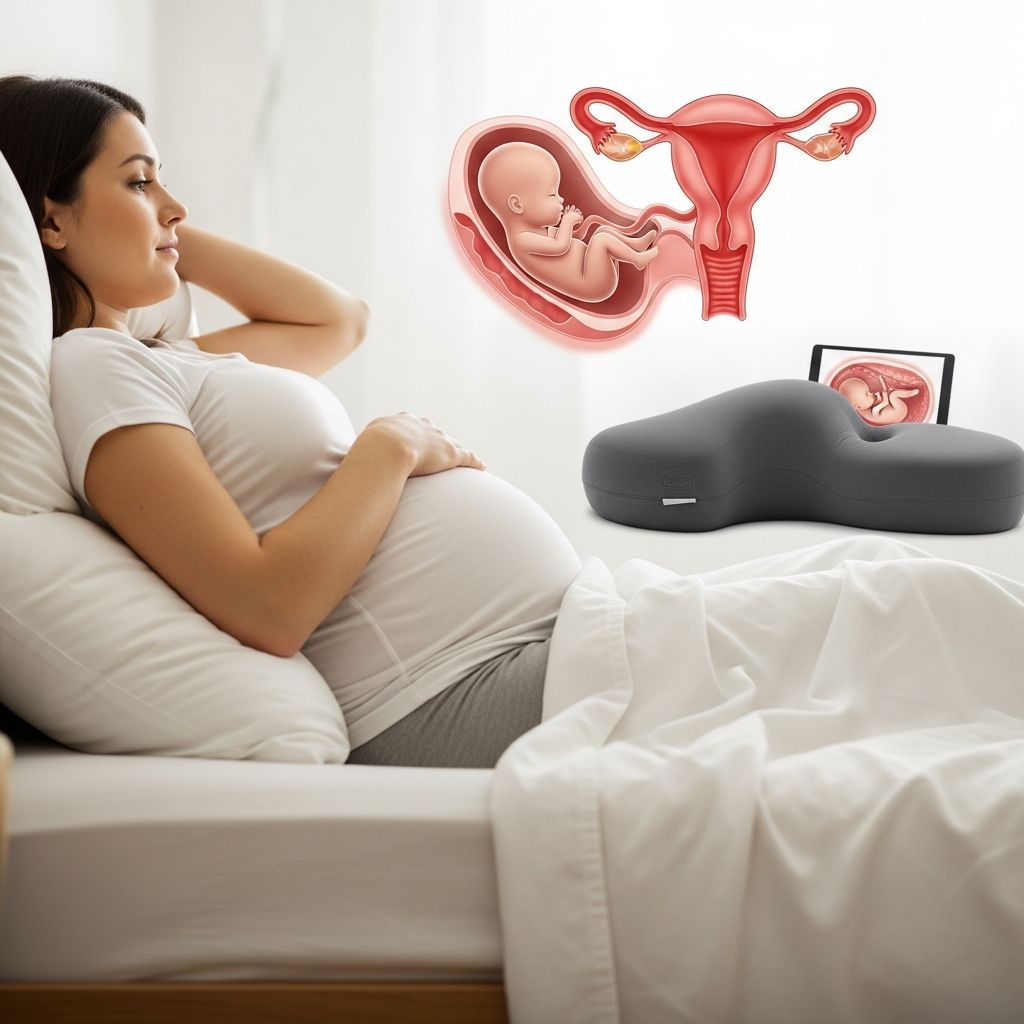
Birth centers offer a supportive environment for low-risk pregnancies, emphasizing natural labor with trained midwives, leading to fewer interventions and high satisfaction rates compared to hospitals.
Understanding Modern Birth Centers
These facilities prioritize a holistic approach to childbirth, blending comfort with professional care. Unlike hospitals, they focus on wellness rather than routine medical procedures, creating a home-like setting that empowers parents. Staffed by certified nurse-midwives and doulas, birth centers support physiological birth processes, allowing freedom of movement, hydration, and family involvement.
Facilities vary: freestanding centers operate independently with hospital transfer protocols, while hospital-affiliated ones provide on-site access to advanced care. Accreditation from bodies like the American Association of Birth Centers (AABC) ensures adherence to rigorous standards for safety and quality.
Key Advantages of Choosing a Birth Center
Opting for a birth center aligns with evidence showing superior outcomes for healthy pregnancies. Here’s why many parents prefer this path:
- Reduced Surgical Interventions: Studies indicate significantly lower cesarean rates, often half those in hospitals, due to minimal use of inductions and epidurals.
- Enhanced Newborn Health: Lower incidences of preterm birth and low birth weight contribute to healthier starts, alongside higher breastfeeding success at birth and beyond.
- Family-Centered Atmosphere: Unlimited support people, personalized care, and a calm setting foster emotional well-being and satisfaction.
- Cost Efficiency: Fewer interventions mean lower bills; efficient staffing keeps operations lean without compromising safety.
- Holistic Wellness Focus: Emphasis on education, nutrition, and self-care promotes long-term family health.
Research confirms these benefits persist even for prenatal care alone, reducing disparities in outcomes across racial and ethnic groups.
Potential Drawbacks and Limitations
While rewarding, birth centers aren’t suitable for everyone. Awareness of limitations is crucial:
- No On-Site Surgery: Cesareans or emergencies require hospital transfer, potentially delaying care.
- Limited Pain Management: Epidurals unavailable; options include hydrotherapy, massage, or nitrous oxide.
- Spontaneous Labor Only: No scheduled inductions; labor must start naturally.
- Transfer Risks: About 10-15% of cases need hospital moves, though outcomes remain comparable for low-risk groups.
- Facility Constraints: Not your home, with set policies on visitors and amenities.
Neonatal risks like NICU admission are rare and similar to hospitals for eligible candidates.
Who Qualifies for Birth Center Care?
Eligibility centers on low-risk status to ensure safety. Ideal candidates include:
| Eligible | Not Eligible |
|---|---|
| Single, head-down baby | Preeclampsia or gestational diabetes |
| Age 18-40, healthy BMI | Prior cesarean or multiples |
| No chronic conditions | Pregnancy beyond 42 weeks |
| First or repeat vaginal birth | Active infections or anemia |
Consult your provider for screening; most centers use detailed histories and ultrasounds. Young, healthy parents with vertex presentations thrive here.
Step-by-Step: What Happens at a Birth Center
The journey unfolds naturally, with flexibility at every stage.
Prenatal Preparation
Regular midwife visits emphasize monitoring, classes, and birth plans. Meet the team and tour the center early.
Labor and Admission
Arrive in active labor; assessments confirm progress. Comfort measures like birthing balls, showers, and position changes abound.
Birth Process
Midwives guide without routine interventions. Partners actively participate; siblings or doulas welcome.
Immediate Postpartum
Skin-to-skin, breastfeeding support, and newborn checks follow. Stay 4-24 hours based on stability.
Discharge and Follow-Up
Head home sooner than hospitals, with home visits and check-ins for seamless transition.
Birth Center vs. Hospital: Side-by-Side Comparison
| Aspect | Birth Center | Hospital |
|---|---|---|
| Atmosphere | Home-like, relaxed | Clinical, structured |
| Interventions | Minimal | Frequent |
| Pain Relief | Natural methods | Epidurals available |
| Family Presence | Unlimited | Limited |
| Cost | Lower | Higher |
| Transfer Capability | To hospital if needed | On-site OR |
Birth centers excel in natural births; hospitals suit higher risks.
Financial and Insurance Considerations
Costs average 20-30% less due to fewer procedures; many insurers cover like hospitals. Verify transfer coverage and out-of-pocket fees. Freestanding options may require pre-approval.
Selecting the Right Birth Center
Tour multiple sites: Check accreditation, transfer times (under 30 minutes ideal), staffing ratios, and outcomes data. Ask about emergency drills, newborn resuscitation, and cultural competence.
- Review state licensure and AABC standards.
- Inquire about VBAC policies if applicable.
- Assess amenities like tubs and kitchens.
Frequently Asked Questions (FAQs)
Are birth centers safe for first-time mothers?
Yes, for low-risk pregnancies; data shows equal or better outcomes with fewer cesareans.
What if complications arise?
Trained staff stabilize and transfer swiftly; protocols ensure timely hospital care.
Can I eat during labor?
Absolutely—light meals encouraged to maintain energy, unlike hospital NPO policies.
How long is the postpartum stay?
Typically 4-24 hours, focusing on bonding and teaching before home discharge.
Do birth centers handle VBAC?
Many do for low-risk candidates; confirm with the center.
Real Parent Experiences and Expert Insights
Parents rave about empowerment and joy in serene settings, though some note transfer anxiety. Experts highlight birth centers’ role in reducing national cesarean rates (now ~32%).
Integrating birth centers into care systems humanizes hospital practices, promoting wellness-oriented maternity.
References
- Freestanding Birth Centers: An Evidence-Based Option for Birth — Jolles et al., PMC. 2022-02-01. https://pmc.ncbi.nlm.nih.gov/articles/PMC8827343/
- The Difference Between Giving Birth in a Birthing Center vs. a Hospital — WebMD. 2023-05-15. https://www.webmd.com/baby/difference-giving-birth-hospital-birthing-center
- BC Experience — American Association of Birth Centers. 2024-01-10. https://www.birthcenters.org/bc-experience
- Birthing Room Delivery Pros & Cons — KBA Attorneys (citing Health Services Research). 2015-12-01. https://kbaattorneys.com/maryland-medical-malpractice-lawyer/birth-injury/birthing-room-delivery-pros-cons/
- Advantages and Disadvantages of Birthing at Home, Birth Center and Hospital — Oakleaf Clinics. 2022-08-20. https://www.oakleafclinics.com/article.phtml/advantages_and_disadvantages_of_birthing_at_home_birth_center_and_hospital
- Birth center vs. hospital: How to choose? — HealthPartners. 2024-03-05. https://www.healthpartners.com/blog/birth-center-vs-hospital/
- Birth Centers — American Pregnancy Association. 2023-11-12. https://americanpregnancy.org/healthy-pregnancy/labor-and-birth/birth-centers/