The bilirubin blood test is a vital diagnostic tool used primarily to evaluate liver function and detect conditions like jaundice, especially in newborns. This test quantifies the levels of bilirubin, a yellow pigment produced from the breakdown of red blood cells, helping healthcare providers identify potential health issues early.
What Exactly is Bilirubin and Why Does it Matter?
Bilirubin forms as a natural byproduct when old red blood cells are broken down in the body. The liver processes this unconjugated (indirect) bilirubin, converting it into a conjugated (direct) form that can be excreted through bile into the intestines and eventually eliminated in stool. In healthy individuals, bilirubin levels remain low because the liver efficiently manages this process.
When levels rise, it signals possible disruptions, such as liver immaturity in newborns, excessive red blood cell breakdown, or blockages in bile ducts. For parents, recognizing bilirubin’s role is key to understanding why their baby might develop a yellow tint to the skin or eyes, known as jaundice.
Common Reasons for Ordering a Bilirubin Test in Children
Pediatricians frequently recommend this test for newborns, particularly those showing signs of jaundice within the first week of life. Premature infants are at higher risk due to underdeveloped livers. Beyond newborns, the test may be ordered if a child exhibits:
- Persistent yellowing of skin or eyes.
- Dark urine or pale stools.
- Abdominal discomfort or swelling.
- Symptoms of fatigue, nausea, or fever suggesting liver involvement.
In older children, it helps diagnose hemolytic anemias, infections like hepatitis, or gallbladder issues. Regular monitoring occurs in known liver conditions to track treatment efficacy.
How the Bilirubin Test is Performed: Step-by-Step
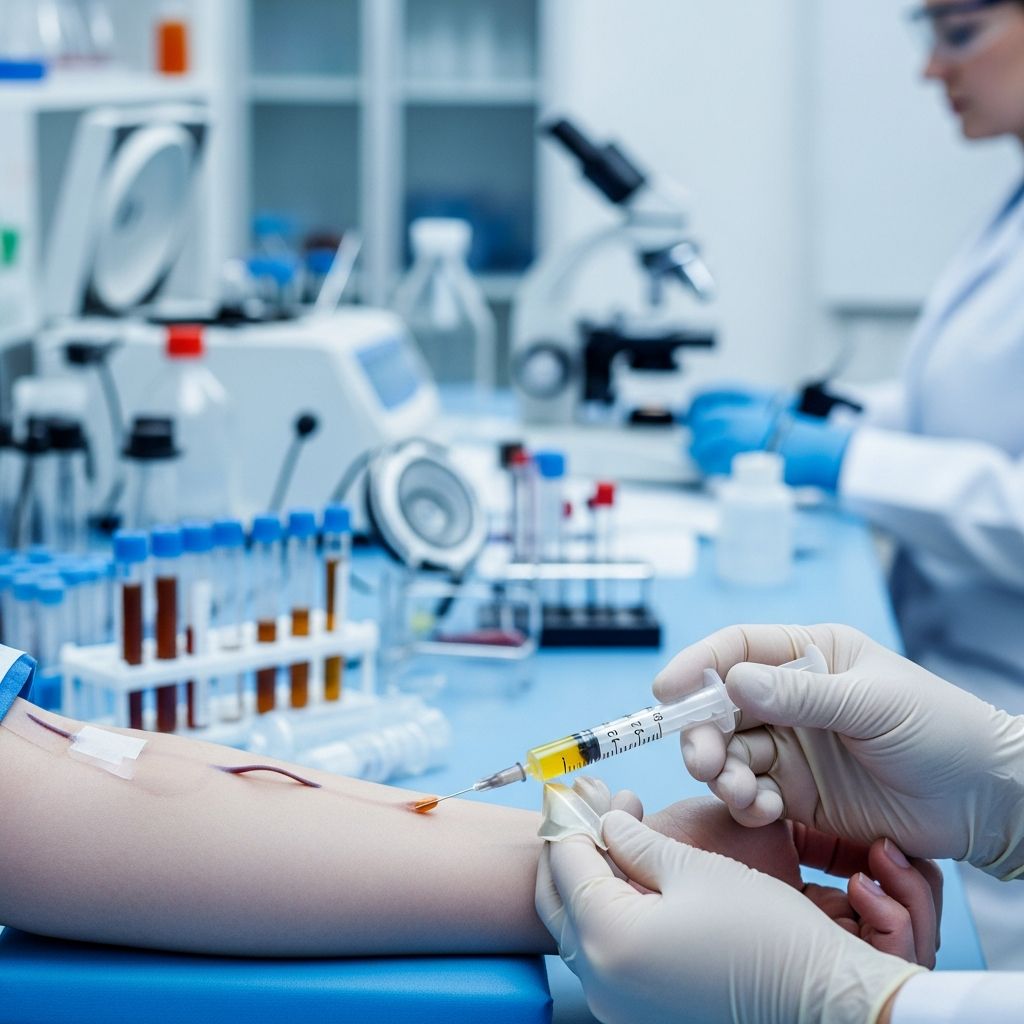
The procedure is straightforward and quick, minimizing discomfort. For blood samples:
- A healthcare professional cleans the site, typically a heel for newborns or arm vein for older children.
- A small needle draws blood into a tube; newborns may feel a brief prick.
- The sample goes to a lab for analysis of total, direct, and indirect bilirubin levels.
A non-invasive alternative, transcutaneous bilirubinometry, uses a light device pressed against the baby’s skin to estimate levels without needles—ideal for screening. Urine tests can also detect bilirubin but are less precise for quantification. Parents should inform doctors of recent medications or diet, as they might influence results. Post-test, normal activities resume immediately.
Interpreting Bilirubin Test Results
Results are reported in milligrams per deciliter (mg/dL). Normal ranges vary by age:
| Age Group | Total Bilirubin Normal Range (mg/dL) | Direct Bilirubin Normal Range (mg/dL) |
|---|---|---|
| Newborns (Day 1-2) | 1.0-6.0 | <0.3 |
| Newborns (Day 3-5) | 3.0-12.0 | <0.3 |
| Children & Adults | 0.2-1.2 | 0.0-0.3 |
Elevated total bilirubin above 2.0 mg/dL often causes visible jaundice. High unconjugated levels point to hemolysis or liver processing issues; high conjugated levels suggest bile duct obstruction or liver disease. Newborn peaks around day 3-4 are common but warrant monitoring if exceeding thresholds.
Providers use nomograms—graphs plotting bilirubin by age and risk factors—to decide on interventions.
Newborn Jaundice: A Focus for New Parents
Up to 60% of full-term and 80% of preterm babies experience physiological jaundice from immature liver enzymes and higher red blood cell turnover. It’s usually benign, resolving in 1-2 weeks, but phototherapy (blue light treatment) prevents kernicterus—rare brain damage from severe hyperbilirubinemia. Risk factors include:
- Prematurity or low birth weight.
- Breastfeeding difficulties leading to dehydration.
- Blood type incompatibilities (e.g., ABO or Rh).
- Family history of jaundice needing treatment.
Parents should track feedings, wet diapers, and skin color in natural light, reporting concerns promptly.
Risks and Complications of High Bilirubin Levels
While mild elevations are harmless, unchecked high levels in infants can cross the blood-brain barrier, causing:
- Auditory processing issues or hearing loss.
- Cerebral palsy or developmental delays.
- In extreme cases, seizures or lifelong neurological impairment.
In children and adults, persistent hyperbilirubinemia indicates serious conditions like cirrhosis, gallstones, or genetic disorders (e.g., Gilbert’s syndrome, a benign cause of mild elevations). Early testing mitigates these risks.
Treatment Options When Bilirubin is Elevated
Management depends on cause and severity:
- Phototherapy: Most common for newborns; UV light isomerizes bilirubin for easier excretion.
- Hydration and Feeding: Frequent breastfeeding aids liver function.
- Exchange Transfusion: Rare, for very high levels unresponsive to light.
- Addressing Underlying Issues: Medications for infections or surgery for blockages.
Home phototherapy devices exist for mild cases, with follow-up tests ensuring levels decline.
Preparing Your Child for the Test
Ease anxiety by explaining simply: “It’s a quick poke like a vaccine, then it’s done.” Distract with toys or feeding. For non-invasive tests, reassure it’s painless. Post-test, comfort and cuddle to soothe.
When to Seek Immediate Medical Advice
Contact your pediatrician if your baby has jaundice before 24 hours, worsens after day 3, or accompanies poor feeding, lethargy, or high-pitched crying. Adults with jaundice need urgent evaluation for liver emergencies.
Frequently Asked Questions (FAQs)
Is newborn jaundice dangerous?
Most cases are harmless and self-resolve, but monitoring prevents rare complications like kernicterus.
How often is the bilirubin test repeated?
Depends on initial results; high-risk babies may need daily checks until levels peak and fall.
Can breastfeeding cause high bilirubin?
Breast milk jaundice is possible due to substances inhibiting bilirubin processing, but benefits outweigh risks—continue feeding with supplementation if advised.
What foods affect bilirubin levels?
Alcohol and certain meds can elevate; a balanced diet supports liver health.
Is the test safe for premature babies?
Yes, heel sticks are standard and safe, with benefits far exceeding minimal risks.
This guide empowers parents with knowledge on bilirubin testing, promoting proactive health management for their children.
References
- Blood Test: Bilirubin (for Parents) — Advocate Aurora Health. 2023. https://kidshealth.org/Advocate/en/parents/test-bilirubin.html
- Bilirubin Test: High vs. Low Levels, Direct vs. Indirect — WebMD. 2024-01-15. https://www.webmd.com/fatty-liver-disease/bilirubin-test
- Total Bilirubin (Blood) — UR Medicine, University of Rochester. 2023. https://www.urmc.rochester.edu/encyclopedia/content?contenttypeid=167&contentid=total_bilirubin_blood
- Bilirubin blood test — Florida Health Finder (healthfinder.fl.gov). 2024. https://quality.healthfinder.fl.gov/health-encyclopedia/HIE/1/003479
- Bilirubin Blood Test — MedlinePlus (U.S. National Library of Medicine). 2024-05-01. https://medlineplus.gov/lab-tests/bilirubin-blood-test/
- Bilirubin Test: Understanding High vs. Low Levels & Causes — Cleveland Clinic. 2023-11-20. https://my.clevelandclinic.org/health/diagnostics/17845-bilirubin