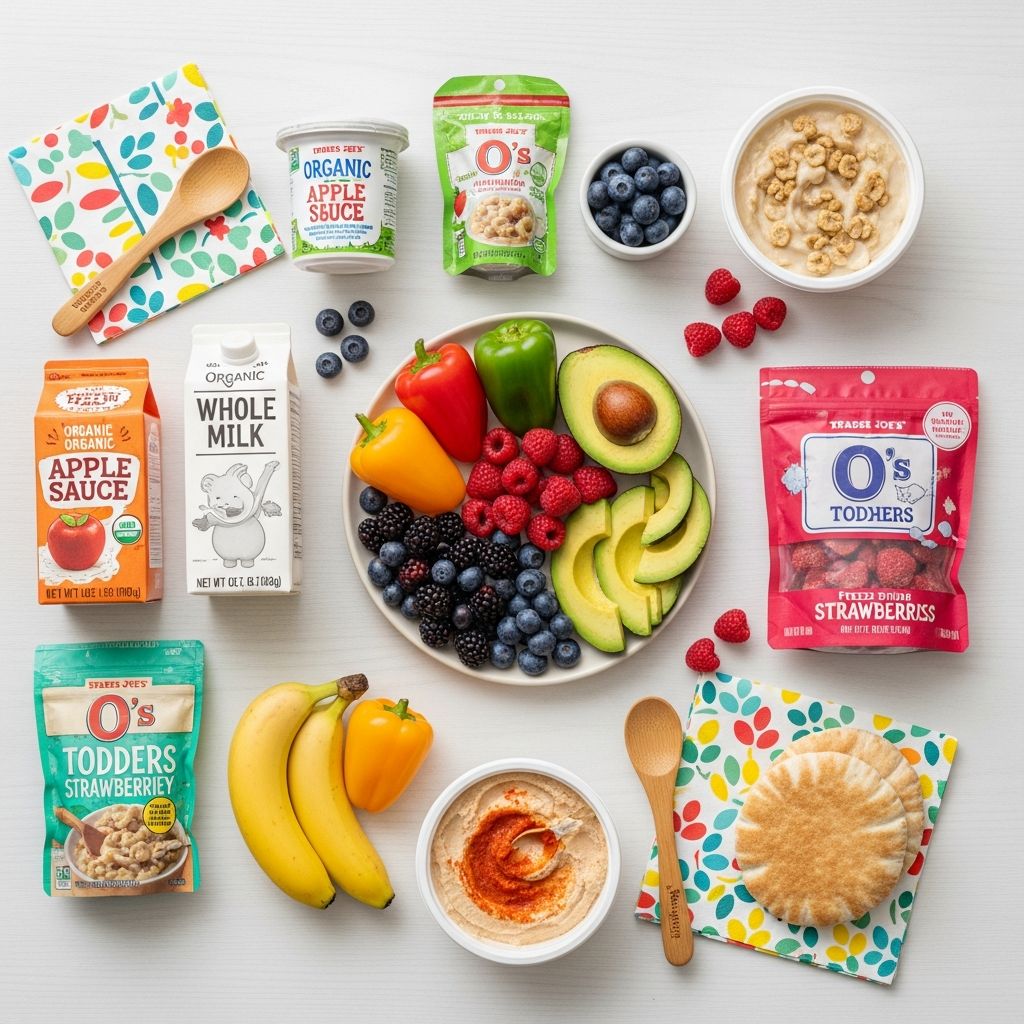
Feeding toddlers can feel like a daily adventure, balancing nutrition, convenience, and appeal to tiny taste buds. Trader Joe’s stands out as a go-to destination for parents seeking high-quality, budget-friendly options that support healthy growth. Drawing from expert insights by registered dietitians, this guide highlights top picks across categories, emphasizing whole foods rich in vitamins, fiber, protein, and healthy fats essential for developing bodies and brains.
Building a Strong Foundation with Fresh Produce
Fresh fruits and vegetables form the cornerstone of any toddler diet, providing vitamins, minerals, and fiber for digestion and immunity. Trader Joe’s produce section offers organic and specialty items that make mealtime exciting and manageable for busy families.
- Teeny Tiny Avocados: These single-serve gems deliver heart-healthy monounsaturated fats crucial for brain development, perfect for smashing on toast or blending into smoothies.
- Purple Sweet Potatoes: Packed with antioxidants like anthocyanins, they offer a vibrant twist on classic sweets, aiding eye health and providing sustained energy.
- Teeny Tiny Apples: Bite-sized for little hands, these reduce waste while supplying pectin for gut health and natural sweetness without added sugars.
- Baby Beets: Pre-cooked and earthy-sweet, beets support liver function and provide folate for cell growth, ideal for roasting or pureeing.
- Pre-Cut Veggies: Options like butternut squash fries and zucchini noodles save prep time, encouraging veggie intake with minimal effort.
Incorporate these into daily routines: slice avocados for finger foods or roast purple sweet potatoes for a colorful side. According to the USDA, children aged 1-3 need 1-1.5 cups of fruits and 1-1.5 cups of vegetables daily, making these picks invaluable.
Dairy and Alternatives for Calcium and Protein Boost
Dairy products supply calcium for strong bones and protein for muscle repair, but choices matter to avoid excess sugars. Trader Joe’s refrigerated aisle shines with clean-label yogurts, cheeses, and milks tailored for young eaters.
| Product | Key Nutrients | Toddler Use Ideas |
|---|---|---|
| Organic Whole Milk Yogurt (Plain) | Probiotics, Vitamin D, Calcium | Mix with fruit purees or nut butters for creamy dips |
| Grass-Fed Milk | Omega-3s, High-Quality Protein | Sippy cup servings or in oatmeal |
| Plain Greek Yogurt or Icelandic Skyr | 20g+ Protein per serving, Low Sugar | Freeze into pops or layer in parfaits |
| Cottage Cheese | Casein Protein, B Vitamins | Top with berries for high-protein snack |
| Cheese Sticks or Babybel | Calcium, Portable Protein | On-the-go bites with apple slices |
Opt for plain varieties to control sweetness; the American Academy of Pediatrics recommends whole milk dairy for toddlers under 2 to support fat-soluble vitamin absorption. These items also feature live cultures for gut microbiome health, linked to better immunity.
Pantry Staples for Everyday Meals
Stocking your pantry with versatile, nutrient-dense dry goods ensures quick assembly of balanced meals. Trader Joe’s excels in organic grains, nut butters, and plant-based proteins that align with dietary guidelines.
- Organic Valencia Peanut Butter (Just Peanuts): Creamy or crunchy, it’s free of additives, delivering 7g protein per tablespoon to combat allergies when introduced early per pediatric guidelines.
- Frozen Organic Brown Rice: Cooks in minutes, retaining more fiber and magnesium than white rice for steady blood sugar.
- High-Protein Tofu: Pre-pressed for ease, offers complete plant protein (10g per serving) for vegetarian meals.
- Lentils & Edamame: Frozen blends provide iron and folate, combating anemia common in toddlers.
- Tomato Basil Marinara: Made with olive oil, low in sodium, perfect for pasta or veggie dips.
These staples facilitate meals like peanut butter rice balls or tofu stir-fries. The CDC notes that toddlers require 13g protein daily, easily met with these affordable options.
Smart Snacks to Keep Energy Steady
Snacks bridge meals, preventing hanger meltdowns while delivering nutrients. Trader Joe’s veggie chips and puffs prioritize crunch without junk.
- Crispy Okra or Broccoli: 11g fiber per serving from real veggies, outperforming traditional chips nutritionally.
- Bamba Peanut Puffs: Peanut-based for early allergy prevention, puffy texture suits self-feeding.
- Plantain Chips or Snap Pea Crisps: Potassium-rich alternatives to potato chips.
- Salted Nuts & Seeds: Healthy fats and zinc for immune support; choose unsalted for variety.
- Organic Hummus: Chickpea-tahini blend for spoonable protein dips.
Research from the NIH supports early peanut exposure reducing allergy risk by 80% in high-risk infants. Portion these to 1-2 oz to align with 100-175 calorie snack recommendations.
Frozen Favorites for Quick Wins
Frozen foods at Trader Joe’s are lifesavers for time-strapped parents, offering pre-portioned, clean-ingredient meals that heat up fast.
- Cauliflower Gnocchi & Rice: Low-carb veggie swaps for pasta nights.
- Turkey Burgers & Grilled Chicken Strips: Lean proteins without hormones.
- Wild-Caught Seafood: Omega-3s from shrimp or salmon for brain health.
- Roasted Brussels Sprouts: Fiber-packed sides ready in minutes.
Pair with fresh produce for complete plates. Harvard’s nutrition guidelines emphasize frozen produce retains equal nutrients to fresh.
Meal Ideas and Portion Tips
Combine picks for balanced plates: 1/2 fruits/veggies, 1/4 grains, 1/4 protein. Examples:
- Breakfast: Greek yogurt with teeny apples and peanut butter.
- Lunch: Hummus with pre-cut veggies and cheese sticks.
- Dinner: Brown rice, tofu, and roasted beets.
- Snack: Crispy okra and milk sip.
Monitor portions: 1/4 adult adult size per MyPlate. Hydrate with water; limit juice.
Frequently Asked Questions
What age group is this list for?
Aimed at 1-3-year-olds, transitioning from purees to textures, but adaptable for older kids.
Are these items organic?
Many are, like peanut butter and yogurt; prioritize for pesticides per EWG.
How to handle picky eaters?
Involve in shopping, offer choices, pair favorites with new foods repeatedly.
Any allergy concerns?
Consult pediatrician for peanuts; Trader Joe’s labels allergens clearly.
Budget tips?
Focus on private label; sales cycle predictably.
References
- Dietary Guidelines for Americans, 2020-2025 — USDA. 2020-12-01. https://www.dietaryguidelines.gov/
- Whole Diet for Toddlers — American Academy of Pediatrics. 2023-05-15. https://publications.aap.org/pediatrics/article/151/5/e2023062484/190144
- Nutrition for Toddlers — CDC. 2024-02-10. https://www.cdc.gov/nutrition/infantandtoddlernutrition/foods-and-drinks/index.html
- Early Peanut Introduction — NIH/NIAID. 2022-11-08. https://www.niaid.nih.gov/diseases-conditions/guidelines-clinicians-and-patients-food-allergy
- Nutrient Retention in Frozen Foods — Harvard T.H. Chan School of Public Health. 2023-08-20. https://nutritionsource.hsph.harvard.edu/food-features/frozen-vegetables/
- MyPlate for Toddlers — USDA MyPlate. 2024-01-15. https://www.myplate.gov/life-stages/toddlers
- EWG’s Dirty Dozen — Environmental Working Group. 2025-03-12. https://www.ewg.org/foodnews/summary.php