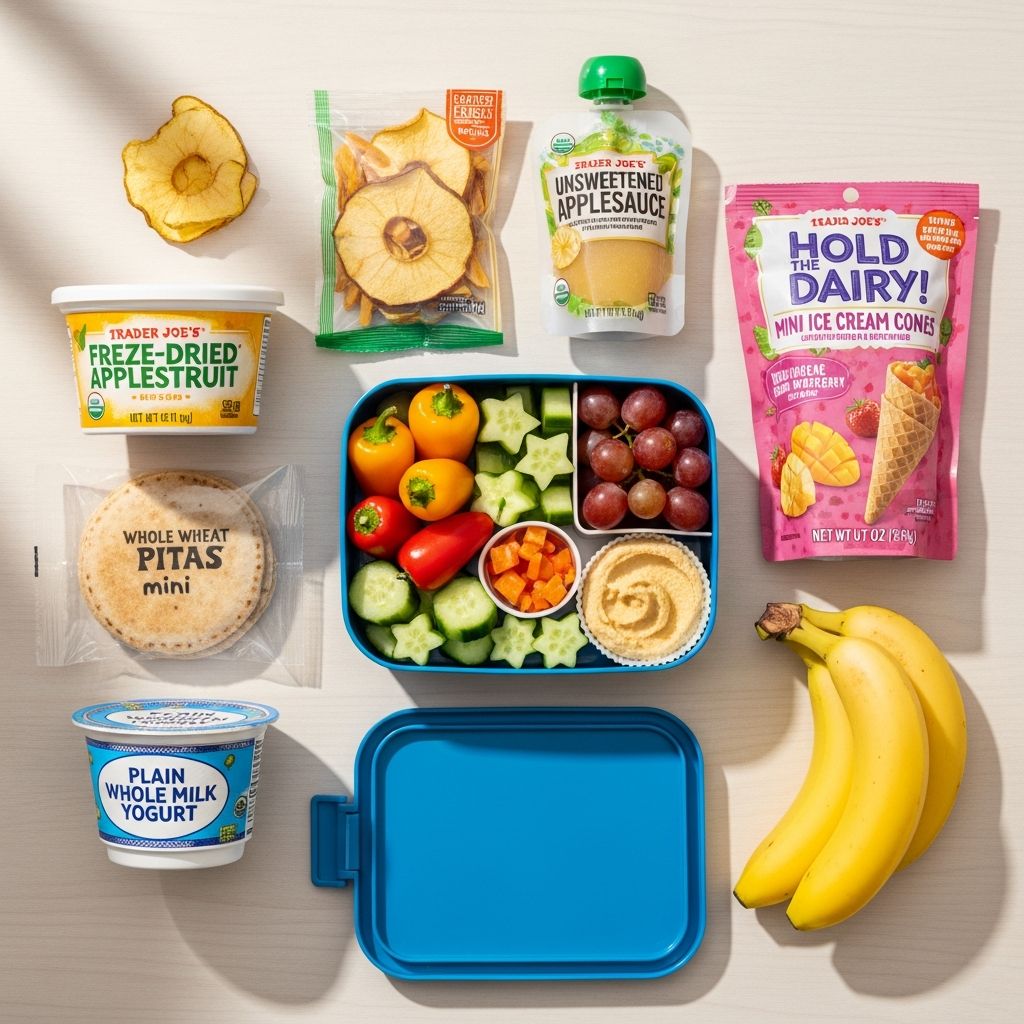
Feeding a young child presents unique challenges, particularly when attempting to balance nutritional requirements with flavor preferences and convenience. Many parents find themselves overwhelmed by grocery shopping decisions, especially when navigating the extensive product selection at modern grocery chains. Trader Joe’s has established itself as a destination for families seeking wholesome, accessible options that toddlers genuinely enjoy. This guide explores practical selections from Trader Joe’s that address the nutritional foundations young children require while accommodating the realities of busy family schedules.
Understanding Toddler Nutritional Priorities
Young children between ages one and three undergo significant developmental changes requiring specific nutritional support. During this critical period, children need adequate protein for growth, healthy fats for brain development, and diverse micronutrients including iron, calcium, and vitamin D. Additionally, introducing varied textures and flavors helps establish positive eating patterns that often extend into adolescence and adulthood. Parents should prioritize foods that deliver multiple nutrients per serving while maintaining the convenience factor that busy households demand.
The challenge intensifies when children develop preferences, often gravitating toward familiar foods and rejecting new items based on appearance alone. Trader Joe’s recognizes this developmental stage by offering products designed with both nutritional integrity and appeal in mind. Many items feature portion sizes suited to small hands, textures that encourage exploration, and flavor profiles that bridge the gap between plain and overly seasoned.
Protein-Rich Foundation Foods
Protein serves as a building block for growing bodies, supporting muscle development and enzyme function. Trader Joe’s offers several protein-focused options that work well for toddlers:
- Fish-Based Products: Battered fish nuggets provide an excellent introduction to seafood proteins. These nuggets feature mild-flavored Alaska Pollock in a light coating, delivering approximately 12 grams of protein per serving. The familiar nugget shape removes psychological barriers that some children experience with traditional fish sticks, making the transition to varied protein sources smoother.
- Poultry Alternatives: Uncured turkey bacon offers a protein source free from nitrates and nitrites, providing roughly 8-10 grams of protein per serving. The straightforward preparation—simply heating in a skillet or oven—appeals to parents seeking minimal cooking complexity. Unlike conventional fast-food chicken products, this option delivers cleaner ingredient profiles.
- Meat-Based Snacks: Chomps meat sticks provide portable protein in convenient single-serving packages, ideal for on-the-go situations when refrigeration isn’t immediately available. These products offer a savory protein option distinct from sweeter snack categories.
Whole Grain and Carbohydrate Options
Complex carbohydrates fuel active toddlers while providing sustained energy throughout the day. Trader Joe’s carries several whole grain products specifically formulated for young palates:
Organic silver dollar pancakes represent a significant time-saver for morning routines. These miniature pancakes deliver the taste of homemade versions without the preparation demands and cleanup requirements. The small size accommodates little hands, enabling children to self-feed and develop independence. Parents appreciate the consistent quality and minimal ingredient lists, while children respond positively to the familiar comfort food format.
Ezekiel bread offers a nutrient-dense alternative to conventional white bread, featuring sprouted grains that enhance nutrient bioavailability. The freezer storage option maintains freshness while allowing parents to toast individual slices as needed. This bread serves as a foundation for numerous toddler-appropriate meals, from simple almond butter toast to more creative combinations incorporating soft fruits and healthy spreads.
Cauliflower pizza crust represents an innovative approach to vegetable incorporation, particularly valuable for children resistant to traditional vegetable consumption. While it contains cornstarch and potato starch alongside cauliflower, this crust provides nutritional benefits beyond standard refined flour bases. The interactive element of allowing children to select pizza toppings encourages meal participation and ownership over food choices.
Fresh and Frozen Produce Selections
Fruits and vegetables form essential components of balanced toddler diets, yet fresh produce requires storage attention and presents texture challenges for young mouths. Trader Joe’s addresses these concerns through strategic produce preparation:
Pre-Cut Fresh Fruits: Convenience doesn’t necessarily indicate nutritional compromise. Pre-sliced mango and cantaloupe maintain nutritional value while eliminating preparation time that often deters busy parents from including fresh fruit. The standardized sizing ensures appropriate portions, while the visual appeal encourages consumption. Pairing these fruits with coconut or traditional yogurt creates balanced snacks combining carbohydrates, protein, and beneficial probiotics.
Freeze-Dried Offerings: Freeze-dried strawberries and other fruits provide crunchy textures that appeal to toddler sensory preferences without added sugars. The preservation method maintains nutrient profiles while removing water content, creating shelf-stable alternatives to fresh fruit. Parents appreciate the portability and reduced spoilage concerns, while children respond enthusiastically to the distinctive texture. Reframing freeze-dried fruit as “chips” leverages marketing to increase toddler engagement and consumption rates.
Frozen Vegetable Integration: Frozen broccoli, peas, and other vegetables offer year-round nutritional consistency. Many parents incorporate frozen vegetables into familiar dishes like the store’s diner mac and cheese, disguising vegetables within favorite foods. This approach gradually acclimates children to vegetable consumption while maintaining meal enjoyment.
Strategic Snacking Solutions
Toddlers require nutrient-dense snacks between meals, yet inappropriate snacking habits can compromise overall nutrition. Trader Joe’s snack category includes options supporting healthy snacking frameworks:
| Snack Category | Key Benefits | Serving Considerations |
|---|---|---|
| Organic Mini Peanut Butter Crackers | Portable protein and healthy fats from peanut butter; portion-controlled format | Monitor for choking risks; ensure water availability |
| Plantain Chips | Whole grain alternative to refined snacks; naturally sweet flavor profile | Check sodium levels; serve alongside hydrating foods |
| Organic Hummus with Vegetable Dippers | Plant-based protein; vegetable exposure; customizable vegetable selection | Ensure dippers are appropriately sized and soft |
| Cereal Bars | Trans-fat free formulation; convenient single-serving packages; variety of flavors | Monitor sugar content; pair with protein-containing foods |
| Honey Wheat Pretzel Sticks | Whole grain base; easy-to-hold format for developing hands; natural sweetness | Monitor choking risk for younger toddlers; pair with nut butters |
Building Complete Meals from Component Foods
Rather than purchasing pre-packaged complete meals exclusively, thoughtful parents can assemble nutritionally balanced options using Trader Joe’s component products. This approach offers cost advantages and nutritional flexibility.
Toast-Based Combinations: Ezekiel bread serves as a foundation for numerous combinations. Almond butter with apple slices and cinnamon creates a balanced snack featuring healthy fats, carbohydrates, and natural sweetness. Avocado smashed with sea salt on toast offers healthy monounsaturated fats supporting brain development. Fontina cheese on whole wheat crackers provides calcium and protein in a format children find appealing.
Customizable Main Dishes: Joe’s Diner Mac and Cheese functions as a platform for vegetable incorporation rather than a standalone meal. The creamy four-cheese sauce appeals to toddler palates while the pasta base provides familiar carbohydrates. Parents can incorporate frozen vegetables, diced chicken, or ground beef without compromising the essential appeal.
Yogurt-Based Builds: Greek yogurt provides protein and probiotics forming the foundation for varied combinations. Pairing yogurt with pre-cut fruit, a drizzle of honey, and shredded coconut creates balanced snacks or light meals. The customization aspect encourages children to participate in meal preparation.
Managing Picky Eating Patterns
Picky eating represents a normal developmental phase, yet persistent resistance to varied foods warrants strategic response. Trader Joe’s products support several evidence-based approaches to expanding toddler food acceptance:
Visual Transformation: Presenting familiar foods in novel shapes increases acceptance. Avocado toast cut into star shapes, for example, transforms a straightforward preparation into an engaging presentation. This minor modification often triggers renewed interest in foods children previously accepted.
Texture Variation: Combining crispy and soft elements within single meals addresses toddler sensory preferences. Fish nuggets with soft fruit, pretzel sticks with smooth nut butter, or cereal bars alongside creamy yogurt provide texture contrast maintaining engagement throughout the meal.
Camouflage Strategies: Incorporating vegetables into familiar dishes reduces rejection likelihood. Cauliflower pizza crust, mixed vegetables within mac and cheese, or fruit mixed into yogurt all represent approaches families employ when direct vegetable consumption meets resistance.
Addressing Common Allergen Concerns
Many Trader Joe’s products clearly indicate common allergens including peanuts, tree nuts, dairy, and gluten. Parents managing specific allergies can review packaging carefully and consult store staff regarding production facility information. The store’s labeling transparency supports informed decision-making for families navigating dietary restrictions.
For families without specific allergies, strategic introduction of potential allergens—including peanut-containing products—during the toddler years supports immune system development and reduces allergy risk according to emerging research perspectives.
Practical Shopping and Storage Strategies
Maximizing Trader Joe’s toddler product benefits requires thoughtful shopping approaches. Creating lists organized by store layout reduces shopping time, minimizing stress for both parent and child. Freezer storage for items like Ezekiel bread and silver dollar pancakes maintains freshness while enabling rapid meal preparation during busy periods.
Purchasing smaller quantities of varied products encourages experimentation without significant waste if items don’t resonate with particular children. Trader Joe’s return policy supports this exploratory approach, allowing families to identify preferred products through trial.
Budget-Conscious Nutrition
While Trader Joe’s emphasizes quality ingredients, strategic selections maximize nutritional value within budget constraints. Pre-cut produce commands premium pricing compared to whole fruits; purchasing whole items and preparing them at home reduces costs while potentially increasing vegetable consumption through hands-on family involvement.
Freeze-dried fruits, while more expensive than fresh equivalents, offer longer shelf life and reduced waste, potentially providing better value than constantly replacing spoiled fresh produce. Comparing per-serving costs of pre-packaged snacks versus component assembly often reveals assembly economics, though convenience factors may justify premium pricing for busy households.
Frequently Asked Questions
At what age can toddlers safely consume items like peanut butter crackers?A: Most children can introduce peanut products around age one, though individual readiness for choking hazards varies. Consult pediatricians regarding individual developmental milestones and food safety guidance specific to your child’s readiness.
Q: How can I make mealtimes less stressful when my toddler refuses most vegetables?
Repeated exposure to vegetables in non-pressured contexts increases acceptance over time. Incorporating vegetables into familiar dishes, involving children in meal preparation, and modeling vegetable consumption yourself support gradual acceptance without mealtime conflict.
Are Trader Joe’s frozen meals appropriate as regular meal staples?
Frozen products work well as components within balanced meals or occasional convenience options. Combining them with fresh vegetables, fruits, and additional protein sources ensures nutritional completeness rather than relying exclusively on single products.
How do I safely introduce new foods from Trader Joe’s?
Introduce one new food at a time, waiting several days between introductions to identify potential allergic reactions or sensitivities. Offer new foods alongside established favorites to increase acceptance and reduce pressure.
What Trader Joe’s products offer the best value for toddler budgets?
Freeze-dried fruits, whole grains, and bulk protein options generally provide better per-serving value than pre-packaged snacks. Comparing unit prices helps identify budget-friendly staples across categories.
References
- Feeding Guidelines for Infants and Young Toddlers — American Academy of Pediatrics. 2024. https://www.aap.org/en/patient-care-and-advice/aap-parenting-corner/stages-of-development/toddler-nutrition/
- Early Allergen Introduction and Allergy Prevention in Children — Food Allergy Research & Education. 2024. https://www.foodallergy.org/living-food-allergy/managing-food-allergy/when-introduce-allergens-infants
- Dietary Guidelines for Americans 2020-2025 — U.S. Department of Agriculture & Department of Health and Human Services. 2020. https://www.dietaryguidelines.gov/resources/2020-2025-dietary-guidelines-americans
- Nutrition for Healthy Growth and Development in the First Years of Life — World Health Organization. 2023. https://www.who.int/teams/nutrition-and-food-safety/nutrition-2030/tools-and-resources
- Picky Eating in Toddlers: Developmental Trajectories and Early Risk Factors — Nutrients Journal. 2023. https://www.mdpi.com/journal/nutrients
- Food Safety for Families with Young Children — U.S. Food and Drug Administration. 2024. https://www.fda.gov/food/consumers/food-safety-families