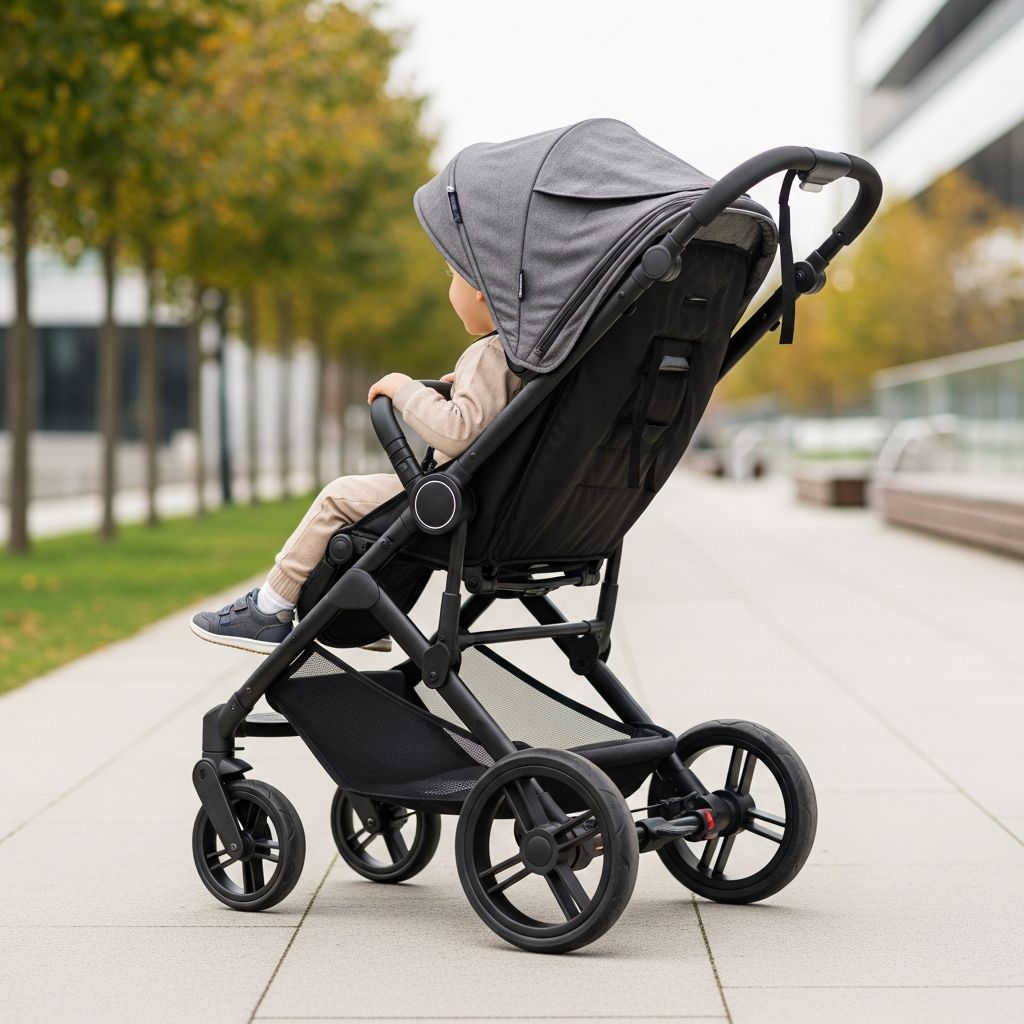
Many parents are surprised to discover that even when their child is well past the baby stage, a stroller can still be incredibly useful. Long outings, travel days, theme parks, and busy city streets can be overwhelming for small legs, and a thoughtfully chosen stroller for big kids can save everyone’s energy and sanity.
Why Bigger Kids Still Need Wheels Sometimes
There is a lot of pressure to “graduate” from the stroller as soon as a child starts walking, but walking independently and walking long distances are two very different skills. Preschoolers and early elementary kids may be confident walkers, yet still tire quickly on full-day outings or during travel days that include airports, transfers, and long lines.
For some families, a stroller for a bigger child is not just about convenience but about accessibility and safety. Children with medical conditions, developmental differences, or sensory challenges may need a secure, mobile space even when peers no longer use strollers, and an age-appropriate stroller can make it easier to participate in family activities.
Signs Your Child Has Outgrown a Regular Stroller
Most standard strollers are designed for babies and average-sized toddlers, which means that once your child approaches preschool age, they may feel cramped or poorly supported. Several physical and practical cues can help you spot when it is time to upgrade.
- Your child’s head is very close to or above the top of the seat back, even when sitting upright.
- The harness cuts across the neck or shoulders at an awkward angle, or you have run out of adjustment space.
- The leg rest is too short and your child’s knees bend uncomfortably over the edge of the seat.
- Steering the stroller suddenly feels harder, as though the frame is flexing or the wheels are struggling with the extra weight.
- The manufacturer’s posted weight limit has been reached or exceeded.
When It Makes Sense to Keep Using a Stroller
Keeping a stroller in rotation for a bigger child is not a sign of laziness or overindulgence; it is often a strategic choice that helps your family keep moving smoothly. The key is to use it thoughtfully and pair stroller time with plenty of chances for your child to move independently.
- Travel days: Airports, train stations, and cruise terminals involve long stretches of walking and waiting, often with tight schedules and heavy bags.
- Theme parks and zoos: Full-day outings with heat, crowds, and sensory overload can be much more manageable with a place to rest.
- Urban living: City families who rely on walking and public transport may need a stroller for long distances or late-evening trips home.
- Medical and sensory needs: A stroller can act as a safe, contained space when a child is overwhelmed or physically fatigued.
Key Features to Look For in a Big-Kid Stroller
Choosing a stroller for a bigger child is less about newborn features and more about ergonomics, durability, and ease of use under heavier loads. The right combination of features makes a noticeable difference in how the stroller handles and how comfortable your child feels.
1. Genuine High Weight Capacity
Weight capacity is usually the first specification parents check, but it is worth reading closely. A stroller may technically claim a high capacity, yet feel unstable or difficult to push when you get close to that number. Look for a clearly stated maximum weight that comfortably exceeds your child’s current weight, and remember to account for growth over the next couple of years.
Also consider whether the posted limit applies to the seat only or to a combined total that includes storage. If you often carry a heavy diaper bag or shopping items, a more generous overall capacity will keep the stroller running smoothly.
2. Seat Height and Depth
For big kids, seat dimensions matter just as much as weight ratings. A tall backrest allows your child to sit naturally without slouching, while sufficient seat depth lets them bend their knees comfortably rather than perching on the edge of the seat. The more supported their posture, the longer they will tolerate sitting during long outings.
If possible, measure your child from seat to shoulder and from hip to knee at home, and compare those numbers with the stroller’s internal measurements. Even a small difference of a few centimeters can translate into a big difference in comfort.
3. Strong Frame and Quality Wheels
Heavier riders put more demand on the frame and wheels, particularly if you regularly encounter curbs, uneven sidewalks, grass, or gravel paths. Look for a sturdy frame that does not flex noticeably when you press down on the handlebar, and avoid designs that feel rattly or flimsy out of the box.
Larger wheels and reliable suspension help distribute weight and absorb bumps instead of transmitting every vibration to the handlebar and your child’s seat. All-terrain or jogging-style wheels can be especially helpful if you spend a lot of time outdoors.
4. Adjustable Handlebar and Ergonomics for Adults
Pushing a big kid is harder work than pushing a baby, so your comfort matters just as much as your child’s. An adjustable handlebar helps taller or shorter caregivers maintain a comfortable posture and reduces strain on the wrists and lower back, especially on longer walks.
Try to imagine real-world use: if you often walk uphill, jog lightly, or navigate tight corners, an ergonomic handle and responsive steering will make a noticeable difference in how enjoyable the stroller is to use.
5. Storage, Canopy, and Everyday Details
Big kids come with big gear: snacks, water bottles, extra clothes, and sometimes school items. A generous under-seat basket and a few well-placed pockets can keep everything accessible without overloading the handles or your own back.
Look as well for a canopy that genuinely shields older, taller children from sun and light rain. A longer leg rest, footrest, and easy-to-adjust harness round out the comfort details that help your child stay content.
Types of Strollers That Work Well for Big Kids
Different families have different needs, so there is no single perfect big-kid stroller. Instead, it helps to understand the major categories and what each does best. From full-size models to wagons and lightweight travel options, each style offers its own strengths and trade-offs.
| Type | Best For | Main Advantages | Key Trade-Offs |
|---|---|---|---|
| Full-size stroller | Everyday use, long walks, errands | Roomy seat, large basket, good suspension | Heavier, bulkier fold |
| Jogging or all-terrain stroller | Parks, trails, uneven sidewalks | Large wheels, smooth ride, high weight limits | Wide footprint, may be tricky in tight shops |
| Lightweight/umbrella stroller | Quick errands, public transit | Easy to carry, compact fold | Less padding, may have lower weight limits |
| Double or sit-and-stand stroller | Two children of different ages | Space for older and younger sibling | Longer and heavier to maneuver |
| Stroller wagon | Beach days, theme parks, outdoor events | Spacious interior, flexible seating | Bulky, may be restricted in some venues |
Full-Size Strollers
Full-size models designed with a tall seat back and generous leg room can easily carry many children through preschool and early elementary years. These strollers often include large canopies, big baskets, and features like adjustable handlebars that support everyday family life.
They tend to be heavier than travel strollers, but if you mostly roll from home to parks, schools, and shops rather than lifting the stroller in and out of a car trunk constantly, the extra sturdiness is a worthwhile trade-off.
Jogging and All-Terrain Strollers
Jogging and all-terrain strollers typically feature large, air-filled tires or rugged wheels and high weight limits, which naturally make them strong candidates for big kids. They glide more easily over rough surfaces and can feel almost effortless to push once they are moving.
Even if you never plan to run, the smooth ride and extra suspension can keep older children more comfortable over longer distances, making these strollers popular for active families and those who spend a lot of time outdoors.
Lightweight and Umbrella Strollers
Lightweight options shine when you need something that folds small and can be carried up stairs, onto buses, or through narrow spaces. Some newer compact models offer surprisingly high weight limits and decent seat height while remaining easy to lift.
These strollers usually sacrifice some padding, storage, and suspension, so they are better for shorter trips or travel days than for daily long walks over rough terrain.
Double and Sit-and-Stand Strollers
If you have a baby and an older child, a double or sit-and-stand design can provide both kids with a place to rest without requiring two separate strollers. Many of these designs include a rear bench or standing platform specifically sized for bigger kids.
Because doubles are longer and heavier, practice turning and parking in safe spaces before tackling tight crowds. Once you get used to their feel, they can be an efficient way to move two children at once.
Stroller Wagons
Stroller wagons have become increasingly popular for families with multiple kids or with older children who need occasional rests. They offer a spacious open area where children can sit side-by-side or stretch out, along with room for bags, snacks, and gear.
While wagons handle well in parks and outdoor events, some indoor venues and public transit systems have rules that differentiate strollers from wagons. Checking policies ahead of time can save you from surprises at the gate.
Practical Tips for Choosing the Right Big-Kid Stroller
Narrowing down all the options can feel overwhelming, but a simple checklist can make the decision more straightforward. Thinking realistically about how and where you use a stroller will usually point you toward the right category and features.
Questions to Ask Yourself
- Where do we use a stroller most often: sidewalks, parks, shopping centers, or travel hubs?
- How frequently will the stroller be lifted into a car trunk or carried on stairs?
- Do we need it to work for one child, or should it adapt for a younger sibling in the future?
- Is our priority comfort on long walks, the smallest possible fold, or the ability to handle rough paths?
- How much storage space do we have at home and in the car?
Helpful Shopping Strategies
- Bring your child’s measurements (or your child) when testing strollers, and check how they sit, where their head reaches, and how their legs rest.
- Load the basket with a few heavy items in the store to simulate groceries or travel bags, and see how the stroller steers.
- Fold and unfold the stroller several times to ensure the mechanism feels intuitive and manageable for your strength and height.
- Check whether accessories such as parent consoles, cup holders, rain covers, or riding boards are included or require separate purchases.
Safety and Comfort Considerations for Bigger Kids
A child who can climb in and out independently, reach controls, and move more forcefully inside the seat introduces new safety considerations beyond those of a passive baby. Clear boundaries and the right equipment help keep everyone safe and comfortable.
Harness Use and Seat Position
Even with older children, a secure harness is important for sudden stops, curbs, and uneven ground. A five-point harness that can be adjusted to sit at or slightly above the shoulders usually provides the best balance between security and comfort.
Encourage your child to sit rather than kneel or lean out of the stroller while in motion. For children who like to move, brief walking breaks and opportunities to get out and explore can reduce restlessness.
Balancing Independence and Rest
Many families find it helpful to treat the stroller as a tool rather than a default. Setting expectations like “walk from the entrance to the playground, then ride back if you are tired” allows children to build stamina while still having support when they need it.
This approach can be especially useful during trips: kids walk during shorter segments, then use the stroller during long waits, late evenings, or when crowds become overwhelming.
Frequently Asked Questions About Strollers for Big Kids
How old is too old for a stroller?
There is no universal age cutoff, because children vary widely in size, stamina, and medical needs. Instead of focusing on age, consider whether the stroller is being used thoughtfully for specific situations, like long days or travel, rather than as an automatic default for every short outing.
Should I worry about judgment from others?
Many parents feel self-conscious about using a stroller for a preschooler or early elementary child, but onlookers do not know your child’s needs, your schedule, or your family context. If the stroller helps your family stay active, safe, and able to participate in daily life, it is serving an important purpose.
Can a heavy child damage a stroller that is technically within the weight limit?
Using a stroller consistently near its maximum capacity can make weak points show more quickly, especially in the wheels, suspension, and folding joints. Choosing a model that comfortably exceeds your child’s weight and feels stable with added bags will usually lead to a longer-lasting and smoother-running stroller.
Is a stroller wagon better than a stroller for big kids?
Stroller wagons can be fantastic for spacious, outdoor environments and for families with multiple kids who want to sit together. Traditional strollers, on the other hand, often handle doorways, tight sidewalks, and public transport more easily, so the better choice depends on where you spend most of your time.
What if my child refuses to ride in the stroller?
Some big kids love their stroller breaks, while others resist sitting once they discover walking freedom. Offering choices—such as walking to a certain landmark and then riding, or using the stroller only when they feel tired—can give them a sense of control while still keeping the option available when it is genuinely needed.
Making Peace With the Stroller Years (Again)
Few parents expect to be shopping for another stroller once their child is out of diapers, yet many families discover a second, equally important phase of stroller use. Instead of seeing this as a setback, it can help to think of a big-kid stroller as a bridge: a tool that supports your child’s growing independence while still giving them a secure place to rest when the world feels too big or exhausting.
With the right features, a well-chosen stroller for big kids can extend your ability to explore as a family—whether that means navigating crowded streets, tackling bucket-list vacations, or simply making it through a long afternoon of errands with energy to spare for bedtime stories.