Shark stories can be exciting, funny, and surprisingly educational when families choose the right movies and shows on Disney+.
Why Sharks Belong in Family Movie Night
Sharks are some of the most misunderstood animals in the ocean, and thoughtful family viewing can replace fear with curiosity and respect. Many Disney+ titles lean into adventure and discovery rather than graphic scares, making them ideal for kids who love animals but are not ready for intense horror.
When paired with conversation and fun facts, shark movies become a bridge into topics like marine biology, conservation, and how humans and wildlife can safely share the ocean. Parents can use these films to spark questions, encourage critical thinking, and even inspire future science interests.
Types of Shark Content on Disney+
Disney+ offers several broad categories of shark content: animated adventures, live-action narratives with shark cameos, and documentary-style programs from National Geographic. Each type serves a different purpose, from lighthearted entertainment to fact-filled exploration of real shark behavior.
Some titles are built around gentle, cartoonish sharks, while others feature wild sharks filmed in their natural habitats using advanced camera technology. Parents can mix these types to balance comfort, excitement, and learning for different ages.
Age Guide for Shark Viewing
Not all shark content is created equal for kids, so an age-based approach helps avoid sleepless nights. Animated or heavily stylized movies usually work better for younger children, while realistic footage and suspenseful narration fit tweens and teens.
Parents should also consider individual sensitivity: some children are fascinated by close-up shark teeth, while others prefer wider shots and gentler storytelling. When in doubt, preview shorter clips or watch the first few minutes together to gauge comfort levels.
Quick Age-Suitability Table
| Content Style | Typical Age Range | Intensity Level | Best For |
|---|---|---|---|
| Animated shark characters | 4–8 years (with guidance) | Very low; mild peril only | First shark stories and gentle humor |
| Soft documentary with narration | 7–11 years | Moderate; real animals, limited blood | Learning about real shark behavior |
| Intensity-focused shark specials | 10–14 years | Higher; suspense and close-up predation | Thrill-seeking kids interested in science |
| Conservation-focused features | 9+ years | Moderate; environmental themes | Kids who care about oceans and wildlife |
Animated Adventures Featuring Sharks
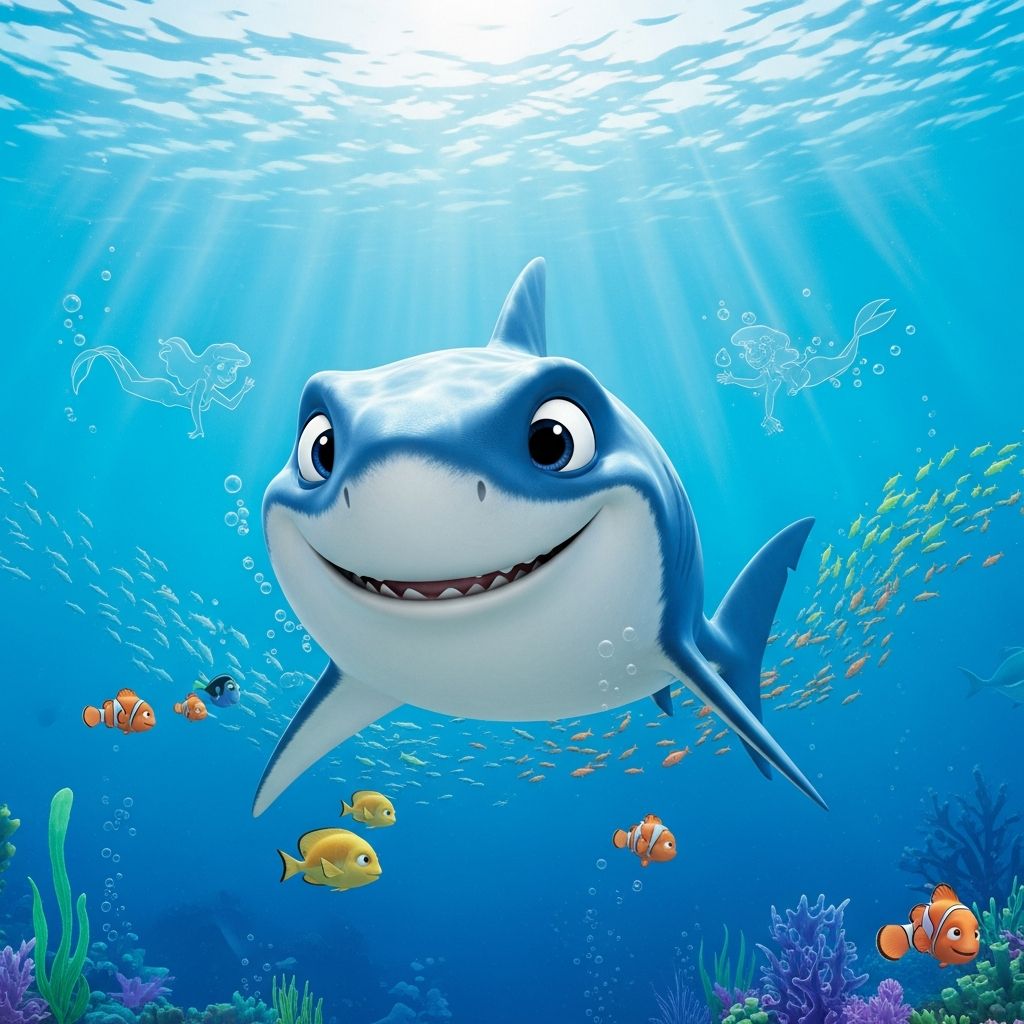
Several Disney-owned animated films include sharks in supporting roles rather than as constant threats, which can soften the image of these animals for young viewers. In many cases, sharks function as comic relief, brief obstacles, or exaggerated versions of real species.
These animated appearances often emphasize friendship, courage, and teamwork, showing that even scary-looking creatures can be part of a larger, colorful ocean world. The stylized designs and playful voice acting keep tension low while still giving kids a sense of underwater adventure.
Benefits of Animated Shark Stories
- They reduce fear by replacing realistic teeth and blood with cartoon exaggeration and humor.
- They teach social lessons like loyalty, honesty, and inclusion wrapped inside an engaging sea journey.
- They introduce basic ocean concepts such as coral reefs, fish schools, and migration in kid-friendly ways.
Live-Action Films Where Sharks Play a Role
Some live-action Disney-related films feature sharks as part of a larger story about surfing, exploration, or personal resilience rather than nonstop creature attacks. These movies frequently treat the shark encounter as one dramatic turning point in a character’s emotional journey.
Surf dramas and ocean-set adventures may include scenes of danger, but they usually balance this with themes of determination, family support, and respect for nature. For older kids, such narratives can open discussions about risk, recovery, and how real people respond to fear.
What to Watch For in Live-Action
- Rating and content descriptors for injury, blood, or intense peril.
- Whether the shark is portrayed as a villain or as a wild animal acting on instinct.
- The overall tone of the film: inspirational, thrilling, or grim.
National Geographic Shark Specials on Disney+
Disney+ includes a dedicated collection of National Geographic shark programs that focus on real shark science, cutting-edge filming techniques, and the work of marine experts. These specials cover everything from coastal shark populations to deep-ocean hunters and unusual migration patterns.
Some titles highlight specific regions such as the Red Sea, Bermuda Triangle, or tropical Pacific, while others analyze issues like shark behavior near popular beaches. Together, they offer a wide-angle look at how sharks hunt, navigate, and interact with other marine animals.
Typical Topics Covered
- Why certain coastlines see seasonal spikes in shark sightings.
- How female sharks migrate, breed, and raise—or do not raise—their young.
- Whether sharks prefer specific water temperatures, depths, or prey types.
- How scientists use tags, drones, and underwater cameras to track individuals.
Blending Education and Entertainment
Parents looking to keep screen time meaningful can treat shark shows as launchpads for mini lessons, experiments, and crafts. Many National Geographic programs on Disney+ weave facts into dramatic storytelling, which keeps kids engaged while quietly building knowledge.
After a documentary, families might research specific shark species, map migration routes on a globe, or compare shark senses to human senses. Turning passive watching into active projects helps children retain information and see science as something they can do, not just watch.
Simple Educational Ideas After Watching
- Create a “shark fact” poster featuring size, diet, and habitat for one favorite species.
- Draw a labeled shark diagram showing fins, gills, and the distinctive tail shape.
- Compare sharks with dolphins or whales in a two-column chart for similarities and differences.
Shark Safety and Conservation Themes
Several shark specials on Disney+ include segments that explain how rare shark attacks are compared with other everyday risks. Experts often emphasize that humans are not typical shark prey and that most incidents happen under specific, avoidable conditions.
There is also growing focus on conservation, exploring how overfishing, habitat loss, and climate change affect shark numbers worldwide. Some programs follow photographers, scientists, or advocates who work to shift sharks’ reputation from mindless killers to vital parts of marine ecosystems.
Key Messages Kids Can Learn
- Sharks help keep ocean food webs balanced by culling weak or sick animals.
- People can lower risk in the water by respecting warnings, avoiding certain conditions, and swimming in groups.
- Protecting sharks often means protecting coral reefs, seagrass beds, and other habitats.
Planning a Family Shark Marathon on Disney+
A well-planned shark marathon can move from light-hearted to more serious content as the evening goes on. Beginning with an animated feature gives younger kids time to adjust before deciding whether to continue into documentaries or more intense specials.
Parents can also build in structured pauses after each title to talk about what everyone noticed and felt. These conversations can turn potential scares into chances to clarify facts and reinforce that sharks deserve respect, not blind fear.
Sample Marathon Flow
- Start with a fun animated ocean adventure that includes a brief shark appearance.
- Move to a soft-edged National Geographic program highlighting basic shark behavior.
- Finish, for older kids, with a more suspenseful special about shark hotspots or unusual behavior.
Tips for Sensitive or Anxious Viewers
Some children enjoy the idea of sharks but feel overwhelmed by sudden music shifts or close-up hunting scenes. Using subtitles, lowering the volume slightly, and sitting together can make a big difference in comfort.
Parents can also frame the experience ahead of time, explaining that cameras are often far away and that editors choose dramatic angles to make the story exciting. Reassuring kids that sharks rarely interact with humans in the wild helps separate movie tension from real-life risk.
Practical Viewing Adjustments
- Preview potentially intense scenes with the remote in hand to skip or fast-forward if needed.
- Watch earlier in the day so children have time to process before bedtime.
- Keep a familiar, non-scary show queued as a “palette cleanser” afterward.
Helping Kids Separate Shark Myth from Reality
Decades of sensational films have conditioned many viewers to think of sharks as relentless man-eaters, but scientific programs on Disney+ actively push back against this myth. By highlighting real data on shark attacks, feeding patterns, and behavior, these shows paint a more balanced picture.
Parents can reinforce this by asking children to list everything the movie made them feel, then sorting which parts came from storytelling choices and which from factual information. This exercise introduces basic media literacy and encourages kids to question how animals are portrayed.
Frequently Asked Questions About Disney+ Shark Movies
Are shark movies on Disney+ too scary for young kids?
Many shark-related titles on Disney+ are designed with families in mind and avoid graphic content, especially within the National Geographic collection. Choosing animated films or gentle documentaries and watching together allows parents to moderate fear and stop if anything feels too intense.
Can children actually learn science from these movies?
Yes, a number of documentaries on Disney+ include detailed explanations of shark anatomy, feeding behavior, reproduction, and migration. When adults pause to discuss key scenes or look up extra information, kids gain a stronger, more accurate understanding of ocean ecosystems.
Do these shows exaggerate the danger of sharks?
Some specials emphasize suspense to keep viewers engaged, but many also stress how uncommon shark attacks are and why they occur. Programs focused on conservation, in particular, highlight the pressures sharks face from human activity and how crucial they are to healthy seas.
How can parents check if a specific title is appropriate?
Parents can review the age rating, description, and thumbnails on Disney+ and then skim the first minutes to assess tone and imagery. Online lists of family-friendly shark content often summarize intensity level, making it easier to match picks to each child’s comfort.
What if my child becomes more afraid of the ocean after watching?
If fear increases, it can help to step back to lighter ocean content that features friendly animals, colorful reefs, and calm narration. Parents might also share simple statistics about how rare shark incidents are and talk about beach safety rules to restore a sense of control.