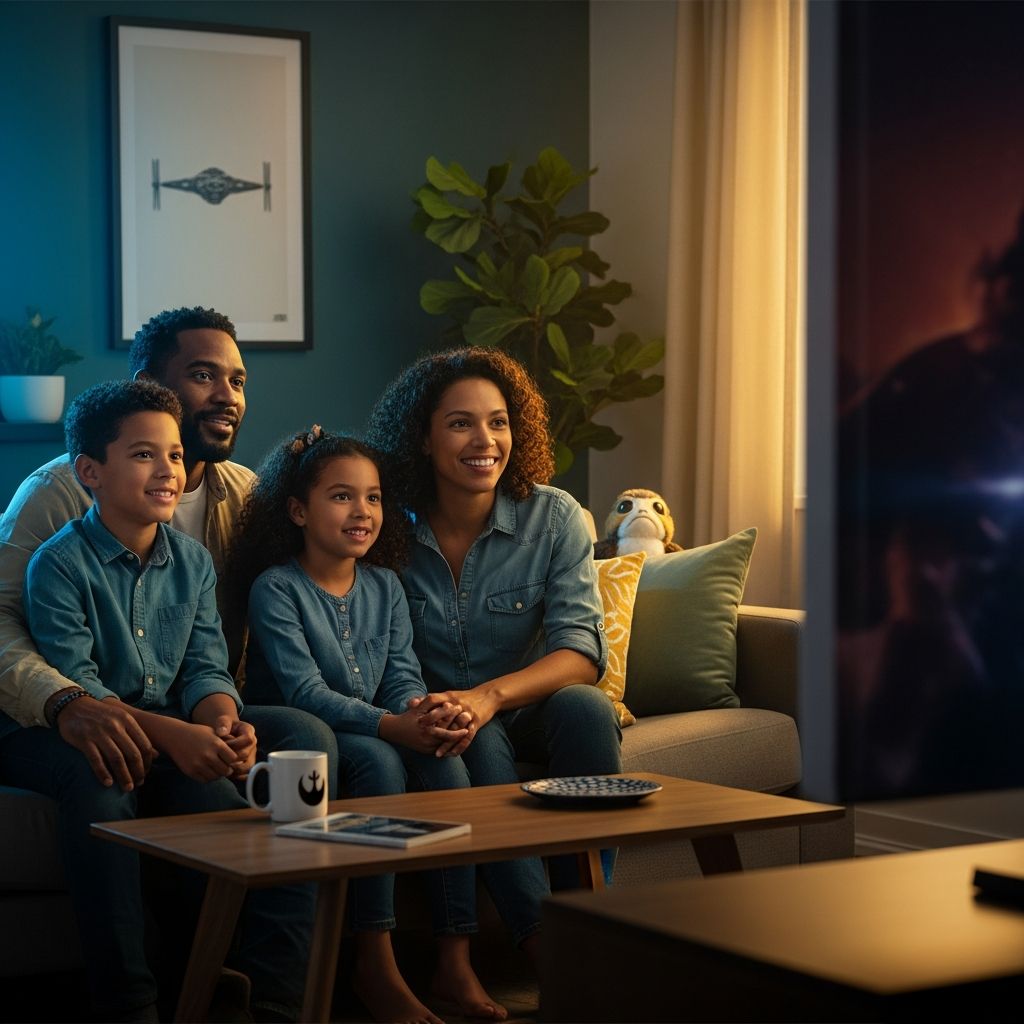
Star Wars animation covers everything from slapstick LEGO adventures for young kids to intense war stories aimed at tweens and teens, so parents benefit from a clear roadmap before pressing play. This guide walks through the main animated series, highlights age-appropriateness, and offers conversation starters so families can enjoy the galaxy far, far away together.
Why Star Wars Cartoons Feel Different From The Movies
Animated Star Wars shows often explore corners of the universe that the films only hint at, expanding on side characters, politics, and moral dilemmas in more detail. At the same time, they use stylized visuals and non-graphic depictions of conflict to keep the content more accessible than many live-action blockbusters.
For parents, the challenge is that these shows all share lightsabers, blasters, and space battles, but they differ dramatically in tone, pacing, and emotional intensity. Some installments are action-comedy suitable for younger grade-schoolers, while others tackle darker themes more appropriate for older kids and teens.
Quick Reference: Major Animated Series At A Glance
The table below gives a high-level snapshot of popular Star Wars animated series, including general age guidance and overall tone. This is not a substitute for individual judgment, but it offers a useful starting point before you browse the streaming menu.
| Series | General Age Guidance | Core Tone | Violence Level |
|---|---|---|---|
| Star Wars: The Clone Wars | Older kids & tweens; co-viewing recommended for younger viewers. | War drama with character growth and political intrigue. | Frequent combat, non-graphic but intense in later seasons. |
| Star Wars Rebels | Roughly 8+; fans of classic adventure stories. | Rebel-crew adventure with found-family themes. | Regular blaster and lightsaber action, limited on-screen consequences. |
| Star Wars Resistance | Grade-schoolers, especially those drawn to racing and comedy. | Lighthearted pilot training and espionage. | Milder fantasy action with less intense peril. |
| Star Wars: The Bad Batch | Older tweens and teens; heavier war themes. | Fugitive-squad war story with moral gray areas. | Frequent, sometimes intense combat without graphic gore. |
| Star Wars: Visions | Older kids & teens; anthology varies by episode. | Experimental, stylized shorts reimagining Star Wars. | Ranges from mild to moderate fantasy violence. |
| Young Jedi Adventures | Early grade-schoolers discovering Star Wars. | Gentle, educational stories about friendship and bravery. | Very mild, cartoon-style action. |
Understanding Age Ratings And What They Really Mean
Most Star Wars animated series fall between TV-Y7 and TV-PG, signaling that they include fantasy violence and peril but avoid graphic gore, explicit language, or sexual content. TV-Y7 suggests that cartoon action may be too intense for preschoolers, while TV-PG indicates that younger children may need parental guidance and follow-up conversations.
Streaming platforms typically group these shows in the same kids’ section, which can make them look equally suitable even when some episodes are much more intense. Parents can use episode descriptions, thumbnails, and runtimes to spot likely battle-heavy installments if a child is sensitive to fear or loss.
Key Themes Across Star Wars Animation
Despite their differences, most Star Wars cartoons circle back to a few core ideas that parents can highlight during family viewing. These recurring themes offer built-in prompts for values-based conversations without turning movie night into a lecture.
- Good vs. evil is complicated: Characters frequently face moral dilemmas, making choices that blur easy labels and invite deeper discussion.
- Found family and loyalty: Many shows emphasize teams, crews, and surrogate families who support one another despite differences.
- Consequences of war: Even with stylized visuals, recurring battles, occupations, and loss show that war carries a real emotional cost.
- Growth and redemption: Characters evolve over multiple seasons, sometimes moving from selfishness or fear toward courage and responsibility.
Series Spotlight: Star Wars The Clone Wars
This long-running series explores the conflict between the Galactic Republic and the Separatists, filling the story gap between the second and third live-action prequel films. It follows familiar heroes alongside new characters as they navigate battles, politics, and shifting loyalties.
Earlier seasons tend to feel more like episodic war adventures, while later seasons grow more serialized and emotionally intense as the story edges closer to tragic events seen in the films. The show includes frequent lightsaber duels, large-scale battles, and depictions of death, though blood and gore are generally absent.
- Best for: Kids who already enjoy Star Wars and are ready for more complex plots and heavier themes.
- Potential concerns: Recurring war imagery, on-screen character deaths, and frightening creatures in some arcs.
- Conversation starters: Talk about following orders versus doing what seems morally right, and how characters handle guilt and responsibility.
Series Spotlight: Star Wars Rebels
Set before the original film trilogy, this series follows a small rebel crew who fight against an oppressive empire while forming a tight-knit family. The tone balances humor and danger, with clear heroes and villains and a strong emphasis on mentorship.
While blaster fire, chases, and lightsaber duels are common, the show tends to avoid graphic depictions of injury and keeps the focus on teamwork and hope. Over time, the stakes rise as the crew’s actions connect more directly to the larger rebellion.
- Best for: Elementary-age Star Wars fans who can handle suspenseful situations but prefer a hopeful, adventure-driven tone.
- Potential concerns: Threats from intimidating villains, occasional character losses, and intense chases or confrontations.
- Conversation starters: Discuss courage, standing up to injustice, and what it means to be part of a chosen family.
Series Spotlight: Star Wars Resistance
This series focuses on hotshot pilots and espionage in the era of the sequel films, with an emphasis on racing and slapstick humor. Its colorful style and lighter tone make it feel more accessible to younger viewers than some other entries.
While there are still dogfights and moments of danger, the show typically handles these with a softer touch and less emotional weight than the more battle-heavy series. Characters often learn lessons about responsibility, honesty, and teamwork in ways that resonate with grade-schoolers.
- Best for: Kids who like fast-paced comedy and flying sequences more than brooding war stories.
- Potential concerns: Occasional peril and explosions, though usually buffered by humor.
- Conversation starters: Talk about overconfidence, learning from mistakes, and what makes someone a trustworthy friend or teammate.
Series Spotlight: The Bad Batch And Other Darker Tales
The Bad Batch follows a squad of clone soldiers on the run after the rise of the empire, blending war drama with themes of loyalty, identity, and found family. The tone is more somber and morally complex than many kid-targeted cartoon shows, even though the violence remains stylized.
Families considering this series should expect frequent combat, scenes of occupation or oppression, and dilemmas about following orders versus doing what is right. Older kids can gain a lot from unpacking these issues with an adult, especially around topics like state power and personal conscience.
- Best for: Tweens and teens who already handle heavier live-action content comfortably.
- Potential concerns: Intense action, morally ambiguous choices, and an overarching sense of danger and loss.
- Conversation starters: Explore what makes a soldier heroic, how people resist injustice, and how trauma can shape a character’s choices.
Series Spotlight: Visions, Young Jedi Adventures, And LEGO Specials
The anthology series Visions invites different studios, especially in the anime tradition, to reinterpret Star Wars with unique art styles and tones. Some shorts are gentle and lyrical, while others feature faster, more intense duels and darker atmospheres.
At the other end of the spectrum, Young Jedi Adventures and the various LEGO Star Wars specials aim squarely at younger children, turning space battles into playful, consequence-light hijinks. These installments rely on broad humor, simple morals, and exaggerated cartoon physics to keep a light, friendly mood.
- Best for:
- Visions: Older kids and teens curious about different animation styles.
- Young Jedi Adventures / LEGO: Early grade-schoolers or new fans who may be intimidated by heavier stories.
- Potential concerns: A few Visions episodes lean into darker or more intense imagery; parents may want to preview those.
- Conversation starters: Compare art styles, talk about how humor changes the feel of a story, and ask which version of the Force children find most interesting.
How To Choose A Starting Point For Your Family
There is no single correct order for watching Star Wars animation, so families can choose a path that matches their children’s age and interest level. Thinking in terms of tone rather than strict chronology often works better for younger fans.
- For cautious or younger viewers: Begin with LEGO specials or Young Jedi Adventures, then step up to Resistance and Rebels once kids show they can handle more tension.
- For kids already invested in the movies: Clone Wars and The Bad Batch deepen events hinted at in the films and answer questions about clones, Jedi, and the fall of the republic.
- For artsy or anime-loving tweens: Try selected Visions episodes, curating those with gentler tones first and saving the more intense ones for later.
Practical Tips For Co-Viewing And Follow-Up
Watching together is often the best safety net, because parents can pause during intense moments, clarify confusing plot points, and reassure anxious children. Co-viewing also keeps you aware of recurring themes or character arcs that may raise questions later.
- Keep a short check-in after each episode, asking what kids liked, what confused them, and whether any scenes felt scary.
- Use recurring Star Wars ideas—like the Force, destiny, and temptation—to talk about real-world ethics, peer pressure, and empathy at a level your child can handle.
- If a storyline becomes too intense, remind kids that it is okay to skip episodes, take a break, or switch to a lighter series for a while.
Frequently Asked Questions
Is Star Wars animation too violent for younger kids?
Most series present stylized fantasy violence with lasers and lightsabers rather than realistic bloodshed, but intensity still varies a lot. Younger viewers may find large-scale battles, scary villains, or the loss of favorite characters upsetting, so starting with lighter shows and co-viewing is often wise.
Do children need to watch the movies first?
Many animated series work as entry points; kids can enjoy the characters and adventures without full knowledge of the films. However, those who have seen the movies may appreciate deeper connections and foreshadowing in shows like Clone Wars, Rebels, and The Bad Batch.
Which Star Wars cartoon should absolutely be avoided for sensitive kids?
No single series is universally off-limits, but storylines that focus heavily on war, betrayal, or mass destruction can be tough for sensitive children. Parents who know their kids struggle with intense peril may want to hold off on the darker seasons of Clone Wars and The Bad Batch and emphasize lighter fare instead.
How can parents use these shows as teaching tools?
Star Wars stories naturally raise questions about bravery, loyalty, prejudice, and forgiveness, which can become springboards for age-appropriate discussions. Asking kids what they would do in a character’s situation encourages critical thinking and helps them connect fiction to their own experiences.
Are there any educational benefits beyond values and ethics?
Children exposed to different animation styles, cultures, and storytelling approaches—especially in shows like Visions—develop a broader sense of visual literacy. Complex plots with shifting alliances can also strengthen comprehension, memory, and the ability to follow multi-episode storylines.
Choosing Your Family’s Path Through The Galaxy
Star Wars animation offers an unusually wide spectrum of options, from gentle introductions to weighty, character-driven war dramas. By paying attention to tone, age ratings, and a child’s temperament, parents can shape a viewing path that feels thrilling but still emotionally safe.
With a bit of planning and open conversation, watching these series together can turn into an ongoing family tradition—one where kids learn to navigate complex stories and parents gain a front-row seat to how their children think about courage, power, and what it means to be a hero.