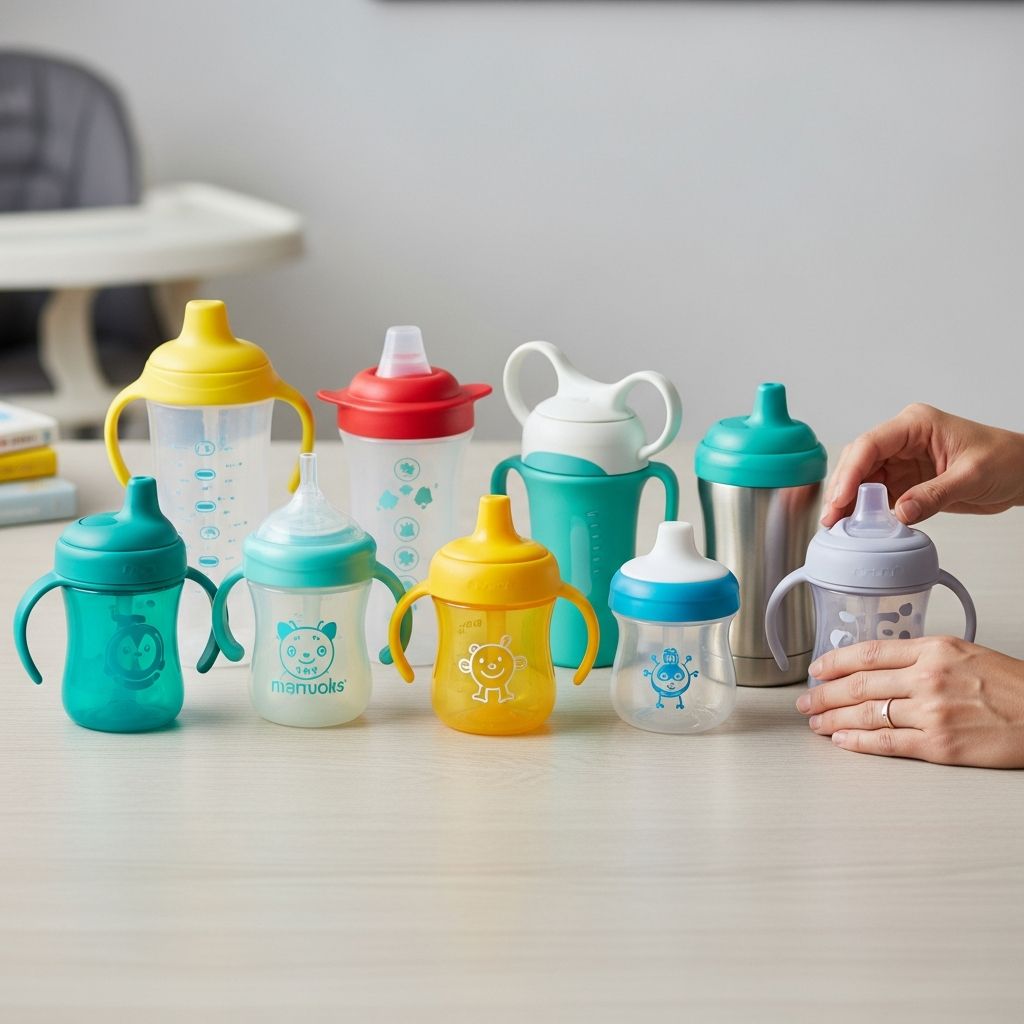
Making the leap from bottle or breast to cup is a big milestone, and choosing the right sippy cup can make that transition smoother, cleaner, and less stressful for everyone involved.
Why the Right Sippy Cup Matters
At first glance, sippy cups may look like simple plastic containers, but the design you choose can influence how your child learns to drink, how healthy their teeth stay, and how often you are wiping up sticky puddles from the floor. A thoughtful choice supports development while fitting your family’s daily routine.
Instead of grabbing the cutest cup on the shelf, it helps to understand how different cups work, what age they are best suited for, and which features are worth paying attention to.
Key Benefits of Using a Sippy Cup
Sippy cups are a bridge between bottles and open cups, offering a balance of independence for children and convenience for caregivers. Used wisely and for a limited time, they are a helpful training tool rather than a permanent solution.
- Supports independence: Toddlers can hold and control their own drink, building confidence and fine motor skills.
- Reduces spills: A good leak-resistant design keeps drinks off carpets, car seats, and beds.
- Helps with transitions: The right cup mimics familiar bottle motions while nudging kids toward mature drinking skills.
- On-the-go friendly: Lids, valves, and covers make it easier to carry water or milk in bags and strollers.
Different Types of Toddler Cups Explained
Not all “sippy cups” are the same. Understanding the major categories helps you match a cup to your child’s age, habits, and developmental stage.
Traditional Spout Cups
These cups use a protruding spout with holes that release liquid when your child sucks or tilts the cup. They may have soft silicone spouts or firmer plastic versions, often with built-in valves to control leaks.
- Pros: Easy for bottle-fed babies to understand, often highly spill-resistant, and widely available at every price point.
- Cons: Extended long-term use may not be ideal for oral development, and some valves can be tricky to clean thoroughly.
Straw Cups
Straw cups feature internal or external straws that encourage a different mouth position from bottle feeding. Some models include weighted straws that follow the liquid so children can sip at any angle.
- Pros: Encourages more mature sipping skills, can be gentler on teeth, and works even when children tilt the cup.
- Cons: Small straw parts require careful cleaning, and some children may bite or chew through soft straws.
360-Degree Rim Cups
These cups have a flat lid with a silicone or similar insert that seals around the rim. Liquid is released only when your child presses their lips and sucks at the edge, mimicking drinking from an open cup.
- Pros: Promotes a more natural lip and tongue position and allows drinking from any edge while still minimizing spills.
- Cons: Some toddlers find the mechanism confusing at first, and the rim insert can hide residue if not disassembled for washing.
Open Training Cups
Training cups are essentially small, open cups with thoughtful design tweaks, such as sloped sides, small capacities, or handles. Some may have a small interior ledge or partial cover to slow the flow.
- Pros: Best supports long-term drinking skills and oral development, with no spouts, valves, or complex mechanisms.
- Cons: Offer little spill protection and require more caregiver supervision, especially in the early stages.
Age and Stage: Matching a Cup to Your Child
Every child develops at their own pace, but age ranges can be a useful guideline when choosing a cup. Use these as flexible suggestions rather than strict rules.
| Age range | Main goal | Common cup types |
|---|---|---|
| 6–9 months | Introduce sipping and handling a cup | Soft-spout cups, small straw cups, tiny open training cups |
| 9–12 months | Practice self-feeding and transitioning from bottle | Straw cups, 360-rim cups, open training cups |
| 12–18 months | Increase independence and reduce reliance on bottles | Leak-resistant straw or 360 cups, open cups at meals |
| 18–24+ months | Phase out training cups toward regular cups | Open cups most of the time, no-spill options only for travel |
Think about where and when your child will use the cup: at the table, in the stroller, in the car, or at bedtime. You may choose a different style for calm meals at home than for bumpy car rides or trips to the playground.
Safety and Health Considerations
Sippy cups are more than convenience tools; they interact with your child’s teeth, gums, and overall health over months or years. A bit of planning helps you avoid common pitfalls.
- Limit sugary drinks: Frequent sipping of juice, flavored milk, or sweetened drinks throughout the day can increase the risk of tooth decay. Reserve them for mealtimes and keep water as the default.
- Watch for prolonged bottle-like use: Carrying a spout cup around all day can become a comfort object, similar to a bottle. Aim to move toward open or straw cups and restrict cups to set times and places.
- Choose safe materials: Look for cups labeled free of unwanted chemicals (such as BPA) and replace cups if they become cracked, cloudy, or heavily scratched.
- Check for mold and residue: Valves, rings, and straws can trap moisture and milk film. Disassemble pieces regularly and inspect hidden corners.
Features That Actually Matter
With so many options on the market, flashy patterns and trendy shapes can distract from what truly affects everyday use. Focus on functional details you will appreciate every single day.
- Ease of cleaning: Simple, fewer-piece designs are easier to wash by hand and less likely to hide mold. Cups that fully disassemble and are dishwasher-safe can save time.
- Leak resistance: A tight-sealing lid, reliable valve, or well-designed rim insert can prevent constant spills. Keep in mind that truly leakproof cups may require a bit more suction effort.
- Size and capacity: Smaller cups are lighter and easier for babies to manage, while larger tumblers are better for active toddlers and outings.
- Handles and grip: Removable handles, grooves, or silicone sleeves help little hands hold on, especially in the early months.
- Durability: If a cup will be tossed from high chairs and strollers, look for sturdy construction and impact-resistant materials.
How Many Cups Does a Family Really Need?
It can be tempting to buy every cute design, but a small, curated collection usually works better. Having a thoughtful variety keeps your cupboards tidy and your routine simple.
- One or two starter cups (soft spout or small straw) for the earliest stage of learning.
- Two or three daily-use cups (straw or 360 style) for water and milk, ideally interchangeable lids for easier matching.
- One or two open training cups reserved for supervised meals and practice sessions.
This modest lineup gives you backup when some cups are in the sink, while still keeping parts manageable and easy to track.
Step-by-Step: Transitioning from Bottle to Cup
The bottle-to-cup switch works best as a gradual process. Instead of changing everything at once, layer new habits over old ones until the cup feels familiar and safe.
- Introduce the cup during calm moments. Offer a few sips of water from a training cup during a meal when your child is relaxed and not overly hungry.
- Start with one daily bottle replacement. Swap a daytime bottle for a cup, keeping the bedtime bottle for last since it is often more emotional.
- Offer praise and gentle reminders. Celebrate progress, even if most of the drink ends up on the bib at first.
- Gradually phase out remaining bottles. Once your child accepts the cup at one feeding, replace additional bottles every few days.
- Move toward open cups. As skills improve, reserve spout or straw cups mainly for travel and emphasize open cups at the table.
Cleaning and Maintenance Tips
Hygiene is one of the most overlooked aspects of sippy cup use. Even the best cup design can cause issues if milk residue or juice film is allowed to accumulate inside hidden parts.
- Disassemble all removable parts, including valves, rings, and straws, before washing.
- Use a small brush or straw cleaning tool to reach narrow channels and corners.
- Allow parts to dry completely before reassembly to reduce the chance of mold growth.
- Inspect spouts and straws for discoloration, tears, or warping and replace worn pieces promptly.
Practical Buying Checklist
When standing in the aisle (or scrolling online), running through a short checklist can stop impulsive buys and steer you toward practical, long-lasting choices.
- Is the cup appropriate for my child’s age and skills?
- Can the entire cup be easily disassembled and cleaned?
- Does it provide the right level of leak resistance for where we’ll use it?
- Is the material safe and durable for daily use and frequent drops?
- Will this cup still work for my child in a few months, or is it very limited to one short stage?
Frequently Asked Questions About Sippy Cups
When should my baby start using a sippy cup?
Many families introduce some kind of training cup around six months, often starting with small amounts of water. This timing usually coincides with the introduction of solid foods and improved sitting skills, making it a natural opportunity to experiment.
Are sippy cups bad for my child’s teeth?
Sippy cups themselves are not automatically harmful, but constant sipping of sugary drinks throughout the day can increase the risk of cavities. Using cups primarily for water between meals, limiting sweet drinks, and gradually moving toward open cups all help protect dental health.
Should I choose a straw cup or a spout cup?
Both can have a place in your child’s routine. Soft spout cups can be an easy first step for a baby used to bottles, while straw cups often better support mature sucking patterns and may be a good choice for long-term use. Many parents use a combination, then emphasize straws and open cups as children grow.
How can I tell if a cup is truly leak-resistant?
Product descriptions and reviews are a starting point, but design details matter: look for valves that seal when not in use, tight-fitting lids, and sturdy threads. Even highly rated cups may drip small amounts if vigorously shaken or tossed, so “spill-resistant” is often more realistic than completely spillproof.
How long should my child use a sippy cup?
Think of sippy cups as temporary tools rather than permanent fixtures. Many families begin phasing them out during the second year, encouraging more open cup use at meals and limiting leak-resistant cups to travel or special situations.
With a solid understanding of cup types, development, and practical features, you can choose sippy cups that support your child’s growth, simplify your routine, and keep the focus where it belongs: on learning, exploring, and enjoying those everyday moments together.