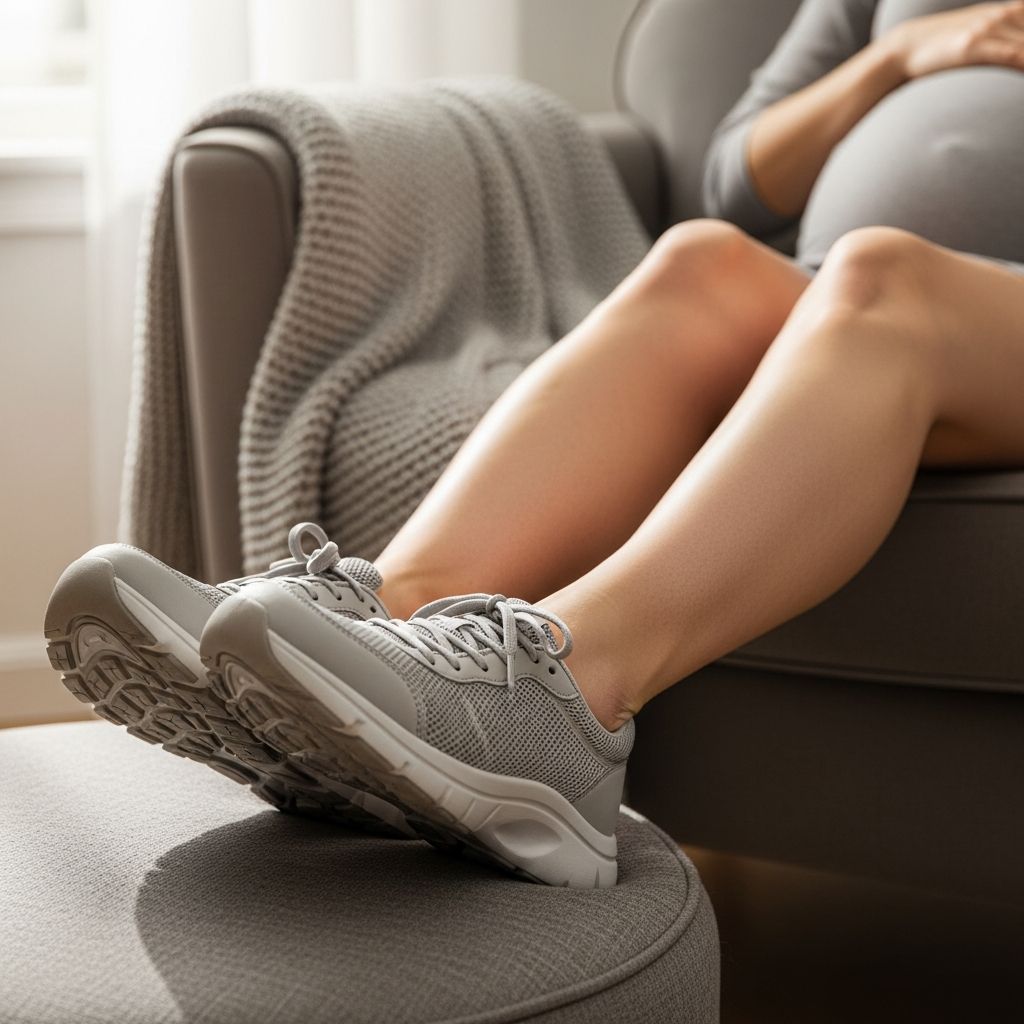
Swollen feet can turn an ordinary pair of shoes into a daily source of frustration, especially during pregnancy when your body is already working overtime. Choosing the right footwear makes a significant difference in comfort, balance, and overall energy levels, and it can often be the difference between dreading a short walk and feeling confident on your feet.
This guide explains why pregnancy and swelling go hand in hand, what features to look for in shoes, and how to build a small, versatile footwear wardrobe that keeps you comfortable at home, at work, and everywhere in between. It is inspired by practical experiences and medical guidance but offers a completely fresh structure, explanations, and tips written in original wording.
Why Feet Swell During Pregnancy
Many pregnant people notice that shoes feel tighter as the months go by, often starting in the second or third trimester. Increased blood volume, fluid retention, and hormonal shifts all contribute to puffiness in the feet and ankles, and gravity gently encourages that extra fluid to settle in the lowest parts of the body.
On top of that, weight gain and ligament relaxation can change the way the foot spreads when standing or walking. For some, shoe size may increase temporarily; for others, a wider fit becomes necessary. Understanding these changes helps you choose footwear that accommodates swelling instead of fighting against it.
What Swollen Feet Need From Shoes
When feet swell, the goal is not just to find something that “fits” but to support circulation, reduce pressure points, and maintain stability. Instead of focusing solely on cute styles or old pre-pregnancy favorites, it helps to evaluate shoes the way a podiatrist or physical therapist might.
- Room for expansion: Your shoes should have space in both width and depth, particularly in the toe box.
- Adjustability: Straps, laces, or closures that can be loosened throughout the day are crucial when swelling fluctuates.
- Cushioning and support: Good padding under the heel and arch helps absorb impact and ease pressure on joints.
- Secure, non-slip soles: Swelling can affect balance, so traction and a stable base are especially important.
Key Features to Look for in Pregnancy Shoes
Instead of chasing specific brands, focus on key design elements that work with swollen feet. These features can be found in sneakers, sandals, flats, and even smarter styles for work, giving you flexibility to dress the way you like while staying comfortable.
Shape and Fit
- Wide or extra-wide options: A wider size can relieve pinching at the sides and prevent numbness in the toes.
- Generous toe box: Toes should be able to move freely without rubbing on the top or sides of the shoe.
- Rounded or almond toe shapes: These allow more space than narrow, pointed fronts and reduce pressure on the forefoot.
Materials and Construction
- Soft, flexible uppers: Knitted fabrics, smooth leather, or neoprene-like materials are more forgiving than rigid synthetics.
- Stretch panels or gussets: Elastic sections around the instep or sides let the shoe expand as the day goes on.
- Breathable linings: Ventilated materials keep feet from overheating, which may help reduce additional swelling and discomfort.
Closures and Ease of Use
- Velcro or hook-and-loop straps: Quick to adjust, especially when bending becomes tricky.
- Elastic laces or slip-on designs: Offer the look of lace-up shoes without requiring you to re-tie them each time.
- Back straps or heel cups: For sandals and slides, a heel strap improves security and reduces the chance of tripping.
Cushioning and Support
- Cushioned midsoles: Help absorb shock and ease strain on ankles, knees, and lower back.
- Moderate arch support: Keeps the foot from collapsing inward and can reduce fatigue during long days.
- Removable insoles: Allow you to swap in orthotics or medical inserts if recommended by a professional.
Helpful Shoe Types for Swollen Pregnancy Feet
While everyone’s preferences differ, certain categories of footwear tend to serve swollen pregnancy feet better than others. You do not need an overflowing shoe rack; a small rotation covering different activities is usually enough.
Supportive Everyday Sneakers
A cushioned sneaker is often the workhorse of a pregnancy wardrobe. Look for pairs marketed for walking or all-day wear rather than fashion-only designs with very flat soles. Choose breathable uppers and consider going up half a size or choosing a wide width to give your feet space on days when swelling is more pronounced.
- Prioritize comfort over intense workout features; you want softness and stability, not necessarily high-performance running tech.
- If tying laces becomes difficult, elastic laces or slip-on sneaker styles can offer both support and convenience.
Adjustable Sandals and Slides
In warm weather or for indoor use, adjustable sandals can feel like a relief. Designs with multiple straps across the foot allow you to loosen certain areas while keeping the shoe secure. Slides with thick, cushioned soles can be particularly helpful when you need to give your feet a break yet still want something more supportive than bare feet.
- Look for sandals with contoured footbeds that support the arch rather than very flat flip-flops.
- Opt for non-slip soles and avoid very high wedges or narrow platforms, which can be harder to balance on when pregnant.
Soft House Shoes and Slippers
Spending more time at home does not mean footwear is unimportant. Supportive slippers or house shoes with real soles help cushion each step and can reduce aches after a day on your feet. Compared with floppy, unsupportive slippers, structured options still feel cozy but provide better alignment.
- Choose closed-heel designs or slippers with a back strap to avoid slipping out of them on stairs or slick floors.
- Memory foam or gel cushioning can increase comfort, but make sure the sole still feels stable and not wobbly.
Work-Appropriate Flats and Low Heels
If your lifestyle or job calls for a slightly dressier shoe, it is still possible to stay comfortable. Closed-toe flats with supportive insoles and elastic panels can look professional while accommodating swelling. For a bit of height, low block heels or wedges distribute weight more evenly than narrow stilettos and can be more forgiving on tender feet.
- Choose low, stable heels and avoid very steep angles that shift weight onto the forefoot.
- Seek out flats described as “comfort” or “orthopedic-inspired” rather than ultra-minimal fashion ballet flats with thin soles.
Styles to Approach With Caution
Some shoe styles are simply less friendly to swollen feet, particularly when balance and joint health are already under extra stress. This does not mean you can never wear them, but reserving them for very short periods, if at all, is usually wiser.
- High, narrow heels: They concentrate pressure on a small area of the foot and can make ankle instability more likely.
- Pointed-toe shoes: These squeeze the toes and can worsen tingling or numbness when swelling is present.
- Very flat, unsupportive shoes: Ballet flats or flip-flops with little structure may lead to arch pain and fatigue.
- Rigid, non-adjustable designs: Boots or dress shoes without any give may feel fine in the morning yet become painful by afternoon.
Practical Fit Tips When Your Feet Change Size
Shopping for shoes during pregnancy can be confusing: should you buy your usual size, go up, or wait until after the baby arrives? There is no single rule that fits everyone, but a few guidelines can make the experience easier and more successful.
- Try shoes later in the day: Swelling tends to increase as the hours pass, so late afternoon is often the most realistic time to test the fit.
- Allow a thumb’s width at the front: You should be able to press at the tip of the shoe and feel a small gap between your longest toe and the edge.
- Walk on different surfaces: If possible, take a few steps on both hard floors and carpet to check for slipping heels or rubbing seams.
- Prioritize comfort from day one: Shoes that feel “okay” but slightly tight rarely become more comfortable once swelling increases.
Quick Reference: Features for Swollen Feet
| Feature | Helpful Choice | What to Avoid |
|---|---|---|
| Toe box | Wide, rounded, with extra depth | Pointed or very narrow fronts |
| Upper material | Soft, stretchy, breathable fabrics or leathers | Stiff, unforgiving synthetics |
| Closure | Adjustable straps, elastic laces, slip-on with support | Rigid zippers or buckles with no adjustability |
| Sole and heel | Cushioned, flexible sole with low, stable heel | Very high heels, heavy platforms, slippery soles |
| Fit strategy | Consider wide width or half size up | Insisting on pre-pregnancy size despite discomfort |
Lifestyle Habits That Support Your Feet
Footwear is only one piece of the comfort puzzle. Simple daily habits can work alongside good shoes to manage swelling and reduce soreness, especially during long days at work or while caring for older children.
- Alternate between sitting and standing: Standing in one place for too long can make swelling worse, so shift positions regularly.
- Elevate your feet when resting: Propping your feet on a small stool or cushion can help fluid move away from the ankles.
- Use gentle movement: Short walks or ankle circles encourage circulation and may reduce that heavy, tight feeling in the feet.
- Talk to your healthcare provider: Sudden or severe swelling should always be discussed with a professional, especially if it appears rapidly.
Sample Minimal Footwear Wardrobe for Pregnancy
You do not need a completely new shoe collection to get through pregnancy comfortably. A small, curated selection that covers key situations usually works best, especially if budget and storage space are limited.
- One pair of everyday sneakers: For errands, walks, and casual outfits.
- One pair of adjustable sandals or slides: For warm days or quick trips when you want breathability.
- One pair of supportive house shoes: For use at home to avoid walking barefoot on hard floors.
- One pair of work-appropriate flats or low heels: If needed for professional or social occasions.
Frequently Asked Questions
Do I always need to buy a larger shoe size during pregnancy?
Not everyone needs a bigger size, but many people find that going up half a size or choosing a wide-width version of their usual size is more comfortable. Focus on how the shoe actually feels rather than the number on the box, and avoid keeping shoes that leave marks or cause tingling after a short period.
Will my feet go back to normal after the baby is born?
For some, foot size and width return close to pre-pregnancy measurements after swelling resolves, while others notice a permanent half-size increase or broader forefoot. It is usually best to wait a few months after birth before investing in a large new shoe collection, using versatile, adjustable pairs in the meantime.
Is it safe to wear heels if my feet are swollen?
Moderate, stable heels or wedges can be safe for short periods if you feel steady and pain-free, but high, narrow heels increase the chance of discomfort and falls. If you choose heels, keep them low, ensure they fit comfortably with no squeezing, and save them for brief occasions rather than daily wear.
Are flip-flops a good choice for swollen pregnancy feet?
Basic flip-flops may feel airy but usually provide little support and can make arches and heels sore after prolonged wear. If you like the feel of open footwear, look for sandals or slides with thicker soles, supportive footbeds, and secure straps that keep the shoe in place.
When should I be concerned about swelling in my feet?
Gradual swelling that improves with rest, elevation, and comfortable shoes is common in pregnancy. However, sudden, severe, or uneven swelling, especially when combined with symptoms like headache or vision changes, deserves prompt attention from a healthcare professional.
Final Thoughts
Swollen feet during pregnancy are common, but they do not need to rule your day. By choosing shoes that respect the changing shape of your feet—with room to expand, soft materials, solid support, and secure soles—you set yourself up for greater comfort and confidence during each trimester.
Think of your pregnancy shoes as practical tools that help you move through this season with more ease. A few thoughtful choices now can protect your joints, keep you steadier on your feet, and leave you with versatile pairs you may still enjoy long after the baby arrives.