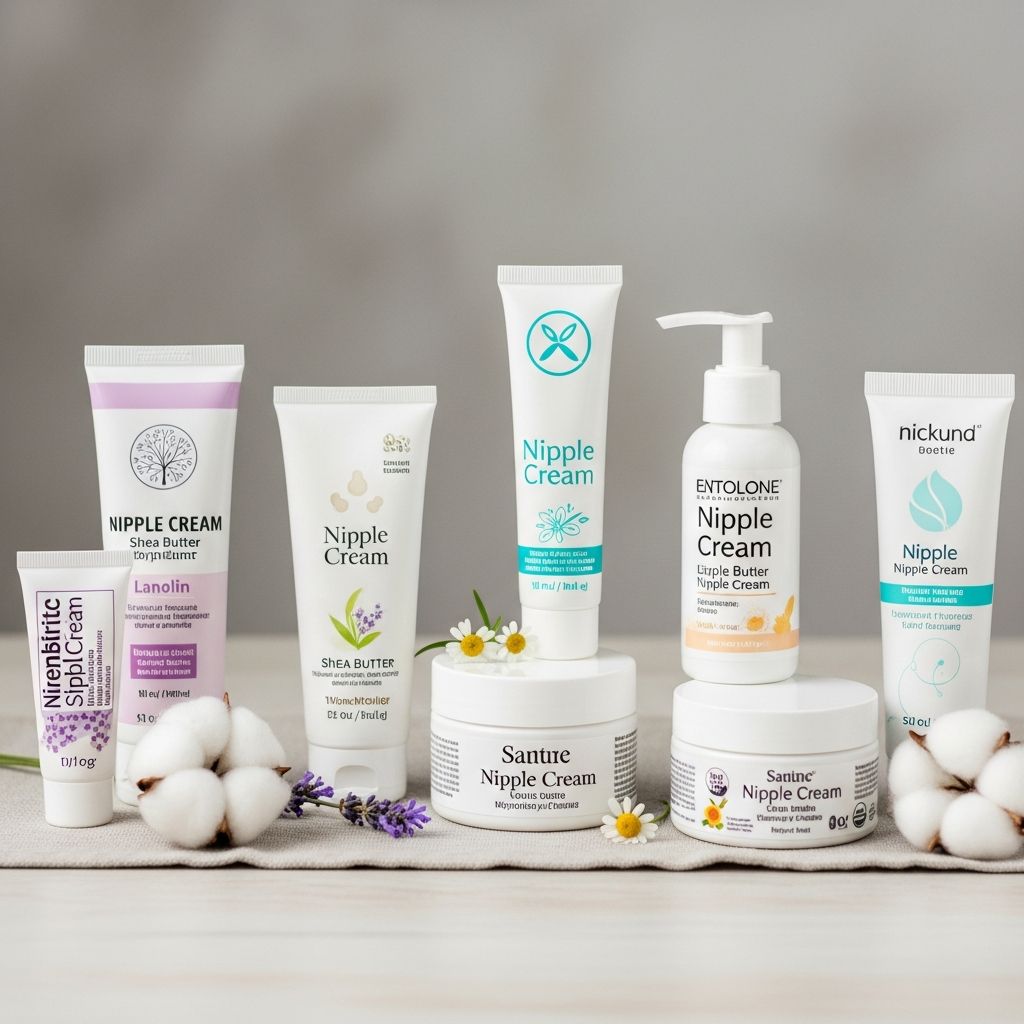
Why Nipple Creams Matter for Breastfeeding Moms
Breastfeeding is a beautiful bonding experience, but it can also bring physical challenges, especially in the early weeks. Sore, cracked, or dry nipples are common issues that many new mothers face due to frequent nursing, improper latch, or sensitive skin. Nipple creams are specially formulated products designed to soothe, moisturize, and protect the delicate skin around the nipples, helping moms continue breastfeeding comfortably and without pain .
Common Causes of Nipple Discomfort
- Incorrect latch or positioning during breastfeeding can cause friction, leading to soreness or even cracking .
- Frequent nursing or pumping sessions may dry out the skin, making it more prone to irritation .
- Some women naturally have more sensitive skin, which can react to the constant moisture and friction of breastfeeding .
- Environmental factors like dry air or harsh soaps can also contribute to nipple discomfort .
How Nipple Creams Work
Nipple creams create a protective barrier that locks in moisture and shields the skin from further irritation. Many creams contain natural ingredients such as lanolin, plant-based oils, or herbal extracts that promote healing and soothe inflammation. These products are designed to be safe for both mom and baby, with most not requiring removal before breastfeeding .
Types of Nipple Creams
| Type | Key Features | Best For |
|---|---|---|
| Lanolin-based | Moisturizing, hypoallergenic, single ingredient | General soreness, sensitive skin |
| Organic herbal | Plant-based, fragrance-free, multi-use | Cracked nipples, eco-conscious moms |
| Pumping lubricants | Coconut oil, sunflower oil, shea butter | Comfort during pumping |
| Antimicrobial | Sterling silver cups, promotes healing | Severe nipple damage |
How to Use Nipple Creams Effectively
- Apply a small amount of cream to clean, dry nipples after each feeding session for best absorption .
- Massage gently until the cream is absorbed; most products do not need to be wiped off before the next feed .
- For pumping, some moms prefer to apply a lubricating cream before starting to reduce friction .
- Use nursing pads to prevent clothing stains, especially with oil-based creams .
- Change pads frequently to keep the area dry and promote healing .
Choosing the Right Nipple Cream
When selecting a nipple cream, consider your skin type, any allergies, and whether you prefer organic or lanolin-based products. Look for creams with minimal ingredients and avoid those with fragrances or harsh chemicals. Reading reviews and consulting with a lactation specialist can help you find the best fit for your needs .
Benefits of Using Nipple Creams
- Reduces pain and discomfort during breastfeeding .
- Speeds up healing of cracked or sore nipples .
- Prevents further damage and infection .
- Can be used during pregnancy to moisturize dry or itchy skin .
- Safe for both mom and baby when used as directed .
FAQs About Nipple Creams
Can I use nipple cream before breastfeeding?
Most nipple creams are safe to use before breastfeeding, but it’s generally recommended to apply after feeding so the cream has time to absorb. Always check the manufacturer’s instructions for specific guidance .
Are nipple creams safe for my baby?
Yes, most nipple creams are formulated to be safe for both mom and baby. Lanolin-based and organic creams are especially popular for their purity and lack of additives .
How often should I apply nipple cream?
Apply after each feeding session or as often as needed for comfort. If your nipples are severely cracked or sore, you may want to use the cream more frequently .
Can I use nipple cream during pregnancy?
Yes, many moms use nipple creams during pregnancy to keep the skin moisturized and prevent dryness or itchiness .
Do I need to remove nipple cream before breastfeeding?
Most nipple creams do not need to be removed before breastfeeding, but always check the product label for specific instructions .
Tips for Preventing Nipple Pain
- Ensure your baby has a proper latch to minimize friction and pressure .
- Keep nipples clean and dry between feeds .
- Use nursing pads to absorb excess moisture and prevent irritation .
- Seek support from a lactation consultant if pain persists or worsens .
- Moisturize regularly, especially if you have sensitive skin .
Conclusion
Nipple creams are a valuable tool for breastfeeding moms, offering relief from soreness, promoting healing, and helping prevent further damage. By choosing the right product and using it correctly, you can make your breastfeeding journey more comfortable and enjoyable .