Why LEGO Games Are Perfect for Family Time
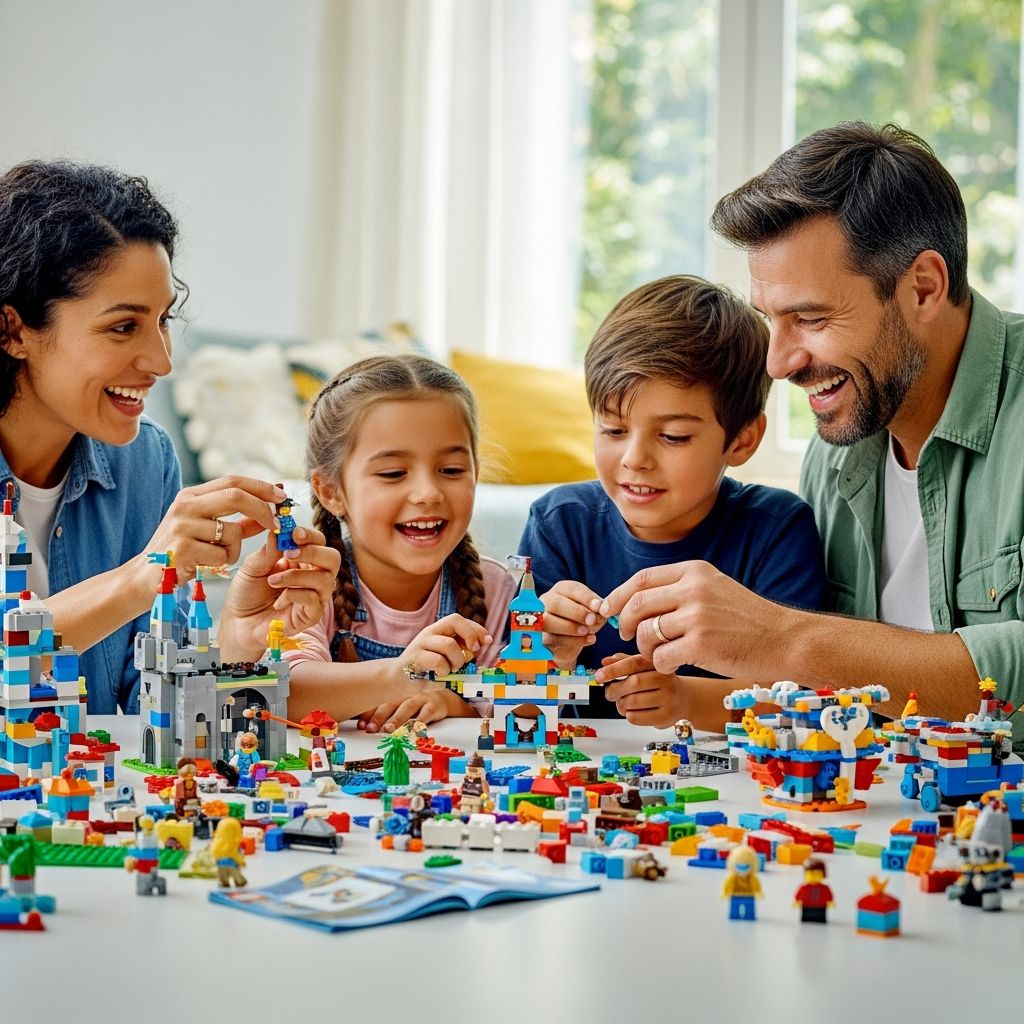
LEGO bricks are more than just colorful plastic blocks—they’re a gateway to endless creativity, problem-solving, and shared laughter. When families gather around a bin of LEGO, they’re not just building towers and vehicles; they’re building memories, communication skills, and confidence. Turning LEGO into structured games adds an extra layer of fun, turning casual play into engaging challenges that everyone can enjoy.
These games work for a wide age range, from preschoolers to adults, and can be adapted to suit different spaces, group sizes, and energy levels. Whether you’re looking for quiet, thoughtful activities or high-energy movement games, LEGO-based play can be tailored to fit. The best part? Most of these ideas require only bricks you already own, making them low-cost, high-reward options for family nights, parties, or rainy-day entertainment.
Games That Get Kids Moving
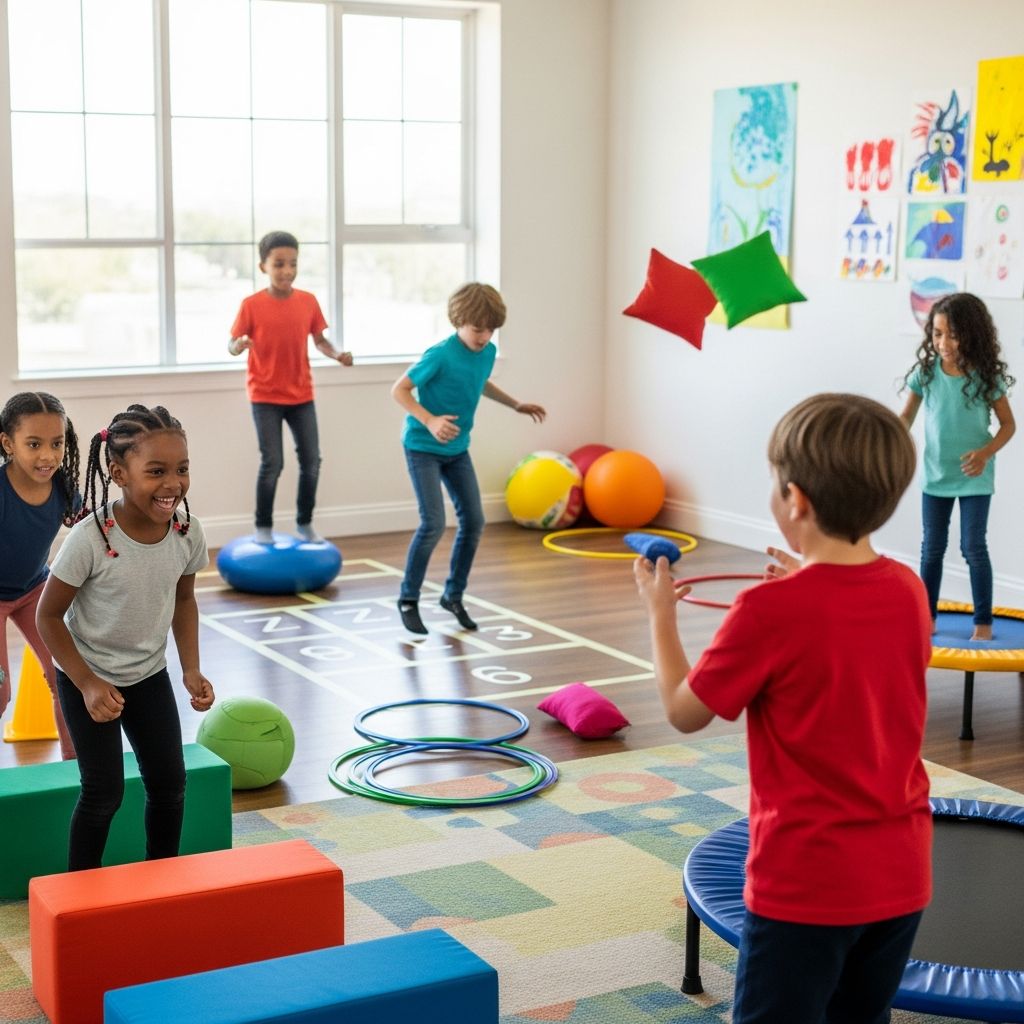
One of the biggest benefits of LEGO games is that they don’t have to be sedentary. With a little creativity, LEGO can become the centerpiece of active, physical play that helps children develop coordination, balance, and gross motor skills.
Obstacle Course Builder
Create a simple indoor or outdoor obstacle course where each station requires a LEGO-related task before moving on. For example:
- At Station 1, build a small animal and then hop like that animal to the next station.
- At Station 2, construct a vehicle and then push it across the floor using only one hand while hopping on one foot.
- At Station 3, build a tower and then crawl under a table or chair before returning to the start.
This game can be played solo or in teams, and the tasks can be adjusted based on age and ability. Younger children might just build and then walk to the next station, while older kids can add more complex movements like crab walks or zigzag runs.
LEGO Relay Races
Relay-style games are great for parties or larger groups. Divide players into teams and set up a relay where each child must complete a LEGO task before tagging the next teammate. Examples include:
- Build a simple structure (like a house or car) before running back.
- Sort a handful of bricks by color into separate containers before tagging the next player.
- Assemble a small figure and then carry it on a spoon to the finish line.
These relays encourage teamwork, turn-taking, and quick thinking, all while keeping kids on their feet and engaged.
LEGO Bowling with a Twist
Instead of traditional pins, use LEGO towers as targets. Players build several towers of varying heights and then take turns rolling a soft ball or beanbag to knock them down. To add a creative twist:
- Assign point values based on tower height or complexity.
- Challenge players to rebuild a tower after knocking it down, then roll again.
- Use LEGO vehicles as rolling “bowling balls” for a different challenge.
This game combines construction, aim, and a bit of friendly competition, making it a hit at gatherings.
Games That Spark Imagination and Storytelling
LEGO is a natural fit for storytelling and imaginative play. These games encourage kids to think creatively, express ideas, and collaborate on narratives.
Build-It, Tell-It
In this game, each player (or team) is given a theme—such as “space adventure,” “underwater city,” or “jungle rescue”—and a set amount of time to build a scene. Once the time is up, each group presents their creation and tells a short story about what’s happening in their LEGO world.
To make it more structured:
- Limit the number of bricks or time (e.g., 5 minutes to build, 2 minutes to tell).
- Include required elements, like a vehicle, a character, and a problem to solve.
- Let the audience vote on the most creative or funniest story.
This game nurtures narrative skills, public speaking confidence, and creative thinking, all wrapped in playful building.
Character Swap Challenge
Each player starts by building a unique LEGO character. Once everyone has their figure, they pass it to the person on their left. The new owner must then build a new scene or vehicle for that character and explain how it fits into the character’s world.
This game encourages adaptability, empathy (thinking from another character’s perspective), and collaborative storytelling. It’s especially fun when the characters are wildly different—like a pirate receiving a spaceship or a robot getting a castle.
LEGO Pictionary with a Twist
Instead of drawing, players build a simple object or scene using LEGO bricks while others guess what it is. To keep it fast-paced:
- Use a timer (1–2 minutes per turn).
- Limit the number of bricks (e.g., 10 bricks per guess).
- Include categories like animals, vehicles, food, or famous landmarks.
This version of Pictionary combines building skills with quick thinking and communication, making it a great group game for family nights or classrooms.
Games That Challenge Problem-Solving and Strategy
LEGO games can also be excellent tools for developing critical thinking, planning, and spatial reasoning. These games focus on challenges that require more than just stacking bricks.
Bridge or Tower Challenge
Set a specific goal, such as building the tallest tower that can stand on its own or the longest bridge that can span between two chairs without collapsing. Provide a limited number of bricks and a time limit to increase the challenge.
After the building phase, test each structure:
- For towers, see which one stands the tallest without falling.
- For bridges, place small objects (like LEGO people or cars) on them to test strength.
This game encourages engineering thinking, trial and error, and discussion about what makes a structure strong or stable.
LEGO Maze Race
Create a large maze on a baseplate or on the floor using LEGO walls. Players then race small LEGO vehicles or figures through the maze from start to finish. To add strategy:
- Let players design their own maze sections and combine them into one big course.
- Introduce obstacles like “dead ends,” “shortcuts,” or “challenges” (e.g., “build a bridge to cross this gap”).
- Use dice or cards to determine how many spaces a player can move each turn.
This game blends construction, planning, and turn-based play, making it ideal for older children and adults.
Missing Piece Mystery
Lay out a small LEGO creation and let players study it for a set time (e.g., 30 seconds). Then cover it and remove one piece. Players must identify which piece is missing and where it belonged.
To increase difficulty:
- Use more complex builds.
- Remove multiple pieces.
- Ask players to rebuild the missing section from memory.
This game sharpens observation, memory, and attention to detail, and it’s easy to adapt for different age groups.
Games for Quiet Time and Calm Play
Not every LEGO game needs to be loud or fast-paced. Some of the most rewarding experiences come from quieter, more focused activities that promote concentration and fine motor skills.
Color or Shape Sorting Race
Give each player a mixed bag of LEGO bricks and several containers labeled by color or shape. The goal is to sort all the bricks as quickly and accurately as possible.
Variations include:
- Timed sorting for older kids.
- Sorting by size (number of studs) instead of color.
- Working in pairs, where one calls out the color and the other places the brick.
This activity is great for younger children learning colors and shapes, and it can be calming for older kids who enjoy organized, methodical tasks.
LEGO Memory Match
Create pairs of identical small LEGO builds (e.g., two red cars, two blue houses) and place them face down or mixed up. Players take turns flipping two at a time to find matches.
For a more advanced version:
- Use more complex builds.
- Include “wild” pieces that can match any category.
- Play in teams, where one player describes the hidden build without naming it.
This game supports visual memory, pattern recognition, and turn-taking, all in a relaxed format.
LEGO Art and Design
Instead of building 3D structures, challenge players to create 2D designs on a baseplate. Themes can include:
- Patterns (stripes, checkerboards, spirals).
- Pictures (animals, faces, landscapes).
- Abstract art using only one color or shape.
This activity encourages artistic expression and spatial planning, and it can be done individually or as a collaborative mural.
Adapting LEGO Games for Different Ages
One of the strengths of LEGO-based games is their flexibility. With small adjustments, the same basic idea can work for toddlers, school-age children, and adults.
For Younger Children (Ages 3–6)
- Use larger bricks and fewer pieces per game.
- Focus on simple tasks like sorting, matching, and basic building.
- Keep rules minimal and emphasize participation over competition.
- Include lots of movement and sensory elements (e.g., carrying bricks on a spoon, hopping after building).
For School-Age Kids (Ages 7–12)
- Introduce time limits, scoring, and team play.
- Encourage more complex builds and storytelling.
- Include strategy elements like mazes, puzzles, and challenges.
- Allow for more independence in game design and rule creation.
For Teens and Adults
- Focus on engineering challenges (strongest bridge, tallest tower).
- Use LEGO for board game-style play (e.g., custom dice, tokens, and boards).
- Host themed building contests with specific constraints.
- Combine LEGO with other materials (paper, tape, cardboard) for hybrid challenges.
Family LEGO Game Night Ideas
Turning LEGO into a regular family game night activity can create a cherished tradition. Here are a few ways to structure it:
- Rotate Game Types: Alternate between active, creative, and quiet games so everyone stays engaged.
- Themed Nights: Pick a theme (space, pirates, animals) and build all games around it.
- Team Play: Mix age groups into teams to encourage cooperation and mentoring.
- Scoring and Prizes: Use simple scoring (points, stickers, or small LEGO prizes) to add fun without pressure.
- Build a Trophy: Let the winning team or player design a LEGO trophy to display until the next game night.
FAQs About LEGO Games for Families
What age is appropriate for LEGO games?
Most LEGO games can be adapted for ages 3 and up. For younger children, use larger bricks, simpler rules, and more guidance. Older children and adults can handle more complex challenges, time limits, and strategy.
Do I need special LEGO sets for these games?
No. A basic collection of standard LEGO bricks, plates, and a few minifigures is enough for most games. Specialized pieces (like wheels or windows) can enhance certain games but aren’t required.
How can I keep LEGO games from becoming too competitive?
Focus on participation, creativity, and teamwork rather than winning. Use team-based games, cooperative challenges, and non-material rewards (like choosing the next game or designing the trophy) to keep the mood positive.
Can LEGO games be educational?
Absolutely. LEGO games support fine motor skills, spatial reasoning, problem-solving, storytelling, and social skills like turn-taking and cooperation. They’re a fun way to reinforce learning through play.
How do I store and organize LEGO for games?
Use clear bins or bags to separate bricks by color, size, or type. Label containers if helpful. For games, pre-sort bricks into small tubs or bags so players can grab what they need quickly.
Final Thoughts: Building More Than Just Bricks
LEGO games are about more than just building structures—they’re about building connections. Whether it’s a raucous relay race, a quiet sorting challenge, or a collaborative storytelling session, these activities bring families together in meaningful, joyful ways.
By turning LEGO into a game, you’re not just keeping kids entertained; you’re fostering creativity, resilience, and communication. And the best part? When the game is over, you still have a LEGO creation to admire, play with, or display as a reminder of a fun time well spent.
References
- LEGO Play Well Report 2023 — LEGO Group. 2023. https://www.lego.com/en-us/aboutus/responsibility/play-well-report
- Active Play and Child Development — American Academy of Pediatrics. 2022. https://www.aap.org/en/publications/periodicals/pediatrics/active-play-child-development/
- Executive Function and Play — Harvard University Center on the Developing Child. 2021. https://developingchild.harvard.edu/science/key-concepts/executive-function/