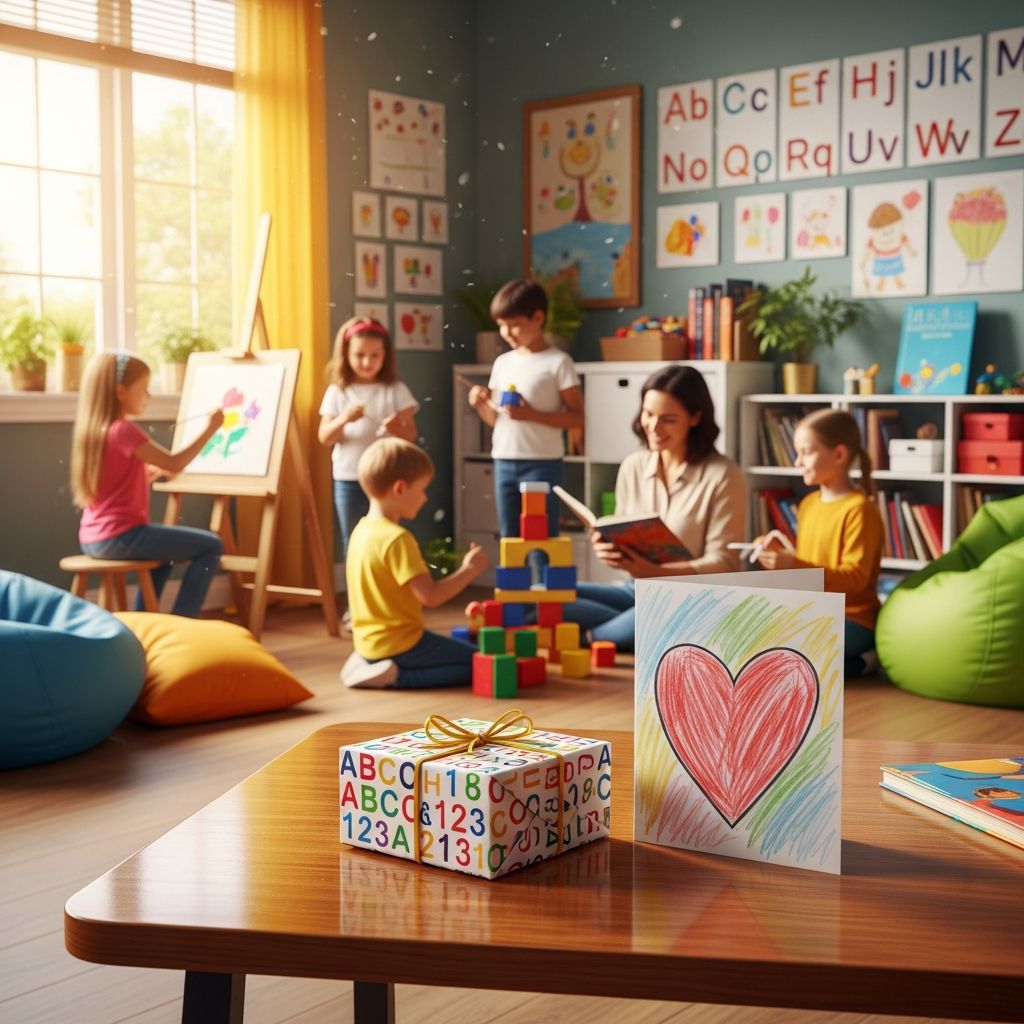
Kindergarten teachers play a pivotal role in children’s early development, guiding them through their first formal learning experiences with patience, creativity, and boundless energy. These educators not only teach foundational skills like reading, counting, and social interaction but also instill confidence and a love for discovery. As parents, showing appreciation for their tireless efforts can make a profound impact. This article offers fresh, original ideas for expressing gratitude, from personalized gifts to group efforts and heartfelt notes, ensuring your thanks stands out.
Why Gratitude Matters for Early Educators
Expressing thanks to kindergarten teachers reinforces their vital contributions to society. Research from the National Association for the Education of Young Children highlights how positive reinforcement boosts teacher morale, leading to better classroom environments and student outcomes. A simple gesture can remind educators they are valued amid challenging workloads, including managing diverse needs, crafting engaging lessons, and communicating with families.
Consider the daily realities: kindergarten classrooms buzz with 20-30 energetic children, each requiring individualized attention. Teachers handle everything from tying shoelaces to mediating playground disputes while delivering curriculum-aligned activities. Your appreciation acknowledges this multifaceted role, encouraging retention in a field facing shortages.
Personalized Gift Ideas That Touch the Heart
Customized presents show thoughtfulness beyond generic items. Opt for items reflecting the teacher’s personality or classroom theme.
- Engraved Name Plaques: A wooden desk plaque with the teacher’s name and a quote like “Shaping Tomorrow’s Leaders Today” serves as a daily reminder of their influence.
- Custom Photo Books: Compile class photos into a keepsake album, adding parent notes on each page for a collaborative memory book.
- Monogrammed Supplies: Personalized tote bags or pencil cases in bright colors, filled with classroom essentials like stickers or markers.
These gifts are affordable yet meaningful, often costing under $30, and can be sourced from artisan makers for uniqueness.
Practical Classroom Essentials as Tokens of Thanks
Kindergarten teachers frequently buy supplies out-of-pocket. Gifting useful items alleviates this burden while showing you notice their needs.
| Gift Category | Specific Ideas | Why It Works |
|---|---|---|
| Cleaning & Organization | Disinfectant wipes, storage bins, label makers | Keeps chaotic classrooms tidy and germ-free |
| Art & Craft Supplies | Washable paints, glitter kits, construction paper packs | Fuels endless creativity without budget strain |
| Snack & Comfort | Non-perishable treats, cozy throw blankets, essential oil diffusers | Provides quick energy boosts and relaxation |
Pair these with a note explaining how the item will enhance learning, turning a practical gift into a personal one.
Group Appreciation Projects for Lasting Impact
Pooling resources from the class creates memorable, large-scale thanks. Involve families for shared excitement.
- Class Quilt or Banner: Each child decorates a fabric square with handprints and names; sew into a quilt or hang as a banner.
- Video Montage: Record short clips of kids saying what they love about their teacher, edited into a 5-minute video with music.
- Time Capsule: Bury a box with drawings, notes, and mementos to open in five years, symbolizing growth.
Such projects foster community and give teachers a tangible sense of their year’s achievements.
Experience-Based Gifts for Well-Deserved Breaks
Beyond material items, offer rejuvenation. Teachers crave downtime after intense school terms.
- Spa or Wellness Vouchers: Gift cards for massages, yoga classes, or manicures to promote self-care.
- Cultural Outings: Tickets to museums, theaters, or concerts, perhaps paired with a babysitting offer.
- Subscription Boxes: Monthly deliveries of books, teas, or self-care products tailored to their interests.
These acknowledge the emotional labor of teaching, helping educators recharge.
Handwritten Notes: The Most Powerful Gesture
In a digital age, a sincere letter remains unmatched. Encourage specificity: mention observed moments like how the teacher calmed a shy child or sparked joy in group songs.
Sample Note Structure:
- Start with a specific memory.
- Express the child’s growth or your family’s gratitude.
- End with well-wishes for their future.
Collect multiple notes into a scrapbook for amplified effect. Studies from Harvard’s Making Caring Common project show such affirmations significantly uplift educators.
Seasonal and Milestone Thank-Yous
Timing enhances impact. Align gestures with key moments.
- Back-to-School: Welcome baskets with fresh supplies.
- Halfway Point: Mid-year pick-me-ups like coffee gift cards.
- End-of-Year: Grand celebrations with all ideas combined.
- Holidays: Themed treats or ornaments.
Consistent appreciation builds lasting relationships between families and teachers.
Budget-Friendly DIY Creations
Not every thanks requires spending. Get crafty with household items.
- Handprint Art: Frame children’s painted handprints forming a heart or tree.
- Recipe Book: Compile family recipes with kid-drawn illustrations.
- Seedling Pots: Plant herbs in decorated pots symbolizing growth.
These emphasize effort over expense, resonating deeply.
Common Pitfalls to Avoid in Teacher Appreciation
Steer clear of these to ensure your gesture delights:
- Avoid overly personal items like clothing unless you know sizes precisely.
- Skip perishable foods if allergies are unknown.
- Don’t opt for cash unless requested; experiential or custom gifts feel more intentional.
- Respect school policies on gifts to avoid awkwardness.
Frequently Asked Questions (FAQs)
What is the best gift for a kindergarten teacher?
The most appreciated gifts blend personalization and practicality, like custom mugs or classroom supplies, as they show attentiveness to daily challenges.
How much should I spend on a teacher thank-you gift?
Aim for $20-50 individually or $5-10 per family in groups; thoughtfulness trumps cost.
Can I give gifts during the school year?
Absolutely—unexpected thanks at any time brighten their days immensely.
What if the teacher has everything?
Focus on consumables, experiences, or group projects that create new memories.
How do I organize a class gift?
Use apps like GroupMe or SignUpGenius for coordination, ensuring even participation.
Building Stronger Parent-Teacher Partnerships
Gratitude opens doors to collaboration. Regular thanks pave the way for insightful conferences and support networks. Share this article with your parent group to amplify efforts school-wide.
Kindergarten teachers deserve ongoing recognition for molding curious minds into confident learners. By choosing heartfelt, original gestures, you honor their legacy.
References
- Developmentally Appropriate Practice in Early Childhood Programs — National Association for the Education of Young Children. 2020-04-15. https://www.naeyc.org/resources/position-statements/dap
- Making Caring Common: Teacher Appreciation Research — Harvard Graduate School of Education. 2022-05-10. https://mcc.gse.harvard.edu/reports/teacher-appreciation
- Early Childhood Educator Workforce Report — U.S. Department of Education. 2023-09-01. https://www2.ed.gov/rschstat/research/pubs/early-childhood-workforce.pdf
- Position Statement on Teacher Retention — American Federation of Teachers. 2024-02-20. https://www.aft.org/resolution/teacher-retention-early-education
- Impact of Gratitude on Educator Well-Being — Journal of School Psychology (Peer-reviewed). 2021-11-12. https://doi.org/10.1016/j.jsp.2021.10.003