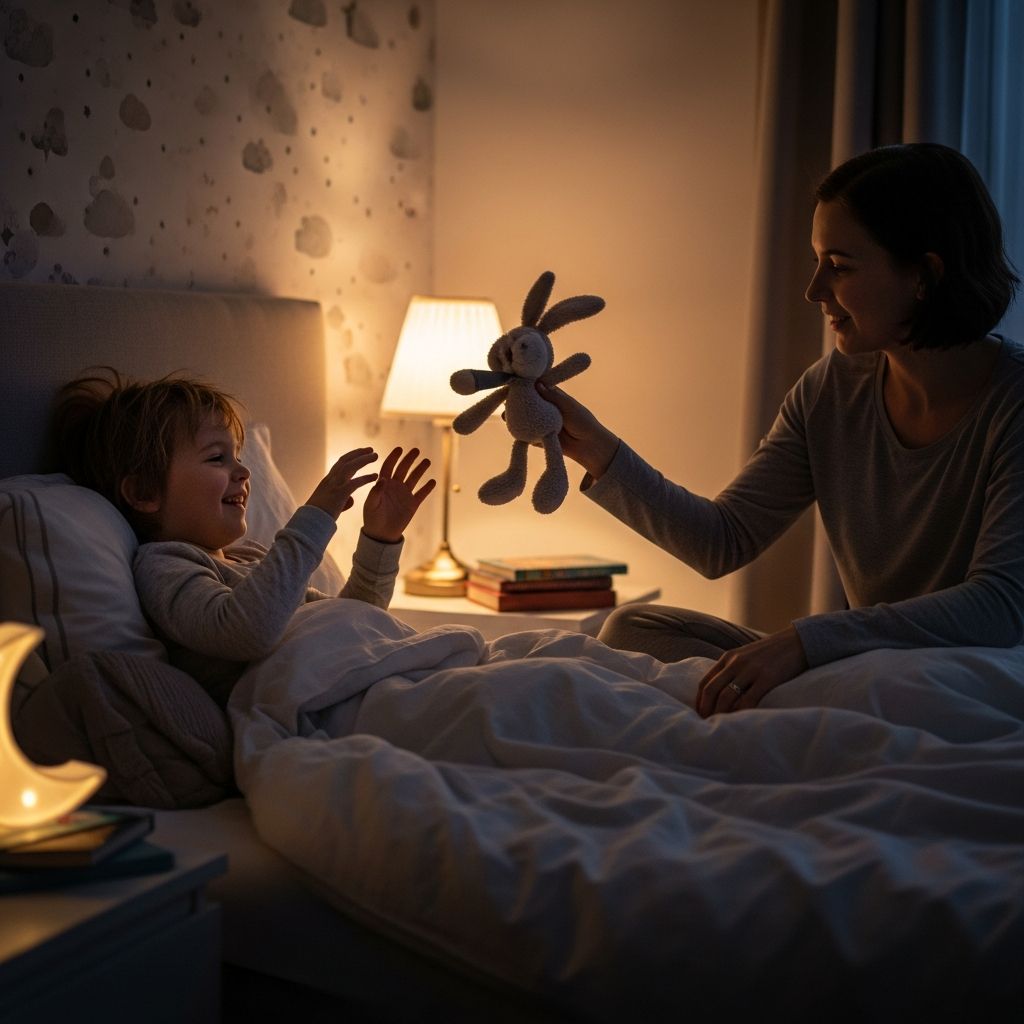
Children’s songs can be pure joy or pure noise, depending on the tune, the volume, and how many times you’ve heard it in the last hour. The right playlist, though, can turn car rides, bath time, and bedtime into tiny concerts that help kids learn language, rhythm, and emotional skills while keeping adults mostly sane.
Why Kids’ Songs Matter More Than You Think
Simple, repetitive songs help young children practice new words, notice rhymes, and develop a sense of rhythm that supports future reading and language skills. Gentle tunes and predictable choruses also calm nervous systems, offering kids a reliable emotional anchor in an often overstimulating world.
For parents, singing together becomes an easy form of connection that doesn’t require any special equipment, talent, or planning, just a willingness to be a little silly. Shared sing-alongs can also become family rituals that kids remember long after they’ve outgrown the booster seat.
What Makes a Great Family-Friendly Song?
Not every children’s song deserves a place on repeat, and not every catchy tune is truly kid-friendly. A great family song usually checks a few key boxes that work for both ages and attention spans.
- Simple structure: Short verses and a predictable chorus make it easy for kids to join in quickly.
- Clear, positive themes: Songs about friendship, kindness, curiosity, or everyday routines tend to age better than joke songs that rely on shock value.
- Appropriate language: No swearing, no adult references, and no mean-spirited humor directed at specific groups.
- Manageable tempo: A steady beat helps kids clap, march, or dance along without getting frustrated.
- Adult tolerability: Ideally, the melody, vocals, and production are something you can endure (or even enjoy) after the tenth loop.
Types of Kids’ Songs Every Parent Should Know
Instead of fixating on a single “top songs” list, it helps to think in categories, each serving a different purpose in daily life. Having a mix of classic rhymes, modern tracks, and activity songs gives you options for car rides, quiet time, and high-energy play.
| Song Type | Main Purpose | When to Use |
|---|---|---|
| Lullabies | Soothing, bonding, bedtime rituals. | Bedtime, naps, winding down after busy days. |
| Nursery rhymes | Language play, memory, early rhythm. | Story time, diaper changes, waiting rooms. |
| Action songs | Gross motor skills, following directions. | Rainy-day energy outlets, transitions between activities. |
| Counting & alphabet songs | Early numeracy and literacy foundations. | Car rides, playtime, before starting homework. |
| Kid-safe pop & movie songs | Family fun, shared culture with peers. | Road trips, birthday parties, dance breaks. |
Building an Age-Appropriate Playlist
As children grow, their attention span, language skills, and musical preferences shift, so your playlist should evolve along the way. Thinking in age bands helps you choose songs that feel challenging enough to be interesting, but not so complex that kids give up.
Babies and Toddlers (0–2 Years)
At this age, kids don’t care about flawless pitch; they care that the singing comes from someone they know and trust. Slow, repetitive songs with lots of predictable patterns and gentle motions work best.
- Focus on lullabies, simple nursery rhymes, and songs that pair words with actions (like gently bouncing or clapping).
- Use the same few songs as part of predictable routines, such as one tune for brushing teeth and another for going to sleep.
Preschoolers (3–5 Years)
Preschoolers thrive on repetition, but they’re also ready for playful challenges like echo phrases, call-and-response, and counting. Songs that invite them to move, jump, freeze, and copy actions support self-control and listening skills.
- Mix classic nursery rhymes with modern action songs and simple counting or alphabet tunes.
- Encourage kids to invent new verses about their own day, toys, or pets to boost creativity.
Early School Age (6–8 Years)
Once kids start school, songs can lean more into storytelling, humor, and light educational content about history, geography, or science. Many families also begin introducing carefully chosen kid-safe pop songs and movie tracks at this stage.
- Offer a mix of folk-style kids’ songs, upbeat educational tunes, and clean, positive mainstream tracks.
- Use lyrics as conversation starters about feelings, friendships, and problem solving.
Tweens (9–12 Years)
Tweens often crave more independence but still appreciate shared music moments when they feel respected, not managed. Upbeat songs with empowering or thoughtful messages give you some common ground without leaning on childish themes.
- Look for radio-friendly songs with clean lyrics and themes about resilience, kindness, and self-acceptance.
- Let kids help curate the playlist, using your veto power only for content that conflicts with your family values.
How to Survive (and Even Enjoy) Endless Repeats
Every parent eventually meets the song that will not die, requested on a loop until it invades your dreams. While repetition is developmentally normal—and actually helps kids learn—you still deserve a strategy to stay sane.
- Rotate playlists: Create a few short playlists (morning, car, bedtime) and swap songs in and out weekly to keep things feeling fresh.
- Introduce covers and variations: Different versions of the same song, such as acoustic, instrumental, or live performances, offer novelty without abandoning a favorite.
- Set “song windows”: Allow unlimited plays during a set time, then switch to quiet or instrumental music afterward.
- Join the joke: Making a playful, exaggerated big deal about the millionth repeat can defuse frustration and turn it into shared silliness.
Weaving Music into Everyday Life
Kids’ songs are more useful when they leave the “screen time” category and become part of real-life routines. Short, specific tunes tied to daily tasks can make transitions smoother and reduce power struggles.
- Morning routines: Use one upbeat track as a wake-up cue and another as the “time to put on shoes” song.
- Cleanup power songs: A fast, energetic tune can turn tidying toys into a race to beat the music.
- Calming rituals: Soft lullabies or gentle acoustic songs signal that it’s time to slow down for reading or bedtime.
- Travel traditions: A special road-trip playlist becomes part of the excitement of going somewhere new.
Balancing Classic Rhymes and Modern Hits
Many well-loved nursery rhymes have survived for generations because they’re easy to remember and fun to chant, even if adults sometimes question the original wording. Modern kids’ music and curated pop playlists add fresh sounds and styles that reflect the world children live in today.
Families don’t have to choose one era over the other; a balanced playlist can pair simple traditional tunes with more contemporary arrangements and themes. This mix helps kids feel anchored in familiar, repetitive songs while also expanding their musical tastes.
Guidelines for Kid-Safe Pop and Movie Songs
At some point, many children become more excited about movie soundtracks and radio hits than about traditional kids’ albums. That shift can be a great opportunity to connect, as long as you stay mindful of lyrics and themes.
- Preview songs or read summaries of the lyrics to screen for references to violence, adult relationships, or explicit language.
- Favor tracks that highlight perseverance, teamwork, friendship, or self-confidence over songs that glorify cruelty or status.
- When in doubt, look for playlists or collections specifically labeled as kid-friendly or family versions.
Encouraging Kids to Be Creators, Not Just Listeners
Listening to songs is great, but kids gain even more when they clap, stomp, hum, and eventually create music themselves. Active participation helps with coordination, memory, and self-expression in ways that passive listening alone cannot.
- Echo games: Sing a short line and invite kids to repeat it back, changing the volume or tempo for fun.
- New verses: Take a familiar chorus and ask kids to invent silly new lines about their day, pets, or favorite foods.
- Homemade instruments: Use pots, wooden spoons, or sealed containers of rice as drums and shakers during sing-alongs.
Sample Structure for a Family Playlist
Every household will have its own favorite tracks, but a simple structure can help you balance calm and energy, old and new. The idea is not to hit every category every time, but to keep a rough mix that feels good for both kids and adults.
| Slot | Song Style | Goal |
|---|---|---|
| 1 | Familiar nursery rhyme | Help kids warm up and sing confidently. |
| 2 | Action or movement song | Burn energy and practice coordination. |
| 3 | Counting or alphabet tune | Add a light educational element. |
| 4 | Kid-safe pop or movie track | Keep parents engaged and share cultural touchpoints. |
| 5 | Lullaby or calm song | Bring the mood down and reset. |
Frequently Asked Questions About Kids’ Songs
How many children’s songs does my kid really need?
Children do not need a massive library; they benefit more from a core set of familiar songs they hear often enough to sing on their own. A rotating group of 20–40 tunes spread across different categories can feel rich without being overwhelming.
Is screen-based music okay, or should we only sing live?
Streaming videos and audio can be helpful tools, especially for discovering new songs and giving parents a break. However, mixing in live singing—no matter how off-key—adds face-to-face interaction and eye contact that recordings cannot provide.
What if I hate most kids’ music?
Disliking certain kids’ songs is common, and it does not make anyone a less caring parent. Exploring folk-style children’s albums, acoustic versions, or kid-appropriate pop songs often reveals options that feel more musically satisfying.
Do song lyrics really affect young children?
Even when kids don’t fully understand every word, repeated lyrics shape their sense of what is normal, funny, or admirable. Choosing songs with kind, inclusive, and hopeful messages helps reinforce the values parents are already teaching in daily life.
Can music help with tantrums and big feelings?
Calm, predictable songs can lower arousal levels and give kids a familiar anchor during overwhelming moments. Over time, using the same few tunes as “calm-down songs” can become a powerful tool in emotional regulation routines.
Turning Noise Into Connection
With a little planning, kids’ songs can be more than background noise or a distraction in the car; they can become a low-pressure way to connect, teach, and create memories. By mixing classic rhymes, modern hits, and a healthy dose of parental boundaries, families can build playlists that children adore and adults can tolerate—maybe even love.