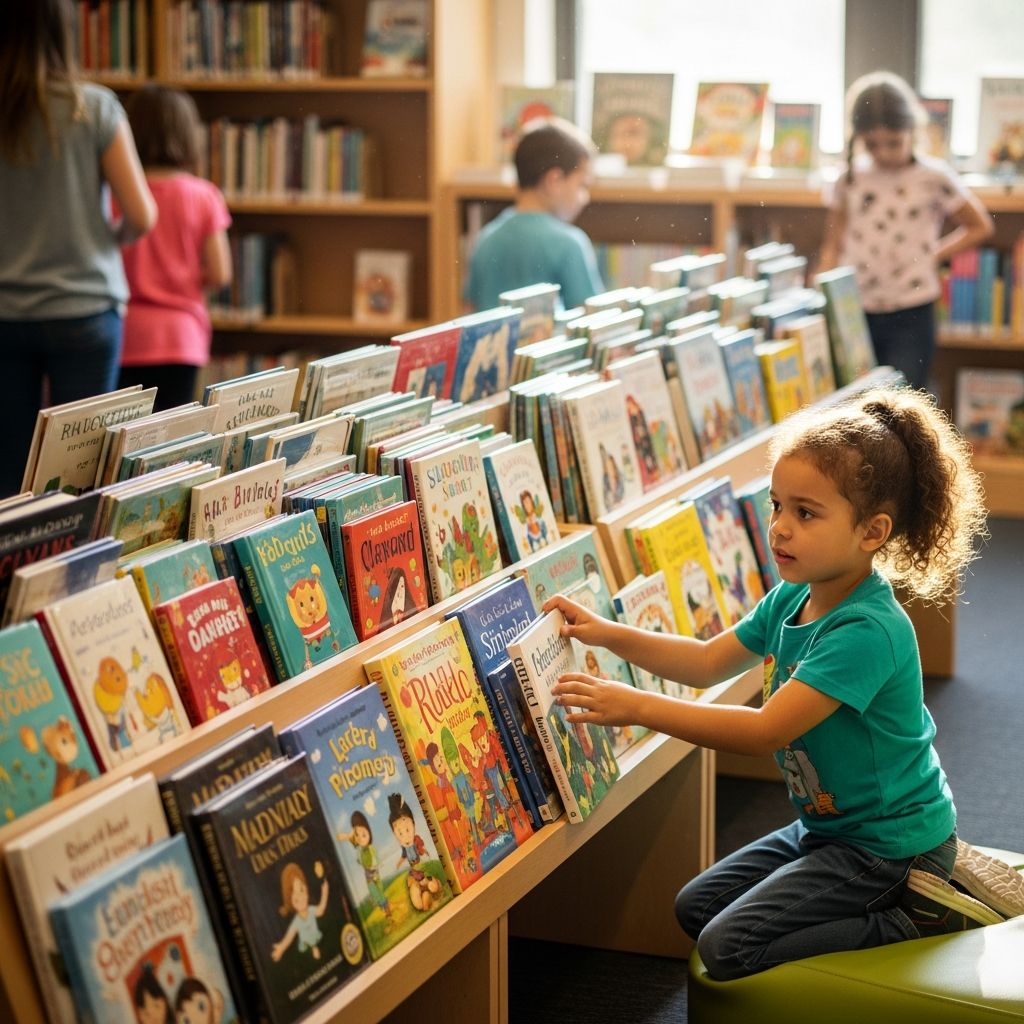
Children really do judge a book by its cover — and that can be a powerful tool for building a lifelong love of reading. The way books are displayed in your home can either invite kids in or silently shut them out. Front-facing shelves that showcase covers instead of just spines transform books from clutter on a shelf into daily, irresistible invitations to explore stories.
Why Book Displays Matter More Than You Think
Many homes treat books as items to be stored rather than experiences to be discovered. Traditional vertical bookcases hide the most exciting part of children’s books: the vibrant, engaging covers that were designed to capture attention. For young readers, seeing the cover clearly is often the difference between choosing a book and ignoring it.
When books are presented face-out, kids can quickly recognize characters, colors, and themes they love. This visual connection makes reading feel playful and personal rather than like homework. It also empowers even pre-readers, who can’t yet decode titles, to make independent choices about what they want to read or look through.
Core Principles of Kid-Friendly Book Displays
Before choosing a specific shelf, it helps to understand a few guiding principles that make any kids’ book display effective. Think less about matching a decor trend and more about supporting how children move, reach, and choose throughout the day.
- Visibility: Covers are clearly visible with minimal overlap so each book feels like an individual invitation.
- Accessibility: Shelves are installed at child height, allowing kids to grab and return books without adult help.
- Simplicity: Displays aren’t overcrowded; a curated selection feels less overwhelming and more special.
- Rotation: Books are swapped regularly so the display feels new and exciting, even if the collection is small.
- Safety: Shelves are sturdy, rounded where possible, and securely anchored to prevent tipping or falls.
Types of Shelves That Highlight Book Covers
There is no single “right” shelf for displaying kids’ books. The best choice depends on the age of your child, the size of the room, and how permanent or flexible you want the setup to be. Below are several categories of shelves that work especially well for cover-forward displays.
1. Slim Wall Ledges
Wall-mounted ledge shelves are shallow, with a small lip on the front to keep books from sliding off. Because they don’t protrude very far, they are ideal for narrow hallways, behind doors, and small rooms where every inch matters.
- Perfect for picture books and thin hardcovers.
- Can be hung in vertical stacks to create a mini book wall.
- Make it easy to group books by theme, season, or reading level.
2. Sling or Fabric Front Displays
Sling-style shelves use sturdy fabric pockets to hold books upright while showing the covers. The soft structure is especially kind to toddlers who tug and lean, and the deep pockets can hold a surprising number of titles.
- Gentle on little hands and book corners.
- Lightweight and easy to relocate around the room.
- A cozy, approachable look that works well in nurseries and playrooms.
3. Rail-Front or Gallery Shelves
These wooden or metal shelves have a front rail that keeps books secure while leaving most of the cover visible. They often resemble the picture ledges used in living rooms or galleries, which makes them a natural option if you want the display to blend with the rest of your decor.
- Sturdy enough for heavier hardcovers and board books.
- Stylish enough for shared family spaces like living rooms.
- Can double as art displays when needed.
4. Low Cubbies with Angled Fronts
Some storage units combine cubbies with a slightly angled or stepped front, allowing books to lean back while still showing part or all of the cover. These are useful in shared spaces where you also need bins for toys, puzzles, or games.
- Ideal for families who want books and toys in the same footprint.
- Great for kids who like to sort and categorize their collections.
- Can transition from board books to chapter books as kids grow.
5. DIY Reimagined Storage
Creative families often convert unexpected items into book displays: spice racks, picture ledges, rain gutters, crate fronts, and even wall-mounted planter boxes. As long as the depth and lip are right, almost any sturdy, shallow container can become a book ledge.
- Budget-friendly and highly customizable.
- Easy to paint or stain in fun colors.
- Perfect for oddly sized walls or tight corners.
Quick Comparison of Popular Display Styles
If you’re trying to decide between a few options, this simple table can help you weigh how each style functions in a kid-centered space.
| Display Type | Best For | Space Needs | Age Suitability | Notes |
|---|---|---|---|---|
| Slim wall ledges | Small rooms, hallways, behind doors | Very shallow, uses vertical wall space | Toddlers to preteens | Great for rotating a small selection of favorites. |
| Sling / fabric shelves | Nurseries, playrooms, soft aesthetics | Modest floor footprint, often low height | Babies and toddlers | Soft edges, gentle on books and little hands. |
| Rail-front shelves | Living rooms, shared spaces | Wall-mounted, moderate width | Toddlers to older kids | Blends easily with adult decor. |
| Low cubbies with angled fronts | Shared toy and book storage | Larger floor footprint | Toddlers to school-age kids | Grows well with the child’s changing interests. |
| DIY repurposed ledges | Budget makeovers, custom spaces | Varies by design | Depends on height and sturdiness | Endless possibilities, from rustic to modern. |
Designing a Reading Nook Around Your Shelves
Shelves by themselves will not automatically create reading magic. What turns a display into a reading habit is the environment built around it. A simple corner can become a beloved destination when comfort, light, and routine work together.
- Comfort: Add a soft rug, floor cushions, a beanbag, or a small armchair where kids can curl up with books.
- Lighting: Place the display near natural light if possible, and include a warm, adjustable lamp for evening reading.
- Ritual: Connect the space with daily routines, like a ten-minute story stop after school or before bedtime.
- Ownership: Let kids choose some of the decor, such as a pillow cover, a poster, or a small stuffed animal who “lives” in the reading corner.
Safety and Installation Tips for Peace of Mind
Because kids will be climbing, reaching, and pulling at whatever holds their books, safety must be part of your planning from the beginning. A beautiful display is not worth it if it wobbles, tips, or splinters under enthusiastic hands.
- Always anchor freestanding units to the wall with appropriate hardware.
- Use wall anchors or studs for mounted shelves, following weight guidelines.
- Choose shelves with rounded corners or sand sharp edges smooth.
- Keep the lowest shelves at or below shoulder height for your child.
- Periodically check screws, brackets, and fabric supports for wear.
Choosing the Right Display for Different Ages
Children’s needs change rapidly, and the most successful book displays grow alongside them. The goal is always the same — easy, inviting access to stories — but the format and height should shift as skills and interests evolve.
For Babies and Toddlers
At this stage, you’re introducing the idea that books are fun objects to explore. Durability and softness are more important than perfect organization, and you will likely be the one returning books to the shelf most of the time.
- Use low sling shelves or floor-level ledges with board books.
- Favor sturdy covers and thick pages that can survive chewing and enthusiastic page-turning.
- Limit the number of books on display so kids are not overwhelmed.
For Preschoolers
Preschoolers love to make choices and express preferences. Displays should celebrate their independence while still keeping things simple and reachable. This is often the age when kids latch onto certain characters or series.
- Layer slim wall ledges one above another to create a mini book wall.
- Mix board books with thinner paperbacks and picture books.
- Invite kids to help decide which books earn a spot on the front-facing shelf each week.
For Early Readers and Beyond
Once kids can read on their own, displays can shift slightly to make room for chapter books, graphic novels, and series. Covers are still powerful, but your child may also begin to seek out specific titles and authors by name.
- Combine front-facing shelves for featured titles with a traditional bookcase for larger collections.
- Use one display shelf as a “now reading” or “new favorites” area.
- Consider a small cart or portable ledge near a desk or bed for independent reading time.
Styling Ideas to Make Book Displays Part of Your Decor
Book displays don’t have to clash with your home’s style. In fact, because children’s book covers are so visually rich, they can act like rotating artwork. With thoughtful styling, your shelves can look curated rather than cluttered.
- Choose shelf colors that complement or quietly contrast your wall color.
- Group books by color, character, or theme for a visually cohesive effect.
- Add a few non-book items, such as a small plant, framed drawing, or figurine, without crowding the books.
- Rotate seasonal or holiday titles into the most prominent spots throughout the year.
Maintaining and Rotating Your Kids’ Book Collection
A well-loved book display will constantly change as kids grow, seasons shift, and new favorites appear. Regularly touching the collection reinforces the message that books are alive, relevant, and worthy of attention.
- Schedule quick refresh sessions: Once or twice a month, spend ten minutes swapping a few books. Let your child choose a couple to “promote” to the front.
- Create a storage backup: Keep extra books in bins, baskets, or a traditional bookcase so the display never feels overcrowded.
- Retire and donate: When books are truly outgrown or no longer loved, consider passing them on to schools, libraries, or younger friends.
- Show new arrivals: Give library books, birthday gifts, or new purchases a prime spot so kids are excited to try them.
FAQs About Kids’ Book Displays
How many books should be on a child’s display shelf at once?
There is no magic number, but most kids respond better to a smaller, curated selection than to an overstuffed shelf. Aim for enough variety to feel exciting without making it hard to see each cover clearly. If you notice books constantly falling off or getting buried behind others, it’s a sign to rotate or remove a few.
Do front-facing shelves waste space compared to traditional bookcases?
Front-facing displays do hold fewer books per inch, but they use space more intentionally by making each title more likely to be read. Many families use a combination approach: a regular bookcase for storage and a smaller front-facing area to highlight a rotating selection of favorites and new finds.
What if my child just pulls all the books off the shelf?
For toddlers and very young children, pulling books down is part of exploring. Start with fewer books, choose sturdy board books, and accept some daily mess as part of the process. As kids get older, involve them in returning books to their spots and make it a simple, shared habit rather than a chore.
Can I mix toys and books on the same display?
Yes, as long as books remain easy to see and reach. Low cubbies or combined storage units can work well for families with limited space. Keep the most beloved books front-facing and use bins or baskets below for toys, so the reading invitation is still clear even in a busy play area.
How high should I hang wall-mounted shelves?
For younger kids, the lowest shelf should be close to their eye level or slightly below, so they can see and reach titles independently. For older kids, you can gradually add higher shelves, but always ensure they can safely access the books they’re most likely to read on their own.
Turning Everyday Walls into Story Invitations
When children walk past shelves that proudly display book covers, they are constantly reminded that stories are waiting for them. Instead of books becoming invisible in crowded spines, they become colorful, familiar friends lining the walls, asking to be picked up.
By choosing the right type of shelf, anchoring it safely, and designing a cozy, inviting space around it, you can turn even the smallest corner into a place where reading feels natural and joyful. Over time, those small, everyday invitations from the book display can shape the way your child feels about reading for life.