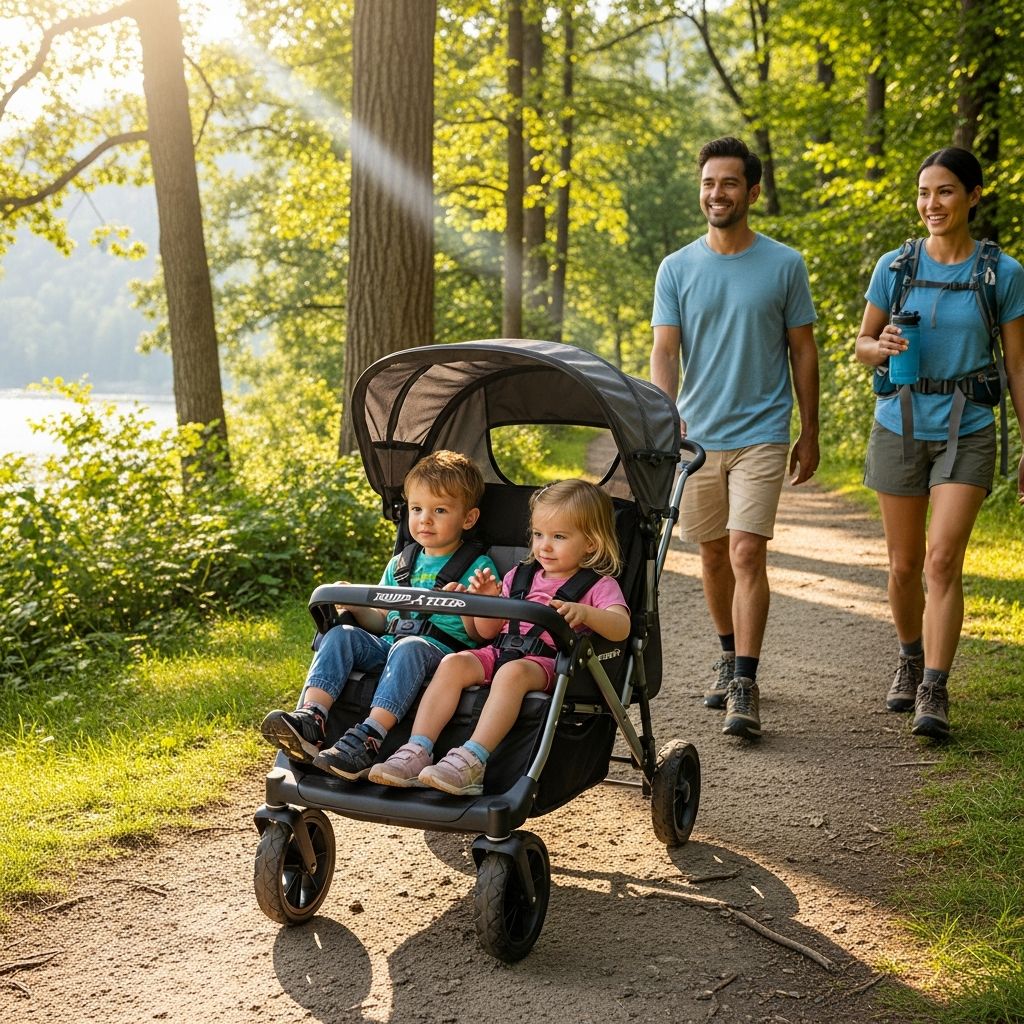
Summer evenings, camping trips, and backyard playtime lose their charm quickly when mosquitoes, ticks, and biting flies show up. Parents often stand in the bug spray aisle staring at rows of mysterious bottles, wondering what is actually safe and effective for kids. This guide breaks down the choices in clear language so you can protect your family without guesswork.
Why Bother With Insect Repellents?
Insect bites are more than an itchy nuisance. Mosquitoes and ticks can carry illnesses such as West Nile virus, Lyme disease, and other infections that can cause serious complications in both children and adults. Reducing bites is one of the simplest ways to lower your family’s risk during outdoor activities.
Repellents work by making your skin and clothing less attractive to biting insects, causing them to avoid landing or feeding. That means fewer bites, less scratching, and a much lower chance of disease transmission during peak bug seasons.
Know Your Enemy: Common Biting Insects
Choosing the right repellent starts with understanding which insects you are dealing with and where your family spends time. Different insects respond better to certain active ingredients, so your location and activities matter more than the packaging design.
- Mosquitoes: Found near standing water, active at dawn, dusk, and in shaded areas; can transmit several viral illnesses.
- Ticks: Often found in tall grass, leaf litter, and wooded areas; can transmit Lyme disease and other infections.
- Biting flies and gnats: Common near lakes, rivers, and humid environments; bites can be painful and cause swelling.
- Fleas and chiggers: More of an issue in certain regions and wild areas; can cause intense itching and rashes.
Main Types of Insect Repellent Ingredients
Most effective repellents fall into a few broad categories based on their active ingredients. Understanding the difference helps you match the product to your family’s needs, your child’s age, and the insects in your area.
Chemical Actives Commonly Recommended
These ingredients are widely used, well-studied, and recommended by pediatric and public health organizations when used as directed. They are often the best choice when disease risk is significant or insect pressure is high.
- DEET (N,N-diethyl-meta-toluamide): Long history of use, highly effective against mosquitoes and ticks when used at appropriate concentrations for children and adults.
- Picaridin: Newer than DEET but considered similarly effective against mosquitoes and ticks, often with a more pleasant scent and less oily feel.
- Permethrin: Not for skin; used to treat clothing, shoes, and gear to repel and kill ticks and some other insects over multiple washes.
Plant-Derived and “Natural” Options
Plant-based repellents appeal to families who prefer a more “natural” approach, but they typically offer shorter protection times and may not be ideal where disease risk is high. Always check that the product is properly registered and labeled for use as an insect repellent.
- Oil of lemon eucalyptus (OLE or PMD-based products): A plant-derived active that can provide moderate protection when used in EPA-registered formulations.
- Other plant oils (citronella, lemongrass, peppermint, cedar, etc.): Often provide brief, limited protection and are better as a supplement (such as candles in the yard) rather than the only line of defense.
Quick Comparison of Popular Repellent Ingredients
The table below summarizes key differences among commonly used insect repellent actives. Use it as a starting point when choosing products for your family.
| Active ingredient | Main targets | Typical protection duration* | Notes for families |
|---|---|---|---|
| DEET | Mosquitoes, ticks, many biting flies | Lower concentrations: a few hours; moderate concentrations: several hours | Most studied; avoid very high concentrations for children; can damage some plastics and synthetic materials. |
| Picaridin | Mosquitoes, ticks, some flies | Shorter at low concentrations; longer at higher concentrations, often comparable to DEET | Generally low odor; less greasy; does not typically damage plastics; popular for kids and adults. |
| Oil of lemon eucalyptus (OLE/PMD) | Primarily mosquitoes | Short to moderate; depends heavily on concentration and formulation | Plant-derived; not the same as basic essential oil; usually not recommended for very young children. |
| Permethrin (on clothing) | Ticks, some mosquitoes and insects | Lasts through multiple washes when pre-treated | Apply to clothing and gear only, not skin; especially useful for tick-heavy areas and camping. |
*Protection time varies with product brand, concentration, activity level, sweating, water exposure, and how thoroughly it is applied.
Choosing the Right Repellent for Children
Parents often worry more about the repellent than the bites, but most pediatric and public health experts emphasize that the risk from insect-borne disease can outweigh the risks of properly used repellents. The key is to match the product to your child’s age and exposure level, and to use it exactly as directed on the label.
- Consider the setting: For a short evening in the yard with few mosquitoes, a lower concentration or plant-derived option may suffice.
- For hiking, camping, or travel to areas with known mosquito- or tick-borne illnesses, a well-studied active (such as DEET or picaridin) is usually recommended.
- Very young babies often rely more on physical barriers like netting and appropriate clothing, because many repellents are not labeled for use on infants below a certain age.
How Concentration Affects Protection Time
The number on the bottle (such as 10% or 25%) describes the concentration of the active ingredient, not how strong or “toxic” the product is in a simple sense. In general, higher concentrations provide longer-lasting protection rather than more intense protection per minute.
For most everyday family use, a moderate concentration that offers several hours of protection is more practical than an extremely high concentration that adds little extra benefit but may linger on the skin longer than necessary.
Application Tips for Maximum Protection
Even the best repellent works poorly if it is applied incorrectly. A few simple habits can dramatically increase effectiveness while minimizing exposure, especially for children with sensitive skin.
- Read the entire label before first use and follow all age and safety instructions.
- Apply only to exposed skin and outer clothing; avoid applying under clothing where heat and friction can irritate skin.
- Use just enough to lightly cover the area; a heavy extra layer does not improve protection.
- Spray your hands first, then rub on a child’s face, avoiding eyes, mouth, and broken skin.
- Do not apply repellent to children’s palms or fingers, since many kids will rub their eyes or put hands in their mouths.
- Keep containers out of reach when not in use to prevent accidental ingestion or misuse.
Combining Sunscreen and Insect Repellent
Parents often want a single product that does everything, but sunscreen and insect repellent behave differently on the skin and need different reapplication schedules. Sunscreen typically needs to be reapplied more often than a long-lasting repellent, especially after swimming or heavy sweating.
- Use separate products: apply sunscreen first, let it absorb, and then apply repellent on top.
- Avoid combination products that force you to reapply repellent every time you reapply sunscreen.
- At the end of outdoor time, wash sunscreen and repellent off the skin with soap and water.
Non-Chemical Strategies That Actually Help
Repellent is just one part of a broader strategy. Smart clothing and environmental steps can significantly cut down on bites, sometimes reducing the amount of repellent you need to use on children and adults.
- Clothing: Choose long sleeves, long pants, socks, and closed shoes in tick-heavy or mosquito-prone areas. Light colors make it easier to spot ticks.
- Netting: Use mosquito netting over strollers, baby carriers, and play yards when insects are dense.
- Environment: Empty standing water in containers, birdbaths, toys, and gutters where mosquitoes breed.
- Timing: When possible, avoid peak mosquito hours at dawn and dusk, or use extra protection during these times.
- Fans and air movement: Outdoor fans on patios and decks can make it harder for insects to land.
Common Myths About Bug Protection
Parents hear plenty of conflicting advice from friends, social media, and product marketing. Separating myth from reality reduces stress and helps you spend money on what truly works.
- Myth: All “chemical” repellents are dangerous. In reality, widely used actives like DEET and picaridin have been carefully evaluated and are considered safe when used as directed on the label.
- Myth: Natural automatically means safer and better. Plant oils can sometimes irritate skin or cause allergic reactions, and their protection time is often shorter than that of well-studied synthetic ingredients.
- Myth: Higher percentage always means better choice for kids. For families, the goal is enough concentration to cover the planned time outside, not the highest number on the shelf.
- Myth: Candles and bracelets provide complete protection. These products may help in a small area or offer minor additional benefit, but they are rarely enough as the only line of defense.
After-Outdoor Routine: What To Do When You Come Inside
Good habits after outdoor time are just as important as the products you choose before stepping outside. A quick routine can catch problems early and reduce skin exposure to repellents once you no longer need them.
- Wash treated skin with soap and water as soon as practical after coming indoors.
- Change out of outdoor clothing; wash clothes before wearing again, especially if heavily sprayed or treated.
- Do a quick tick check, paying special attention to the scalp, behind ears, armpits, groin, waistline, and behind knees.
- Monitor for any redness, rash, or irritation where repellent was applied and consult a health professional if concerns arise.
Frequently Asked Questions (FAQs)
Is DEET safe for my child?
Products containing DEET have been extensively studied and are generally considered safe for children when used as directed and at age-appropriate concentrations. Always follow the product label regarding age limits, how much to apply, and how often you can reapply.
Should I choose DEET or picaridin?
Both DEET and picaridin are effective against mosquitoes and ticks when you choose the right concentration and apply them correctly. Many families prefer picaridin because of its lighter feel and low odor, while others stick with DEET due to its long history and wide availability.
Can I use essential oils from my cupboard as repellent?
Household essential oils are not a substitute for properly formulated and tested insect repellents. Some may irritate skin, and their real-world protection against bites is often short-lived and inconsistent.
What about babies under six months?
For very young babies, many products are not labeled for direct use on skin. In this age group, focus on protective clothing, shade, and physical barriers like mosquito netting, and talk with your pediatrician about the best approach for your climate and risk level.
Do I really need repellent if no one in my area talks about mosquito diseases?
Even in areas without widely publicized outbreaks, mosquitoes, ticks, and other biting insects can carry illnesses and cause infections. Using repellent and basic protective measures is a low-effort way to reduce risk and prevent uncomfortable bites.
Putting It All Together for Your Family
The best insect-repellent strategy is the one that fits your family’s routines, local insect risks, and each child’s age and skin sensitivity. Most families do well with a combination of smart clothing and gear choices, environmental control, and a well-chosen repellent with a proven active ingredient.
When in doubt, talk with your child’s health care provider about which products are appropriate for your region and your child’s age or medical conditions. With a little planning and the right products, you can reclaim warm-weather adventures without being eaten alive.