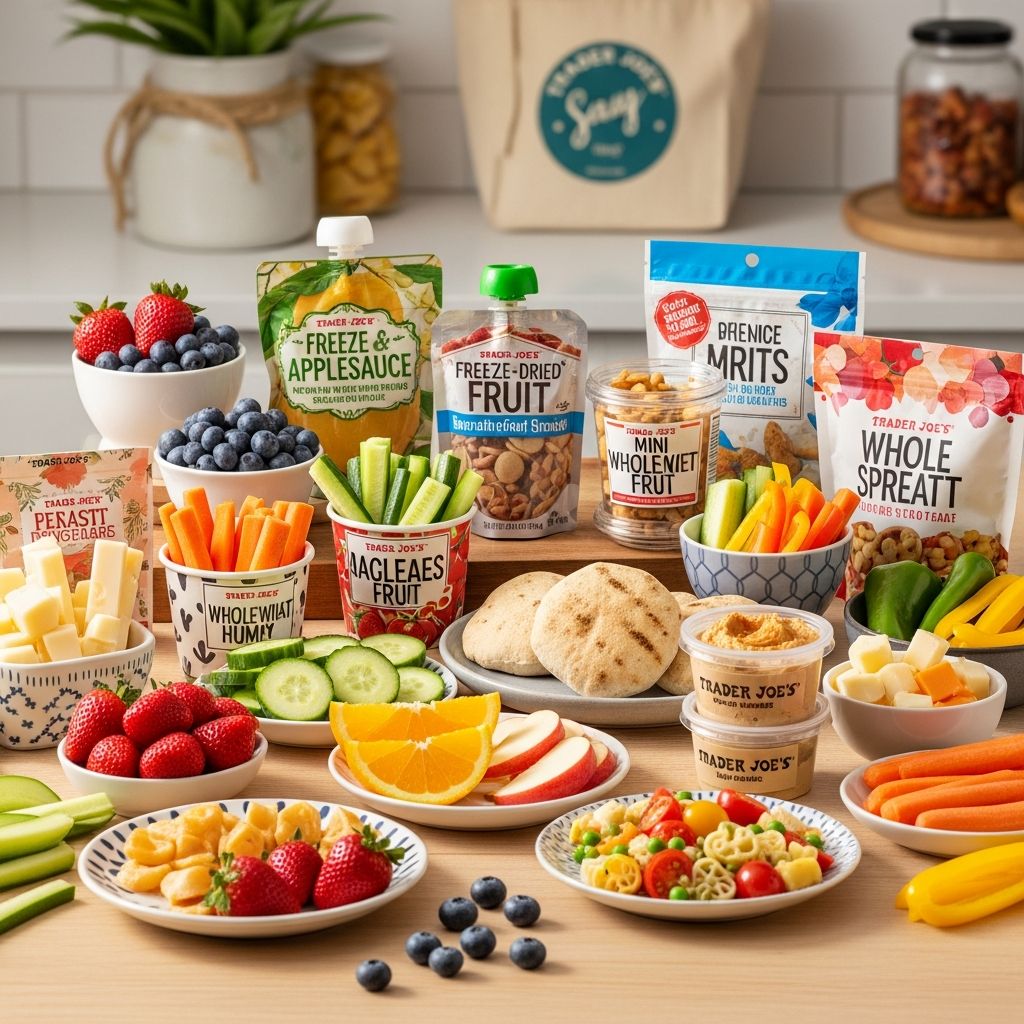
Choosing Quality Snacks for Your Children at Trader Joe’s
Finding snacks that both children enjoy and parents feel confident serving can be challenging. Trader Joe’s offers numerous options that combine convenience with nutritional integrity. Many of these products feature simple ingredient lists, minimal processing, and appeal to children’s natural preferences for flavors and textures. Understanding which products align with healthy eating principles helps parents make informed decisions while navigating busy schedules and picky eaters.
Protein-Rich Options That Build Strength
Protein serves as an essential building block for growing bodies. Meat sticks from brands like Chomps provide portable, nutrient-dense options that deliver substantial protein without unnecessary additives. These products use grass-fed beef and free-range poultry, eliminating concerns about hormones and antibiotics that some parents wish to avoid. Each stick contains zero added sugar and carries no artificial preservatives, making them suitable for various dietary approaches including Whole30 protocols.
String cheese represents another accessible protein source that children typically enjoy without resistance. The Trader Joe’s organic version offers comparable nutritional benefits to alternatives found at premium retailers while maintaining competitive pricing. This snack requires no preparation and fits easily into lunch boxes or diaper bags for on-the-go consumption. For children who prefer warm snacks, plain Greek yogurt topped with fruit preserves or mixed into other preparations provides protein alongside probiotics that support digestive health.
Grain-Based Snacks with Nutritional Substance
Crackers and cereal bars constitute familiar comfort foods for most households. Trader Joe’s offers variations that prioritize ingredient quality over artificial enhancement. Multi-grain crackers containing 12 different grains provide fiber essential for digestive function and sustained energy release. These products work equally well with savory pairings like cheese or salami as they do with spreadable proteins such as peanut or almond butter.
Cereal bars available in numerous flavors—including apple, strawberry, fig, and blueberry—use organic wheat and oats rather than refined grains. Unlike mass-market alternatives, these bars avoid high-fructose corn syrup and artificial colorants. The variety of flavors encourages children to explore different taste profiles while consuming a snack that provides carbohydrates for energy and sustained satiation between meals.
Honey wheat pretzel sticks offer a compromise for parents concerned about choking hazards presented by round pretzel nuggets. Their elongated shape accommodates different age groups and developmental stages, allowing younger children to safely grasp and bite-sized portions. The gentle sweetness from honey appeals to children’s natural preferences while the whole wheat base contributes fiber and B vitamins.
Legume-Based Alternatives for Variety
Green peas transformed into crunchy snacks provide a nutritional bridge between vegetables and traditional crackers. These products contain minimal ingredients—typically green peas, oil, rice meal, and salt—without added sugars or artificial flavoring. The satisfying crunch texture appeals to children who enjoy sensory engagement with their food, making this option particularly suitable for children who might otherwise reject plain vegetables.
Roasted seaweed snacks represent a more adventurous choice that develops sophisticated palates over time. While not universally loved by every child, these nutrient-dense products deliver minerals including iodine and other trace elements necessary for thyroid function and metabolic health. The salty, crispy nature of seaweed appeals to children seeking bold flavors and engaging textures, positioning it as a gateway to exploring global cuisine.
Vegetable and Fruit-Forward Options
Sweet potato crackers with added seeds provide vegetables in forms children readily consume. These products combine complex carbohydrates from root vegetables with protein and healthy fats from seeds, creating more complete nutritional profiles than single-ingredient alternatives. The natural sweetness of sweet potatoes satisfies the childhood preference for mildly sweet flavors without relying on added sugars.
Freeze-dried fruit products eliminate water content while concentrating natural sugars and nutrients. Parents selecting these options should verify labels to ensure no additional sweetening has occurred during processing. When consumed plain or repackaged with playful terminology like “fruit chips” to younger eaters, these products deliver vitamin C and fiber essential for immune function and digestive health.
Dried mango slices in particular provide a chewy texture that satisfies children seeking something more substantial than fresh fruit. When paired with cheese or nut butters, the natural fruit sugars pair with protein and healthy fats, creating balanced snacks that sustain energy levels and satiation between meals. The individual packaging of these products facilitates portion control while preventing overindulgence.
Prepared and Ready-to-Serve Solutions
Fruit and vegetable pouches containing only organic fruit purées address the challenge of providing nutrition during outdoor activities or travel. Products featuring solely apples and mangos without additional sweetening or thickening agents offer transparency regarding contents. While many families implement household policies limiting pouch consumption to prevent dental issues or encourage cup drinking development, occasional use for convenience remains practical for busy schedules.
Tiny cucumber portions paired with hummus transform traditionally rejected vegetables into appealing finger foods through novelty and size. The miniature format appeals to young children’s preferences while maintaining full nutritional value of larger vegetables. These options work equally well as standalone snacks or as components within lunchbox variety.
Overnight oats featuring apple flavoring represent breakfast or snack options that deliver complex carbohydrates, fiber, and sustained energy. When topped with nuts, seeds, or fresh fruit, these preparations become complete nutritional meals supporting growing bodies without requiring extensive preparation time.
Nuts and Seed-Based Nutritional Powerhouses
Coated peanuts offering flavored varieties beyond traditional salting provide familiar foods with enhanced appeal for discerning young palates. Products featuring short ingredient lists without artificial flavorants or preservatives maintain nutritional integrity while delivering the satisfying crunch children enjoy. Nuts deliver protein, healthy fats necessary for brain development, and minerals supporting bone growth during crucial developmental windows.
Trail mix combining nuts, seeds, and dried fruit creates complex flavor and texture profiles that maintain engagement throughout snacking. The balance of sweet and salty components satisfies diverse taste preferences within single products. Almonds specifically, when coated with sea salt and turbinado sugar, offer an unexpected treat that appeals to sophisticated preferences developing in older children.
Organic Alternatives to Conventional Snacks
Organic peanut butter sandwich cookies provide nutritional advantages over non-organic counterparts through elimination of synthetic pesticides and hydrogenated oils. The removal of hydrogenated fats reduces trans fat consumption, which research indicates supports cardiovascular health beginning in childhood. Organic certification inherently excludes artificial colorants and flavorants, addressing concerns many parents hold regarding artificial additives and their potential effects on child behavior and health.
Understanding organic certification requirements helps parents appreciate differences between organic and conventional products. Organic labeling mandates non-GMO ingredients, absence of glyphosate residues, and prohibition of synthetic pesticides—factors increasingly important to health-conscious families. While not inherently superior in all nutritional measures, organic products often reflect production practices aligned with parental values regarding environmental sustainability and chemical exposure minimization.
Strategic Snacking Throughout the Day
Pairing complementary foods creates more nutritionally balanced snacks than single items alone. Cheese coupled with fruit or nuts combined with dried mango exemplify combinations that integrate protein, healthy fats, and carbohydrates for sustained energy release. This approach prevents blood sugar spikes and subsequent energy crashes characteristic of high-sugar, single-ingredient snacking.
Rotating snack options prevents boredom while exposing children to diverse flavors and nutritional profiles. A weekly rotation incorporating crackers one day, fruit and nuts another, and vegetables with dips throughout the week ensures variety while maintaining parental oversight of overall consumption patterns.
Reading Labels for Informed Decisions
Understanding nutrition labels enables parents to make choices aligned with family health priorities. Sugar content, sodium levels, and ingredient list length provide quick assessment tools for evaluating product quality. Products with fewer than 10 ingredients and minimal added sugars typically reflect Trader Joe’s standard approach to processed foods, supporting straightforward decision-making processes.
Recognizing marketing terminology helps parents distinguish genuine nutritional benefits from sophisticated advertising. Terms like “natural” lack regulatory meaning, while “organic” and “whole grain” carry specific legal definitions worth understanding. Comparing similar products by nutritional density rather than marketing claims leads to superior snack selections.
Questions Parents Frequently Ask
Q: What makes Trader Joe’s snacks suitable for children?
A: Trader Joe’s emphasizes simple ingredient lists, avoids artificial additives, and offers numerous organic options that appeal to both parental preferences and children’s tastes. Products typically feature recognizable ingredients without excess sodium or sugar.
Q: How can parents manage children who resist nutritious snacks?
A: Introducing variety, involving children in selection processes, and pairing familiar preferred foods with new options facilitates acceptance. Reframing snacks through creative naming or presentation often increases child willingness to try different products.
Q: Are Trader Joe’s organic snacks significantly more expensive?
A: Trader Joe’s competitive pricing often matches or undercuts specialty retailers for organic products. Comparing unit prices and considering nutritional density rather than package price provides realistic cost assessment.
Q: Which snacks work best for lunch box packing?
A: Items requiring no refrigeration like nuts, seeds, dried fruit, crackers, and meat sticks pack easily. Pairing temperature-sensitive items like cheese or yogurt with ice packs extends safe consumption windows throughout school days.
Q: How do parents balance convenience with nutritional standards?
A: Selecting pre-packaged items meeting nutritional criteria reduces preparation demands while maintaining health alignment. Trader Joe’s ready-to-serve options accommodate busy schedules without sacrificing ingredient quality.
References
- Favorite Trader Joe’s Kid Snacks — The Healthy Kids Table. Accessed January 2026. https://thehealthykidstable.com/favorite-trader-joes-kid-snacks/
- The Best Trader Joe’s Snacks for Kids — Danielle Moss. Accessed January 2026. https://www.danielle-moss.com/best-trader-joes-snacks-for-kids/
- Best Things to Get at Trader Joe’s, According to Pediatric Dietician — Business Insider. December 2023. https://www.businessinsider.com/best-things-trader-joes-according-to-pediatric-dietician-2023-12
- 17 Best Cheap Healthy Snacks You Can Buy At Trader Joe’s — Tasting Table. Accessed January 2026. https://www.tastingtable.com/1802493/cheap-healthy-snacks-trader-joes/