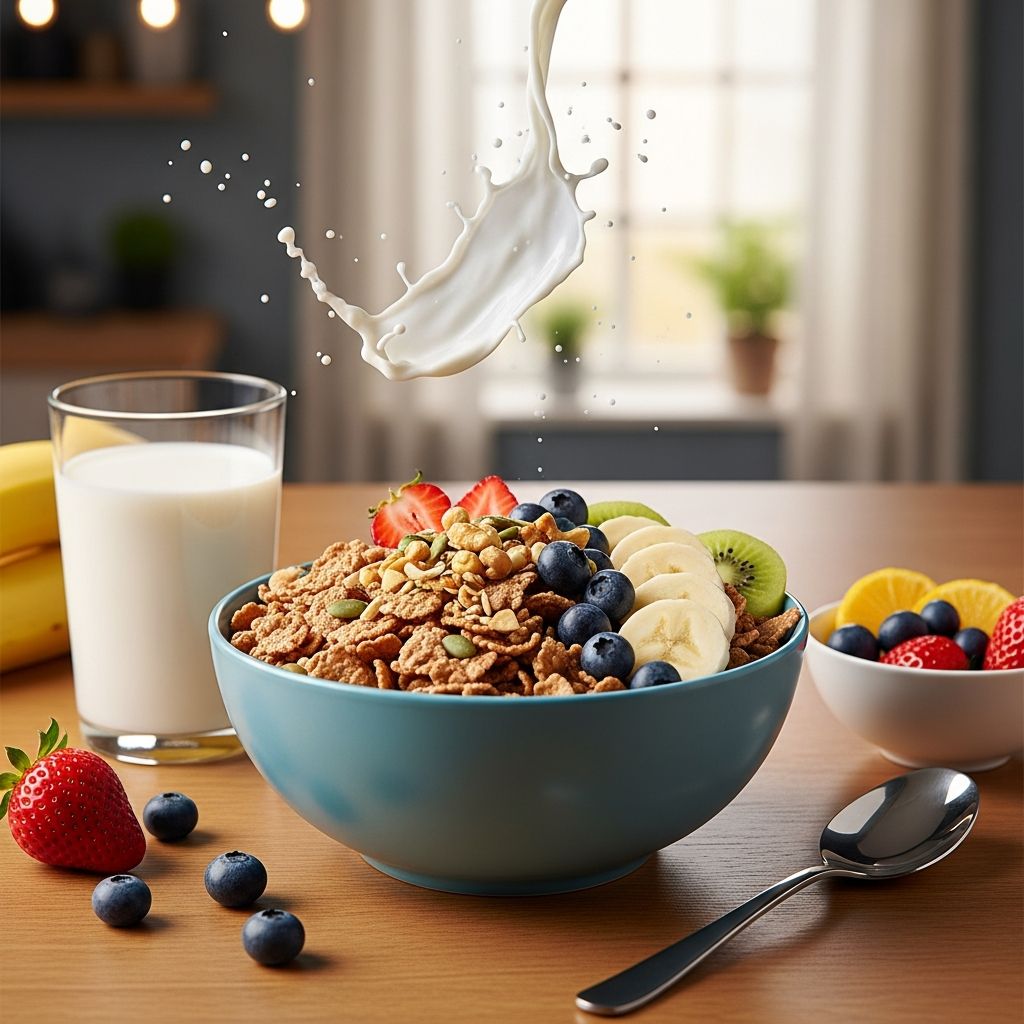
Starting the day with a bowl of cereal can be a quick and appealing breakfast option for busy families. However, not all cereals are created equal when it comes to supporting children’s health. Many popular brands load their products with added sugars, which can lead to energy crashes and poor nutritional intake. This guide explores how to identify truly beneficial cereals that provide sustained energy, essential nutrients, and flavors kids enjoy, drawing from dietitian insights and nutritional data.
Why Cereal Choices Matter for Young Eaters
Children require a balanced diet to fuel growth, brain development, and physical activity. Cereals fortified with iron, B vitamins, zinc, and calcium help address common nutrient gaps in kids’ diets. Whole grains offer fiber for digestive health and steady blood sugar levels, while protein promotes fullness. The American Academy of Pediatrics recommends limiting added sugars to less than 25 grams daily for children ages 2-18, making low-sugar options crucial.
Selecting cereals with at least 3 grams of fiber, 3 grams of protein per serving, and under 6 grams of added sugar ensures a nutritious start. Organic choices and those free from artificial dyes further enhance quality. Parents report that transitioning to these options improves focus and reduces mid-morning hunger.
Key Nutritional Benchmarks for Kids’ Cereals
To evaluate cereals effectively, focus on these criteria:
- Added Sugars: Aim for 0-6 grams per serving to avoid spikes and crashes.
- Fiber: At least 3 grams to support gut health and satiety.
- Protein: 3-8 grams for muscle repair and fullness.
- Whole Grains: Look for ‘100% whole grain’ stamps or lists whole grains first.
- Fortification: Iron (at least 20% DV), vitamins, and minerals.
- Allergens: Gluten-free, nut-free, or vegan for sensitive kids.
These benchmarks help prioritize cereals that nourish rather than just entertain taste buds.
Top Picks for Everyday Nutrition
Here are standout cereals that meet high standards for health and appeal, categorized by unique strengths. Nutritional data is per typical 1-cup serving unless noted.
Leading Option for Balanced Daily Use
General Mills Original Cheerios stand out for their simplicity and broad appeal. Made primarily from whole grain oats, they deliver reliable nutrition without excess sweetness. Kids love the O-shaped texture, which is mess-free for snacks.
- Calories: 140
- Protein: 5g
- Fiber: 4g
- Added Sugar: 2g
- Price: Budget-friendly at about $0.30 per serving
Fortified with iron and vitamins, this cereal provides nearly a full serving of whole grains.
Superior Fiber Powerhouse
Nature’s Path Organic Heritage Flakes combine ancient grains like quinoa, spelt, and millet for exceptional fiber content. The crunchy flakes hold up well in milk, appealing to older kids.
- Calories: 160
- Protein: 5g
- Fiber: 7g
- Added Sugar: 4g
- Price: Mid-range, around $0.40 per serving
Organic certification ensures clean ingredients, and parents note its popularity despite the hearty chew.
Protein-Packed Grain-Free Choice
Three Wishes Cinnamon Cereal uses chickpea and pea protein for a boost without grains, ideal for allergy-prone families. Its subtle spice adds flavor without sugar overload.
- Calories: 130
- Protein: 8g
- Fiber: 3g
- Added Sugar: 3g
- Price: Higher-end, about $0.60 per serving
Vegan and kosher, it’s a top pick for texture-sensitive eaters.
Zero Added Sugar with Natural Flavor
Cascadian Farm Organic Purely O’s or Mixed Berry variants rely on fruit for taste, paired with high fiber from whole oats and barley.
- Calories: ~190 (Mixed Berry)
- Protein: 5g
- Fiber: 6g
- Added Sugar: 0g
- Price: Moderate, $0.50-0.70 per serving
Sustainable farming practices add ethical value.
Affordable High-Iron Staple
Kix cereal offers light crunch with fortification that covers significant daily iron needs, perfect for budget-conscious parents.
- Calories: 120
- Protein: 2g
- Fiber: 2g
- Added Sugar: 3g
- Price: Very low, $0.25 per serving
Its mild sweetness transitions kids from sugary habits.
Comparative Nutritional Overview
| Cereal | Protein (g) | Fiber (g) | Added Sugar (g) | Key Benefit |
|---|---|---|---|---|
| Cheerios | 5 | 4 | 2 | Low sugar, fortified |
| Heritage Flakes | 5 | 7 | 4 | Max fiber |
| Three Wishes Cinnamon | 8 | 3 | 3 | High protein |
| Cascadian Purely O’s | 5 | 6 | 0 | No added sugar |
| Kix | 2 | 2 | 3 | Budget iron source |
This table highlights trade-offs: high-fiber options may cost more but offer longevity in fullness.
Hot Cereal Alternatives for Variety
For cooler mornings, instant oatmeal like Quaker High Fiber Maple & Brown Sugar provides warmth and nutrition. With soluble fiber from oats, it aids cholesterol control and digestion.
- Calories: 160
- Protein: 4g
- Fiber: 6g
- Added Sugar: 7g (moderate)
Customize with fresh fruit to cut sugar further.
Strategies to Enhance Any Cereal
Boost nutrition by pairing cereals with:
- Greek yogurt or milk for extra protein (doubles to 10-13g total).
- Fresh berries, banana slices, or nuts for fiber and antioxidants.
- Chia seeds or flax for omega-3s.
Portion control—stick to 1 cup dry—prevents overeating. Involve kids in mixing toppings to build healthy habits.
Navigating Labels and Common Pitfalls
Ingredient lists reveal truths: whole grains first signal quality; avoid those starting with sugar or refined flour. ‘No high-fructose corn syrup’ is good, but check total sugars. Dye-free options like those from CSPI lists prevent hyperactivity links. Availability varies; online shopping expands choices.
Frequently Asked Questions
What is the healthiest cereal for toddlers?
Opt for plain Cheerios or oat-based cereals with no added sugar, as they are easy to chew and iron-fortified.
Are organic cereals worth the extra cost?
Yes, for pesticide avoidance and whole ingredients, especially high-fiber ones like Nature’s Path.
Can sugary cereals ever be okay?
In moderation as occasional treats, but prioritize low-sugar daily for stable energy.
How much cereal is ideal for kids?
1/2 to 1 cup dry, paired with dairy or yogurt, aligns with age-based needs.
Gluten-free options for allergies?
Three Wishes or rice-based puffs work well, confirming labels.
This comprehensive approach empowers parents to make informed choices, fostering lifelong healthy eating patterns. (Word count: 1678)
References
- 10 Best Healthy Kid’s Cereals — Healthline. 2023-05-15. https://www.healthline.com/health/parenting/healthy-kids-cereals
- The Ultimate List of Healthy Lower Sugar Cereals For Kids — The Lean Green Bean. 2022-11-10. https://www.theleangreenbean.com/lower-sugar-cereals-for-kids/
- Healthy Cereals for Kids with No Food Dyes — Center for Science in the Public Interest (CSPI). 2024-01-22. https://www.cspi.org/article/healthy-cereals-kids-no-food-dyes
- 9 Best Children’s Cereal From A Dietitian Mom — The Family Nutritionist. 2023-08-08. https://myfamilynutritionist.com/childrens-cereal/
- Healthy Cereal for Kids: How to Find One — Schoolyard Snacks. 2023-03-20. https://schoolyardsnacks.com/blogs/blog/healthy-cereal-for-kids