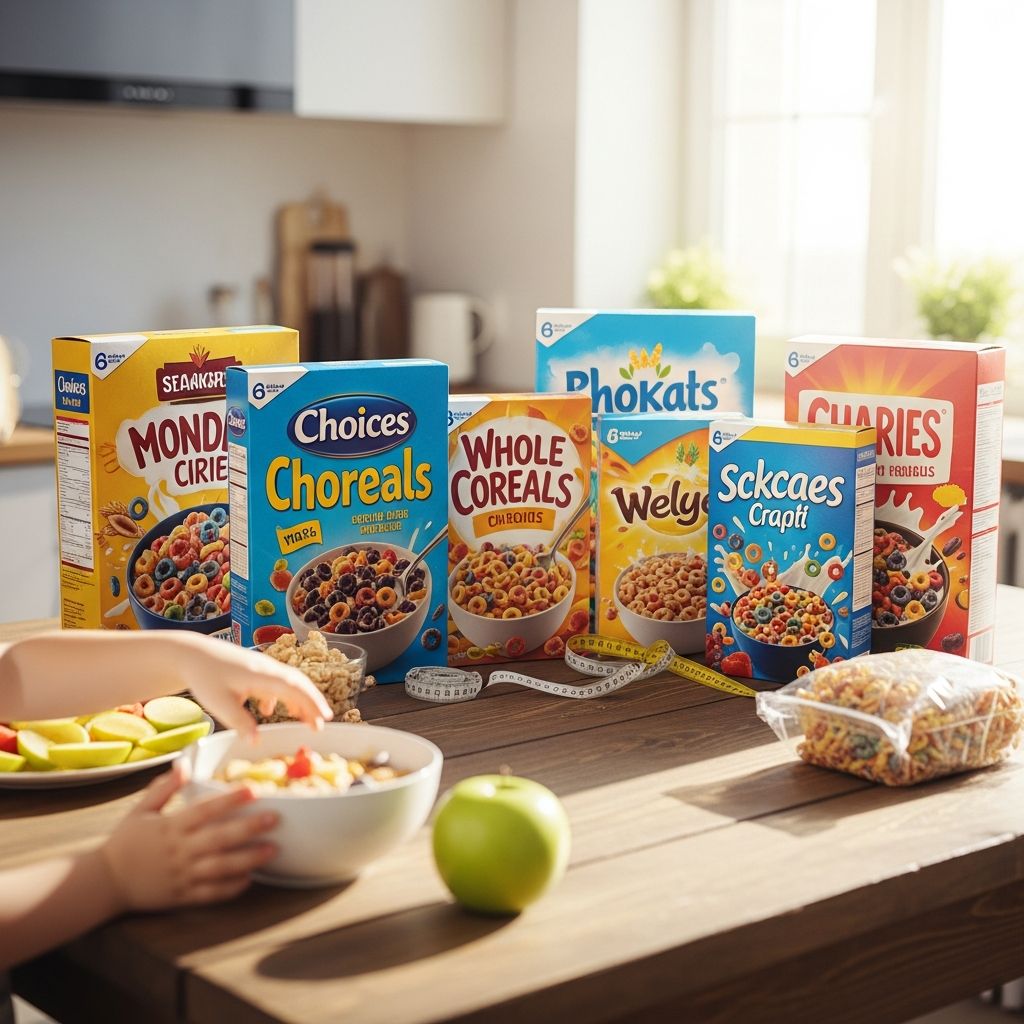
Understanding the Breakfast Cereal Landscape for Young Eaters
Breakfast cereals remain one of the most convenient and popular options for feeding children in the morning. A quick bowl with milk requires minimal preparation, and many children find cereals enjoyable, making them an easy way to start the day. However, the wide variety of cereals available in grocery stores presents parents with a significant challenge: determining which options actually support their children’s nutritional needs and which might contribute to excessive sugar consumption and nutrient deficiencies.
The key to navigating cereal selections lies in understanding what constitutes a nutritious choice. While some cereals are fortified with essential vitamins and minerals, others offer little more than empty calories wrapped in appealing packaging. By learning to read nutrition labels critically and understanding the nutritional components that matter most, parents can confidently select cereals that align with their family’s health goals.
The Nutritional Building Blocks: What to Look For
When evaluating cereals for children, several key nutritional components deserve your attention. These elements work together to determine whether a cereal contributes meaningfully to your child’s daily nutritional intake or simply fills their stomach temporarily.
Whole Grains and Fiber Content
Whole grain cereals provide substantially more nutritional value than their refined grain counterparts. Whole grains contain the bran, germ, and endosperm, ensuring children receive dietary fiber, B vitamins, and minerals that refining strips away. When examining cereal boxes, look for the yellow and black whole grain stamp, which indicates that at least half the grain ingredients are whole grain. If a box displays “100% whole grains,” it guarantees that all grain ingredients meet this standard and typically contains at least 16 grams of whole grains per serving.
Fiber plays a crucial role in children’s digestive health and satiety. According to age-based recommendations, children ages 1-3 should consume approximately 19 grams of daily fiber, while those ages 4-8 need about 25 grams daily. Most conventional cereals like Rice Krispies, Corn Flakes, and Crispix provide minimal fiber despite their low sugar content, making them incomplete nutritional choices. Selecting cereals that deliver meaningful fiber content helps children feel fuller longer and supports healthy digestion.
Protein Content and Satiety
Protein in cereals contributes to sustained energy and helps prevent mid-morning hunger that leads to unhealthy snacking. Cereals offering at least 3-4 grams of protein per serving provide a more balanced breakfast experience. Some premium options deliver 5-6 grams of protein per serving, significantly enhancing the nutritional profile of the meal, especially when combined with milk.
Added Sugar: The Critical Concern
Added sugar represents the primary concern when evaluating cereals for children. Many breakfast cereals marketed to kids contain excessive amounts of added sugar, sometimes exceeding 10-12 grams per serving. This exceeds what health organizations recommend for children and contributes to various health concerns including obesity, dental problems, and metabolic issues. Look for cereals containing less than 6 grams of added sugar per serving whenever possible. Some exceptional options contain zero added sugar while still maintaining appealing taste through natural flavors or dried fruit.
The Fortification Advantage: Filling Nutritional Gaps
One often-overlooked benefit of commercial cereals is their fortification with essential vitamins and minerals. Manufacturers add B vitamins, iron, zinc, calcium, and vitamin D to many cereal products, helping address common nutritional gaps in children’s diets. Iron deserves special attention, as it plays a critical role in cognitive development and oxygen transport throughout the body. Some fortified cereals provide 100% of a child’s daily iron requirement in a single serving, making them particularly valuable for children who might otherwise struggle to meet their iron needs through whole foods alone.
When reviewing nutrition labels, check the “% Daily Value” column for these fortified nutrients. A cereal listing 100% of the daily value for iron and other micronutrients can be an excellent nutritional choice, particularly when combined with low added sugar content.
Evaluating Quality Milk Pairings
The milk choice accompanying cereal significantly impacts the overall nutritional quality of the breakfast. For children over age 2, the healthiest dairy choices include fat-free or skim milk and low-fat 1% milk. While whole milk has gained popularity among some parents, it contains more saturated fat than nutritionists recommend for children beyond the toddler stage.
Parents selecting plant-based alternatives should verify that their choice is fortified with calcium, vitamin D, and vitamin B-12, and contains approximately 8 grams of protein per cup to match dairy milk’s nutritional profile. Soy milk offers excellent fortification when chosen carefully, as do newer options like pea protein milk and protein-enhanced almond milk. Parents should avoid “vanilla” or “chocolate” varieties of plant-based milks, as these typically contain significant added sugar. Instead, select “original” or “unsweetened” varieties to minimize extra sugar in the breakfast bowl.
Premium Cereal Options Worth Considering
Several cereals stand out as particularly nutritious choices for children when evaluated against established nutritional criteria.
Top Nutritious Options
- Original Cheerios: Contains zero added sugar with 3 grams of protein and 3 grams of fiber per cup serving, plus 8 mg of iron (100% of daily requirements for ages 4-8).
- Cascadian Farms Organic Purely O’s: Offers 4 grams of protein and 4 grams of fiber with less than 1 gram of added sugar.
- Cascadian Farms No Added Sugar Mixed Berry: Features 5 grams of protein and 6 grams of fiber with zero added sugar, sweetened with dried blueberries and strawberries.
- Barbara’s Multigrain Spoonfuls: Delivers 5 grams of protein and 5 grams of fiber with only 7 grams of added sugar.
- Quaker Brown Sugar Oatmeal Squares: Provides 5 grams of fiber per serving to maintain fullness throughout the morning.
- Wheat Chex: Offers 6 grams of protein and 8 grams of fiber with just 6 grams of added sugar.
- Kashi Honey Toasted Oat: Combines 4 grams of protein and 5 grams of fiber with 6 grams of added sugar.
- Nature’s Path Heritage Flakes: Delivers 5 grams of protein and 7 grams of fiber with only 5 grams of added sugar.
Identifying Cereals to Approach Cautiously
While not necessarily forbidden, certain popular cereals offer minimal nutritional value and deserve limited placement in regular breakfast rotations. Cereals featuring colorful marshmallows, candy pieces, or extreme sweetness typically contain 10-12+ grams of added sugar per serving while offering minimal fiber or whole grains. These products derive most calories from sugar rather than whole grain sources, providing little nutritional substance despite their appeal to children.
Additionally, some cereals marketed as “natural” or positioned as health-conscious options may still contain surprising amounts of added sugar. Always verify actual sugar content rather than relying on marketing claims or label design to determine nutritional quality.
Reading Labels Like a Nutritionist
Developing label-reading skills empowers parents to make informed decisions without relying solely on marketing or recommendations. Focus on these specific elements when examining cereal nutrition facts:
- Check “added sugars” specifically, not total sugars, as this distinguishes between naturally occurring sugars in ingredients like dried fruit and sugars manufacturers added.
- Look for at least 3 grams of fiber per serving, with 5+ grams being ideal.
- Verify protein content of 3-4 grams minimum, preferably 5+ grams for premium options.
- Review the ingredient list and ensure whole grains appear among the first ingredients.
- Examine fortification status, particularly for iron, calcium, and vitamin D.
- Compare serving sizes carefully, as some cereals use smaller serving portions, making nutritional profiles appear better than actual consumption would provide.
Budget-Conscious Approaches to Nutritious Breakfasts
Nutritious cereals don’t always command premium prices. Options like original Cheerios and Kix offer exceptional nutritional value at modest price points, typically costing less than $0.30 per ounce. Parents can enjoy both nutrition and affordability by selecting these reliable options. Shopping sales, using store brands when quality matches name brands, and buying larger boxes when prices dip creates further savings opportunities.
Some higher-quality options cost slightly more but deliver substantially more fiber and protein, potentially justifying the extra expense through improved satiety and nutritional completeness. Calculating cost per serving rather than total package price reveals true value.
Practical Implementation Strategies
Transitioning to healthier cereal choices requires practical approaches that work within family dynamics. Mixing preferred cereals with new options gradually allows children’s palates to adapt. Adding fresh fruit, berries, or a drizzle of honey can make lower-sugar options more appealing without substantially increasing added sugar. Letting children participate in grocery selection and label reading transforms nutrition education into engaging family activities.
Consider keeping two or three different cereals available simultaneously, allowing children choices within nutritional parameters rather than imposing unilateral decisions that may trigger resistance.
Frequently Asked Questions
Q: Can children eat cereal daily, or should it be an occasional breakfast?
A: Well-formulated, low-sugar cereals with adequate fiber and protein can be appropriate daily breakfast choices. Daily consumption of high-sugar options should be limited, though occasional treats remain reasonable within a balanced diet.
Q: What age is appropriate for introducing solid cereals to children?
A: Infant cereals designed specifically for babies starting solids (typically around 6 months) differ substantially from ready-to-eat cereals. Ready-to-eat cereals are generally appropriate for toddlers aged 2 and older, after children have developed sufficient chewing ability.
Q: How do I make nutritious cereals more appealing to picky eaters?
A: Add naturally sweet toppings like fresh berries, sliced banana, or small amounts of unsweetened dried fruit. Allow children to choose between two nutritious options, creating autonomy within healthy boundaries.
Q: Are organic cereals inherently more nutritious than conventional options?
A: Organic certification indicates farming methods rather than nutritional superiority. An organic cereal with 12 grams of added sugar offers no nutritional advantage over a conventional cereal with 5 grams of sugar. Focus on nutritional content rather than organic status alone.
Q: Can cereal alone constitute a complete breakfast?
A: While cereal with fortified milk provides substantial nutrition, pairing it with fresh fruit, yogurt, or whole grain toast creates a more balanced, nutritionally complete breakfast that sustains energy longer.
References
- The Ultimate List of Healthy Lower Sugar Cereals For Kids — The Lean Green Bean. 2024. https://www.theleangreenbean.com/lower-sugar-cereals-for-kids/
- Healthy Cereals for Kids with No Food Dyes — Center for Science in the Public Interest. 2024. https://www.cspi.org/article/healthy-cereals-kids-no-food-dyes
- 9 Best Children’s Cereal From A Dietitian Mom — The Family Nutritionist. 2024. https://myfamilynutritionist.com/childrens-cereal/
- Dietary Guidelines for Americans 2020-2025 — U.S. Department of Agriculture & U.S. Department of Health and Human Services. 2020. https://www.dietaryguidelines.gov/