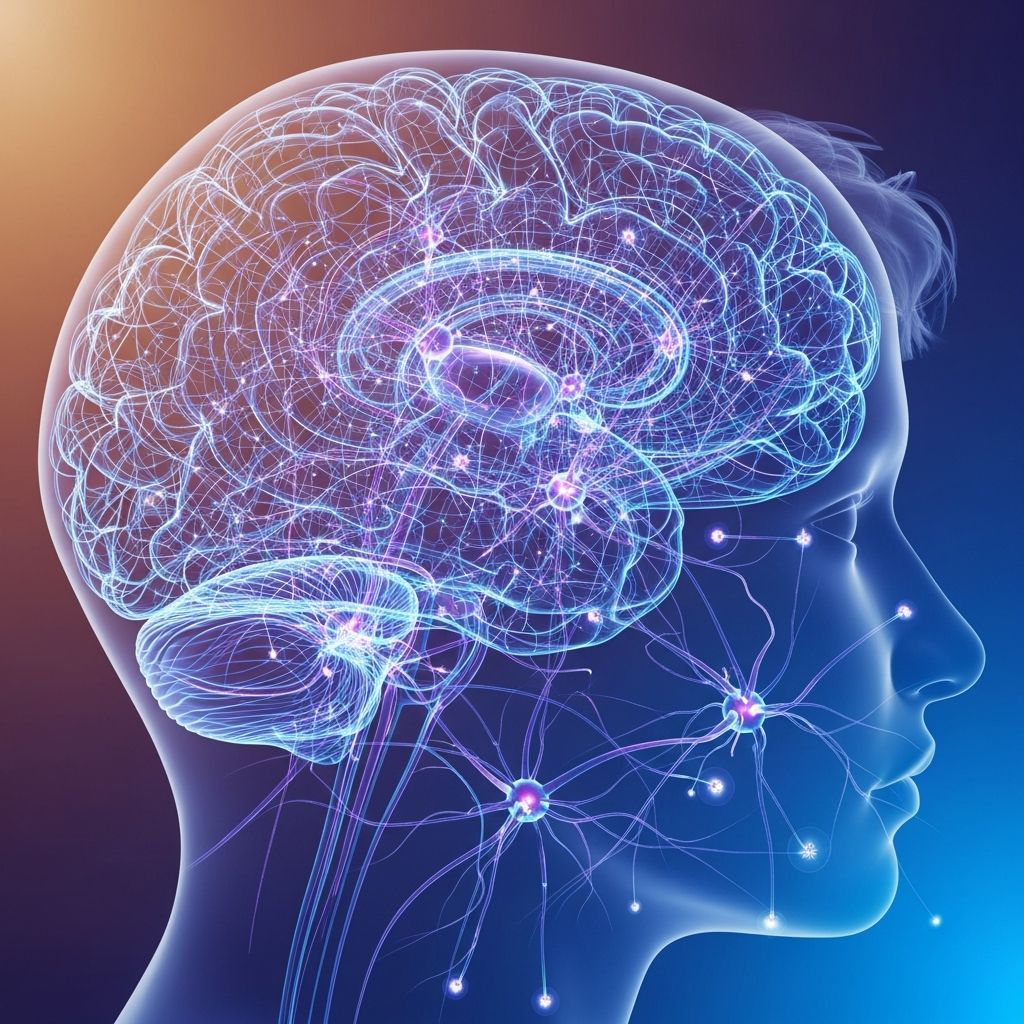
Your brain and nerves are the control center and communication network that keep you alive, thinking, moving, and feeling every second of the day. Even when you are scrolling, gaming, laughing with friends, or stressing before an exam, your nervous system is working in the background to manage it all.
This guide breaks down how this system works, what makes the teenage brain unique, and how to take care of your mental and physical health by understanding your own wiring.
What Exactly Is the Nervous System?
The nervous system is your body’s information highway. It constantly sends and receives messages so that you can react to the world, store memories, and keep your organs running smoothly.
- Your brain is the control center that interprets information and makes decisions.
- Your spinal cord is the main “cable” that connects the brain to the rest of the body.
- Your nerves are like wires that branch out everywhere, carrying signals to and from organs, muscles, and skin.
Together, these parts let you sense the world, move your body, think, feel emotions, and maintain basic functions like breathing and heart rate without you having to think about them.
Main Divisions of Your Nervous System
Even though it is one huge network, the nervous system is usually divided into two big parts that work together all the time.
| Division | What It Includes | What It Does |
|---|---|---|
| Central Nervous System (CNS) | Brain and spinal cord | Processes information, makes decisions, controls thinking, movement, memory, and emotions. |
| Peripheral Nervous System (PNS) | All nerves outside the brain and spinal cord | Carries messages between the CNS and the rest of the body (muscles, skin, organs, glands). |
Inside the peripheral system, there are nerves you consciously control (like moving your arm) and nerves that work automatically (like adjusting your heart rate when you run).
How Nerve Messages Travel So Fast
Nerve cells, called neurons, are specialized cells built to send signals very quickly. Instead of using sound or light, they use tiny electrical impulses and chemicals to send information.
- Each neuron has dendrites to receive messages, a cell body to process them, and an axon to transmit the signal onward.
- Signals move as small electrical changes along the axon, then jump across tiny gaps between cells called synapses using chemicals called neurotransmitters.
- Some axons are wrapped in a fatty coating called myelin, which helps impulses travel faster and more efficiently.
Because of this design, you can pull your hand away from something hot, recognize a friend’s face, or remember a song in a fraction of a second.
Your Brain’s Major Regions (In Simple Terms)
The brain has many specialized areas, but it can be easier to think of it in three main parts that handle different jobs.
| Brain Region | Location | Main Roles |
|---|---|---|
| Cerebrum | Largest, upper part of the brain | Thinking, language, memory, voluntary movement, reasoning, personality, and conscious experience. |
| Cerebellum | Back of the brain, under the cerebrum | Balance, coordination, posture, and smooth, precise movements. |
| Brainstem | Connects the brain to the spinal cord | Controls vital functions like breathing, heart rate, blood pressure, and basic reflexes. |
Inside the cerebrum are additional areas that handle emotions, motivation, and complex thinking, all of which are especially active during the teen years.
Why the Teenage Brain Feels So Intense
During adolescence, the brain is still under construction. Important areas that manage planning and self-control are maturing, while regions that handle emotions and rewards are highly active.
- The prefrontal cortex, which helps with judgment, long-term planning, and impulse control, continues to develop into your mid-20s.
- The limbic system, which drives emotion, motivation, and reward, is very active in the teen years and tends to react quickly.
Because of this timing, you may feel things more intensely, react faster, and sometimes take more risks, especially when friends are around or when something feels exciting in the moment.
Voluntary vs. Automatic Nerves
Not every signal in your body is under your control. Some nerves respond to your choices, while others keep you alive behind the scenes.
- Somatic (voluntary) nerves let you move muscles on purpose, like kicking a ball or typing on a phone.
- Autonomic (automatic) nerves handle things like heart rate, digestion, sweating, and breathing patterns without you having to think about them.
The autonomic system has two main sides: one that prepares you for action and one that brings you back to calm. Learning how these work can make stress and anxiety feel less mysterious.
Fight, Flight, and the Stress Response
When your brain senses a threat or major challenge, it triggers a built-in alarm system often called the “fight or flight” response. This is mainly driven by the sympathetic branch of your autonomic nervous system.
- Your heart beats faster to pump more blood to your muscles.
- Your breathing speeds up to bring in more oxygen.
- Your body releases stress hormones that boost energy and alertness.
This response can help you react quickly in truly dangerous situations, but it can also kick in during exams, social conflicts, or big performances, making you feel sweaty, shaky, or on edge even when you are physically safe.
How Your Body Calms Back Down
Once the stressful moment passes or you realize you are not in real danger, another branch of your autonomic system, the parasympathetic system, is designed to help you relax and recover.
- Your heart rate slows down.
- Your breathing becomes deeper and steadier.
- Your digestion and other “maintenance” processes turn back on.
Habits like slow breathing, stretching, and taking breaks support this calming system, which over time can make your stress response less overwhelming.
Everyday Things That Affect Your Nerves
Your nervous system is sensitive to your daily choices. Some habits keep signals running smoothly, while others can overload or damage your brain and nerves.
- Sleep: Deep, regular sleep helps your brain repair, organize memories, and regulate emotions.
- Food and water: Nutrients and hydration provide the raw materials your neurons need to send signals effectively.
- Movement: Physical activity boosts blood flow and releases chemicals that support brain health and mood.
- Substances: Alcohol, nicotine, and other drugs can interfere with normal signaling and are especially risky while the teen brain is still developing.
- Screens and media: Heavy, constant stimulation can make it harder to focus and quiet your mind when you need to.
Simple Habits to Support a Healthy Brain
You cannot control everything about your nervous system, but small everyday choices can make a big difference in how focused, calm, and energized you feel.
- Aim for a steady sleep schedule with enough hours most nights.
- Eat balanced meals with a mix of complex carbs, protein, and healthy fats.
- Move your body regularly with activities you enjoy, from sports to dancing to walking.
- Take short breaks from screens during long study or gaming sessions.
- Talk to someone you trust when emotions feel too heavy to handle alone.
Common Nervous System Symptoms in Teens
Most people occasionally feel dizzy, get headaches, or feel shaky when stressed or tired. However, paying attention to patterns can help you decide when to seek help.
| Symptom | Possible Everyday Cause | When to Get Checked |
|---|---|---|
| Frequent headaches | Dehydration, eye strain, lack of sleep, stress | If severe, sudden, or happening often enough to interfere with school or daily life. |
| Dizziness or fainting | Standing up too fast, skipping meals, overheating | If you faint more than once, have chest pain, or feel dizzy regularly without a clear reason. |
| Numbness or tingling | Sitting on a limb too long, awkward posture | If the feeling lasts, spreads, or appears without pressure on the area. |
| Shaking or trembling | Nervousness, caffeine, intense exercise | If shaking is frequent, uncontrollable, or happens when you are calm and rested. |
If you notice sudden changes like trouble walking, confusion, severe headache, or weakness in your face or limbs, treat it as an emergency and get help right away.
Stress, Anxiety, and Your Nerves
Stress and anxiety are not just “in your head.” They show up as physical sensations because they involve your brain, hormones, and nerves working together.
- You might feel your heart pounding, stomach flipping, muscles tightening, or hands sweating.
- Your thoughts may race, focus gets harder, and small problems may feel huge.
Feeling stressed once in a while is normal, but constant tension can make it hard for your nervous system to return to its resting state, which can affect sleep, mood, and energy over time.
Quick Techniques to Soothe Your System
While not a replacement for professional care, certain simple tactics can help your body shift from “high alert” back toward calm.
- Slow breathing: Inhale gently through your nose, pause, then exhale slowly through your mouth. Repeat a few times.
- Grounding your senses: Notice what you can see, hear, touch, smell, and taste to bring your mind back to the present moment.
- Muscle relaxation: Gently tense and then release groups of muscles from your feet up to your face.
- Physical movement: Walking, stretching, or light exercise can turn down stress and release feel-good chemicals.
Practicing these skills when you are only mildly stressed makes it easier to use them when things feel more intense.
When to Talk to a Professional
Some nervous system problems require medical care, and it is a sign of strength, not weakness, to ask for help. Reach out to a health professional if you notice any of the following for more than a couple of weeks:
- Ongoing sadness, hopelessness, or loss of interest in things you used to enjoy.
- Constant anxiety that interferes with sleep, school, or relationships.
- Changes in movement, balance, coordination, or speech.
- Frequent unexplained headaches, numbness, or weakness.
Starting the conversation with a doctor, school nurse, counselor, or trusted adult can lead you to the right type of evaluation and support.
Safe Habits for a Growing Brain
Because your brain and nervous system are still developing during the teen years, protecting them now can have long-lasting effects.
- Wear helmets and seat belts to reduce the risk of head injuries.
- Avoid alcohol, nicotine, and drugs, which can alter brain chemistry and decision-making.
- Give your brain regular breaks from multitasking and constant notifications.
- Practice kindness to yourself; negative self-talk can reinforce stress pathways over time.
Think of each healthy choice as an investment in how clearly you can think, how well you can focus, and how steady your mood can feel in the future.
FAQs About the Brain and Nerves
Does the teenage brain really work differently from an adult brain?
Yes. The parts of the brain that process emotions and rewards tend to be highly active in teens, while the regions responsible for long-term planning and self-control are still maturing. This mix can lead to intense feelings and more risk-taking, but it also makes the teen brain very good at learning and adapting.
Why do I get so nervous before tests or performances?
Your brain interprets big events as important and sometimes as threats, which turns on your stress response. Even though you are not in physical danger, your body reacts as if you need to prepare for a challenge, which can cause a racing heart, sweaty hands, or an upset stomach.
Can screen time really affect my nervous system?
Using screens for school, connection, and fun is normal, but constant stimulation can keep your brain in a state of alertness. Without breaks, this can make it harder to focus, relax, or fall asleep, all of which your nervous system needs to reset.
How much sleep does a teen brain need?
Most teenagers function best with roughly 8–10 hours of sleep per night, though individual needs vary. During deep sleep, the brain carries out important tasks like memory consolidation and emotional processing that help you think clearly the next day.
Is stress always bad for the brain?
Short bursts of stress can actually sharpen focus and motivate you to meet challenges. Ongoing, intense stress without rest or support, however, can wear down your ability to concentrate, sleep well, and manage emotions.
What can I do right now to support my nervous system?
Start with one or two small steps, such as setting a consistent bedtime, taking a short walk daily, or practicing slow breathing before sleep. Over time, these habits strengthen your brain’s ability to handle challenges and return to a calmer state.
Understanding your brain and nerves is not about memorizing every structure or pathway. It is about realizing that your thoughts, feelings, and reactions are connected to a living, changing system that you can support with healthy choices and the courage to ask for help when you need it.