Choosing a gift for an 8-year-old can feel surprisingly tricky. They are no longer little kids, but they are not quite preteens either, and their interests can change from week to week. This guide breaks down how to choose presents that feel exciting in the moment and continue to be useful long after the wrapping paper is gone.
Understanding the 8-Year-Old Stage
At around eight, many children are hungry for independence while still craving connection and reassurance from adults. They enjoy more complex games, early strategy, and activities where they can see improvement over time. Gifts that support this growing confidence and curiosity often become the most beloved.
Socially, friendships start to matter more. Kids this age may want to share toys, play games with friends, and show off new skills. When choosing a present, ask whether it can be enjoyed solo and also shared with siblings or buddies.
Key Principles for Choosing a Great Gift
- Think beyond trends: Characters and fads change quickly. Look for toys or tools that build skills, spark imagination, or encourage movement instead of chasing the latest logo.
- Support growing independence: Many 8-year-olds love having their “own” things: a special notebook, toolkit, or craft caddy that lets them manage projects by themselves.
- Balance screens and hands-on play: Screens may be unavoidable, but off-screen play still builds creativity, problem-solving, and resilience in powerful ways.
- Consider the child’s personality: The best gift for an energetic outdoorsy kid might bore a quiet bookworm. Matching the present to the child shows you really see who they are.
Creative & Artsy Gifts
Kids around eight are often ready for more “real” art supplies and projects that feel a step up from preschool crafts. Choosing quality materials signals that their creativity is worth investing in.
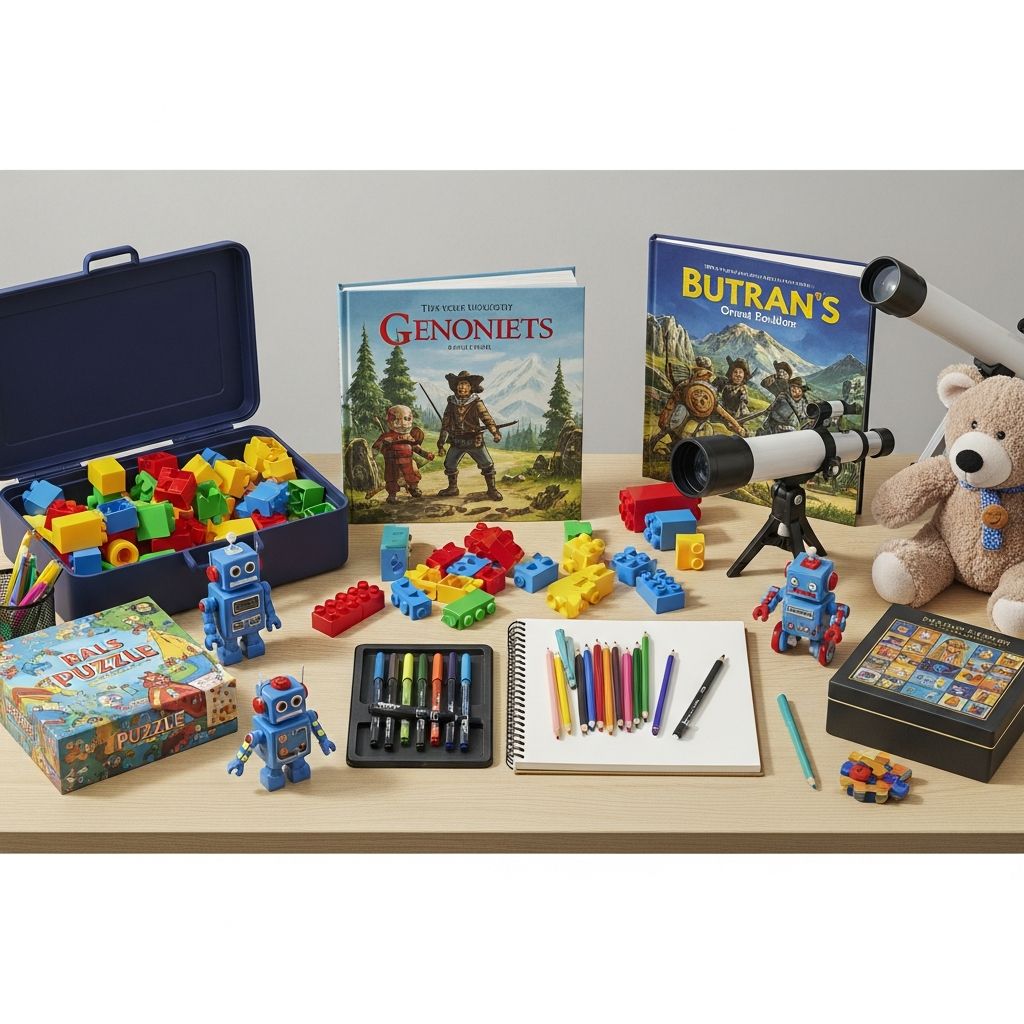
- Upgraded art kits: Think sturdy sketchbooks, colored pencils that blend well, beginner watercolor sets, and a zippered case so everything has a place.
- DIY project sets: Jewelry-making, beginner sewing, origami, or cardboard-construction kits that include clear instructions and room for experimentation.
- Music and performance tools: A simple keyboard, a child-sized ukulele, a microphone for pretend performances, or a small puppet theater for storytelling.
Look for open-ended sets where supplies can be used in many ways, not just to complete one pre-designed craft. This keeps the gift relevant long after the original project is finished.
STEM & Building Gifts
Eight is a wonderful age for gifts that sneak in science, math, and technology while still feeling very much like play. Building sets and experiments tap into their love of tinkering and figuring out how things work.
- Construction sets: Magnetic tiles, interlocking bricks, or gear-based kits that allow for both following instructions and free building.
- Beginner robotics or coding games: Screen-free coding boards, simple programmable robots, or puzzle games that teach logic and sequencing.
- Science experiment boxes: Age-appropriate kits focused on themes like crystals, volcanoes, circuits, or kitchen chemistry with lots of visual results.
When choosing STEM gifts, check that instructions are clear and that an adult does not need to run every step. Kids this age enjoy feeling capable enough to lead the project with minimal help.
Active Play & Outdoor Adventures
Many 8-year-olds have energy to spare, and gifts that send them outside or get them moving can be a big hit. Physical play also helps with coordination, confidence, and better sleep.
- Wheels and ride-ons: Upgraded bikes, scooters, skateboards, or roller skates sized for their growing bodies, plus safety gear that feels cool, not babyish.
- Sports equipment: Age-appropriate balls, a kid-sized basketball hoop, a portable soccer goal, or a jump rope set with simple trick challenges included.
- Backyard adventure gear: Flashlights, bug viewers, walkie-talkies, or a basic camping kit with a kid-friendly headlamp and sleeping bag.
Consider pairing gear with a simple challenge card or booklet. For example, a jump rope could come with a list of five tricks to master, or a nature set could include a short scavenger hunt.
Games, Puzzles & Family Fun
Games and puzzles make excellent gifts for 8-year-olds because they encourage face-to-face time and teach turn-taking, sportsmanship, and flexible thinking. They can also grow with the child when chosen well.
- Strategy board games: Simple resource-management or path-building games that take 20–40 minutes and require more than pure luck.
- Fast-paced card games: Compact decks with easy rules that are perfect for travel, restaurants, or waiting rooms.
- Challenging puzzles: Jigsaw puzzles in the 200–500 piece range, or single-player logic puzzles that increase in difficulty.
Look for games that allow for different levels of difficulty or rule variations. These can adapt to siblings of different ages and stay interesting as your 8-year-old’s skills improve.
Books & Story-Loving Gifts
Many 8-year-olds are transitioning into longer chapter books and may read independently or with a caregiver. Gifts that celebrate reading can help make this new skill feel like a joy rather than a chore.
- Series starters: The first few books of a kid-friendly series so they can dive deep into familiar characters and worlds.
- Non-fiction for curious minds: Illustrated books about space, animals, inventions, or biographies of inspiring people.
- Reading accessories: A cozy reading light, personalized bookmark, lap desk, or beanbag chair to create a special reading nook.
To make a book gift feel more exciting, include a small related item, such as a notebook for story ideas, a magnifying glass for a detective story, or a simple map for an adventure tale.
Social, Collaborative & Imaginative Play
Role-play and pretend games are still very important at eight, but they often become more elaborate. Kids may create complex worlds, rules, and characters that last over many play sessions.
- Costume and prop sets: Capes, hats, simple uniforms (vet, chef, scientist), and reusable props that can fit many stories rather than a single character.
- Mini worlds: Dollhouses, animal playsets, or small-figure environments where kids can act out social situations and adventures.
- Co-creation kits: Comic-making sets, collaborative storytelling cards, or build-a-world kits that friends can design together.
These gifts are especially helpful for kids who process their emotions and experiences through pretend play, using characters and storylines to explore feelings in a safe way.
Non-Toy Gifts and Experiences
Not every great present needs to be a toy. Non-toy gifts can create memories, increase responsibility, and reduce clutter while still feeling special. Packaging and presentation matter a lot here.
- Classes and lessons: Art, dance, martial arts, coding, climbing, or music sessions tailored to their interests.
- Memberships and passes: Local zoo, museum, science center, or indoor climbing gym passes that encourage outings together.
- Practical “big kid” gear: A digital watch, kids’ camera, travel backpack, or room decor chosen with their input.
To make experience gifts feel tangible, wrap a small related item, such as swim goggles for lessons or a keychain for a new membership card.
Personalized Gifts That Feel Special
Personalized items tell an 8-year-old that this gift was chosen specifically for them. For children navigating big feelings and friendships, that sense of being seen can be powerful.
- Name-labeled items: Water bottles, pencil cases, or art aprons with their name or initials.
- Custom storybooks: Books that feature the child’s name and likeness as the main character in a gentle, age-appropriate story.
- Memory-based gifts: Photo books of family trips, a printed collage for their room, or a framed picture of a favorite pet.
Keep personalization flexible enough to grow with the child. A simple monogram or first name can feel special without locking the item to a very young style.
Quick Comparison of Gift Types
The table below summarizes how different categories of gifts can support skills and interests at this age. Use it as a quick reference while you shop.
| Gift Category | What It Builds | Best For | Longevity Potential |
|---|---|---|---|
| Creative & Artsy | Fine motor skills, self-expression, patience. | Kids who enjoy drawing, crafting, and storytelling. | High, especially with open-ended supplies that can be refilled. |
| STEM & Building | Problem-solving, spatial reasoning, early science concepts. | Tinkerers and kids who like to figure out how things work. | High when sets include multiple builds and challenge levels. |
| Active & Outdoor | Coordination, strength, confidence, healthy habits. | High-energy kids or those who need encouragement to move more. | Medium to high; grows with the child if size-adjustable. |
| Games & Puzzles | Logic, strategy, social skills, attention span. | Families who enjoy game nights and kids who like mental challenges. | High when rules are flexible and player count is broad. |
| Books & Story Gifts | Reading fluency, empathy, imagination. | Story lovers and reluctant readers who need fun hooks. | High; books can be revisited and passed down to siblings. |
| Experiences & Non-Toys | Confidence, real-world skills, family connection. | Kids who have lots of toys or small living spaces. | Varies; memories and skills often outlast physical items. |
Practical Tips Before You Buy
- Check compatibility: Make sure building sets, add-on packs, or accessories match brands and sizes the child already owns.
- Ask about rules: For big items (like electronics or pets), check with caregivers about household rules and preferences first.
- Consider storage: Gifts that come with their own case, box, or bag are easier for kids to keep organized.
- Include batteries and basics: If the gift needs batteries, glue, or special pens, include them so the child can use the present right away.
FAQs About Gifts for 8-Year-Olds
Are 8-year-olds too old for toys?
Not at all. The type of toy simply shifts. Instead of chunky blocks or simple figurines, many kids this age enjoy more detailed building sets, strategy games, and pretend play with deeper storylines. Think of toys as tools for learning and self-expression, not something they “grow out of” overnight.
How much should I spend on a gift?
The right budget depends on your relationship with the child and your own finances. Great gifts do not have to be expensive. A thoughtfully chosen book series, a creative project, or a well-picked game can be treasured more than a pricey gadget. Consider pooling resources with relatives for larger items like bikes or lessons.
What if I do not know the child very well?
When you are unsure of specific interests, choose gifts with broad appeal and clear age labels such as family board games, art supplies, or building kits. Neutral themes like animals, space, or nature are usually safe bets. You can also include a gift receipt so caregivers can exchange the item if needed.
How can I minimize clutter while still giving something fun?
Look for consumable or compact gifts: sketchbooks, science experiment refills, puzzle books, or small card games. Experience gifts, memberships, or lessons add almost no clutter and can be paired with a small token to unwrap. Storage-friendly gifts that come with a box or case also help keep things tidy.
What about digital gifts or apps?
Educational apps, audiobooks, or kid-friendly subscription services can make thoughtful presents, especially for tech-curious kids. Always check age ratings, privacy settings, and screen-time guidelines with caregivers first. Pairing a digital gift with something tangible, like a set of headphones or a notebook, can make it feel more concrete.
Making the Gift Feel Magical
The way a gift is presented can matter just as much as what is inside. A handwritten note, a simple riddle to solve, or a mini scavenger hunt can turn even a modest present into a memorable experience. Consider including a short message that highlights something you admire about the child, such as their creativity, kindness, or persistence.
Ultimately, the best gift for an 8-year-old shows that you understand who they are right now and believe in who they are becoming. When a present supports their interests, invites curiosity, and leaves room for growth, it becomes more than a toy—it becomes part of their story.