Many parents love the idea of a soft, portable place to set down their baby, but the price of a premium brand like DockATot can be a shock. At the same time, safety guidance and product marketing can feel confusing when you are just trying to get through the day with a newborn. This guide explains what DockATot-style products are, when they are useful, what safety rules matter, and how to choose solid alternatives that fit your budget and lifestyle.
What Is a Baby Lounger, Really?
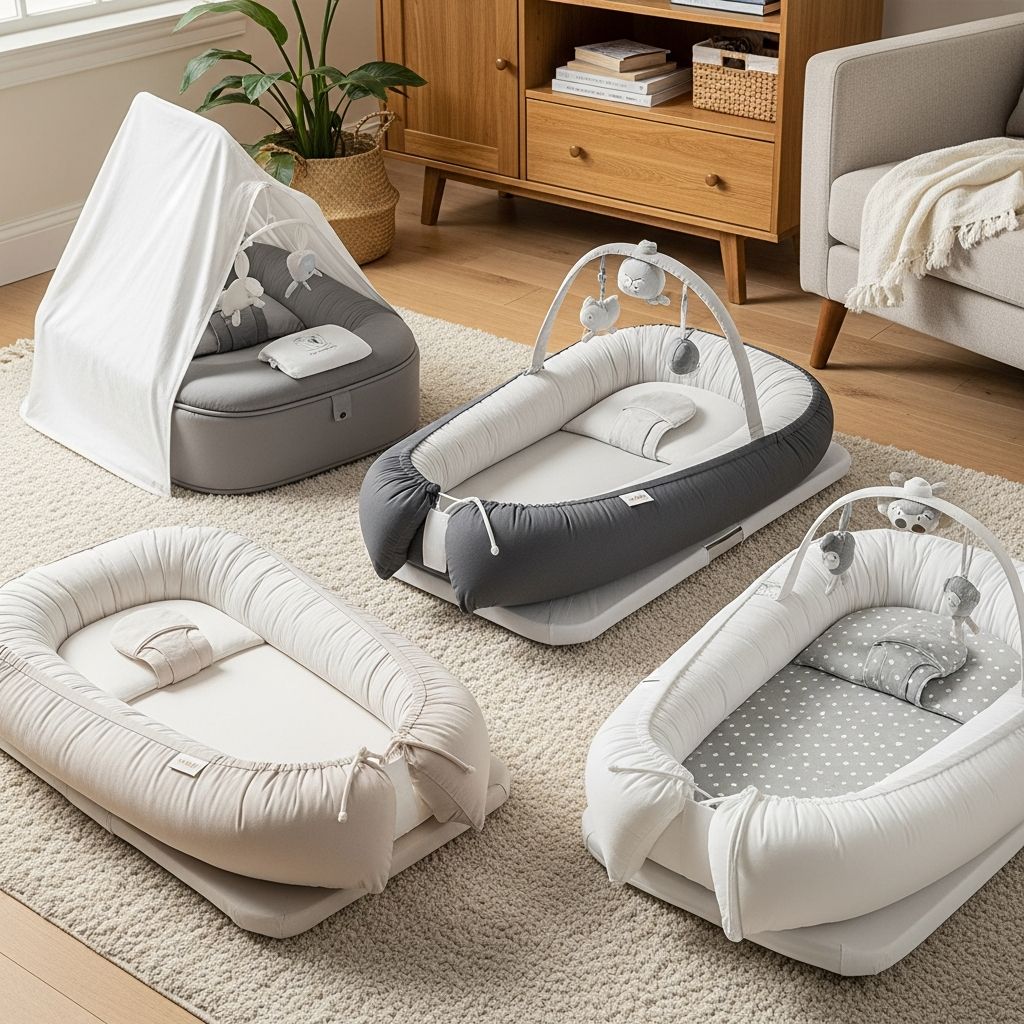
A DockATot is one kind of baby lounger: a padded, nest-like cushion with raised sides that creates a cozy, contained space for your baby when they are awake and supervised. Many other brands make very similar products, often called baby nests, pods, loungers, or infant loungers.
These loungers are designed for short, supervised stretches of time, such as when you need to eat, answer a message, or play with an older child while keeping your baby close by. They are not meant to replace a crib or bassinet, and they do not change the recommendations for safe infant sleep.
Safety First: What Every Parent Should Know
Before comparing any alternatives, it helps to separate marketing claims from basic safety facts. Reputable pediatric and child-safety organizations consistently emphasize that the safest place for a baby to sleep is on a firm, flat mattress with a fitted sheet and no extra padding, pillows, or soft sides.
Baby loungers, including DockATot-style products and their alternatives, are for supervised, awake use on flat surfaces away from edges. Even if a product’s photos show babies sleeping, or the description hints at better sleep, caregivers should still follow evidence-based safe-sleep guidelines: a clear, firm sleep space without padded nests or side bumpers.
Common Ways Parents Use DockATot Alternatives
Even knowing the limits, many caregivers find baby loungers helpful in everyday life. Used appropriately, they can make the early months more manageable without pretending to solve every sleep problem.
- Supervised lounging in the living room: A lounger on the floor or a large play mat can keep your baby nearby while you fold laundry or drink coffee with two hands.
- Playtime and interaction: Loungers can be a spot for talking, singing, or high-contrast toy play without always holding your baby.
- Diaper changes on the go: Some parents use a lounger as a cushioned place to do quick changes when traveling or visiting family, on top of a safe, stable surface.
- Post-feed cuddles (while awake): After feeding and burping, some babies enjoy being snuggled in a lounger while a caregiver stays right next to them.
Key Features to Compare When Shopping
Once you start exploring alternatives, it becomes clear that many products look similar at first glance. Looking more closely at a few core features can help you decide what is worth paying for and what is just clever branding.
Materials and Breathability
Since your baby’s face and skin will touch the fabric, prioritizing breathable, baby-friendly materials is important. Many parents look for cotton covers with polyester or foam fillings, and some brands highlight organic or GOTS-certified cotton for extra peace of mind.
Breathable fabrics can help with temperature regulation and comfort, but no lounger can fully eliminate suffocation risk, which is why the safe-sleep rules still apply. Consider how warm your home usually is and whether you want lighter or thicker padding.
Washability and Maintenance
Spit-up, diaper leaks, and drool are part of life with a baby, so a lounger that is easy to clean can save time and frustration. Ideally, the cover should zip off easily and be machine-washable, and the inner cushion should be spot-cleanable without losing shape.
Some budget alternatives have fewer pieces but tricky zippers, while others use generous, pillowcase-style covers that slide off smoothly. Replacement covers can also extend the life of a lounger and let you rotate while one is in the wash.
Size and Age Range
Loungers vary in length, width, and firmness, which affects how long they remain useful. Some are marketed from newborn to about six months, while others claim suitability toward the first birthday or beyond, though most babies will outgrow the snug fit earlier.
A longer or adjustable design can provide better value, but a very large lounger may feel less cozy for smaller newborns. Think about whether you want a snug, nest-like feel, or a roomier cushion that gives more space for growth and kicking.
Portability and Weight
If you live in a multi-story home or travel frequently, handles and lightweight construction can make a big difference. Some loungers include carrying handles or a travel bag, while others are minimalist cushions you simply pick up under your arm.
Remember that even if a brand shows people carrying a baby within the lounger, the safest option is usually to move the baby separately and treat the lounger itself as gear, not as a travel cradle.
Price and Perceived Value
DockATot has become a recognizable premium product, and its price reflects branding as much as materials and design. Many alternatives offer similar functionality at a fraction of the cost, especially generic or lesser-known brands sold online.
Higher price does not automatically mean safer or more effective, so focus on clear descriptions of materials, construction, and care instructions instead of assuming that the most expensive option is automatically better.
Types of DockATot Alternatives
DockATot-style products fall into a few broad categories. Understanding these types makes it easier to filter options when browsing online or building a registry.
- Classic baby nests: Oval or rectangular loungers with soft sides and a central padded area designed for a snug, womb-like feel.
- Minimalist flat loungers: Cushioned pads without high bolsters, which can be more compact and easier to pack.
- Convertible loungers: Designs that unclip or unzip at the bottom to add length or open into a changing mat or small play area.
- Multi-use pillows and wedges: Products that double as nursing pillows, tummy time props, or toddler cushions later on.
Sample Feature Comparison Table
The table below illustrates how different DockATot-style loungers might compare. It does not describe any specific brand; instead, it shows which features to notice when reading product descriptions.
| Feature | Premium Nest | Mid-Range Lounger | Budget Cushion |
|---|---|---|---|
| Approx. Price Range | High | Mid | Low |
| Cover Material | Organic cotton | Cotton blend | Polyester |
| Padding | Thick, structured bolsters | Moderate side padding | Thin, basic fill |
| Cover Removability | Fully removable, zippered cover | Removable cover, simpler zipper | Non-removable; spot clean only |
| Travel Features | Handles and storage bag | Lightweight, sometimes handles | No handles or bag |
| Design Options | Multiple solids and prints | Limited colors, few prints | One or two basic colors |
How to Decide Which Alternative Is Right for You
Choosing a lounger is less about chasing a specific brand and more about matching features to how you actually live. A family in a small apartment may prioritize compact size and easy storage, while frequent travelers may value a durable cover and a portable design.
Start by setting a realistic budget, then list the top three things that matter most to you, such as organic materials, machine-washable covers, or a longer usage window. Use that short list to filter options, rather than trying to compare every possible feature at once.
Questions to Ask Before You Buy
- Where will this lounger live most of the time—bedroom, living room, or grandparents’ house?
- How often do you realistically do laundry, and do you want multiple covers?
- Does your home run warm or cool, and how thick should the padding be?
- Do you need something that packs easily into a car or suitcase?
- Are there any materials your baby’s skin might be sensitive to?
Using Loungers Safely in Everyday Life
Even the best alternative is only helpful if it is used in a way that respects your baby’s safety and developmental needs. Think of a lounger as one tool among many in your caregiving toolkit, not the centerpiece of your baby’s environment.
Supervise your baby closely whenever they are in a lounger, keep it on the floor or another wide, stable surface, and avoid adding blankets, toys, or pillows. If your baby falls asleep in the lounger, move them to a crib, bassinet, or other safe sleep space as soon as you can.
When to Stop Using a Lounger
Most brands list a rough age or weight range, but your baby’s development matters more than the printed numbers. Once your baby begins trying to roll, push up strongly on their hands, or scoot, raised sides and soft padding become more of a tipping or entrapment risk.
At that stage, transition to flat play mats, play yards, or floor beds for lounging and playtime. The lounger may still be useful as a cushion for caregivers, a spot for older siblings to read, or a soft pad for toddler play, depending on its design.
Alternatives Beyond Loungers
If the price of a DockATot or similar nest feels high, or if you decide loungers are not for you, there are many other ways to create safe, cozy spaces for your baby. Several common pieces of baby gear can handle much of the same work when used thoughtfully.
- Bouncers and rockers: These give babies a slightly upright view of the world and can be soothing when you need your hands free, as long as they are used on the floor and within recommended time limits.
- Firm play mats: A well-padded play mat or rug is a safe, development-friendly place for tummy time, rolling, and early play.
- Portable bassinets: Some compact bassinets fold or zip for travel, providing a safe, flat sleep surface at home and on trips.
- Baby carriers and wraps: When used correctly, these keep your baby snug while you move around, which can reduce the need for a dedicated lounger.
Money-Saving Tips for Budget-Conscious Families
It is possible to have a cozy, functional setup without buying the most expensive name-brand lounger on the market. A little planning and flexibility can reduce costs while still giving your baby a comfortable place to hang out during the day.
- Consider generic brands: Many non-branded loungers use similar materials and shapes at a significantly lower cost.
- Prioritize one main lounging spot: Instead of buying a lounger for every room, choose one that is easy to move and complement it with an inexpensive play mat elsewhere.
- Look for secondhand bases, new covers: If you choose to buy used, consider replacing covers for hygiene and to check the condition of zippers and seams.
- Register for functional items, not just cute prints: Baby registries are a good place to request higher-ticket essentials instead of accumulating many small extras.
FAQs About DockATot Alternatives
Are DockATot alternatives safe for overnight sleep?
No. Baby loungers and nests, regardless of brand or price, should not be used for unsupervised or overnight sleep. The safest sleep setup is still a firm, flat surface like a crib or bassinet with a fitted sheet and no extra padding, pillows, or bumpers.
Can I put a lounger in the crib to make it cozier?
Safety guidelines advise against adding loungers, nests, or positioning devices inside a crib or bassinet. While it may look comfortable, extra soft items increase the risk of suffocation and entrapment, especially for young babies who cannot move their heads easily.
What is the difference between a baby lounger and a nursing pillow?
A nursing pillow is shaped and sized to support a baby at breast or bottle height while the caregiver holds or supervises them. Some people prop their babies on nursing pillows after feeds, but these products are not designed as full-body loungers and usually do not have surrounding bolsters.
Do I need a baby lounger at all?
No single piece of baby gear is truly mandatory. Many families manage just fine with a combination of a safe sleep space, a good play mat, and a carrier. A lounger is a convenience item that may make certain moments easier, but it is not essential for healthy development or bonding.
How many loungers or nests should I buy?
For most families, one well-chosen lounger is enough. It can be moved from room to room as needed, and you can supplement it with inexpensive blankets on the floor (for caregivers, not under the baby) or a second play mat if you want more than one spot available.
Final Thoughts: Balancing Comfort, Safety, and Sanity
DockATot alternatives can provide many of the same benefits—a cozy space for supervised lounging, a soft landing spot during busy days, and a portable comfort zone—for less money and with just as much practicality. When you understand what loungers are for, what they are not for, and how to compare them, the choice becomes much less overwhelming.
By centering safety guidelines, your family’s real routines, and a realistic budget, you can confidently choose a lounger or alternative setup that supports both your baby’s comfort and your own well-being during this intense, beautiful season of life.