Dinosaur movies have a rare kind of magic: they mix imagination, suspense, and science into stories kids remember for years.
This guide helps parents and caregivers pick age-appropriate dinosaur films, understand common themes, and turn screen time into a fun learning experience.
Why Kids Are Obsessed With Dinosaurs
Dinosaurs sit at the crossroads of fantasy and reality, giving children the thrill of mythical creatures with the grounding of real science.
Because these animals actually walked the Earth, dinosaur movies can nurture curiosity about nature, time, and extinction in a way that feels exciting rather than like homework.
- They look wild and otherworldly but come from real fossil evidence.
- They invite questions about size, survival, and how the world has changed.
- They let kids explore big feelings like fear and bravery in safe ways.
Age-Appropriate Dinosaur Viewing
Not all dinosaur movies are created for the same age group; some lean into slapstick and friendship while others include intense chases and peril.
Thinking in age bands makes it easier to match the tone, level of danger, and complexity of the story to your child’s stage.
Dinos for Preschoolers (Ages 3–5)
Preschool-friendly dinosaur films focus on bright colors, simple plots, and gentle characters who spend more time talking and singing than roaring.
These movies usually soften scary moments, emphasize friendship, and keep the action short so younger kids do not feel overwhelmed.
- Look for slower pacing and clear visual cues before anything mildly scary happens.
- Prefer movies where dinosaurs are friendly guides or playmates rather than lurking predators.
- Choose runtimes under 90 minutes to match shorter attention spans.
Dinos for Early Grade School (Ages 6–8)
Kids in early elementary school often crave bigger adventures, and dinosaur movies at this level can include mild peril and emotional stakes.
Stories about young dinosaurs or children on quests resonate because they mirror kids’ own experiences with independence and friendship.
- Expect more intense chase scenes, but with clear resolutions and comforting endings.
- Themes often include loss, courage, and family, presented in a digestible way.
- Some films blend real dinosaur traits with obvious fantasy, which can spark good conversations.
Dinos for Older Kids (Ages 9+)
Older children are usually ready for complex plots, higher stakes, and richer scientific details, including more realistic predator-prey dynamics.
At this stage, dinosaur movies can start to feel like full-scale adventure or survival stories, touching on responsibility and ethical questions about science.
- Expect stronger suspense, darker environments, and more intense roars and chases.
- These films may feature humans confronting the consequences of their own experiments.
- Documentary-style productions become appealing and can deepen factual understanding.
What Makes a Great Dinosaur Movie for Kids
A strong kids’ dinosaur movie balances wonder and safety, making children feel thrilled but not overwhelmed.
Good options also give families something to talk about afterward, whether it is a scientific fact, a moral lesson, or a moment of emotional growth.
Key Ingredients Parents Should Look For
- Relatable main character. Children connect more easily to young dinosaurs or kids learning to be brave, kind, or clever.
- Clever use of comedy. Well-timed jokes break tension and make even big T. rex scenes feel manageable.
- Clear moral center. Themes like cooperation, empathy, and responsibility help offset any on-screen chaos.
- Thoughtful worldbuilding. Consistent rules about which creatures exist and how they behave create a believable prehistoric world, even when the science is not perfect.
- Balanced action. Intense scenes end quickly and give kids time to process and relax before the next big moment.
Entertainment vs. Science
Most dinosaur movies for kids blend real paleontology with fantasy, which means sharp-toothed carnivores might act like house pets and time periods may be mixed together.
This blend is not necessarily a flaw; instead, it gives families a chance to clarify what is accurate and what was added just for fun.
Quick Reference Table: Matching Movie Types to Kids
The table below helps parents quickly spot which general type of dinosaur movie best suits their child’s age, sensitivity, and interests.
These categories are broad guidelines and can be adjusted based on your child’s unique temperament.
| Movie Style | Ideal Age Range | Common Themes | Typical Intensity Level |
|---|---|---|---|
| Gentle cartoon adventures | 3–6 years | Friendship, sharing, basic facts about dinosaurs | Very mild; brief tension, quick reassurance |
| Animated dino quests | 6–9 years | Courage, family, getting lost and finding home | Moderate; some chases and falls, emotional moments |
| Comedy adventures with humans | 7–10 years | Teamwork, problem-solving, humor under pressure | Moderate; frequent action, softened by jokes |
| Epic survival stories | 9+ years | Responsibility, ethical science, survival | High; suspenseful sequences and darker tone |
| Docu-style dino features | 8+ years | Habitats, evolution, extinction events | Varies; realistic but less emotionally intense |
Turning Dino Movies Into Learning Moments
A little planning can turn a rainy afternoon dinosaur movie into a full mini-lesson in science, storytelling, and empathy.
Kids often remember feelings and images more than facts, so connecting what they see on-screen to real-world information helps anchor their excitement.
Before You Press Play
- Show a picture of a real fossil or museum skeleton and ask what your child already knows about dinosaurs.
- Briefly mention that some parts of the movie will be pretend, while some parts are inspired by real science.
- Agree on a “pause” signal so they know it is okay to stop the movie if a scene feels like too much.
After the Credits Roll
- Ask which dinosaur or character your child liked most and why; this reveals what they connected with emotionally.
- Look up one real fact together, such as what that dinosaur ate or how big it really was.
- Draw or build a small scene from the movie using blocks, clay, or toys to reinforce storytelling skills.
Handling Scary Moments and Big Feelings
Dinosaur movies often include storms, separations, and loud roars, which can stir up strong feelings even if the movie ends happily.
Preparing your child, staying present during the movie, and talking afterward can transform those tense moments into useful emotional practice.
Signs a Dino Movie Might Be Too Intense
- Multiple scenes of characters being chased or cornered by predators without quick resolution.
- Realistic sound design emphasizing growls, crashes, and sudden jumps.
- Frequent on-screen losses or separations that drag on without lighthearted breaks.
Comfort Strategies During and After
- Watch new dinosaur movies during the daytime so kids are less likely to carry fear into bedtime.
- Keep a cozy blanket or favorite toy nearby so they can self-soothe while watching.
- Reframe scary scenes by pointing out helpers, problem-solvers, or signs that the characters will be okay.
Balancing Fun and Accuracy
When feathers appear on a T. rex or herbivores behave like loyal puppies, kids quickly notice that dinosaurs in movies do not always act like fossils suggest.
Instead of seeing these moments as mistakes, families can treat them as invitations to explore real paleontological discoveries.
How to Talk About Dino “Myths”
- Explain that scientists constantly update their understanding of dinosaurs as new fossils are found and studied.
- Point out one or two details that seem exaggerated and compare them with a children’s science book or trusted website.
- Highlight the difference between a movie’s job (to tell an exciting story) and a scientist’s job (to learn what really happened).
Planning a Family Dinosaur Movie Night
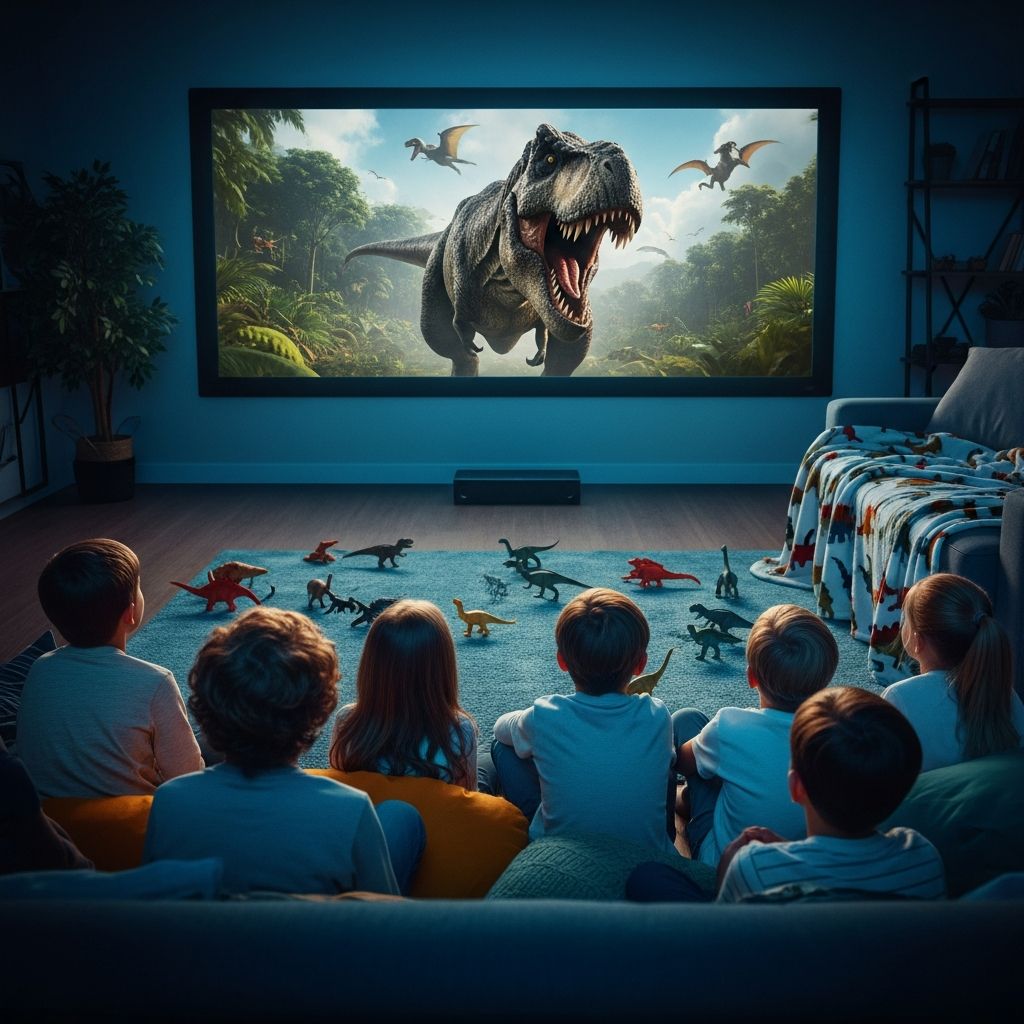
A themed dinosaur movie night can turn a simple screening into an event kids talk about for weeks.
By layering snacks, activities, and follow-up play, you can meet kids’ sensory, social, and learning needs all at once.
Simple Ideas to Try
- Serve “herbivore” and “carnivore” snack plates with fruits, veggies, and protein options so kids can sort like real dinosaurs.
- Spread a blanket on the floor and call it your “prehistoric picnic” spot to make the setup feel special.
- After the movie, organize a short fossil “dig” in a bin of rice or sand with hidden toy bones.
Frequently Asked Questions About Dinosaur Movies for Kids
Are dinosaur movies safe for very young children?
Dinosaur movies that are specifically designed for preschoolers can be safe, as long as they keep scary moments brief and focus on gentle storytelling.
Parents should still preview or research any film first, because even animated dinosaurs sometimes appear in sudden or loud scenes that may startle sensitive viewers.
How much science should a kids’ dinosaur movie have?
There is no perfect ratio of science to storytelling; some beloved kids’ dino films lean heavily on fantasy but still inspire genuine curiosity about real fossils and ecosystems.
Pairing a fun, imaginative movie with a short documentary clip or book can give children both the excitement they crave and the accuracy parents want.
What if my child becomes afraid of dinosaurs after a movie?
Fearful reactions are common and usually fade if adults respond calmly, validate feelings, and remind kids that dinosaurs are long extinct.
Gentle exposure—like reading a friendly dinosaur picture book or watching a softer, slower-paced movie—can help your child rebuild a sense of safety.
Can dinosaur movies help with social and emotional skills?
Many dinosaur stories center on themes like teamwork, sharing resources, or learning to trust others, which mirror real-life social challenges for kids.
Talking openly about which characters made kind choices or solved problems responsibly can reinforce empathy and communication skills.
How often is it okay to watch dinosaur movies?
Frequency matters less than balance; kids benefit most when dinosaur movies are part of a healthy mix that also includes outdoor play, reading, and creative projects.
Setting simple expectations, like saving longer films for weekends or family nights, keeps dinosaur viewing special rather than routine background noise.
Making Dinosaur Movies Work for Your Family
With a bit of forethought, dinosaur movies for kids can offer more than roars and stomps; they can introduce complex ideas, support emotional growth, and inspire a lifelong interest in science.
By choosing films that align with your child’s age and temperament, and by joining them in conversation before and after, you can keep their love of dinosaurs both thrilling and safe.